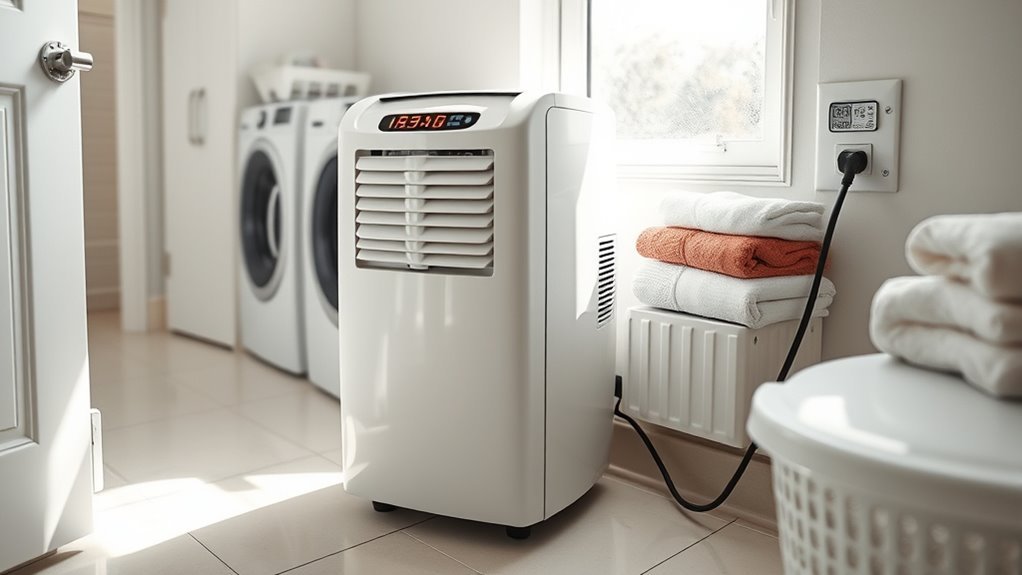
If you want a dependable drain hose for a dehumidifier, start with the connection type—not the word “universal.” The strongest options here include a 10-foot adapter kit for flexible fitment, a standard 3/4-inch FHT hose for threaded outlets, a 13-foot Saillong kit for longer runs, and Eastman clear vinyl tubing for compatible push-on drain ports. Check your dehumidifier manual, measure the outlet, and make sure the entire hose can run downhill to the drain before you buy.
Quick Verdict
Best overall: the 10-foot portable drain hose kit offers the most adaptable setup for many common drain ports. Choose a 3/4-inch FHT hose when your dehumidifier has a threaded garden-hose-style outlet. Choose 1/2-inch ID clear tubing only when your manual specifies a compatible push-on or barbed connection.
Quick Comparison of the Best Dehumidifier Drain Hoses
| Product | Best For | Length | Connection | Amazon |
|---|---|---|---|---|
| Portable Drain Hose Kit with Adapter | Best overall adaptable kit | 10 ft | 3/4-inch FHT plus cuttable adapter | Check Price |
| 3/4-Inch FHT Drain Hose | Short threaded connections | 5 ft | 3/4-inch FHT | Check Price |
| Eastman Clear Vinyl Tubing | Cut-to-fit push-on outlets | 20 ft | 1/2-inch ID tubing; adapter may be needed | Check Price |
| Leak-Resistant 3/4-Inch FHT Hose | Mid-length threaded setups | 6.6 ft | 3/4-inch FHT | Check Price |
| Saillong Drain Hose with Adapter | Long universal-style runs | 13 ft | 3/4-inch FHT plus cuttable adapter | Check Price |
| Dehumidifier Drain Hose Kit | Compact clamp-on installations | 5.25 ft | Clamp-on adapter | Check Price |
| Portable Drain Hose Kit | Lightweight 13-foot routing | 13 ft | 3/4-inch FHT plus trim-to-fit joint | Check Price |
Portable Dehumidifier Drain Hose Kit with Adapter
Best Overall
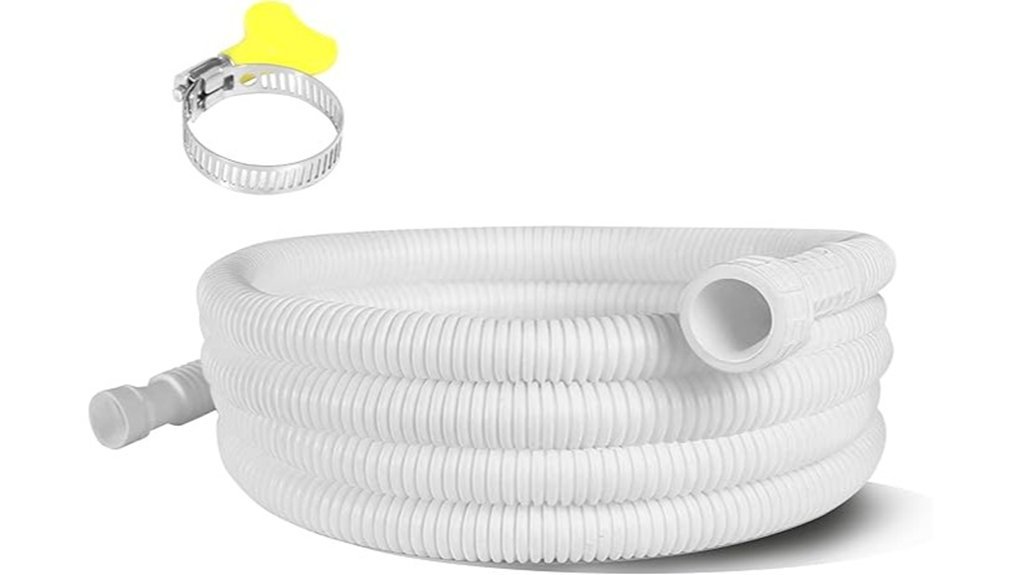
This 10-foot portable dehumidifier drain hose kit solves a common fitment problem by combining a 3/4-inch FHT connection with a cuttable rubber adapter and clamp. The corrugated PVC hose is flexible enough to route behind appliances or around furniture, while the adapter gives you more options than a fixed threaded hose. It is a practical choice when you want extra reach without joining multiple short sections.
Why You’ll Like It: The longer length and adaptable connector make placement easier, and the clamp can help secure a properly sized connection.
Best For: Buyers who need a flexible 10-foot replacement hose and are willing to measure or trim the adapter for their drain outlet.
Who Should Avoid It: Anyone who wants a rigid, permanently plumbed drain line or cannot confirm the outlet size before cutting the adapter.
Pros:
- 10-foot length provides useful routing flexibility
- Includes a cuttable rubber adapter and connecting clamp
- Corrugated construction helps the hose bend around obstacles
Cons:
- The adapter may require careful trimming for a secure fit
- Corrugated hose can trap debris more easily than smooth tubing
- Designed for gravity drainage, not pressurized water service
Dehumidifier Drain Hose 3/4-Inch FHT, 5 Feet
Best Short Threaded Hose
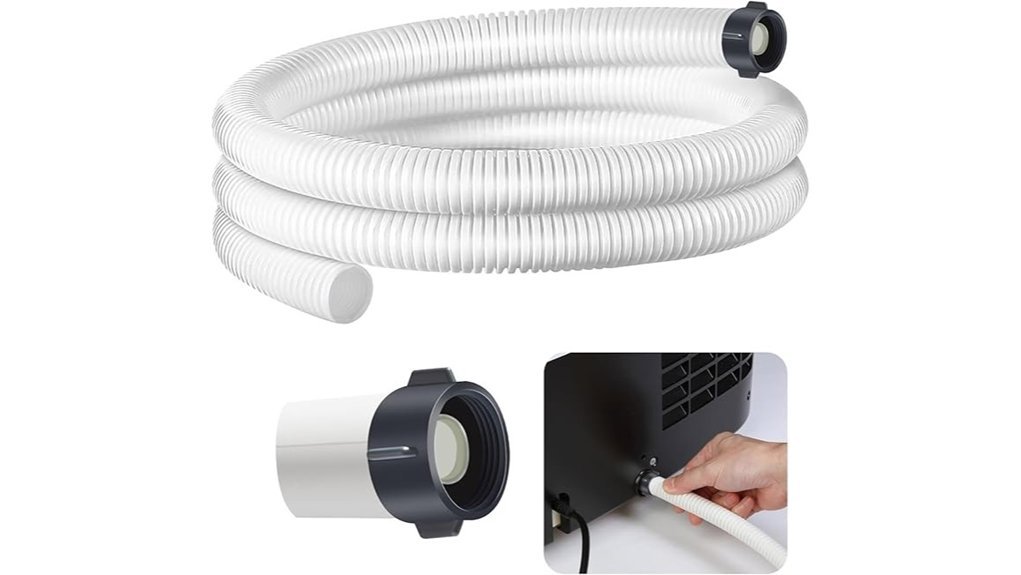
This 5-foot dehumidifier drain hose is designed for units with a 3/4-inch female hose thread connection. Its compact length works well when the dehumidifier sits close to a floor drain, sink, or condensate pump. The flexible corrugated body is easier to route than a standard garden hose, and the included gasket is intended to help seal the threaded connection.
Why You’ll Like It: It offers a simple hand-tightened setup without excess hose coiled on the floor.
Best For: Dehumidifiers with a confirmed 3/4-inch threaded outlet located within about five feet of the drain.
Who Should Avoid It: Buyers with a push-on drain nipple, a longer route, or a drain point higher than the dehumidifier outlet.
Pros:
- Standard 3/4-inch FHT connection for compatible units
- Short length reduces clutter in close-range installations
- Flexible body and gasket support an easier connection
Cons:
- Five feet may be too short for many basements or laundry rooms
- Will not fit dehumidifiers that require smaller push-on tubing
- Must maintain a continuous downhill route for gravity drainage
Eastman Clear Vinyl Tubing 1/2 Inch ID, 20 Ft
Best Cut-to-Fit Clear Tubing
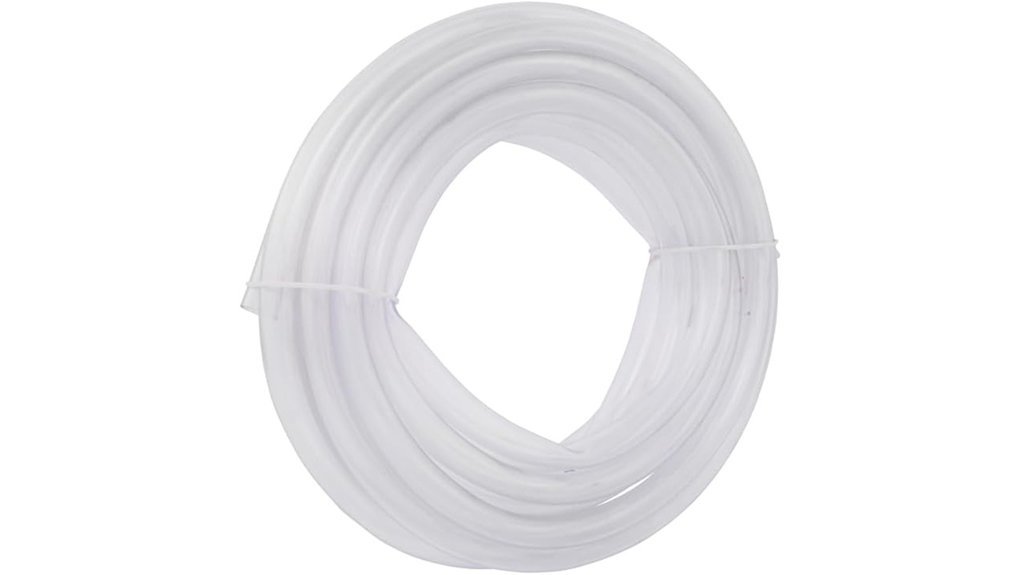
Eastman’s 20-foot clear PVC tubing is a useful alternative when your dehumidifier manual calls for 1/2-inch inside-diameter tubing or a compatible push-on drain line. The clear wall lets you see standing water, buildup, or a blockage, and the tubing can be cut to the exact length you need. Because it does not include a dehumidifier-specific threaded connector, some installations may require a hose barb, adapter, or clamp.
Why You’ll Like It: The long, clear, cut-to-size design makes it easy to inspect the drain path and avoid unnecessary joints.
Best For: Compatible barbed or push-on outlets that specifically accept 1/2-inch ID tubing.
Who Should Avoid It: Buyers who need a ready-to-use 3/4-inch FHT hose or do not want to source a separate adapter.
Pros:
- Clear PVC makes water flow and blockages easier to inspect
- Twenty-foot length can be cut for custom installations
- Suitable for low-pressure drainage applications
Cons:
- Not a universal direct-fit dehumidifier hose
- May need a separate barb, clamp, or threaded adapter
- Soft tubing can sag or curl unless it is supported
Leakproof Dehumidifier Drain Hose 3/4" FHT, 6.6 FT
Best Mid-Length Threaded Option
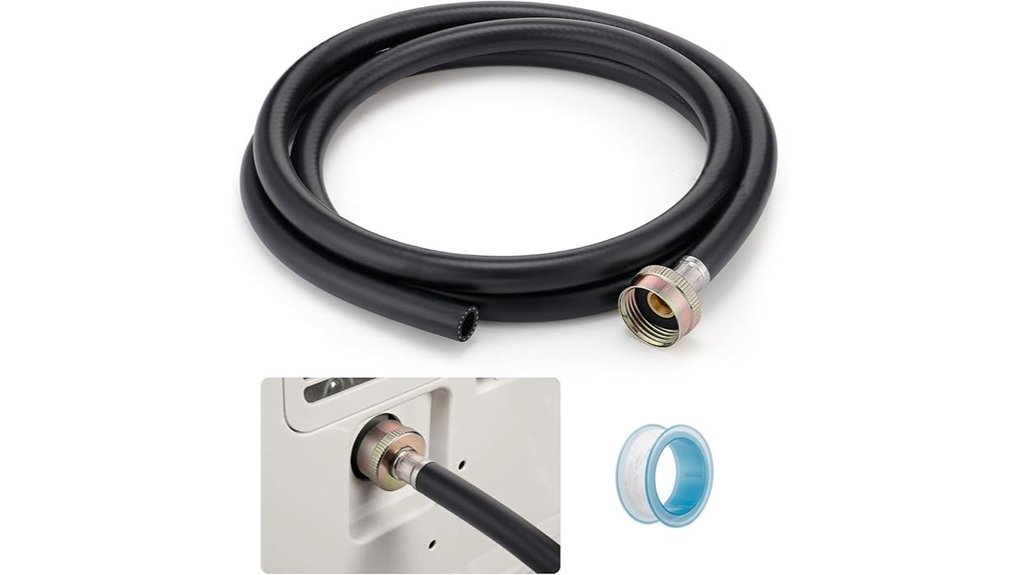
This 6.6-foot hose gives you more placement flexibility than a five-foot line while keeping the convenience of a 3/4-inch FHT connector. Its flexible PVC body is intended to bend without sharp kinks, and the kit includes sealing components for the connection. It is a good middle-ground choice when a short hose will not reach but a 13- or 20-foot line would create extra slack.
Why You’ll Like It: The mid-length design balances reach and tidy routing for many basement and laundry-room layouts.
Best For: Compatible threaded outlets with a drain point six feet or less away along a downhill route.
Who Should Avoid It: Anyone with a non-threaded outlet or a route that requires the hose to climb uphill.
Pros:
- 6.6-foot length suits many medium-distance drain layouts
- Flexible PVC can be coiled for storage
- Threaded connection and included sealing parts simplify setup
Cons:
- Still too short for some remote floor drains
- “Leakproof” performance depends on correct sizing and installation
- Not intended for high-pressure plumbing applications
Saillong Dehumidifier Drain Hose with Adapter Clamp
Best Long Universal-Style Kit
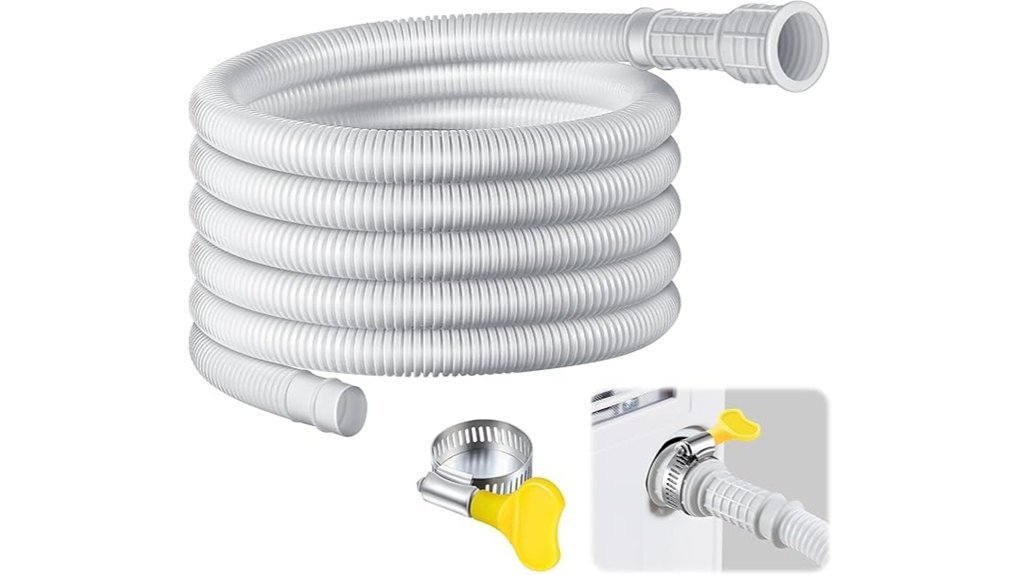
The Saillong kit combines a 13-foot corrugated PVC hose, a 3/4-inch FHT end, a cuttable rubber adapter, and a connecting clamp. That combination makes it one of the more versatile choices in this list for longer routes. The adapter can suit different outlet styles when sized correctly, but you should still measure first because trimming is permanent.
Why You’ll Like It: It gives you generous reach and two connection approaches in one kit.
Best For: Buyers who need a long hose for a dehumidifier or compatible portable air conditioner and can maintain a steady downhill slope.
Who Should Avoid It: Small spaces where 13 feet of hose would create coils, raised loops, or trip hazards.
Pros:
- 13-foot length supports longer drainage routes
- Includes a 3/4-inch threaded end, rubber adapter, and clamp
- Corrugated hose bends around obstacles more easily
Cons:
- Extra length must be fully supported and kept free of upward loops
- Adapter may need careful trimming
- Corrugations may be harder to clean than smooth tubing
Dehumidifier Drain Hose Kit (5.25FT)
Best Compact Clamp-On Kit
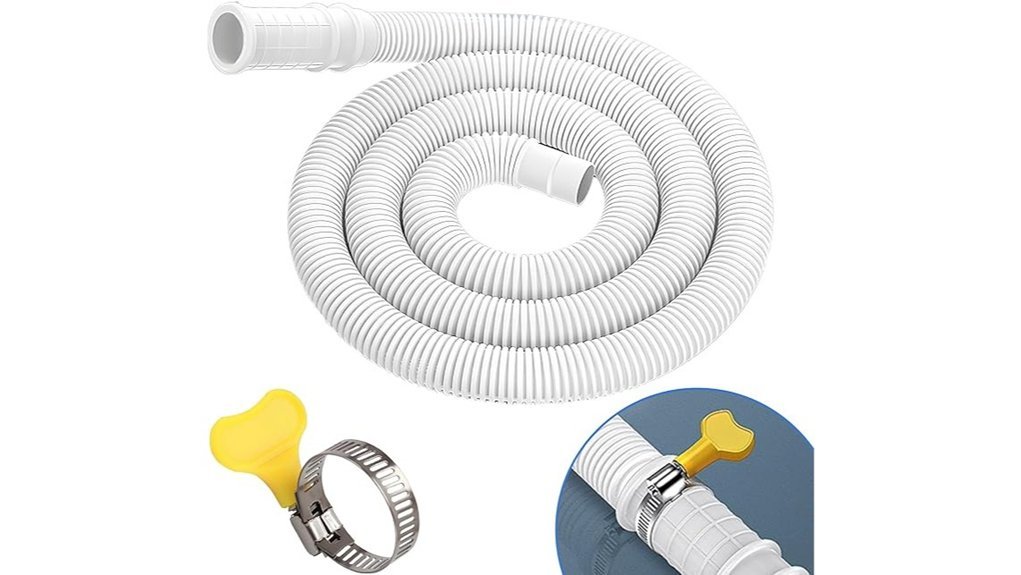
This 5.25-foot drain hose kit is aimed at short, simple drainage routes. Its corrugated PVC tubing is flexible, and the stainless steel clamp uses a thumb screw that can be tightened by hand. The kit is most useful when the included adapter matches your dehumidifier outlet and the drain is close enough to avoid extensions.
Why You’ll Like It: The compact hose and hand-tightened clamp reduce clutter and make basic installation approachable.
Best For: Short runs from a compatible outlet to a nearby floor drain, sink, or condensate pump reservoir.
Who Should Avoid It: Buyers who need a confirmed 3/4-inch threaded coupling or more than about five feet of reach.
Pros:
- Compact length is easier to manage in tight spaces
- Corrugated PVC offers useful flexibility
- Thumb-screw clamp can be tightened without a screwdriver
Cons:
- Fitment must be confirmed before purchase
- 5.25 feet may not reach a distant drain
- Clamp-on connection may need periodic inspection
Portable Dehumidifier Drain Hose Kit (13FT)
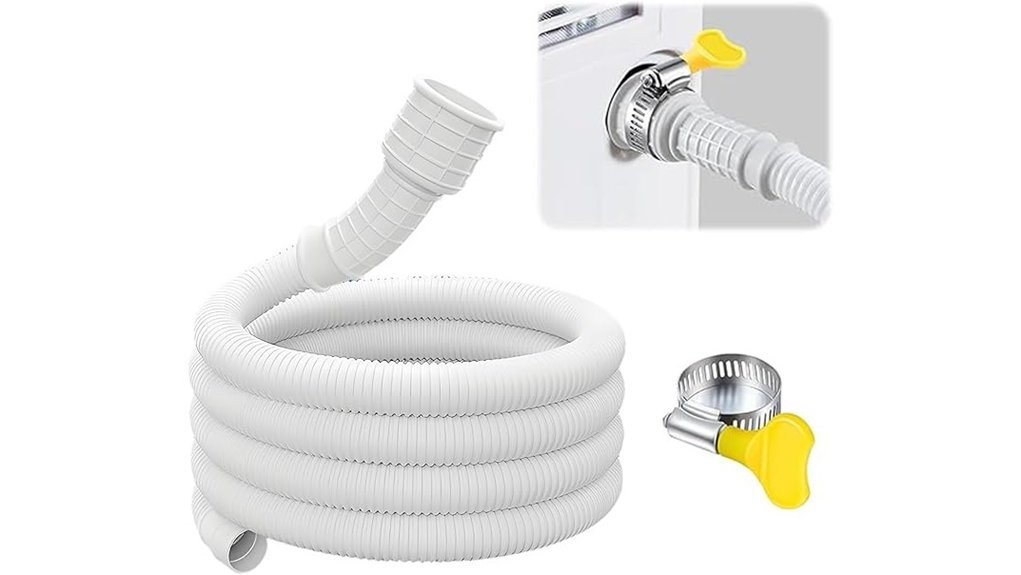
Best Lightweight Long Hose
This 13-foot portable drain hose kit is another long-reach option for dehumidifiers and compatible portable air conditioners. Its ripple-style PVC body is lightweight and flexible, while the dual-size rubber joint is designed to connect to a 3/4-inch FHT outlet or be trimmed for a smaller drain connection. The included clamp helps secure the adapter after sizing.
Why You’ll Like It: It offers long reach without the bulk of a heavy garden hose.
Best For: Longer indoor drainage routes where the hose can remain continuously downhill and protected from damage.
Who Should Avoid It: Outdoor installations exposed to prolonged sunlight, freezing conditions, or foot traffic.
Pros:
- 13-foot length provides flexible placement
- Lightweight corrugated PVC is easy to route
- Dual-size joint and clamp support multiple connection styles
Cons:
- Smaller connector may need to be cut for fitment
- Long hose can sag or form air-locking loops if unsupported
- Exact compatibility must be checked against the appliance manual
Factors to Consider When Choosing a Drain Hose for a Dehumidifier
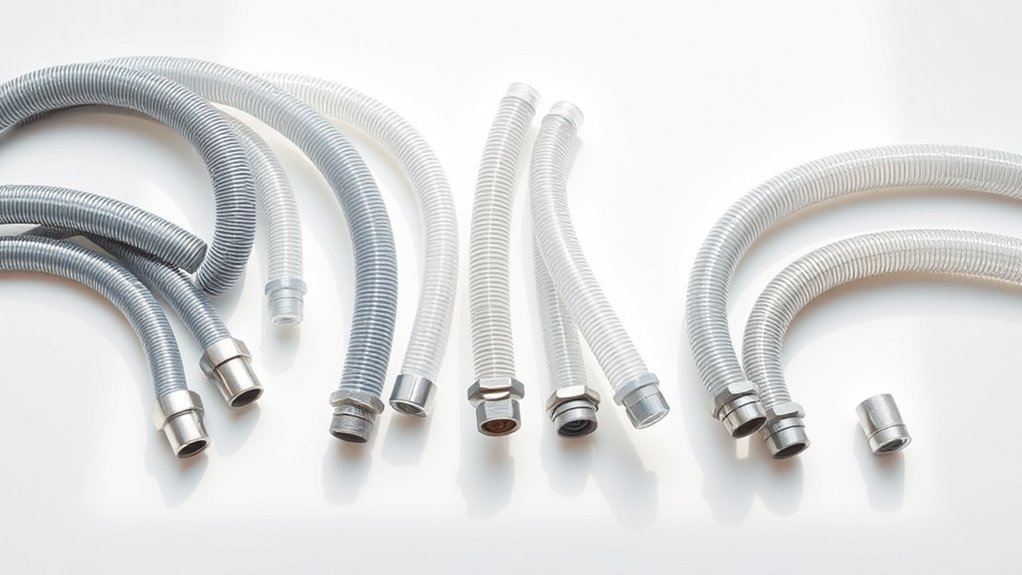
The best hose is the one that matches your dehumidifier’s outlet and reaches the drain with a smooth, continuous downward path. Use this checklist before ordering.
Hose Compatibility
Start with the owner’s manual or the label beside the continuous-drain outlet. A 3/4-inch FHT hose screws onto a compatible threaded port. Clear vinyl tubing is sized by inside diameter and normally pushes over a barb or attaches through an adapter. A clamp-on “universal” kit may work with several outlet styles, but only when the adapter dimensions match your unit.
Drain Outlet Size
Do not estimate the outlet by sight. Confirm whether the manufacturer specifies a thread size or a tubing inside diameter. Threaded and push-on measurements are not interchangeable. A loose hose can leak or fall off, while an undersized hose may not install without damage. Use the supplied gasket, washer, adapter, or clamp only as directed for your dehumidifier.
Hose Length and Route
Measure the actual path from the dehumidifier outlet to the drain, including corners and vertical drop. Choose enough length to reach without pulling on the connection, but avoid unnecessary coils. A long gravity-drain hose should be supported so it does not sag, rise, or form loops that hold water. When the drain is higher than the outlet, use a compatible condensate pump instead of trying to force water uphill.
Material and Durability
PVC and vinyl are common because they are flexible, water-resistant, and easy to cut. Corrugated hose bends easily but can be harder to clean. Smooth clear tubing lets you inspect the flow but may flatten or sag if unsupported. Check the hose periodically for cracks, stiffness, discoloration, loose fittings, or buildup.
Leak-Resistant Connections
No hose is automatically leakproof. A reliable seal depends on the correct connector, an undamaged gasket or washer, clean threads, and proper tightening. Hand-tighten plastic fittings unless the appliance manual says otherwise, and avoid over-tightening because that can damage threads or distort a gasket. Test the connection while you are present before leaving continuous drainage unattended.
Flexible Design and Kink Resistance
Choose a hose that can follow your route without sharp bends. Corrugated designs are flexible around obstacles, while smooth tubing can be easier to clean. Use clips or supports to hold the hose in place, protect it from being crushed behind furniture, and keep it away from doors, sharp edges, and walking paths.
Installation Ease
A threaded FHT hose is usually the simplest option when it matches the outlet. Adapter kits offer more flexibility but may require measuring, trimming, and clamping. Before starting, switch off and unplug the dehumidifier, follow the manufacturer’s drain instructions, keep the unit level, and verify that the drain end is lower than the outlet.
Gravity Drainage and Condensate Pumps
Portable dehumidifiers produce condensate slowly, so correct routing matters more than pressure ratings. Gravity drainage needs a continuous downhill slope with no kinks or submerged hose end. If gravity cannot carry water to the drain, choose a dehumidifier with a built-in pump or add a compatible external condensate pump.
Frequently Asked Questions
How Do I Prevent Kinks in a Dehumidifier Drain Hose?
Use the shortest practical route, avoid sharp turns, and secure the hose with clips or supports. Do not coil extra hose on the floor. Check behind the dehumidifier after moving the unit because the first bend near the outlet is a common place for a kink.
Can I Extend a Drain Hose Without Affecting Drainage?
You can extend a hose with a correctly sized watertight connector, but every joint adds another possible leak point. Keep the full run continuously downhill and avoid diameter reductions, raised sections, or loose couplings. A single hose of the correct length is usually the cleaner option.
What Hose Materials Resist Mold and Mildew Best?
No common drain hose is completely mold-proof. Smooth PVC or vinyl is generally easier to inspect and clean than deeply corrugated tubing. Prevent standing water, flush buildup when needed, and let a removable hose drain and dry before storage.
How Often Should I Replace a Dehumidifier Drain Hose?
Replace it based on condition rather than a fixed schedule. Install a new hose when the old one becomes brittle, cracked, permanently kinked, loose at the fitting, difficult to clean, or prone to leaking. Inspect the connection and visible hose periodically during continuous use.
Will a Longer Hose Reduce Dehumidifier Performance?
Length alone does not normally reduce moisture-removal capacity, but a long hose is more likely to sag, kink, or rise above the outlet. Those routing problems can stop gravity drainage and cause the bucket to fill or the unit to shut off. Support the hose and maintain a continuous downward slope.
Can a Dehumidifier Drain Hose Run Uphill?
Not with gravity drainage. The hose end must stay lower than the dehumidifier’s drain outlet. Use a built-in pump or a compatible condensate pump when the water must travel upward to a sink, window, or higher drain.
Conclusion
The best dehumidifier drain hose is determined by fitment first and length second. The 10-foot adapter kit is the most flexible all-around choice, the 5- and 6.6-foot FHT hoses suit nearby threaded outlets, and the Saillong 13-foot kit is better for a longer indoor run. Eastman 1/2-inch clear tubing is a useful cut-to-fit option only for compatible push-on connections. Confirm the outlet in your manual, maintain a downhill route, and test for leaks before relying on unattended continuous drainage.