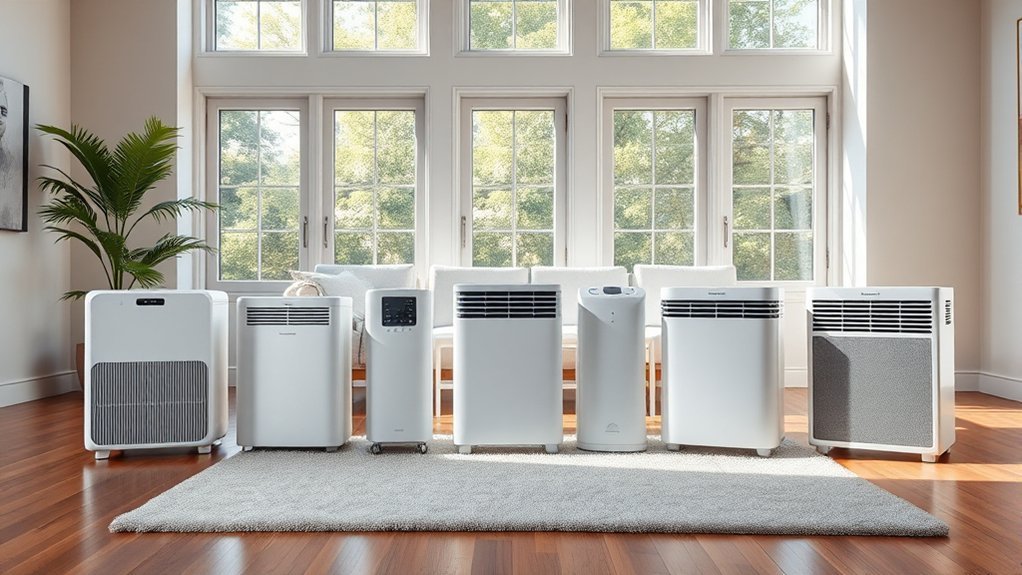
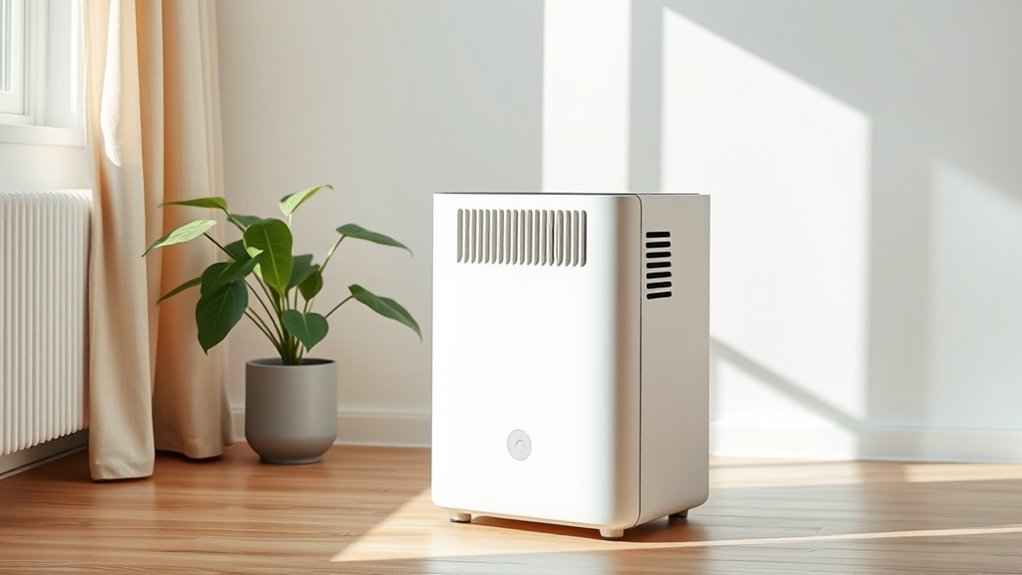
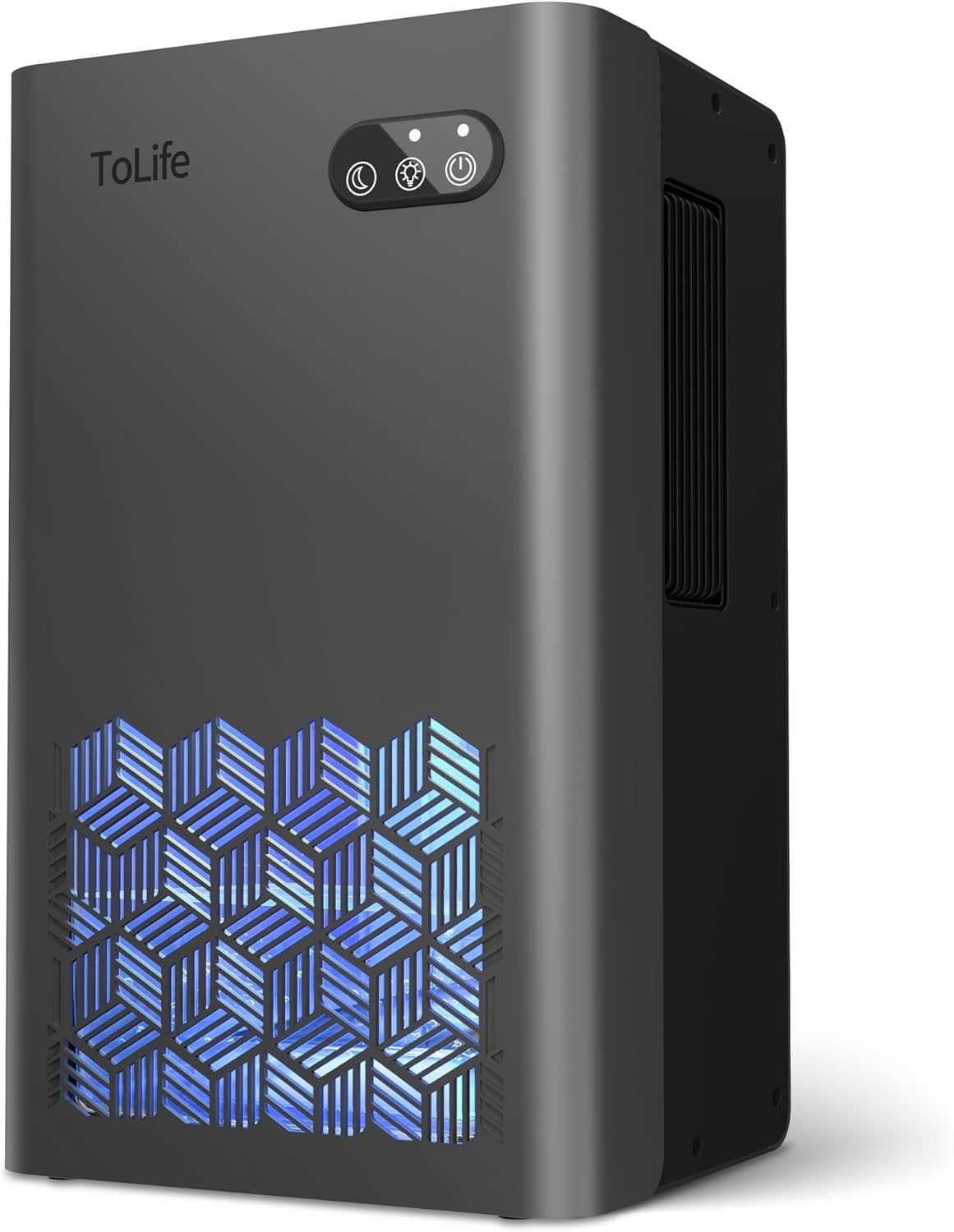
Choosing an electric dehumidifier for a UK home is not only about tank size or an advertised room-coverage figure. A useful model should match the room temperature, severity of the moisture problem, extraction rate in litres per day, noise tolerance, drainage setup, and the way the space is used.
Electrical compatibility comes first. Look for a model intended for the UK market, with a rating label that includes the UK’s nominal 230V, 50Hz supply or a compatible 220–240V, 50Hz input range, plus a suitable fused UK three-pin plug. Imported marketplace listings can be difficult to assess when the plug, voltage, frequency, warranty, seller details, or test conditions are unclear.
Important UK buying note: Check the rating label on the appliance or its supplied power adaptor before ordering.
A travel plug adaptor changes the plug shape only; it does not convert voltage or frequency. For additional guidance, see Electrical Safety First’s travel-adaptor advice.
Quick Verdict
Best buying approach: Choose a UK-compatible model first, then match the dehumidifier type and extraction rate to the room.
- For heated bedrooms, living rooms, and utility rooms: a compressor model is usually the practical starting point.
- For cold garages, conservatories, boats, or unheated rooms: compare low-temperature performance and consider a desiccant model.
- For wardrobes, cupboards, or very small enclosed spaces: a compact Peltier unit may help with light moisture, but it is not a whole-room substitute.
- For indoor laundry: prioritise strong airflow, a laundry mode, an adjustable humidistat, and continuous drainage.
What a Dehumidifier Can and Cannot Fix
A dehumidifier can help manage moisture from condensation, showering, cooking, and indoor clothes drying. It can also support ventilation and heating by lowering the amount of water vapour in the air.
However, it does not repair a leaking pipe, damaged roof, penetrating damp, rising damp, failed damp-proofing, or inadequate building ventilation. If damp patches remain in one place, walls feel wet, plaster is crumbling, or water is entering the property, identify and repair the underlying cause instead of relying only on an appliance.
Practical rule: Use a dehumidifier as part of moisture control, not as a replacement for repairs, extractor fans, suitable heating, or regular ventilation.
Before You Buy: UK Compatibility Checklist
- Rating label: Look for 230V or a compatible 220–240V input range and 50Hz on the appliance or supplied power adaptor.
- Plug: Prefer a properly fitted, fused UK Type G three-pin plug rather than relying on a travel adaptor.
- Seller details: Buy from the manufacturer, an authorised seller, or a reputable UK retailer that clearly identifies the exact model.
- Instructions and markings: Check for clear safety information, manufacturer or importer details, operating limits, and appropriate product markings.
- Warranty: Confirm that returns, service support, replacement filters, and spare parts are available in the UK.
- Capacity standard: Compare litres per day at stated temperature and humidity test conditions instead of relying only on square-foot claims.
- Recall check: Search the exact brand and model on the UK product safety alerts, reports and recalls database.
Safety note: Do not connect a 110–120V-only dehumidifier directly to a UK socket. A plug adaptor does not make an appliance compatible with UK mains electricity. If the rating label is unclear, obtain written confirmation from the manufacturer before use.
Electric Dehumidifier Types Compared
| Type | Best For | Main Strength | Main Limitation |
|---|---|---|---|
| Compressor | Heated bedrooms, living rooms, utility rooms, and general home use | Strong everyday extraction with widely available humidistat, timer, and drainage features | Performance usually falls in colder rooms, and automatic defrosting may pause extraction |
| Desiccant | Garages, conservatories, boats, and consistently cool or unheated spaces | More dependable low-temperature moisture removal | Can use more power per hour and may release noticeably warmer air |
| Peltier or semiconductor | Wardrobes, cupboards, caravans, and very small enclosed areas with light moisture | Compact, simple, and usually quiet | Modest extraction; usually unsuitable for persistent damp, large rooms, or regular laundry drying |
Factors to Consider When Choosing an Electric Dehumidifier in the UK
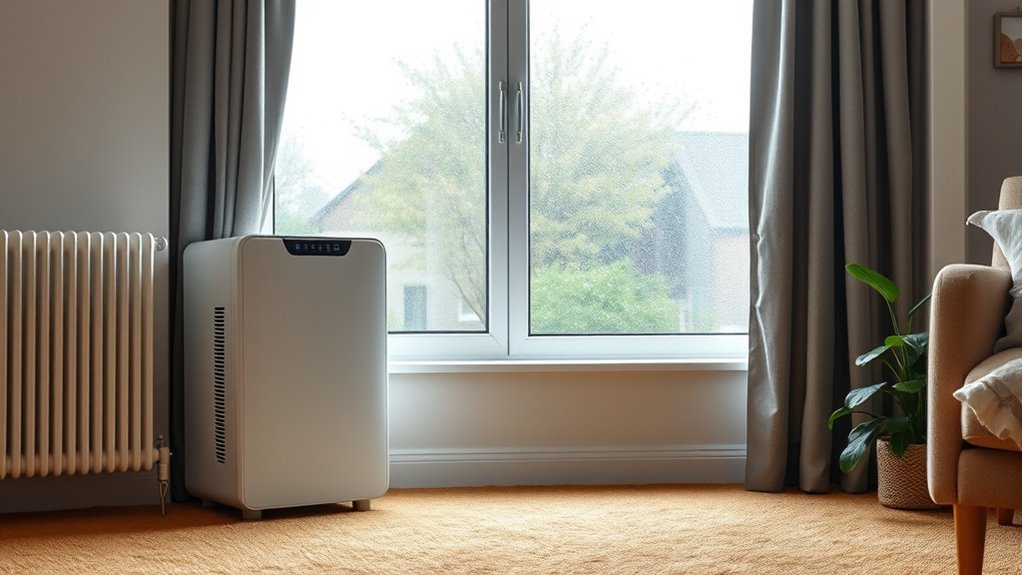
A useful dehumidifier should match the room, the level of damp, and the way you plan to drain it. Compare the following points in order rather than choosing by the largest advertised coverage figure.
Dehumidifier Type
Compressor dehumidifiers are usually the practical choice for heated bedrooms, living rooms, utility rooms, and basements. They commonly combine useful extraction with humidistats, timers, laundry modes, and hose drainage.
Desiccant dehumidifiers can be more suitable in cooler spaces because their performance is less dependent on warm room air. They may suit garages, conservatories, boats, or unheated rooms, although you should compare power use, noise, and outlet-air temperature.
Peltier or semiconductor dehumidifiers are small and quiet, but their extraction rate is normally modest. Treat them as light-duty moisture-control devices for wardrobes, cupboards, caravans, or very small rooms, not as replacements for full-size compressor or desiccant units.
Room Size and Layout
Coverage claims can be optimistic, especially when a listing quotes only square feet without explaining ceiling height, starting humidity, temperature, airflow, or whether doors are open. Use the manufacturer’s room-size guidance only as a starting point, then compare the extraction rate and the actual damp problem.
A closed bedroom with mild window condensation needs less capacity than an open-plan ground floor, a laundry room, or a persistently damp cellar. Open doors, poor ventilation, drying clothes, and outside-air leakage can all increase the workload.
Moisture Removal Rate
UK dehumidifiers are commonly compared in litres per day. This is the amount of water the appliance can remove under stated laboratory conditions, not the size of its tank. Check the temperature and relative humidity used for the headline figure because real extraction normally falls when the room is cooler or less humid.
For light condensation in one room, a lower extraction class may be sufficient. For recurring damp, indoor clothes drying, or several connected rooms, stronger extraction and airflow are usually more useful than a large collection tank alone.
Do not confuse these two figures:
- Litres per day describes moisture-removal capacity under stated conditions.
- Tank capacity describes how much collected water the container holds before it must be emptied.
Operating Temperature
Temperature has a major effect on performance. Compressor models can lose efficiency as the room gets colder and may pause for automatic defrosting. Check the stated operating range if the unit will be used in a garage, conservatory, cellar, holiday home, or other unheated area.
For a normally heated room, a compressor model is often appropriate. For a consistently cold space, compare desiccant options and the manufacturer’s low-temperature performance guidance.
Energy Use and Running Cost
Do not assume that the lowest-wattage model will remove moisture most economically. A small unit that runs continuously may remove less water per unit of electricity than a correctly sized model that reaches the target humidity and cycles off.
You can estimate running cost with this formula:
Power in kW × hours used × your electricity tariff per kWh = estimated running cost
Divide the appliance wattage by 1,000 to convert watts to kilowatts. Use your current tariff rather than a seller’s fixed cost claim. Automatic humidity control, a correctly sized unit, clean filters, closed windows, and sensible room heating can reduce unnecessary runtime.
Noise Level
For bedrooms and home offices, compare the decibel rating at the fan speed you are likely to use. A sleep mode may reduce fan noise, but it can also reduce airflow and moisture removal. Compressor cycling, cabinet vibration, and water movement can be more noticeable than the headline fan-noise figure suggests.
Place the unit on a firm, level surface with the clearance stated in the manual around its air inlet and outlet. Avoid pushing it against furniture, curtains, or a wall, which can increase noise and restrict airflow.
Tank and Drainage Options
A removable tank is convenient for occasional use, but it can fill quickly in a damp room. Automatic shut-off is important because it stops operation when the tank is full or incorrectly fitted.
For long daily runs, continuous hose drainage is usually easier. Check the hose diameter, connection type, required downward slope, drain position, and whether a hose is included. A built-in pump is useful only when the manufacturer clearly states the maximum lift height and pumping distance.
Humidistat and Controls
An adjustable humidistat lets the dehumidifier cycle on and off around your selected relative humidity. Around 50% RH can be a practical starting point for many homes, but the best setting depends on room temperature, condensation, comfort, the building, and the manufacturer’s guidance.
Useful controls include a timer, auto restart, child lock, filter reminder, laundry mode, fan-speed selection, and a clear humidity display. App control can be convenient, but it should not replace reliable automatic humidity control on the appliance itself.
Indoor Laundry Drying
A dehumidifier can shorten indoor drying time by removing moisture released from clothes. Use it in a closed room, keep the air inlet and outlet clear, and follow the manufacturer’s spacing instructions. Keep wet clothing away from the appliance and do not drape anything over it.
A laundry mode normally uses a higher fan speed and more aggressive moisture removal, so expect more noise and energy use than in normal humidity-control mode. Continuous drainage can reduce the need to empty the tank during a long drying session.
Maintenance and Long-Term Ownership
Choose a model with a washable or easily replaceable filter, an accessible tank, and clear drainage instructions. Clean or inspect the filter at the interval stated in the manual, check the hose for kinks or blockage, and wipe the tank regularly to control residue and odours.
Before buying, also check the warranty length, UK service contact, replacement-filter availability, and whether the seller is authorised. These ownership details often matter more than decorative lights or exaggerated coverage figures.
A Simple Buying Decision
- Identify the moisture source. Fix leaks or building defects first; use a dehumidifier mainly for airborne moisture and condensation control.
- Check the room temperature. Choose compressor for most heated rooms or compare desiccant models for consistently cold areas.
- Assess the workload. Consider room size, starting humidity, laundry drying, connected rooms, and ventilation.
- Compare extraction, not tank size. Review litres per day and the stated test conditions.
- Plan drainage. Decide whether you can empty the tank easily or need a gravity hose or built-in pump.
- Check ownership details. Confirm noise, filter access, warranty, seller identity, spare parts, and current product-safety notices.
Claims to Treat Carefully
- “Up to” extraction figures: These may be measured in warmer and more humid conditions than a typical UK room.
- Very large coverage from a tiny unit: A compact Peltier model may reduce moisture locally without controlling a whole large room.
- Exact daily running-cost promises: Cost depends on wattage, runtime, tariff, humidity, temperature, and selected mode.
- “Whisper quiet” without a decibel figure: Look for measured noise information and check whether it applies to low or high fan speed.
- Energy labels or certifications from another market: These do not by themselves confirm UK voltage, plug compatibility, warranty support, or safe installation.
- Claims that a dehumidifier “cures damp”: It may help with condensation, but it cannot repair leaks, penetrating damp, rising damp, or structural defects.
Frequently Asked Questions
Can I Use a US Dehumidifier in the UK?
Do not plug a 110–120V-only appliance directly into a UK socket. A travel adaptor changes only the plug shape. Buy a UK-market model or obtain written confirmation from the manufacturer that the exact appliance and power supply support the UK’s 230V, 50Hz supply with a suitable plug and safe installation instructions.
What Size Dehumidifier Do I Need?
Match the litres-per-day rating to the room size, temperature, ventilation, and severity of the moisture problem. A bedroom with light condensation needs less extraction than a utility room used for clothes drying or a persistently damp open-plan area. Prioritise a realistic extraction rating, stated test conditions, and an adjustable humidistat over a broad coverage claim.
Does a Bigger Tank Mean a More Powerful Dehumidifier?
No. Tank size tells you how much water the container can hold. Moisture-removal capacity is shown separately in litres per day. A powerful unit may still have a modest tank and therefore need frequent emptying unless continuous drainage is used.
How Often Should I Clean a Dehumidifier Filter?
Follow the manual for your exact model. During regular use, inspect the filter often enough to prevent visible dust build-up, and clean it more frequently in dusty rooms or homes with pets. Allow a washable filter to dry fully before refitting it.
Are Dehumidifiers Safe to Run Overnight in Bedrooms?
A correctly specified and well-maintained model can normally be used overnight when the manufacturer permits it. Keep it upright on a stable surface, maintain the required clearance around the vents, keep fabrics away from the appliance, and use automatic shut-off or continuous drainage exactly as instructed.
Can I Use a Dehumidifier With Indoor Clothes Drying?
Yes. Run it in a closed room with safe airflow around both the clothes and the appliance. A laundry mode can speed drying, while continuous drainage reduces the need to empty the tank during a long cycle. Never place wet clothes on the unit or block its vents.
What Humidity Level Should I Aim For?
Around 50% relative humidity is a practical starting point for many homes. Adjust the setting if condensation continues or the air feels uncomfortably dry, and compare rooms with a separate hygrometer if needed. Persistent damp may indicate a repair or ventilation problem rather than an appliance-sizing issue.
Is a Peltier Dehumidifier Enough for a Bedroom?
It may help in a small, warm room with mild moisture, but it is usually not the best choice for persistent damp, heavy condensation, or regular laundry drying. Check the litres-per-day figure and consider a compressor or desiccant model when stronger extraction is needed.
Final Recommendation
Choose compatibility and use case before capacity. A trustworthy UK dehumidifier listing should clearly state the voltage and frequency, suitable plug, extraction rate in litres per day with test conditions, operating-temperature range, noise level, drainage options, seller details, and UK warranty support.
Choose a compressor model for most heated rooms, compare desiccant models for colder spaces, and use a compact Peltier unit only for light-duty moisture control in small enclosed areas. Fix leaks or structural damp first, and check the exact model against current UK product-safety notices before ordering.