Affiliate disclosure: This article contains Amazon affiliate links. If you buy through a qualifying link, we may earn a commission at no extra cost to you.
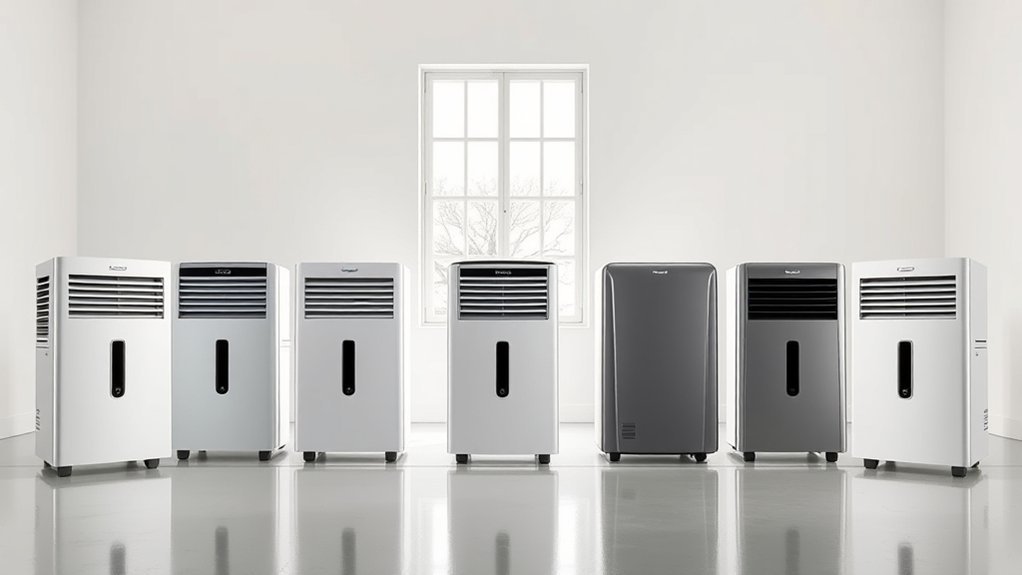
The best plug-in dehumidifier depends on the size of your space and how serious the moisture problem is. Compact semiconductor models are useful for bedrooms, bathrooms, closets, and RVs with mild humidity, while compressor dehumidifiers are the better choice for basements, laundry rooms, and larger areas. This guide compares six electric dehumidifiers that match those use cases, including quiet small-room options and larger models with continuous drainage.
Quick verdict: Choose the TABYIK 35 oz model for a simple bedroom or bathroom unit, the NeedDuck 44 oz model for extra timer and mode controls, the VEAGASO for a medium-to-large room with drain-hose convenience, or the Waykar for the largest and dampest spaces in this roundup.
Important: Small semiconductor dehumidifiers are designed for mild moisture control. They are not substitutes for a full-size compressor unit when you have persistent condensation, a wet basement, water intrusion, or visible mold.
Quick Comparison
| Product | Best For | Key Capacity Claim | Drainage | Amazon |
|---|---|---|---|---|
| Small Portable Dehumidifier | Closets, bathrooms, RVs, and small bedrooms | 42 oz tank | Manual tank | Check Price |
| TABYIK 35 oz Dehumidifier | Quiet bedroom use and small rooms | Up to 16 oz/day; marketed for up to 280 sq. ft. | Manual tank | Check Price |
| NeedDuck 44 oz Dehumidifier | Buyers who want timers and operating modes | 44 oz tank; marketed for up to 215 sq. ft. | Manual tank | Check Price |
| VEAGASO 34-Pint Dehumidifier | Basements and medium-to-large rooms | Up to 34 pints/day; marketed for up to 2,500 sq. ft. | Tank or continuous hose | Check Price |
| Waykar YDZ-120 Dehumidifier | Large basements and high-moisture spaces | Up to 120 pints/day at 95°F and 90% RH; marketed for up to 6,000 sq. ft. | Tank or continuous drain | Check Price |
| ToLife 95 oz Dehumidifier | Small rooms where a larger tank is preferred | 95 oz tank; marketed for up to 1,000 sq. ft. | Manual tank | Check Price |
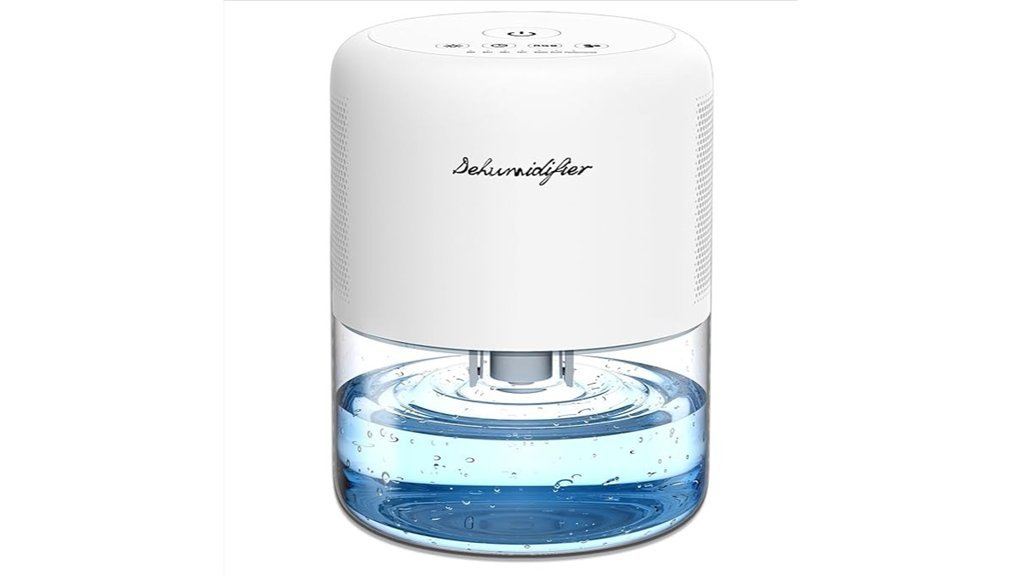
Small Portable Dehumidifier with Auto Shut Off
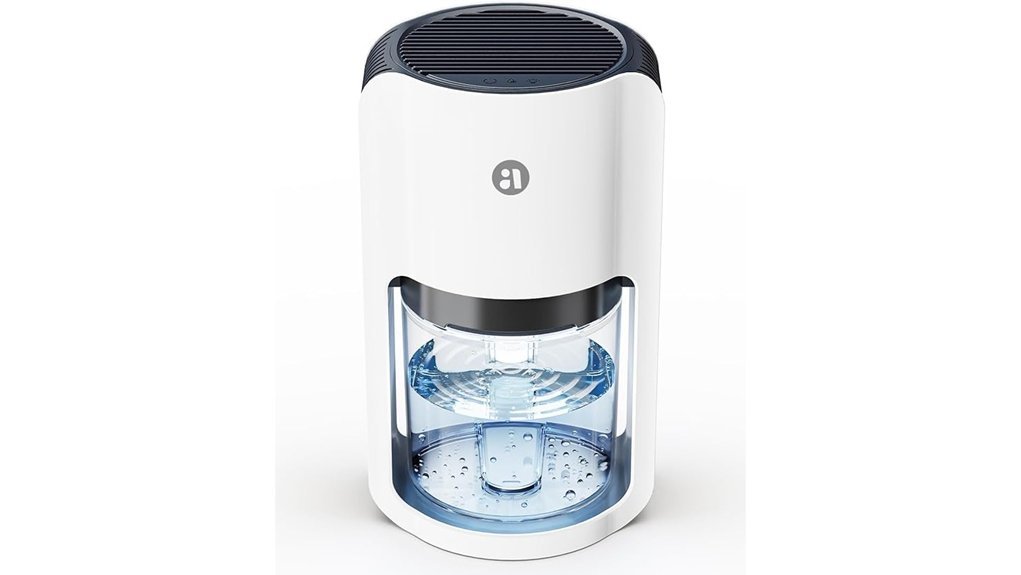
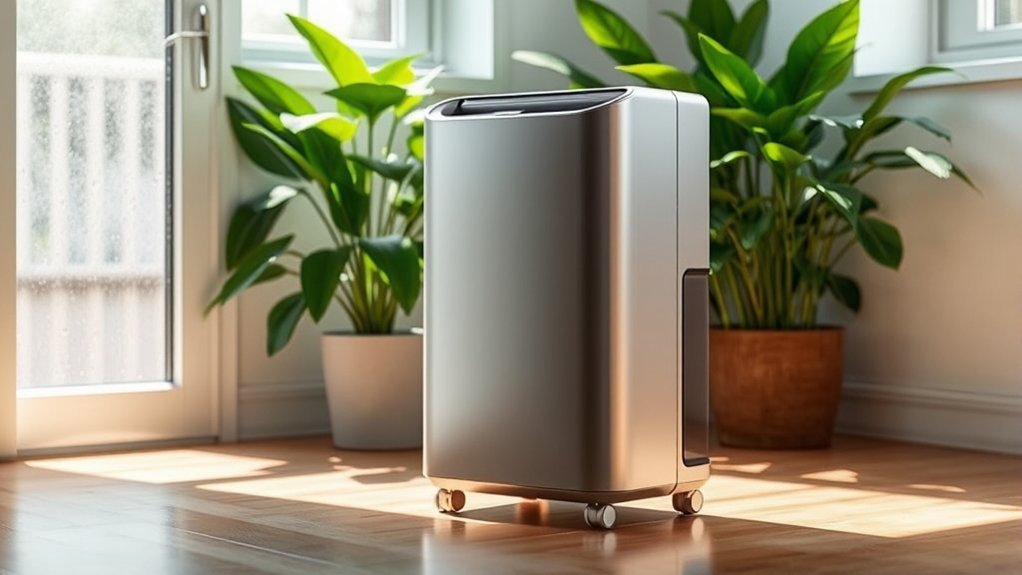
Best Compact Pick: This small electric dehumidifier is designed for mild humidity in tight spaces where a full-size compressor unit would be unnecessary. Its 42 oz tank, built-in handle, automatic shut-off, and seven-color night light make it a practical option for a closet, bathroom, RV, office, or small bedroom.
Why You’ll Like It: The compact body is easy to relocate, and the automatic shut-off helps prevent tank overflow when the reservoir fills. It is also a better fit for occasional moisture and musty conditions than for serious dampness.
Best For: Buyers who want a simple portable unit for a small enclosed space.
Who Should Avoid It: Anyone dealing with a wet basement, active leaks, visible mold, or high humidity across a large room.
Pros:
- Compact 42 oz tank design for small spaces.
- Portable body with a built-in handle.
- Automatic shut-off helps reduce overflow risk.
Cons:
- Not intended for heavy-duty moisture removal.
- The tank must be emptied manually.
- Small semiconductor units generally lose effectiveness in cooler conditions.
TABYIK Dehumidifier for Bedroom and Small Spaces
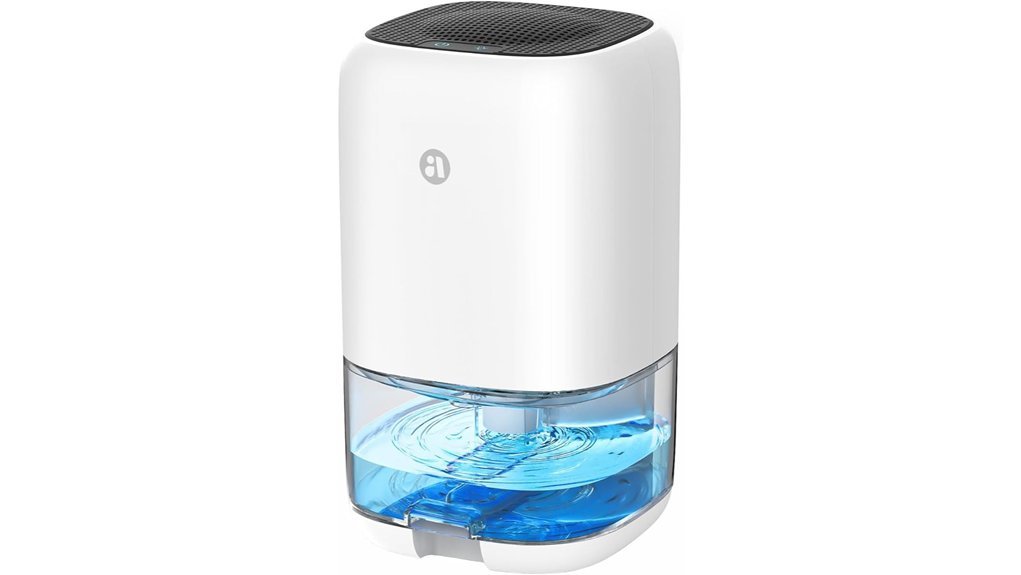
Best for Bedrooms: The TABYIK 35 oz dehumidifier is a compact option for a bedroom, bathroom, closet, or RV. The manufacturer advertises moisture collection of up to 16 oz per day under favorable conditions and coverage up to 280 sq. ft. Its transparent tank makes the water level easy to see, while automatic shut-off helps prevent overflow.
Why You’ll Like It: The low-noise design and seven-color ambient light suit bedside use. It also uses much less electricity than a compressor dehumidifier, although it removes far less moisture.
Best For: Mild humidity in small, warm rooms where quiet operation matters.
Who Should Avoid It: Buyers who need fast moisture removal, precise humidity control, or continuous drainage.
Pros:
- Quiet operation is suitable for bedrooms and offices.
- Transparent 35 oz tank is easy to monitor.
- Automatic shut-off protects against overflow when the tank fills.
Cons:
- Up to 16 oz per day is modest compared with compressor models.
- The ambient light may need to be turned off for dark-room sleepers.
- Frequent emptying may be necessary in humid conditions.
NeedDuck Portable Quiet Dehumidifier with 44 oz Water Tank
Best Controls in a Compact Model: The NeedDuck dehumidifier combines a 44 oz tank with three operating modes, four timer choices, automatic defrost, automatic shut-off, and a 10-color light. It is marketed for spaces up to 215 sq. ft., making it most appropriate for bedrooms, bathrooms, closets, and RVs with mild moisture.
Why You’ll Like It: The timer and mode options provide more control than basic one-button mini dehumidifiers. Its light weight also makes it easy to move between small rooms.
Best For: Buyers who want a portable small-room unit with customizable controls.
Who Should Avoid It: Anyone who needs a humidistat, drain hose, or compressor-level moisture removal.
Pros:
- Multiple modes and timer settings support flexible use.
- Automatic shut-off helps prevent tank spills.
- Compact design is easy to move and store.
Cons:
- Coverage is limited compared with full-size dehumidifiers.
- The 44 oz tank still requires manual emptying.
- Decorative lighting may not appeal to every buyer.
VEAGASO 2,500 Sq. Ft. Dehumidifier with Drain Hose
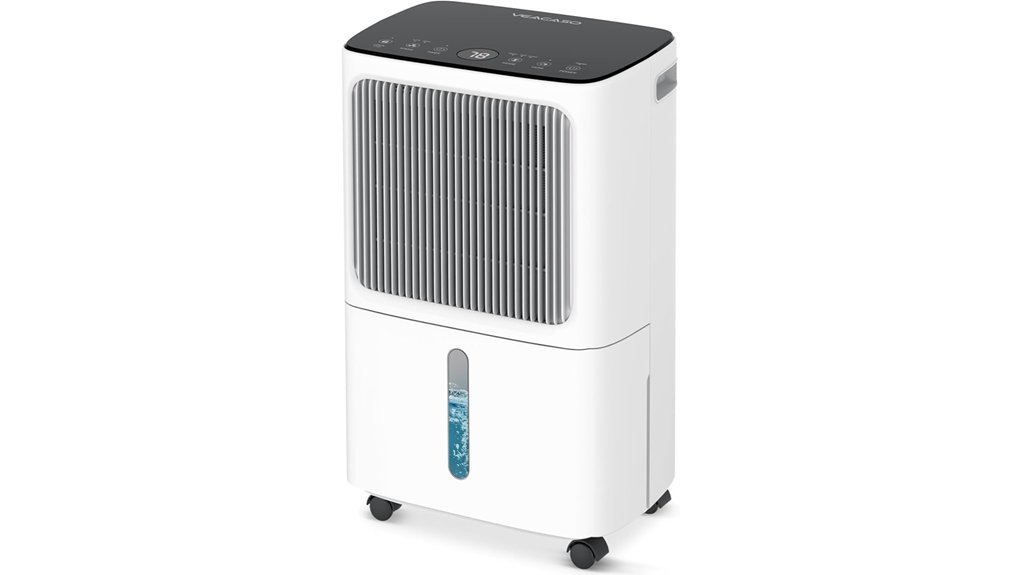
Best for Basements: The VEAGASO is a compressor dehumidifier rated by the manufacturer to remove up to 34 pints per day and cover spaces up to 2,500 sq. ft. It offers dehumidify, clothes-dry, and continuous modes, plus adjustable humidity controls, a 24-hour timer, a reusable filter, and a drain-hose option.
Why You’ll Like It: Continuous drainage reduces the need to carry and empty the 0.53-gallon bucket. Casters and an integrated handle make the heavier compressor design easier to move than a fixed basement unit.
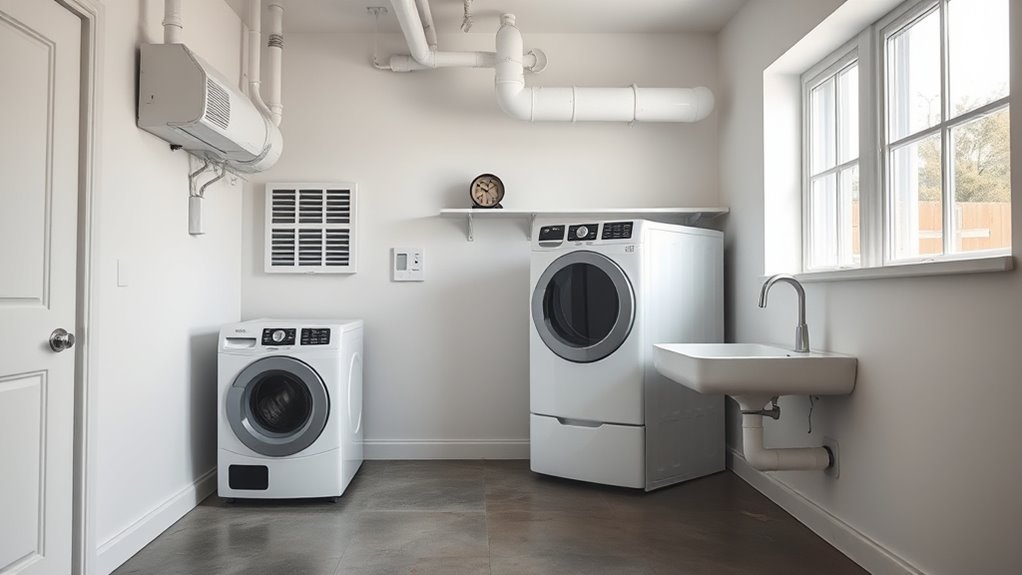
Best For: Basements, laundry rooms, and medium-to-large rooms with ongoing humidity.
Who Should Avoid It: Buyers who only need a tiny countertop unit for a closet or RV.
Pros:
- Higher moisture-removal capacity than compact semiconductor models.
- Continuous drainage option supports unattended use near a suitable drain.
- Three modes, timer controls, casters, and a washable filter improve convenience.
Cons:
- The 0.53-gallon bucket can fill quickly if the drain hose is not used.
- A compressor model is larger and heavier than a mini unit.
- Coverage claims depend on room conditions, temperature, and moisture load.
Waykar YDZ-120 Energy Star Home Dehumidifier
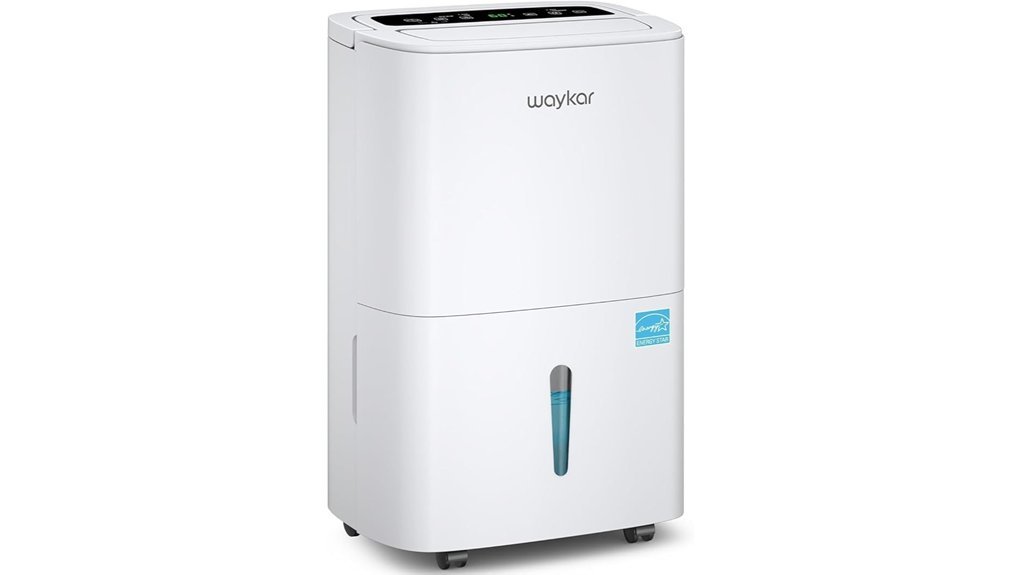
Best for Large Spaces: The Waykar YDZ-120 is marketed for areas up to 6,000 sq. ft. and advertises maximum removal of up to 120 pints per day at 95°F and 90% relative humidity. Because that is a high-temperature, high-humidity test condition, compare its standardized rating and Energy Star listing with other models before treating the 120-pint figure as a direct apples-to-apples comparison.
Why You’ll Like It: This model is designed for larger, wetter spaces and includes adjustable humidity controls, a digital touch panel, a timer, automatic defrost, a removable filter, casters, and a continuous-drain option.
Best For: Large basements, storage areas, garages, and living spaces with substantial humidity.
Who Should Avoid It: Buyers with a small bedroom or closet who do not need a large compressor unit.
Pros:
- Strong advertised moisture-removal capacity for large spaces.
- Energy Star certification supports better efficiency than comparable non-certified models.
- Continuous drainage and casters improve daily usability.
Cons:
- The 120-pint claim uses 95°F and 90% RH conditions, so real-world output may be lower.
- It takes more floor space than compact units.
- The bucket and filter still require routine cleaning and maintenance.
ToLife Dehumidifier for Home with LED Light
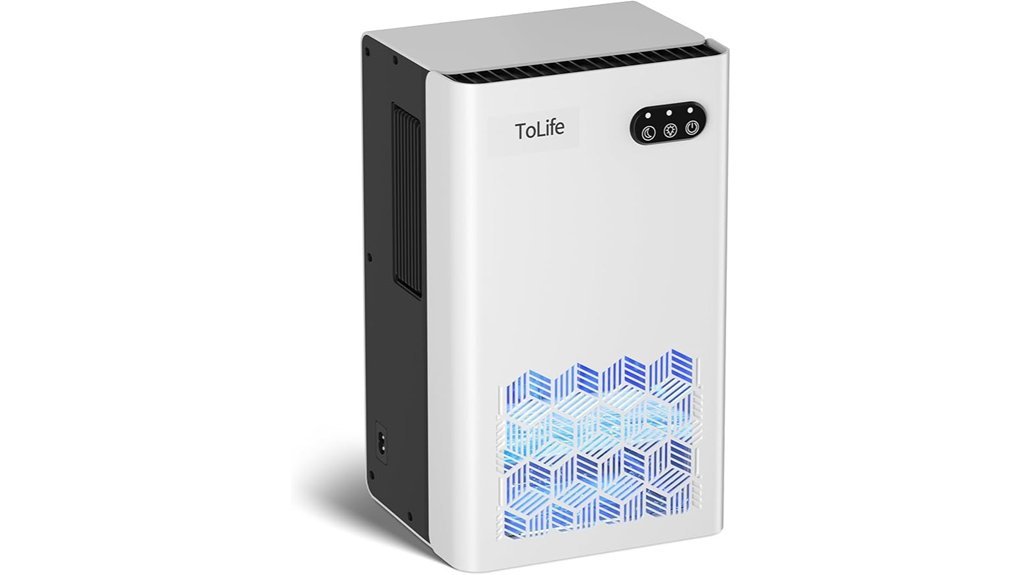
Best Large-Tank Compact Pick: The ToLife TZ-C2 pairs semiconductor condensation technology with a 95 oz water tank, two operating speeds, sleep mode, automatic shut-off, and seven-color lighting. Although it is marketed for spaces up to 1,000 sq. ft., buyers should focus on its actual daily moisture-removal rate and room conditions rather than the coverage number alone.
Why You’ll Like It: The larger tank may require less frequent emptying than 35–44 oz mini models, and sleep mode is useful in a bedroom. The tradeoff is that semiconductor technology is still less powerful than a compressor dehumidifier.
Best For: Small warm rooms where a quiet unit and larger reservoir are more important than rapid extraction.
Who Should Avoid It: Buyers expecting basement-level performance across a full 1,000 sq. ft. area.
Pros:
- Large 95 oz reservoir for a compact semiconductor model.
- Sleep mode and two speeds support quieter nighttime use.
- Automatic shut-off helps reduce overflow risk.
Cons:
- The advertised 1,000 sq. ft. coverage should not be treated as a guarantee of whole-room performance.
- No continuous drain hose is listed.
- Performance may decline in cool rooms or severe humidity.
Factors to Consider When Choosing a Plug-in Dehumidifier
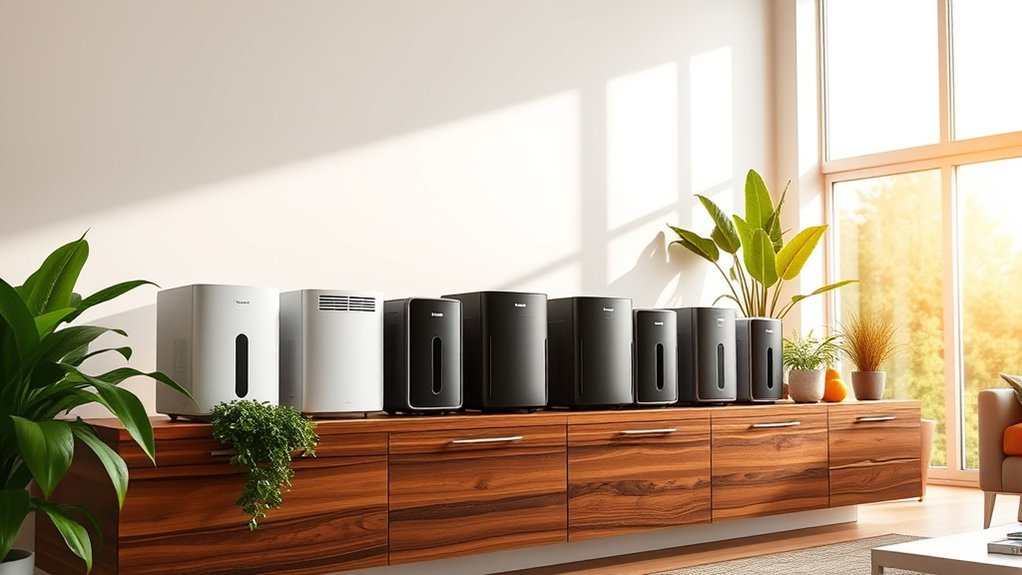
The most useful comparison is not simply the largest advertised square-foot number. Consider the dehumidifier’s technology, tested moisture-removal rate, drainage method, noise, operating temperature, controls, and the actual dampness of your room.
Choose the Right Dehumidifier Type
Semiconductor or Peltier models are compact and quiet, but their daily extraction is usually measured in ounces. They are best for mild moisture in warm, enclosed spaces. Compressor models remove much more water and are the better choice for basements, laundry rooms, and persistent humidity, but they are larger, heavier, and usually louder.
Compare Moisture Removal, Not Only Room Size
Square-foot coverage is a marketing guide, not a universal performance standard. Compare the stated pints or ounces removed per day and check the temperature and relative-humidity conditions used for that rating. A small dehumidifier may be advertised for a large area but still collect only a modest amount of water each day.
Tank Size and Drainage Matter
A larger tank can reduce emptying frequency, but it does not automatically mean the unit removes more moisture. For continuous use in a basement, a drain hose is often more important than bucket size. Confirm that a gravity hose can run downhill to a floor drain, sink, or condensate outlet without kinks.
Energy Efficiency Ratings
For compressor dehumidifiers, look for a current ENERGY STAR certification. ENERGY STAR states that a certified dehumidifier removes the same amount of moisture as a similarly sized conventional unit while using about 13% less energy. Do not assume a compact semiconductor model is Energy Star certified simply because it uses low wattage.
Noise Level Considerations
Noise matters most in bedrooms, nurseries, and home offices. Small semiconductor units generally avoid compressor vibration, while full-size models provide greater extraction but produce fan and compressor noise. Sleep modes, lower fan settings, and dimmable lights can make nighttime use more comfortable.
Safety Features and Placement
Look for automatic shut-off when the tank fills, overheat protection, a stable base, and recognized electrical-safety certification where listed. Keep air inlets and outlets clear, place the unit on a level surface, and never operate it where the cord or plug can contact standing water. Follow the manufacturer’s minimum clearance and temperature guidance.
Before You Buy Checklist
- Measure the room and note whether the problem is mild humidity, condensation, or active water intrusion.
- Use a hygrometer instead of guessing the relative humidity.
- Choose compressor capacity for persistent dampness or a basement.
- Confirm whether you can use continuous drainage.
- Check the operating-temperature range for cool spaces.
- Review tank access, filter cleaning, noise, timer, and humidistat controls.
- Verify the current model, warranty, certification, and included drain hose on the product page before ordering.
Frequently Asked Questions
How Do I Maintain My Plug-In Dehumidifier?
Empty and rinse the tank regularly, clean the reusable filter on the manufacturer’s schedule, wipe dust from the intake and exhaust vents, and inspect the drain hose for kinks or buildup. Unplug the unit before cleaning and allow all parts to dry before reassembly.
Can Dehumidifiers Help With Allergies?
A dehumidifier is not an air purifier or medical treatment, but controlling excess moisture can make indoor conditions less favorable for mold and dust mites. The U.S. EPA generally recommends keeping indoor relative humidity between 30% and 50%. People with persistent allergy or asthma symptoms should seek medical guidance.
What Is the Ideal Humidity Level for Homes?
A practical target is about 30% to 50% relative humidity. Use a separate hygrometer to monitor the room, because many mini dehumidifiers do not include a precise built-in humidistat.
Are Dehumidifiers Energy-Efficient?
Efficiency varies by technology and capacity. Small semiconductor units draw little power but remove relatively little water. Full-size Energy Star compressor models use more electricity per hour but can remove far more moisture and may be the more effective choice for a damp room.
How Often Should I Empty the Water Tank?
Empty it whenever the full-tank indicator activates or before the water reaches the maximum line. In humid weather that may be daily; in mild conditions it may take several days. A continuous drain can reduce this task when the installation allows proper gravity flow.
Why Is My Small Dehumidifier Not Collecting Much Water?
Common reasons include cool room temperatures, low starting humidity, blocked airflow, an oversized or open room, and unrealistic expectations for semiconductor technology. Close doors and windows, keep vents clear, and compare the unit’s actual daily extraction rating with your moisture problem.
Conclusion
For a bedroom, bathroom, closet, or RV with mild humidity, the TABYIK and NeedDuck models offer compact, quiet moisture control, while the 42 oz portable unit is a simple choice for tight spaces. The ToLife model is worth considering when you prefer a larger reservoir in a compact format. For persistent dampness, the VEAGASO provides a stronger compressor system with continuous drainage, and the Waykar is the better fit for the largest spaces in this roundup. Match the unit to the moisture load—not just the advertised square footage—and use a hygrometer to confirm whether it is actually maintaining a comfortable 30% to 50% relative humidity.