
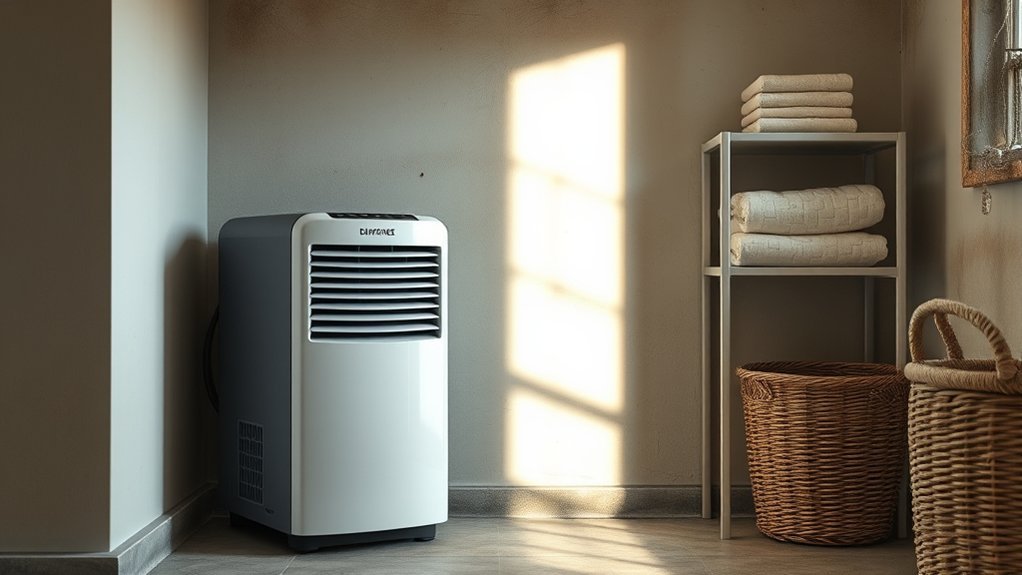
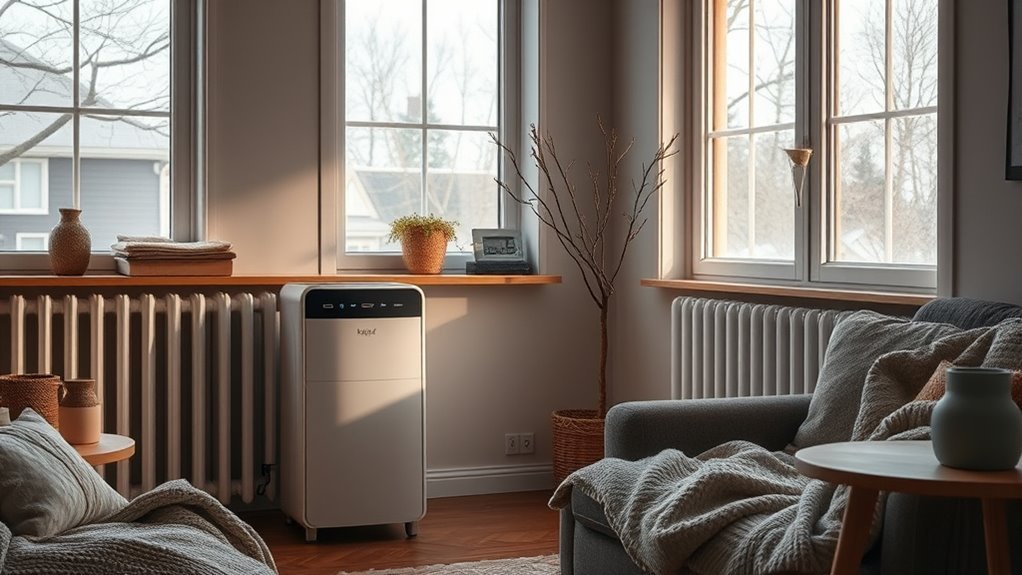
Does a dehumidifier help with musty smells? Yes, when excess moisture is the cause. Musty odor usually comes from damp air, wet materials, mold, mildew or dirty HVAC parts, and lowering humidity makes your home less friendly to mold and mildew.
It will not fix an active leak, contaminated carpet, moldy drywall or a clogged air-conditioner drain on its own. The EPA recommends keeping indoor humidity below 60%, ideally between 30% and 50%.
Quick Answer
- A dehumidifier helps musty odor by removing moisture, not by directly “killing” smells.
- Use a hygrometer and keep relative humidity below 60%, with 30% to 50% as the usual target.
- If anything stayed wet for more than 24 to 48 hours, clean, dry or remove it quickly to reduce mold risk.
- Size the unit by room size and dampness, using its pints-per-24-hours rating.
- Call a professional when mold is widespread, hidden in walls or HVAC, caused by flooding, or affecting someone with asthma, lung disease or a weakened immune system.
Does a Dehumidifier Help With Musty Smells?
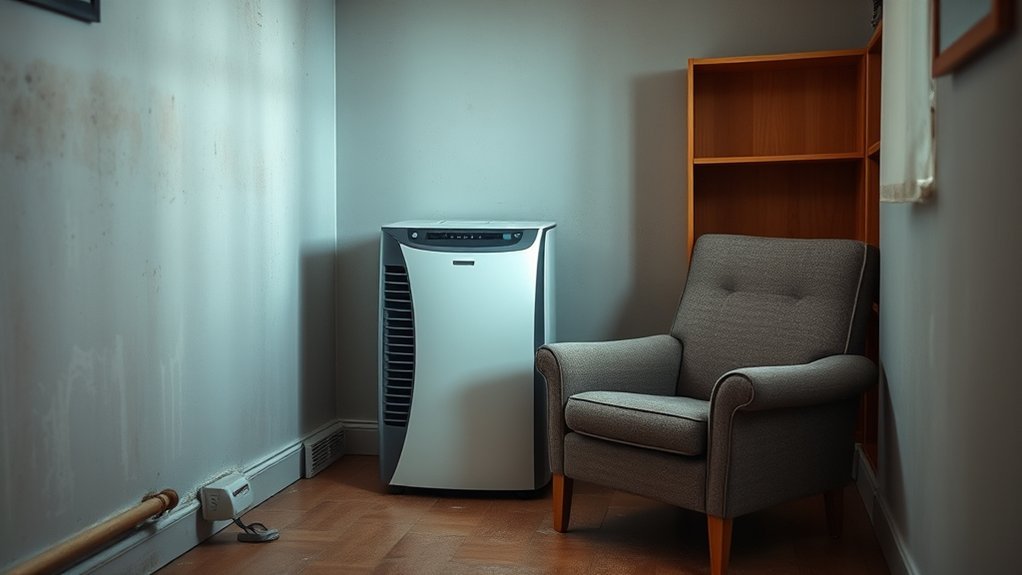
A dehumidifier does not perfume the room or remove every odor molecule. It dries the air so damp surfaces, fabrics and building materials can dry out. If the smell comes from a humid basement, closed bathroom, laundry room or closet, a properly sized unit can make a noticeable difference.
But moisture control is only one part of the fix. With an active leak, wet carpet pad, moldy drywall, dirty HVAC coil or standing water, the smell can return even while the unit runs. The best result comes from four steps: fix the water source, dry the air, clean contaminated surfaces and keep humidity stable.
For a broader look at home odors, including drains, smoke and pets, see our guide on whether a dehumidifier helps with odor in your home.
What Causes Musty Smells in Your Home?
Musty smells usually start when moisture builds up and stays trapped. It can come from high outdoor humidity, poor ventilation, condensation, plumbing or roof leaks, foundation seepage, wet fabrics or HVAC problems.
Once moisture sits long enough, mold and mildew can grow on drywall, wood, grout, carpet, cardboard, clothing and dust. You may smell the problem before you see it, because hidden moisture behind walls, under flooring, in closets or inside AC equipment can produce stale, earthy air in a room that looks clean.
| Area | Common moisture source | Odor risk |
|---|---|---|
| Basement | Foundation seepage, cool surfaces, poor airflow | Persistent mold and mildew smell |
| Bathroom | Steam, damp towels, weak exhaust fan | Mildew on grout, walls and ceilings |
| Kitchen | Sink or dishwasher leaks, spills | Odor under cabinets or near appliances |
| Closet | No airflow, damp shoes, exterior wall condensation | Musty clothes and stored fabrics |
Check humidity at the worst time of day, such as after showers, laundry, cooking or a rainy night. A room that looks fine at noon can become damp enough to smell musty by morning.
Mold and mildew
Mildew often appears as flat white, gray or powdery patches. Mold may look fuzzy, spotted, green, black, brown or white depending on the material. The CDC/NIOSH states that excess moisture is generally the major cause of indoor mold growth.
After water intrusion, the EPA recommends drying water-damaged areas and items within 24 to 48 hours to help prevent mold growth. For mold-specific advice, see whether a dehumidifier helps with mold and mildew.
Hidden odor sources
Check basements, attics, bathrooms, under sinks, around toilets, behind washing machines, under refrigerators, near window frames and along exterior walls. Look for staining, bubbling paint, warped flooring, rust, damp insulation or a smell that gets stronger in one corner.
Signs You Need a Dehumidifier
You likely need one if a room smells musty, feels clammy or stays humid after normal ventilation. A hygrometer gives the clearest answer: if relative humidity stays above 60%, a dehumidifier can help bring the room back into range.
| Sign | What it usually means | What to do |
|---|---|---|
| Musty odors | Humidity, mildew, damp materials or hidden mold | Measure humidity and inspect for moisture sources |
| Water stains | Leak, seepage or past water intrusion | Fix the water source before relying on a dehumidifier |
| Window condensation | High humidity or cold-surface condensation | Improve airflow and lower indoor humidity |
| Mildew spots | Surfaces staying wet too long | Clean the surface and reduce humidity |
| Clammy fabrics | Damp air soaking into textiles | Wash, dry and store fabrics with better airflow |
In apartments, shared ventilation and exterior walls can make moisture harder to control. A portable unit still helps in the affected room, but recurring dampness should be reported to the landlord or property manager if building leaks, roof issues or HVAC faults are suspected.
Recommended Products

Semiconductor dehumidifiers use thermoelectric cooling to remove moisture from the air. They create a drier, more comfortable environment by reducing humidity and improving air quality.

🍀 1657ML Larger Capacity: The water tank of this dehumidifier can hold of water at most 1657ml(58 OZ), you don’t need to pour water frequently and don’t worry about the water overflow or water leaking. Please read the instruction manual before using the product!

🍃Advanced Small Dehumidifier for Home: Designed for lasting home use, our bathroom dehumidifier works gently and steadily to maintain a balanced humidity level. The large 44 OZ (1.3L) water tank minimizes emptying frequency. Suitable for dorm room, camper, apartment, room, office and living room. No more dampness-just fresh, comfortable air everywhere
How to Use a Dehumidifier for Musty Smells
- Measure the humidity. Leave a hygrometer in the room for several hours. Above 60% means the air is too damp.
- Find the moisture source. Check for leaks, wet carpet, damp walls, clogged drains, condensation, wet laundry and HVAC issues.
- Fix active water problems first. A dehumidifier cannot keep up with a roof leak, pipe leak or standing water.
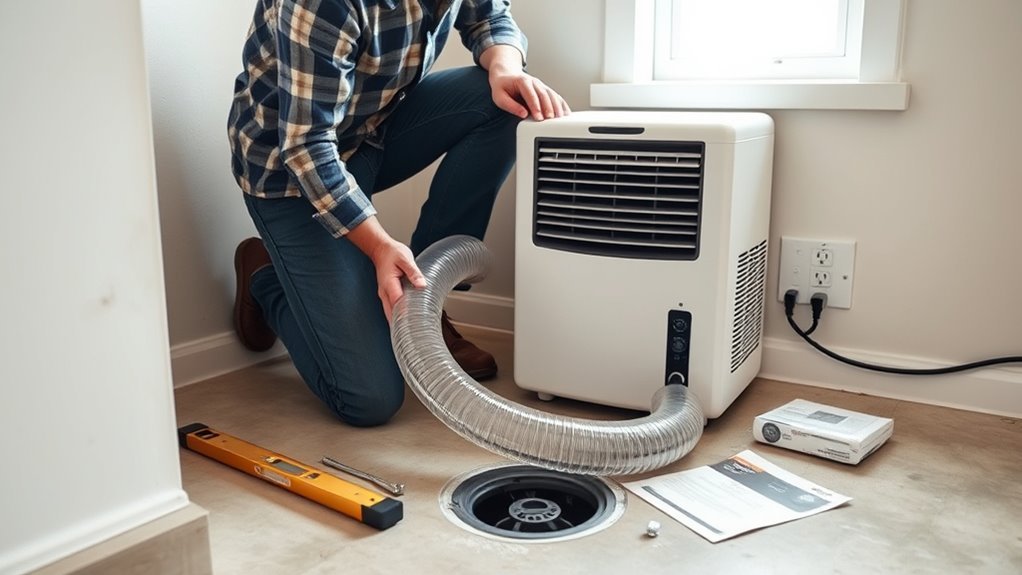
- Place the unit correctly. Use a level surface with space around the air intake and outlet.
- Close outside air paths. In humid weather, close windows and exterior doors while it runs so it is not drying endless outdoor air.
- Set the humidistat. Start around 45% to 50% relative humidity and avoid over-drying the room.
- Use continuous drainage if possible. A drain hose helps in basements and for long run times.
- Clean the tank and filter. A dirty dehumidifier can become its own odor source.
- Wash or remove smelly materials. Dry air helps, but damp rugs, towels, cardboard and upholstered items may need cleaning or disposal.
- Recheck after a few days. If humidity falls but the odor stays strong, look for hidden mold, HVAC problems, drains, pests or contaminated porous materials.
If the unit itself smells musty, unplug it, empty the tank, clean the filter and wash the reservoir according to the manual. Our guide on how to clean a dehumidifier walks through the steps.
Recommended Products
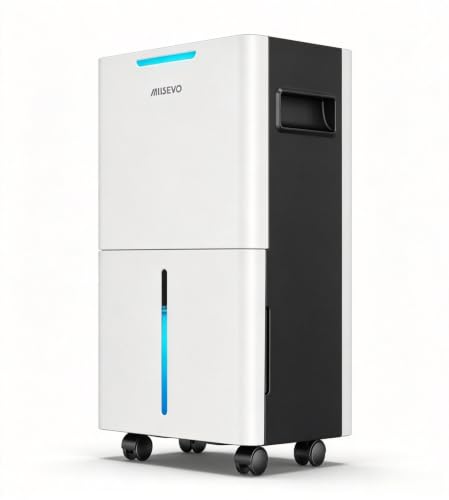
High Efficient Dehumidifier — Equipped with a high-performance compressor, Whether it’s your basement, bedroom, bathroom, living room, bathroom, crawlspace, or even an RV, this dehumidifier effectively keeps your environment dry, comfortable, and healthy.

DUAL SEMICONDUCTOR CONDENSER FOR EFFICIENCY: Powered by advanced dual Peltier tech, this dehumidifier for home boosts moisture extraction efficiency significantly. It efficiently collects up to 1.2L (40 oz) of excess water daily (at 86°F, 80% RH) to quickly relieve sticky air in rooms up to 1,000 sq.ft. Perfect for windowless bathrooms, damp basements, or compact laundry rooms, it target-treats persistent indoor dampness, providing your family with a dry, balanced, and comfortable living environment all day long

2500 Sq. Ft High-Efficiency Dehumidifier – The KNKA basement dehumidifier features a quiet, high-performance compressor that removes up to 34 pints of moisture per day (at 95°F, 90% RH). Ideal for basements, offices, bathrooms, bedrooms, kitchens, stockrooms, living rooms, laundry rooms, garages, crawlspaces, or RVs. It helps maintain optimal humidity between 50%–70% for healthier, more comfortable living
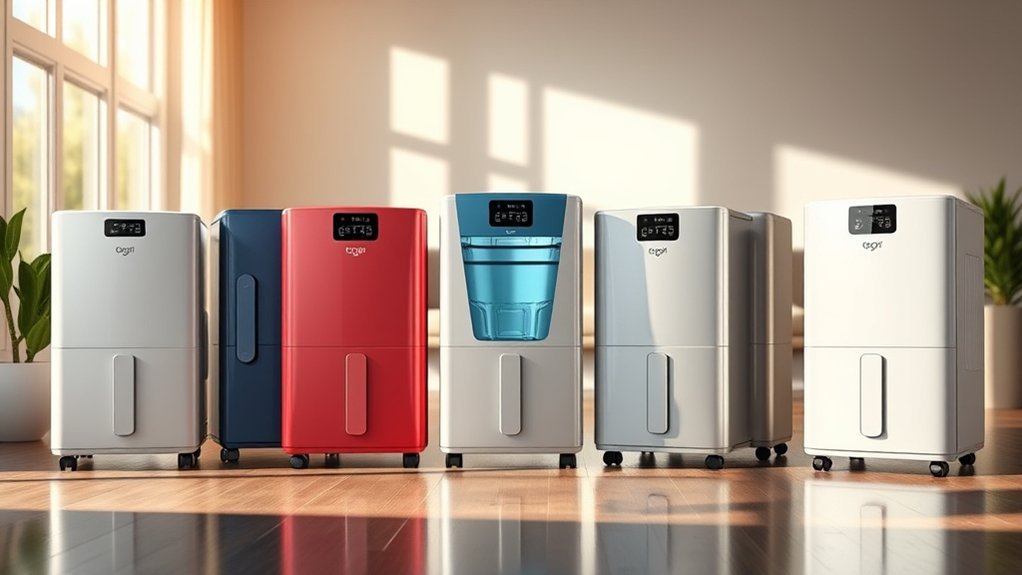
What Size Dehumidifier Do You Need?
ENERGY STAR explains that capacity is measured in pints per 24 hours and depends on the size of the space and how damp it is. It also advises that it is better to oversize than undersize.
ENERGY STAR’s ranges for portable units, by dampness:
| Dampness | What it looks like | Capacity guidance |
|---|---|---|
| Slightly to moderately damp | 50% to 75% humidity, occasional musty odor | About 20 to 30 pints/day for rooms under 2,000 sq ft |
| Very damp | 75% to 90% humidity, damp spots on walls and floors | About 25 to 40 pints/day for smaller rooms; more for larger |
| Wet | 90% to 100% humidity, sweating walls or floors, seepage | About 30 to 50 pints/day for smaller rooms; more for larger |
Always compare with the manufacturer’s coverage chart for your model. If the unit runs constantly but humidity stays high, it may be undersized, poorly placed, dirty, blocked or fighting an active moisture source. A bucket that fills very quickly is useful evidence of a real moisture load.
Recommended Products

120-Pint/Day Dehumidifier for Large Spaces Up to 6,000 Sq. Ft.: This powerful dehumidifier for basement removes 120 pints/day in humid conditions (95℉, 90% RH) and 90 pints/day in warm, damp environments (86℉, 80% RH). Ideal for spaces up to 6,000 sq. ft., including offices, bedrooms, kitchens, living rooms, garages, and RVs. The ENERGY STAR certified dehumidifier maintains humidity between 30%–80%, providing a wider range than most models, which typically range from 40%–80%.

【The Undisputed Champion — Industry-Leading Dehumidifier Brand】When you choose AEOCKY, you get double market validation. According to data independently verified by Stackline, a leading third-party data analytics company, AEOCKY was an industry‑leading dehumidifier brand on Amazon U.S. in 2025. This means you’re not just choosing a flagship product from a market leader, but a top-performing brand backed by independent market data and trusted by millions of real users, delivering the ultimate combination of performance, quality and trust.

32-Pint Daily Capacity for Spaces up to 2,500 Sq. Ft. — Designed to manage ambient moisture in large living spaces, finished basements, and storage areas. This unit removes up to 32 pints of water vapor every 24 hours under test conditions of 95°F and 90% RH, helping promote a more balanced indoor air environment across areas up to 2,500 sq. ft
When Will a Dehumidifier Fix Musty Smells?
It usually works when excess humidity is the main cause and there is no ongoing water problem. The room may feel less clammy within a day, but full odor improvement can take longer if fabrics, wood, carpet or stored items absorbed moisture.
- Room humidity is above 60%.
- The smell is strongest in a basement, bathroom, laundry room, closet or closed room.
- There is no active leak or standing water.
- Visible mildew is minor and can be cleaned safely.
- The unit is correctly sized and drains properly.
- Damp fabrics, rugs, cardboard and stored items are cleaned or removed.
If humidity drops into the 30% to 50% range but the smell does not improve, moisture may not be the only source. Check drains, HVAC equipment, dead pests, old carpet pad, mold inside walls, water-damaged furniture and stored paper goods.
When a Dehumidifier Will Not Be Enough
- Active leaks: Repair plumbing, roof, appliance or foundation leaks first.
- Wet porous materials: Carpet pad, drywall, insulation, cardboard and upholstered furniture may keep the odor after drying.
- Visible mold: Clean small areas safely, or get professional help for larger or hidden growth.
- HVAC contamination: Dirty coils, clogged drain lines and wet ductwork need service.
- Drain or sewer odors: A dry P-trap, clogged drain or sewer gas issue is not fixed by dehumidification.
- Pest odors: Rodents, insects or nesting materials need pest control and cleanup.
Safety warning: Do not ignore a musty smell after flooding, sewage backup or a major leak. Contaminated materials may need removal. The CDC notes that people with asthma or mold allergies may have severe reactions, and that immune-compromised people and people with chronic lung disease may get lung infections from mold. They should avoid disturbing moldy materials.
Can HVAC Problems Cause Musty Smells?
Yes, even when the room seems dry. Air-conditioning systems remove moisture from air, so any drainage or cleaning problem can create a damp pocket inside the equipment.
- Clogged condensate drain line: Water backs up and creates a damp smell near the air handler.
- Dirty evaporator coil: Dust and moisture collect on the coil and can smell musty when the system cycles.
- Wet drain pan: Standing water can grow microbial buildup and spread odor.
- Leaky ducts: They can pull humid attic, crawl space or wall-cavity air into the system.
- Poor airflow: Dirty filters or blocked returns can leave surfaces wet longer.
If the musty smell appears only when the AC or heat turns on, inspect the filter first, then schedule HVAC service if the odor persists. The EPA advises against running an HVAC system you know or suspect is contaminated with mold, because it could spread it. A room dehumidifier will not clean a dirty coil or unclog a drain line.
What Else Gets Rid of Musty Smells?
Dry air helps prevent the odor from returning, but cleaning removes the residue already there.
- Fix leaks, seepage and condensation problems.
- Run bathroom and kitchen exhaust fans long enough to clear steam.
- Open interior doors and clear blocked vents to improve airflow.
- Wash musty towels, curtains, bedding and clothes completely, then dry them right away.
- Remove cardboard boxes or paper goods that absorbed basement moisture.
- Clean hard surfaces with detergent and water, following EPA mold-cleanup guidance for moldy areas.
- Use a portable air cleaner or upgraded HVAC filter for airborne particles, but not as the main fix. The EPA notes that no air cleaner or filter removes all indoor pollutants.
Odor absorbers such as baking soda or activated charcoal may help with light leftover smells, but they should come after moisture control and cleaning. If you only mask the odor, the mustiness usually returns.
When Is Mold Remediation the Real Fix?
Remediation is the real fix when mold is visible and widespread, hidden inside building materials, caused by flooding, or returning after normal cleaning. A dehumidifier can help prevent more growth, but it does not remove established mold from drywall, insulation, carpet pad, wood or HVAC parts.
The EPA says that if the moldy area is less than about 10 square feet, you can usually handle cleanup yourself using its guidance. Call a professional when:
- The mold covers more than about 10 square feet or there is substantial water damage.
- The smell followed sewage backup or contaminated water.
- Mold is inside walls, ceilings, insulation or HVAC equipment.
- The odor returns after cleaning and humidity control.
- Someone in the home has a health condition that mold may worsen. The EPA advises consulting a health professional before starting cleanup.
After cleanup, keep humidity controlled, repair leaks quickly and check damp areas regularly.
Frequently Asked Questions
Will a musty smell go away with a dehumidifier?
Often, yes, if high humidity is the main cause. A dehumidifier lowers moisture so mold and mildew are less likely to keep producing odor. If the smell comes from an active leak, moldy material, dirty HVAC equipment or wet carpet pad, you also need cleanup or repair.
How long does a dehumidifier take to remove a musty smell?
There is no fixed time. The air may feel drier within a day, and mild odors can improve in a few days, but damp fabrics, drywall, carpet or stored items must dry fully or be cleaned. If the odor stays after humidity is under control, look for hidden mold, leaks, drains or HVAC issues.
What humidity level gets rid of musty smells?
Keep indoor humidity below 60%, with 30% to 50% as the usual target range. Many people set a dehumidifier around 45% to 50%, which is dry enough to discourage moisture problems without making the air feel overly dry. Confirm the result with a separate hygrometer.
Should I use a dehumidifier if I have COPD?
A dehumidifier may help if damp air, mold or mildew is a problem in your home, but it is not a COPD treatment. Keep humidity in a balanced range, avoid very dry air, and talk with your clinician if breathing symptoms worsen. Avoid disturbing moldy materials yourself.
What kills musty smell in a house?
The lasting fix is to remove moisture, clean mold or mildew, dry damp materials and improve airflow. Use a dehumidifier to control humidity, wash musty fabrics, clean hard surfaces, repair leaks, and inspect HVAC or drains if the smell keeps coming back.
Does a dehumidifier kill mold?
No. A dehumidifier does not kill mold or remove existing growth. It lowers moisture so mold has a harder time growing. You still need to clean or remove moldy materials and fix the water source that allowed mold to grow in the first place.
Related Guides
- Does a Dehumidifier Help With Odor in Your Home?
- Does a Dehumidifier Help With Mold?
- Does a Dehumidifier Help Stop Mildew?
- Does a Dehumidifier Help With Dust Mites?
Sources
- U.S. EPA: A Brief Guide to Mold, Moisture and Your Home
- U.S. EPA: Mold Cleanup in Your Home
- ENERGY STAR: Dehumidifiers
- U.S. EPA: Guide to Air Cleaners in the Home
- CDC: Mold
- CDC/NIOSH: Mold Testing and Remediation


[…] Does a dehumidifier help with musty smells in the room? […]