A fogged windshield happens when water vapor condenses on your glass faster than the cabin ventilation can clear it. Learning how to defog a windshield quickly keeps your view sharp in freezing winters, heavy rain, and sticky summer heat. Because interior and exterior condensation form for opposite reasons, the right climate settings depend on which side of the glass is wet.
Quick Answer
To defog the inside of a windshield fast, turn on front windshield defrost, set the fan to high, use warm air, turn the A/C on, and switch recirculation off. If condensation is on the outside during hot, humid weather, turn on your wipers and raise the A/C temperature slightly.
At a Glance
| Time Required | 30 seconds to 5 minutes, depending on engine warmth, humidity, and HVAC airflow |
| Difficulty | Easy |
| Tools Needed | Vehicle defrost controls, A/C system, windshield wipers, optional clean microfiber cloth and ammonia-free auto glass cleaner |
| Cost | Free using built-in vehicle controls; $5 to $15 for optional glass cleaner or anti-fog spray |
Why Does Your Windshield Fog Up?
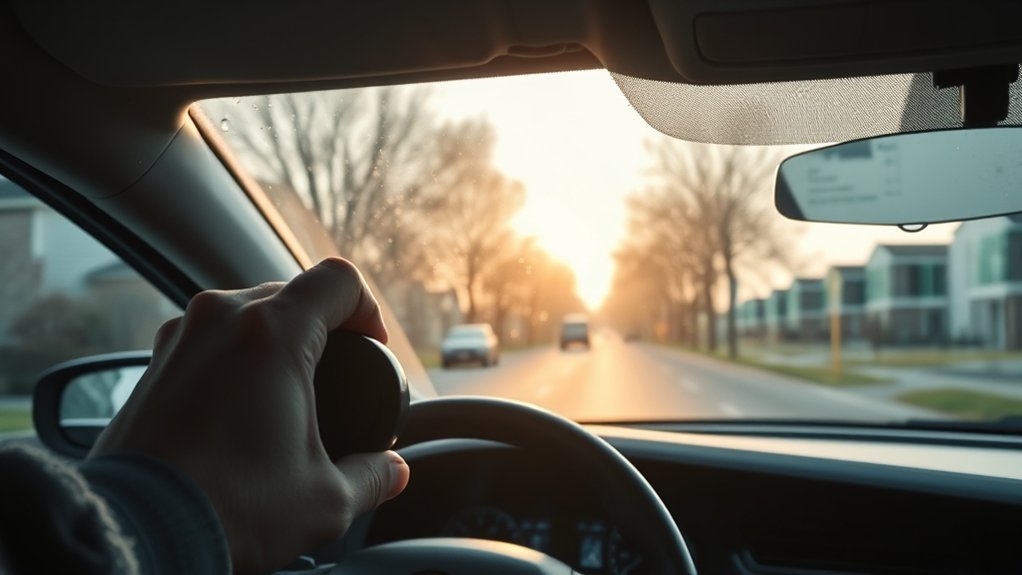
Your windshield fogs up when warm, moist air hits glass that is cold enough to cool that air down to its dew point. At the dew point, relative humidity against the glass reaches 100%, and invisible water vapor turns into thousands of tiny liquid droplets that scatter light.
Inside a vehicle, cabin humidity climbs quickly from passengers breathing, wet shoes, damp coats, soaked floor mats, snow, pets, and hot drinks. In cold or rainy weather, outside air chills the windshield. When humid cabin air touches that cold inner surface, it loses its capacity to hold moisture and condenses on the inside of the glass.
In hot, muggy weather, the reverse happens. Running the air conditioner at full blast chills the windshield below the dew point of the outside air, causing moisture to condense on the exterior glass instead.
How to Tell if Fog Is Inside or Outside
Before adjusting your dials, check which side of the glass holds the moisture. Lightly swipe a small corner of the passenger side with a clean microfiber cloth or turn on the wipers for one pass. If the wipers clear the haze immediately, the condensation is on the outside; if the haze stays put, it is inside the cabin.
Fastest Way to Defog a Windshield
The fastest way to defog a windshield on the inside is to blow warm, dehumidified outside air directly across the glass. This combination raises the glass temperature above the dew point while pulling damp air out of the cabin. You will need your vehicle running and all dashboard vents unobstructed.
Warning: Do not drive until you have a completely clear view through the windshield, side windows, mirrors, and rear glass. Pulling into traffic with a tiny “peephole” cleared in the mist hides pedestrians, cyclists, and brake lights.
- Turn on front windshield defrost. Press the button showing a curved windshield with upward arrows so airflow goes straight to the base of the glass.
- Set the blower fan to high. Maximum airflow sweeps saturated boundary air away from the glass faster.
- Turn the temperature dial to warm or hot. Warmer air holds significantly more water vapor and warms the cold glass so moisture evaporates.
- Switch the A/C on. Running the air conditioner passes air over the cold evaporator coil first, which helps remove moisture from cabin air before the heater core warms it up.
- Turn air recirculation off. Disabling the car-with-an-arrow button switches the system to fresh-air mode, bringing in drier outside air instead of recycling soggy cabin air.
- Crack two windows about half an inch (1 to 2 cm) if fog lingers. When multiple passengers or wet gear overload the cabin with moisture, a slight opening flushes humid air out in seconds.
- Press the rear window defogger button separately. The rectangular icon activates the electric heating grid bonded to the back glass and, on many cars, the heated side mirrors.
You will know the settings are working when a clear band forms along the bottom edge of the windshield within 30 to 60 seconds and spreads upward. Once the glass is completely clear, you can lower the fan speed to a comfortable level, but leave fresh-air mode active so the mist does not return.
How to Defog Your Windshield in Cold Weather
In winter, interior fog forms because your breath and snow-covered boots add moisture to a sealed cabin surrounded by freezing glass. Clearing it requires warming the windshield while keeping cabin humidity low. Each climate setting handles a specific part of that job.
| Climate Setting | Target Setting | Why It Works in Cold Weather |
|---|---|---|
| Airflow direction | Front defrost vents | Focuses warm airflow directly against the inside of the windshield and front side-window demisters |
| Temperature | Warm to high heat | Raises glass temperature above the cabin dew point and increases how much moisture the air can absorb |
| Air conditioning (A/C) | On (above freezing) | Condenses water vapor on the evaporator coil before the heater warms the air |
| Air intake mode | Fresh air (recirculation off) | Draws in cold outside air with low absolute moisture instead of trapping damp breath inside |
| Side windows | Cracked 0.5 in (1–2 cm) | Speeds up air exchange when the heater is still cold or the cabin is very damp |
Recommended Products

ABSORBENT & FAST DRYING - Microfiber material provides super absorbent water ability of the cloths makes quick drying large surface. They deliver extreme absorbency, so at the same time ensure quick drying.

10x GRIP-ROOT WEAVE - TRAP MORE, WORK LESS: Ultra-absorbent microfiber towels for car Grip Root weave works like PLANT ROOT FOLLICLES, sucking up & LOCKING AWAY 8x to 10x its weight in liquid, particulates, moisture, grime and dirt in far LESS TIME than traditional ‘Heavy Duty’ Cleaning Rags. Each towel features a 2.5mm thick design, providing enhanced durability and better grip during use.
What Happens on Freezing Cold Starts
In gas and diesel vehicles, cabin heat comes from hot engine coolant flowing through the heater core. During the first 1 to 3 minutes after a cold start, the coolant is still cold, so cranking the fan immediately can blow chilly air while your breath adds frost or fog. Start the car in a well-ventilated area, knock snow off your boots before getting in, and let fresh-air mode and A/C begin drying the air while the engine warms up.
In sub-freezing weather (typically below 32°F to 40°F, or 0°C to 4°C), most vehicles automatically stop the A/C compressor from engaging so the evaporator coil does not freeze over. Even when the compressor turns off, fresh-air mode still clears the glass effectively because frigid outside air holds very little water vapor once heated inside the dash.
If the outside of the windshield is covered in frost or ice, defogging controls alone are not enough. Clear snow from the hood and cowl vents so the air intake is not blocked, and scrape the exterior glass with a plastic ice scraper. Never pour hot or boiling water onto cold automotive glass, as thermal shock can crack the windshield instantly.
Pro Tip: Keep a clean waffle-weave microfiber towel in your glove box for emergencies, and never wipe a fogged windshield with your bare hand, sleeve, or paper napkins. Skin oils and lint leave invisible streaks that cause severe headlight glare at night.
How to Defog Your Windshield in Warm Weather
Warm-weather fog can form on either side of the windshield depending on whether you are fighting A/C overcooling or a sudden summer downpour. In hot, muggy weather, cold air from dashboard vents chills the lower windshield until humid outside air condenses on the exterior glass. Toyota owner manuals specifically warn that aiming cold air at the windshield in extreme humidity causes outer fogging that blocks visibility.
When the Fog Is on the Outside
- Turn on the windshield wipers. A single swipe clears exterior condensation right away.
- Switch airflow away from the windshield. Direct cool air through the face or floor vents instead of the defroster ducts so the glass stops chilling.
- Raise the A/C temperature by a few degrees. Warming the cabin slightly raises the glass temperature above the outside dew point.
- Lower the fan speed. Less cold air hitting the glass keeps the exterior surface from dropping back below the dew point.
When the Fog Is on the Inside During Summer Rain
Summer rainstorms cool the windshield from the outside while wet umbrellas and clothes spike humidity inside. Treat rainy-day interior fog just like cabin humidity: turn on the A/C to dry the air, switch recirculation off, direct airflow to the windshield, and add just enough warmth to stay comfortable while the glass clears.
How Defrosters and Defoggers Work
Front defrosters and rear defoggers use two different systems to clear automotive glass. Under Federal Motor Vehicle Safety Standard No. 103 (49 CFR 571.103), every passenger car, multipurpose passenger vehicle, truck, and bus sold in the United States must include a windshield defrosting and defogging system capable of clearing critical driver viewing areas (SAE J902 Areas A and C).
Your front defroster is part of the HVAC system. When you select windshield defrost, motorized blend and mode doors inside the dashboard route air first across the cold A/C evaporator (where moisture condenses and drains under the car through a rubber tube), then through the warm heater core, and finally out the narrow slots along the base of the windshield.
Many vehicles automate these steps when you press Defrost or Max Defrost. Ford owner manuals note that selecting Max Defrost automatically sets the temperature to high, shifts airflow to the windshield vents, turns the blower fan to maximum speed, engages the A/C compressor, turns on the heated rear window, and locks out recirculated air.
Rear window defoggers and heated side mirrors do not use air ducts. Instead, they pass electrical current through thin resistive grid lines baked onto the glass. Those lines warm the glass directly to evaporate interior mist and melt light exterior frost, and most shut off automatically after 10 to 15 minutes to protect the battery and heating grid.
How to Prevent Windshield Fogging
Preventing interior condensation comes down to controlling moisture in the cabin and removing microscopic residue that water droplets cling to. Over time, vinyl dashboards release volatile plasticizer vapors (“off-gassing”) in sunlight, and smoke or vaping aerosols leave a thin glycol film on the glass. That film acts as a magnet for condensation.
- Degrease and clean the inside glass monthly. Wipe the interior windshield with a clean microfiber cloth and an ammonia-free automotive glass cleaner (ammonia damages window tint and dries too fast in sunlight, leaving streaks). If a stubborn oily haze remains, wipe first with diluted isopropyl alcohol before applying glass cleaner.
- Apply an automotive anti-fog treatment properly. AAA recommends applying dedicated anti-fog sprays (such as Rain-X Anti-Fog or WeatherTech) to clean, dry interior glass in a vertical and horizontal crosshatch pattern, letting the coating cure for 2 to 4 minutes, and buffing lightly with a dry microfiber towel.
- Skip household DIY coatings. Avoid rubbing shaving cream, dish soap, raw potatoes, salt bags, or essential oils onto your windshield; they leave hazy films that scatter oncoming headlights at night.
- Dry wet floor mats and carpets immediately. Shake snow off boots before entering, and pull rubber or carpet mats out to dry after heavy rain or winter slush.
- Keep a reusable silica gel dehumidifier bag in the cabin. Placing a rechargeable silica gel bag on the dashboard or under a front seat absorbs overnight moisture while parked. Avoid hanging calcium chloride salt bags, which can leak corrosive brine onto automotive carpet.
- Replace your cabin air filter on schedule. Every cubic foot of defroster air passes through the cabin filter first. Most manufacturers recommend replacing it every 15,000 to 30,000 miles (or every 12,000 to 15,000 miles / once a year in dusty or high-pollen areas).
Why Your Windshield Keeps Fogging Up
If your windshield fogs up repeatedly or refuses to clear even with defrost, heat, A/C, and fresh air turned on, your car likely has trapped water or an HVAC fault. Work through these common culprits from easiest to most serious:
- Clogged cabin air filter or blocked cowl vents: If the blower fan sounds loud on high speed but barely any air reaches the glass, check for a packed cabin air filter behind the glove box or fallen leaves blocking the exterior cowl grille at the base of the windshield.
- Water trapped under carpets or in the spare-tire well: Lift your floor mats to feel the carpet padding underneath. Standing water from clogged sunroof drains, worn door weatherstripping, or a blocked A/C evaporator drain tube will fog the glass every time the car sits; see how to dehumidify a car to dry the interior completely.
- Stuck recirculation blend door actuator: If the motorized flap that switches between outside air and recirculated air breaks in the closed position, the HVAC system endlessly recycles damp cabin air even when the dashboard indicator light is off.
- Inoperative A/C system: Low refrigerant or a faulty compressor clutch prevents the evaporator from dehumidifying damp air on cool, rainy days.
- Leaking heater core: When the small radiator-like heater core inside the dashboard leaks engine coolant, hot antifreeze vapor blows directly through the defrost vents onto the cold windshield.
Note: If your windshield fog is accompanied by a sweet, syrupy smell, a greasy film that smears when wiped, damp passenger-side carpet, or dropping engine coolant levels, have a qualified automotive technician inspect your heater core promptly. Breathing vaporized ethylene glycol coolant is hazardous, and low coolant can overheat your engine.
Key Takeaways
- Check which side of the glass is fogged first: interior fog needs warm, dry defrost airflow, while exterior summer fog needs wipers and less A/C cooling on the glass.
- Turning the A/C on alongside warm heat is safe and effective because the evaporator coil pulls moisture out of the air before the heater warms it.
- Always turn recirculation off when defogging so dry outside air replaces damp cabin air.
- Clean interior glass with ammonia-free cleaner and replace your cabin air filter every 12,000 to 30,000 miles to keep defroster airflow strong.
- Persistent greasy fog paired with a sweet odor points to a heater-core coolant leak that requires professional repair.
Frequently Asked Questions
How do you stop humidity from fogging up a windshield?
Switch your climate control to fresh-air mode instead of recirculation, turn on windshield defrost, run the A/C to dehumidify the cabin, and remove wet mats or clothing. Cleaning the inside glass with ammonia-free auto glass cleaner also helps because dashboard film and dust hold moisture.
What is the fastest way to defog your windshield?
Set the climate system to front windshield defrost, turn the fan to high, dial the temperature to warm, turn the A/C on, and turn recirculation off. Crack two side windows slightly if the cabin is very damp, or use your wipers if the condensation is on the outside.
Should the A/C be on when defogging in winter?
Yes, you should turn the A/C on when defogging in winter. The air conditioner acts as a dehumidifier that strips moisture from incoming air before the heater core warms it. Below about 32°F to 40°F (0°C to 4°C), your car may shut off the compressor automatically to prevent coil freeze-up, making fresh-air mode essential.
Why does my windshield fog on the outside in summer?
Exterior windshield fog in summer happens when cold A/C air chills the glass below the dew point of hot, humid outside air. Run your windshield wipers to clear the glass, redirect cold airflow to the dashboard or floor vents, and raise the A/C temperature slightly.
Are there any safe DIY defogging solutions?
The safest DIY step is degreasing the inside glass with a clean microfiber cloth and ammonia-free auto glass cleaner, or placing a reusable silica gel dehumidifier bag on the dashboard. Avoid rubbing shaving cream, dish soap, salt, or oils on driving glass because residue creates dangerous night glare.
Why does my windshield fog up again after I clear it?
Recurring windshield fog usually means moisture is trapped inside the cabin or defroster airflow is restricted. Check for wet carpet under your floor mats, a clogged cabin air filter, recirculation mode left on, a faulty A/C system, or a leaking heater core.
How long does it take to defog a car windshield?
Most windshields clear in 30 seconds to 2 minutes once the engine is warm and defrost, high fan, heat, A/C, and fresh-air mode are active. On a freezing cold start or with a clogged cabin air filter, clearing heavy condensation can take 3 to 5 minutes.
Conclusion
Clearing a fogged windshield fast comes down to matching your climate controls to the side of the glass where moisture forms. Use front defrost, warm heat, A/C, high fan speed, and fresh-air mode for interior fog, or flick on your wipers and ease off cold windshield airflow for summer exterior mist. Before the next cold snap or rainy commute, clean the inside of your windshield with an ammonia-free glass cleaner and check your cabin air filter so your defroster works at full strength.
Sources
- National Weather Service: Dew and Frost Development: explains dew point, saturation, condensation, and frost formation on cooled surfaces.
- NHTSA: Winter Weather Driving Tips: supports winter visibility preparation, defroster checks, and safe driving practices.
- eCFR 49 CFR 571.103: Windshield Defrosting and Defogging Systems: federal safety standard requiring windshield defrosting and defogging systems across covered vehicles.
- Ford Owner Manual: Climate Control: documents defrost, Max Defrost, automatic A/C engagement, and recirculated-air lockout behavior.
- Toyota Owner Manual: Automatic Air Conditioning System: warns about exterior windshield fogging when cold air cools the glass in extremely humid conditions.
- AAA Club Alliance: The Best Ways to Defog Your Vehicle’s Windows: supports winter and summer defogging settings, ammonia-free glass cleaning, and anti-fog cure times.
- AAA: The Importance of Cabin Air Filter Replacement for Your Vehicle: supports the 15,000-to-30,000-mile cabin air filter replacement interval and HVAC airflow effects.