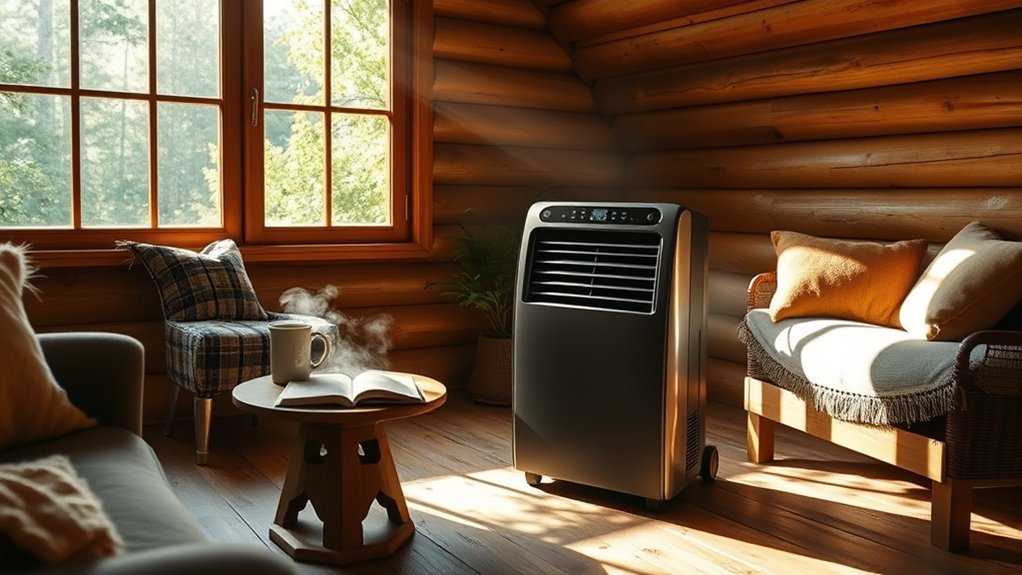
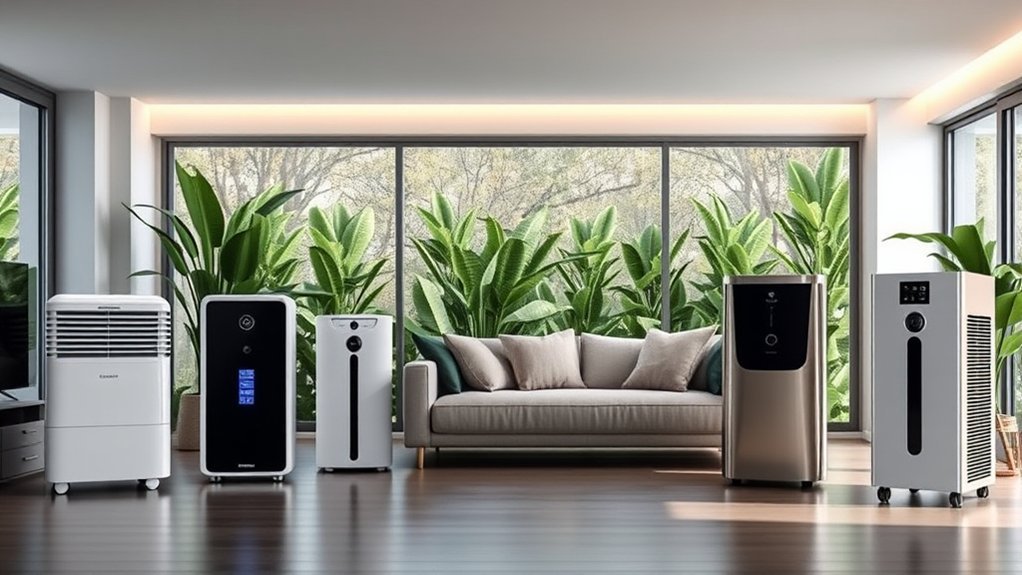
Choosing the best dehumidifier for allergies in the UK is mainly about controlling excess indoor moisture safely and consistently. A suitable dehumidifier may make conditions less favourable for mould and house dust mites, but it does not treat allergies, remove every airborne allergen, or repair the underlying cause of damp.
Quick Answer: For a normally heated bedroom, living room, or flat, a UK-compatible compressor dehumidifier with an adjustable humidistat is usually the most practical choice. A desiccant model can be more suitable for a cold utility room, garage, caravan, or other unheated area.
Important: Check for a 220–240V, 50Hz rating and a compliant UK Type G plug before buying. Do not assume that an Amazon.com appliance will work safely in a UK socket.
Editorial note: The previously supplied product listings were removed because their UK electrical compatibility, plug type, local availability, and warranty support could not be confirmed consistently. This guide therefore focuses on helping UK buyers select an appropriate model rather than promoting unsuitable imported appliances.
Key Takeaways
- A dehumidifier can help control excess moisture, but it is not an allergy treatment or a substitute for proper ventilation and repairs.
- Start with a target of about 45% to 50% relative humidity and use a separate hygrometer to check the room.
- Choose extraction capacity in litres per day, not by tank size or advertised floor area alone.
- Compressor models generally suit heated rooms, while desiccant models often perform better in colder spaces.
- Small Peltier units and passive moisture absorbers are usually suitable only for cupboards, wardrobes, vehicles, or very small enclosed areas.
- Fix leaks, broken extractor fans, inadequate heating, and structural damp instead of relying on a dehumidifier alone.
How Dehumidifiers May Help With Allergy-Related Dampness
Excess indoor moisture can encourage condensation, mould growth, and larger populations of house dust mites. These conditions may be troublesome for people who are sensitive to mould spores, mite waste, or other indoor allergens.
A dehumidifier removes water from the air and may help maintain a more stable humidity level. However, it does not normally remove pollen, pet dander, smoke particles, or fine dust. A basic washable filter is generally intended to protect the appliance rather than function as a complete air purifier.
Health and damp warning: Persistent mould, wet walls, water ingress, or a strong musty smell may indicate a building, plumbing, heating, or ventilation problem. Follow current UK government damp and mould guidance and obtain qualified help when needed.
Which Type of Dehumidifier Is Best?
| Type | Best Use | Main Advantage | Main Limitation |
|---|---|---|---|
| Compressor | Heated bedrooms, living rooms, flats, and basements | Strong extraction with relatively efficient operation in warmer rooms | Performance can fall in cold rooms, and the compressor may be audible |
| Desiccant | Cold garages, caravans, utility rooms, and unheated spaces | Continues removing moisture effectively at lower temperatures | Often uses more electricity and releases warmer air |
| Peltier or thermoelectric | Very small bathrooms, cupboards, wardrobes, and compact bedrooms with mild moisture | Compact and usually quiet | Low extraction; unsuitable for serious damp or whole-room control |
| Passive moisture absorber | Wardrobes, storage boxes, vehicles, and other enclosed spaces | No continuous electricity required | Cannot regulate the humidity of a normal room |
Factors to Consider When Choosing a Dehumidifier for Allergies in the UK
UK Electrical Compatibility
The first check should be the rating plate or power-supply label. It should clearly support 220–240V and 50Hz. A household appliance should also arrive with a proper UK Type G plug or a compliant permanent conversion plug supplied by a reputable seller.
A travel adaptor only changes the shape of the plug. It does not convert a 110V or 115V appliance for use on UK mains. Electrical Safety First provides more information about UK voltage and plug requirements.
Daily Extraction Rate
Compare the rated extraction in litres per day. The amount of water a machine can remove is more useful than the size of its collection tank or a broad square-foot marketing claim.
A lightly damp bedroom may need considerably less extraction than a wet basement, laundry-drying room, or multi-room area. Published extraction figures are normally measured under specific temperature and humidity conditions, so real performance in a cool UK home may be lower.
Humidistat and Hygrometer
A built-in humidistat allows the machine to stop and restart automatically around a selected humidity level. This is more useful than a unit that runs continuously without measuring the room.
A separate digital hygrometer is still helpful because it lets you compare readings away from the appliance. A practical starting point is around 45% to 50% relative humidity. Avoid trying to make the room excessively dry, as very dry air can also be uncomfortable.
Room Temperature
Temperature affects performance. Compressor units usually work best in normally heated rooms. If the space is regularly cold, check the minimum operating temperature and automatic-defrost specifications or consider a desiccant model.
This is particularly important for garages, caravans, utility rooms, cellars, and conservatories during winter.
Tank Size and Drainage
A larger tank reduces how often it must be emptied, but it does not make the machine extract moisture faster. For continuous use, look for a gravity-drain connection or a built-in pump where the installation requires water to travel upwards.
Confirm whether the drain hose is included and check that it can run downhill without kinks. A badly positioned hose can cause the tank to fill or the unit to stop.
Noise Level
For bedrooms and home offices, compare the noise level on the lowest practical setting rather than relying only on words such as “silent” or “whisper quiet.” Compressor cycling, fan noise, floor vibration, and water movement can all be noticeable at night.
Placing the unit on a firm, level surface and leaving space around the air inlet and outlet can reduce vibration and improve airflow.
Filter Type
Most dehumidifier filters are simple washable dust screens. They help protect the internal components but should not automatically be described as allergy filters.
When a model includes a HEPA filter, check whether the manufacturer provides a replacement schedule, replacement-filter availability, airflow information, and a clear explanation of whether air purification can operate independently. People needing dedicated particle removal may still benefit more from a separate appropriately sized air purifier.
Energy Use
Compare the appliance’s wattage and estimated annual energy consumption instead of relying on an unsupported savings figure. A smaller machine is not automatically cheaper to operate if it must run continuously without reaching the selected humidity.
Features such as an accurate humidistat, timer, laundry mode, adjustable fan speed, and automatic restart can help reduce unnecessary running.
Portability and Placement
Check the machine’s weight, handle design, castors, cable length, and clearance requirements. A portable model is useful when moisture problems occur in several rooms, but moving one machine between rooms is not the same as controlling the humidity of an entire home.
Keep electrical appliances away from direct splashes, baths, showers, and sinks. Follow the manufacturer’s bathroom-placement instructions and never operate a unit with a damaged cable or plug.
Before You Buy: UK Checklist
- Does the rating plate state 220–240V and 50Hz?
- Does it include a compliant fused UK Type G plug?
- Is the daily extraction listed in litres under stated test conditions?
- Is the technology suitable for the room temperature?
- Does it have an adjustable humidistat?
- Can you obtain replacement filters and warranty service in the UK?
- Is continuous drainage available if you need unattended operation?
- Is the noise rating suitable for a bedroom or office?
- Is the stated room coverage realistic for the extraction rate?
- Have leaks, blocked vents, failed extractors, and structural damp been investigated?
How to Use a Dehumidifier Effectively
Measure Before Running It Continuously
Place a hygrometer in the affected room and record the humidity at different times of day. This helps identify whether moisture rises after showering, cooking, sleeping, or drying laundry.
Close the Room During Operation
When actively dehumidifying a room, keep its external windows and doors closed so the machine is not constantly trying to dry incoming outdoor air. Continue using appropriate extractor fans when cooking or bathing.
Allow Adequate Airflow
Do not place the unit tightly against a wall, curtain, bed, or piece of furniture. Follow the manufacturer’s clearance instructions and clean the air inlet regularly.
Clean the Tank and Filter
Empty and rinse the tank regularly, especially if the water has been standing for several days. Clean or replace the filter according to the manual. A dirty filter restricts airflow and can reduce moisture removal.
Address the Moisture Source
Use extractor fans, repair leaks, clear blocked vents, maintain suitable background heating, and investigate penetrating or rising damp. A dehumidifier can manage airborne moisture, but it cannot permanently solve a building defect.
Which Dehumidifier Suits Your Room?
Heated Bedroom or Living Room
Look for a compressor model with an adjustable humidistat, low-noise mode, automatic defrost, and a tank that is easy to remove. Continuous drainage can be useful when the machine will run daily.
Cold Garage or Utility Room
A desiccant model may provide more dependable low-temperature extraction. Compare its higher electricity use with the benefits of stronger cold-room performance.
Laundry-Drying Room
Choose a model with sufficient extraction, a laundry mode, strong airflow, and continuous drainage. Keep doors and windows closed while it is running, but maintain the ventilation required for combustion appliances.
Wardrobe or Small Cupboard
A passive absorber, rechargeable desiccant unit, or very small Peltier appliance may be enough for a tightly enclosed space. These products should not be expected to control humidity across a normal bedroom.
Frequently Asked Questions
Do Dehumidifiers Cure Allergies?
No. A dehumidifier does not cure an allergy. It may reduce excess moisture that supports mould and house dust mites, but pollen, pet dander, smoke, and other airborne particles may require separate source control, cleaning, ventilation, or air filtration.
What Humidity Level Is Best for an Allergy-Sensitive Home?
A practical starting target is approximately 45% to 50% relative humidity. Check the level with a hygrometer and adjust it for comfort, condensation, room temperature, and the manufacturer’s guidance. Avoid making the room unnecessarily dry.
Is a Mini Dehumidifier Enough for a Bedroom?
Only when the room has a mild moisture problem and the unit provides a credible extraction rating for that space. Many mini Peltier products are better suited to wardrobes, cupboards, en-suite areas, or other small enclosed locations.
Is a Dehumidifier With HEPA Better for Allergies?
It may capture some airborne particles while controlling moisture, but check the filter specification, replacement availability, airflow, and room-size rating. A combination appliance should not automatically be assumed to perform as well as a dedicated air purifier and a properly sized dehumidifier.
Can I Use a US Dehumidifier in the UK With an Adaptor?
Not when the appliance is rated only for 110V or 115V. A plug adaptor does not convert the UK’s 230V supply. Buy a model or power supply clearly rated for 220–240V and 50Hz and supplied with a compliant UK plug.
Will a Dehumidifier Stop Mould From Returning?
It can help when excess airborne humidity is part of the problem, but mould may return if there is a leak, cold bridging, inadequate insulation, failed ventilation, penetrating damp, or another unresolved cause. The source of the moisture must also be corrected.
How Often Should the Filter Be Cleaned?
Follow the manufacturer’s instructions. A reusable intake filter commonly needs inspection every few weeks during regular use, while a HEPA or replacement filter may have a separate schedule. Clean it more frequently in dusty or pet-friendly homes.
Conclusion
The best dehumidifier for allergies in a UK home is a correctly sized, UK-compatible appliance that can maintain a stable humidity level without running continuously. A compressor model is usually the practical choice for a heated room, while a desiccant unit may be better in a cold space.
Prioritise a credible litres-per-day rating, an adjustable humidistat, suitable low-temperature performance, manageable noise, safe drainage, and a genuine UK electrical specification. Most importantly, treat dehumidification as part of a wider moisture-control plan that includes ventilation, heating, cleaning, and repairs.