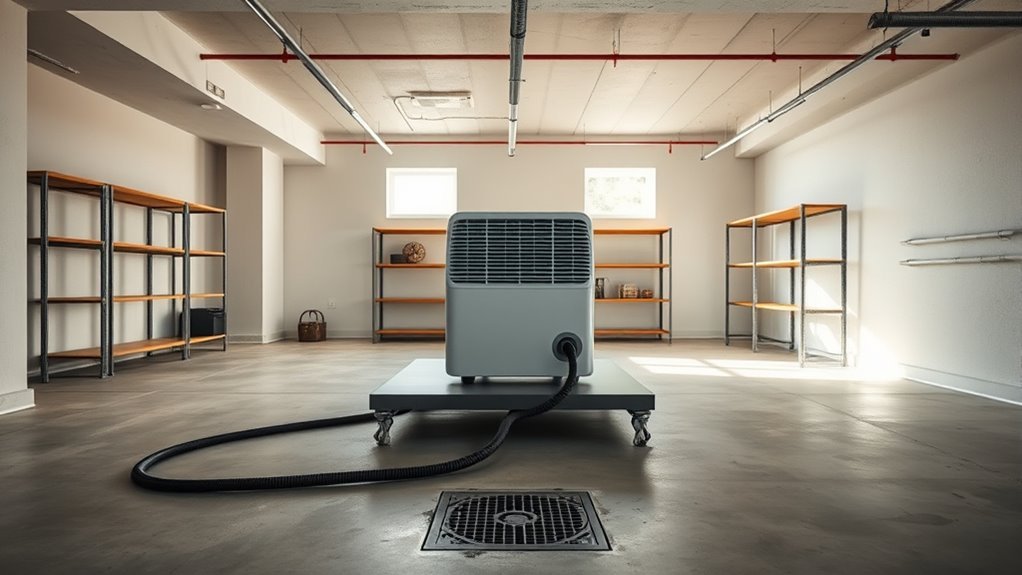
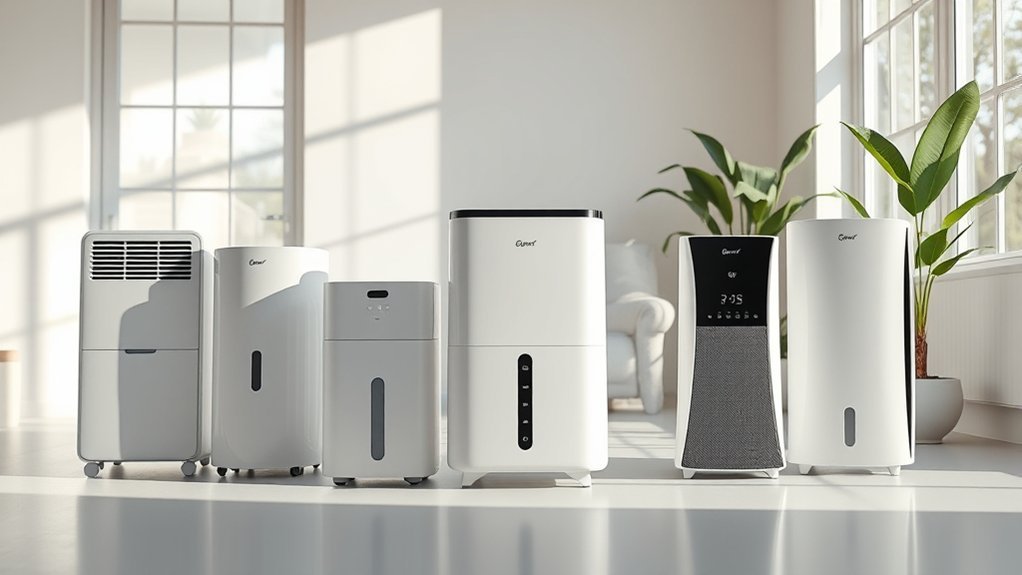
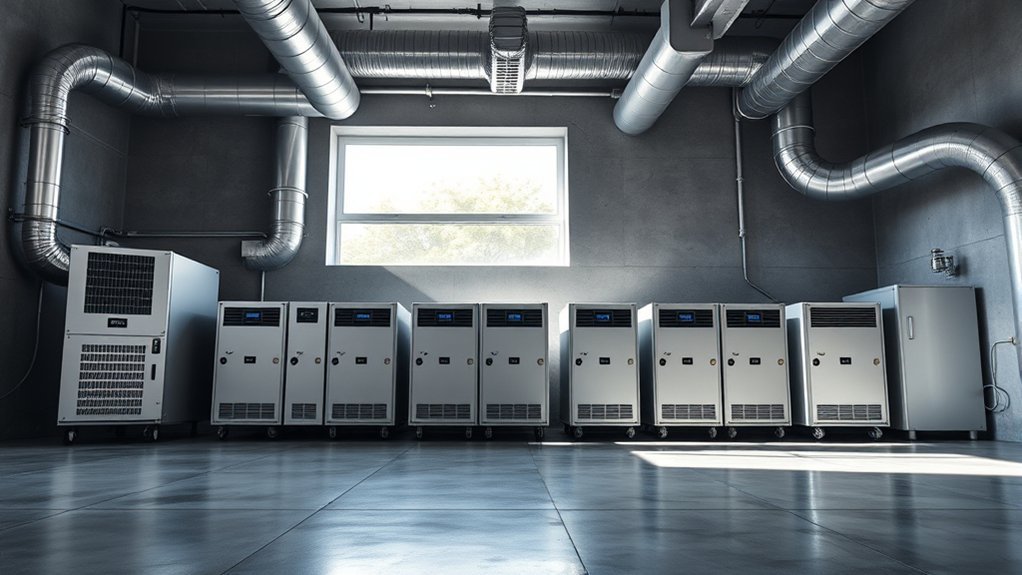
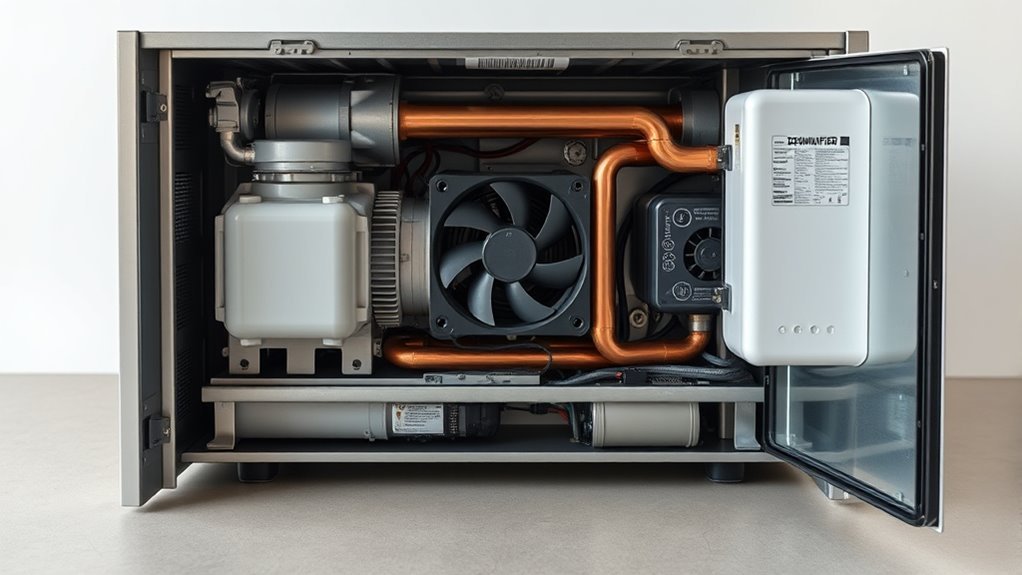
If you want the best 70-pint dehumidifiers with internal pumps in 2026, focus on models that can remove heavy moisture, drain automatically, and fit your actual space. The Abestorm Crawl Space Dehumidifier, MOISWELL Defender ME-7S, CLEEMAN ES21473US, Energy Star 70-pint model, CLEEMAN 6000 sq. ft. unit, MOISWELL SP60, and DECIUU 100 Pint all target buyers who want easier drainage and stronger humidity control. You should compare pump lift height, coverage, real-world moisture removal, energy use, noise, tank size, controls, and portability before you buy. The right pick depends on your room size, drain location, basement or crawl space conditions, and how hands-free you want the setup to be.
Quick Verdict
For most damp basements and crawl spaces, choose a 70-pint internal pump dehumidifier if you want steady drying without emptying a bucket every day. Smaller 1,000 sq. ft. commercial-style units are better for crawl spaces, storage rooms, garages, and targeted moisture control. Larger 4,500 to 6,000 sq. ft. models are better for open basements, laundry areas, and bigger living spaces.
- Best crawl space style picks: Abestorm, MOISWELL Defender ME-7S, Energy Star 70-pint model, and MOISWELL SP60.
- Best large-room style picks: CLEEMAN ES21473US, CLEEMAN 6000 sq. ft. unit, and DECIUU 100 Pint.
- Best pump feature to check: vertical lift height, because it decides whether the unit can push water to your sink, window, or higher drain point.
| Product | Best For | Stated Coverage | Pump / Drainage Highlight | Amazon |
|---|---|---|---|---|
| Abestorm Crawl Space Dehumidifier | Crawl spaces, garages, basements, storage areas | Up to 1,000 sq. ft. | Built-in pump lifts water up to 19.6 ft | Check Product Details |
| MOISWELL Defender ME-7S | Heavy-duty drying with lower-maintenance drainage | Up to 1,000 sq. ft. | Built-in pump pushes water up to 16.4 ft | Check Product Details |
| CLEEMAN ES21473US | Large rooms that need flexible drainage and child lock | Up to 4,500 sq. ft. | Pump hose, gravity hose, or manual tank | Check Product Details |
| 70-Pint Energy Star Crawl Space Unit | Energy-conscious crawl space drying | Up to 1,000 sq. ft. | Built-in pump lifts condensate up to 16.4 ft | Check Product Details |
| CLEEMAN 6000 Sq.Ft Unit | Large basements, laundry rooms, and open areas | Up to 6,000 sq. ft. | Manual, gravity, or pump drainage | Check Product Details |
| MOISWELL SP60 | Basements, attics, and crawl spaces up to 1,000 sq. ft. | Up to 1,000 sq. ft. | Built-in pump drains up to 16.4 ft | Check Product Details |
| DECIUU 100 Pint | Large basement or whole-home moisture control | Up to 5,000 sq. ft. | Built-in pump lifts water up to 16.4 ft | Check Product Details |
Before You Buy Checklist
- Measure the room or crawl space and compare it with the product’s stated coverage.
- Check the vertical pump lift height before draining to a sink, window, or high outlet.
- Look for continuous drain options if the area stays humid for long periods.
- Choose a model with auto-restart if power outages are common in your area.
- Check the noise rating if the unit will run near bedrooms, offices, or living areas.
- Plan where the hose will go before you place the unit, so water does not back up or leak.
Abestorm Crawl Space Dehumidifier with Pump and Hose
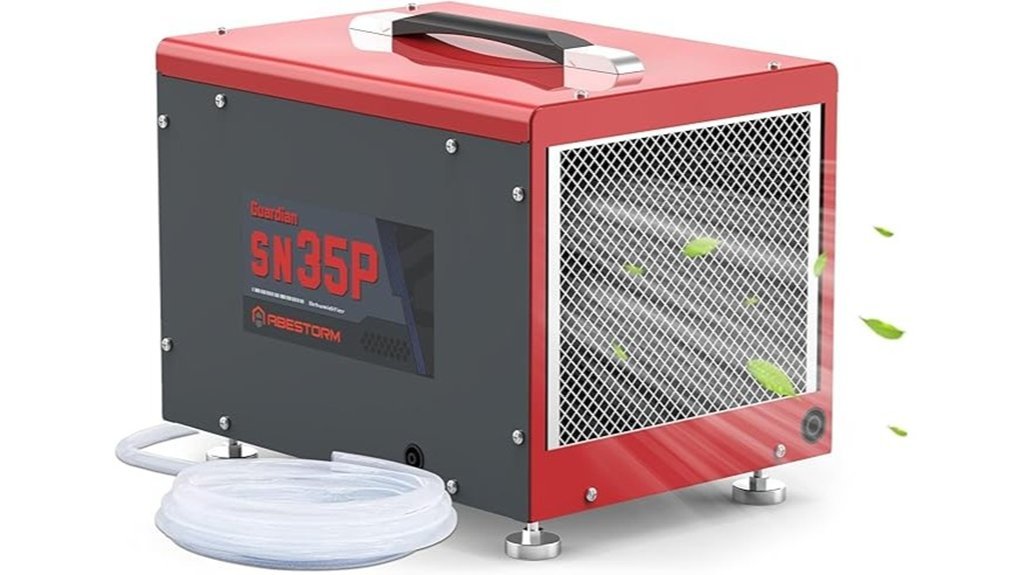
Best Overall for Crawl Spaces: The Abestorm Crawl Space Dehumidifier with Pump and Hose is a strong pick if you need a compact, high-capacity unit for tough moisture problems in crawl spaces, basements, garages, or storage areas. You get 70 pints of daily moisture removal and coverage up to 1,000 square feet, so it can handle demanding spaces without taking up the footprint of a large room dehumidifier. The built-in pump lifts water 19.6 feet, while the hose supports gravity drainage. It also auto-stops, restarts, and defrosts itself, so you won’t babysit it during long drying cycles. Its 5-year warranty and lifetime support add real peace of mind for buyers who want a longer-term moisture-control setup.
Why You’ll Like It: This model solves the biggest crawl space headache: getting water out without constant bucket emptying. The higher pump lift rating gives you more placement freedom, especially if the drain point is above the unit.
Best For: Homeowners or property managers who need a compact, high-capacity dehumidifier for crawl spaces, basements, garages, or storage areas with persistent moisture issues.
Who Should Avoid This: Skip it if you only need light moisture control in a small bedroom or bathroom, because the commercial-style build may be more machine than you need.
Pros:
- Removes up to 70 pints of moisture per day, making it effective for demanding damp spaces.
- Built-in pump and hose drainage options make water removal flexible and convenient.
- Auto-stop, auto-restart, and automatic defrost features reduce maintenance and improve reliability.
Cons:
- At 38.18 pounds, it may be less convenient to move than smaller portable units.
- Best suited for spaces up to 1,000 sq. ft., so it may not be ideal for larger areas.
- The commercial-style design may be more than some users need for light household moisture control.
MOISWELL 70 Pint Commercial Dehumidifier with Pump
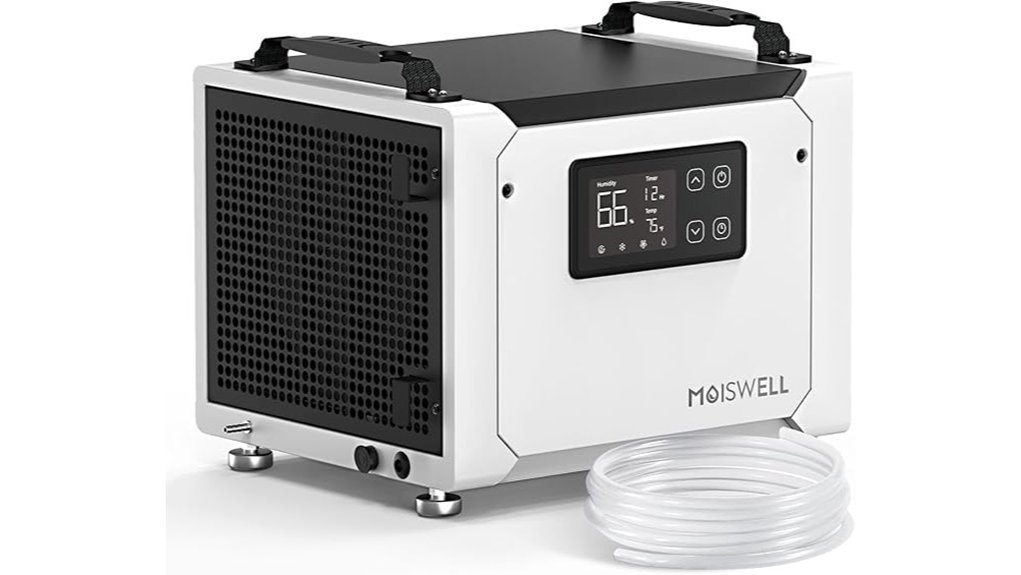
Best Energy-Conscious Commercial-Style Pick: Moiswell’s Defender ME-7S is a smart pick if you need heavy-duty drying with minimal upkeep. You can use it in spaces up to 1,000 square feet, and it removes up to 70 pints at saturation or 35 pints per day under AHAM conditions. Its built-in pump sends water up to 16.4 feet, so you won’t need to empty a tank when the hose is set up correctly. You also get Energy Star efficiency, 450-watt operation, and a simple control panel with humidity control, defrost, shutoff, and a 24-hour timer. Its metal build and dual handles make moving it easier than many boxy basement units.
Why You’ll Like It: This unit is useful when you want a durable dehumidifier that feels more work-ready than a basic household model. The clear controls and timer help you keep the space dry without overcomplicating daily use.
Best For: Homeowners, contractors, or property managers who need a heavy-duty, energy-efficient dehumidifier for spaces up to 1,000 sq. ft. with low-maintenance pump drainage.
Who Should Avoid This: Avoid it if you need whole-basement coverage above 1,000 sq. ft. or want a lighter unit that you can carry up and down stairs often.
Pros:
- Built-in pump can push water up to 16.4 feet, reducing the need for manual emptying.
- Energy Star certified with low 450-watt operation for better efficiency.
- Durable metal construction with dual handles makes it portable and reliable.
Cons:
- Maximum coverage is limited to 1,000 sq. ft., so it may not suit larger areas.
- At around 40 pounds, it is still somewhat heavy to move frequently.
- Best performance is more suited to commercial or heavy-duty use than small everyday rooms.
4,500 Sq.Ft Dehumidifier with Pump and Child Lock
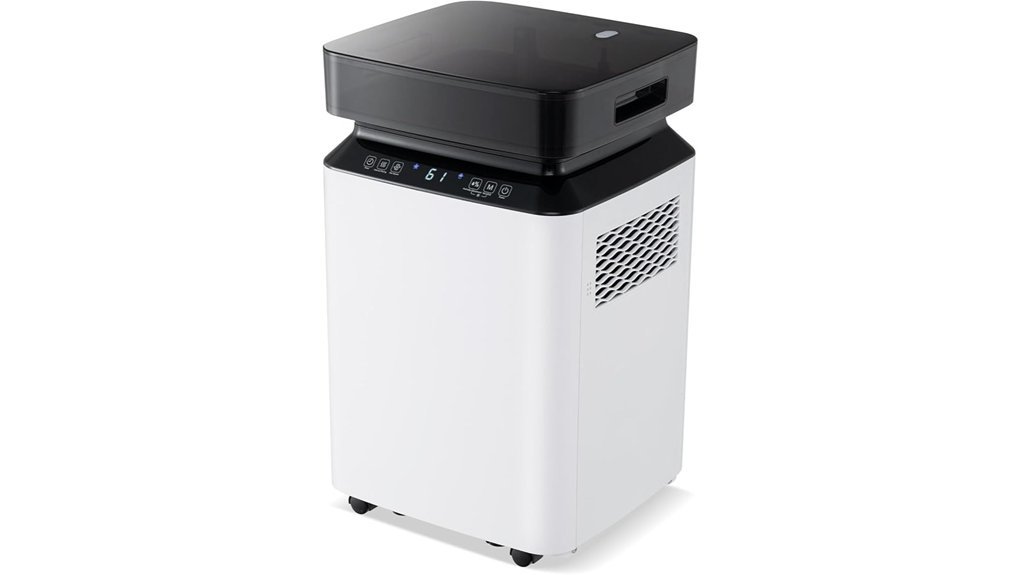
Best for Large Rooms With Family-Friendly Controls: Need to dry a large, busy space? The CLEEMAN ES21473US handles up to 4,500 sq. ft. and pulls 70 pints of moisture each day, so you can control dampness fast in basements, laundry rooms, garages, and other open areas. You can choose auto mode to hold your target humidity or continuous mode for persistent moisture. When you want hands-free draining, use the included pump hose or gravity hose; the 2.2-gallon tank also works when a drain is not nearby. Child lock keeps settings safe, while the water-full alarm, auto shutoff, and auto defrost protect performance. You’ll also get quiet 41 dB operation, LED touch controls, and 4 wheels for easy moving.
Why You’ll Like It: This is a practical pick when you want a more home-friendly unit with wheels, a tank option, and safety features. It gives you more drainage flexibility than a pump-only setup.
Best For: Homeowners, renters, or business users who need a high-capacity dehumidifier for large, damp spaces with flexible drainage options and child safety features.
Who Should Avoid This: Skip it if you need a compact crawl space unit with a rugged low-profile body, because this design is better suited to larger open rooms.
Pros:
- Covers up to 4,500 sq. ft. and removes up to 70 pints of moisture per day.
- Offers multiple drainage options, including pump, gravity hose, and manual tank emptying.
- Includes useful safety and convenience features like child lock, auto shutoff, auto defrost, LED controls, and wheels.
Cons:
- At 32 pounds, it may still be somewhat bulky to move despite the wheels.
- Best performance depends on proper drainage setup and regular maintenance.
- The 41 dB noise level is quiet, but not completely silent for very sensitive environments.
Crawl Space Dehumidifier with Pump, 70 Pints Energy Star
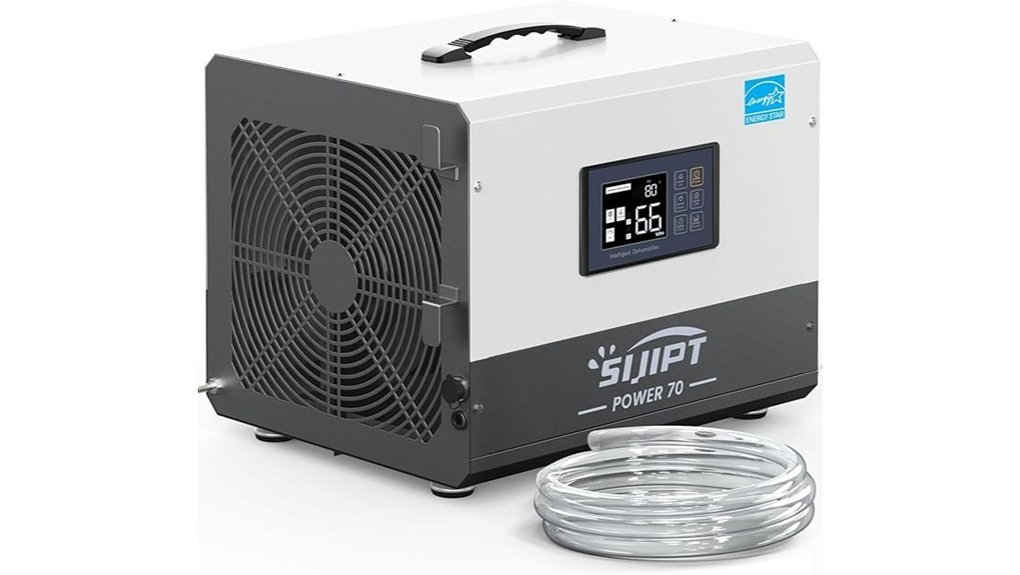
Best Compact Energy-Saving Pick: If you need hands-free crawl space drying, this 70-pint Energy Star unit stands out as a compact option for small-to-medium enclosed areas. You get 70 pints per day at saturation, or 36 PPD under AHAM conditions, so it can handle spaces up to 1,000 sq ft. Its built-in pump lifts condensate up to 16.4 feet, so you don’t need a floor drain directly beside the unit. The ENERGY STAR rating may help reduce energy use compared with less efficient models, especially during long drying cycles. You can move it with integrated handles, and its 40-pound compact build fits tight spaces. Smart controls, auto-restart, and smart defrost keep drying simple and reliable.
Why You’ll Like It: This model is built for buyers who care about efficiency, compact placement, and automatic drainage. It is especially useful when your crawl space or basement has limited room for a large rolling dehumidifier.
Best For: Homeowners, property managers, or contractors who need a compact, energy-efficient dehumidifier for crawl spaces or other small-to-medium enclosed areas with hands-free drainage.
Who Should Avoid This: Avoid it if your space is much larger than 1,000 sq ft or if you need an included mounting setup with every installation accessory in the box.
Pros:
- Built-in pump lifts condensate up to 16.4 feet, eliminating the need for a nearby floor drain.
- ENERGY STAR certification may help lower power use during regular operation.
- Compact, portable design with integrated handles and smart controls for easy operation.
Cons:
- Best suited for spaces up to about 1,000 sq ft, so it may be undersized for larger areas.
- At 40 lbs, it is portable but still not especially light for frequent lifting.
- Optional mounting hooks are not included, limiting installation flexibility out of the box.
6000 Sq.Ft Dehumidifier with Pump and Child Lock
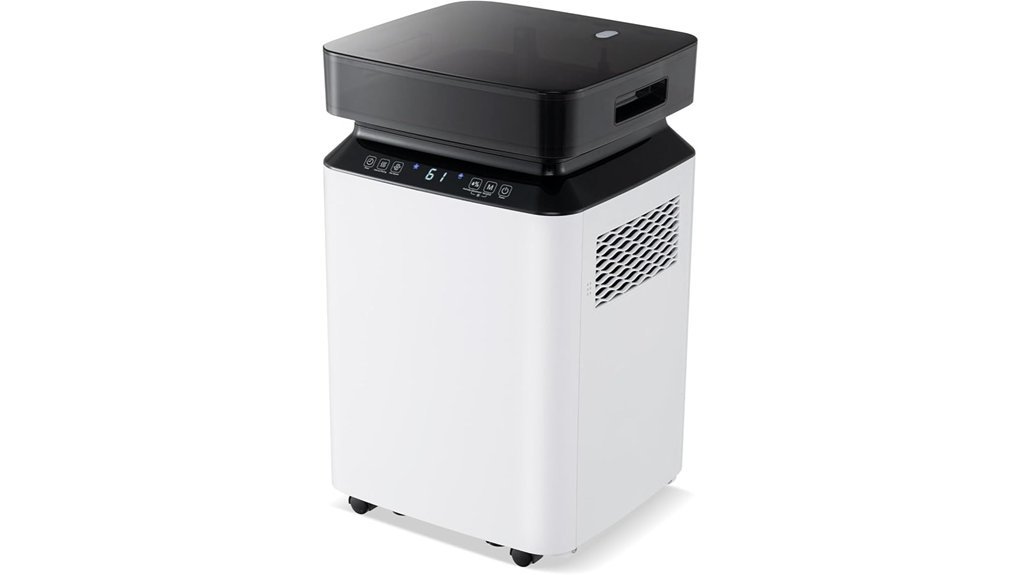
Best for Very Large Open Spaces: CLEEMAN’s 6000 sq. ft. dehumidifier suits large, damp spaces that need automated draining and child safety. You can use it in basements, bathrooms, garages, or laundry rooms, and it removes up to 70 pints of moisture daily. Its 90-pint capacity positioning, auto mode, and continuous mode help you control humidity without hassle. You get manual, gravity, or pump drainage, including a 6.5 ft hose for nonstop use. The child lock, water full alarm, auto shutdown, and auto defrost add peace of mind. Wheels, handles, and quiet operation make it easy to move and live with in a busy home.
Why You’ll Like It: This is one of the better fits if your main problem is a large area instead of a tight crawl space. The wheels and handles make it easier to position, while the child lock helps protect settings in shared spaces.
Best For: Homeowners or renters with large, damp spaces like basements, bathrooms, garages, or laundry rooms who want automated drainage, quiet operation, and child safety features.
Who Should Avoid This: Skip it if your space is small, segmented, or lightly humid, because a very large coverage claim may be more than you need.
Pros:
- Removes up to 70 pints of moisture per day and is suitable for spaces up to 6000 sq. ft.
- Offers flexible drainage options, including manual, gravity, and pump drainage with a 6.5 ft hose.
- Includes convenient safety and usability features such as child lock, auto shutdown, auto defrost, wheels, and a quiet ≤41 dB design.
Cons:
- At 32 pounds, it may still be somewhat heavy for some users to move frequently.
- The 2.2-gallon tank may require emptying if not using continuous drainage.
- Best suited for larger spaces, so it may be more than needed for smaller rooms or light moisture problems.
70-Pint Commercial Dehumidifier with Pump
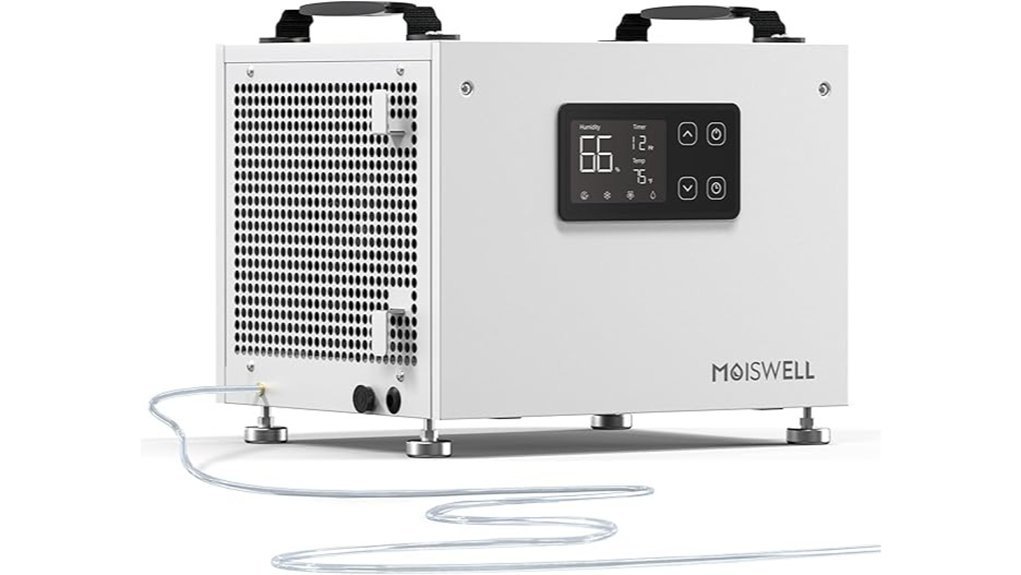
Best Durable Metal-Build Option: The Moiswell SP60 is ideal when you need steady, hands-free drying in spaces up to 1,000 square feet. You get 70 pints per day at saturation, 35 PPD under AHAM, plus Energy Star efficiency with R32 for lower power use and reduced environmental impact compared with older refrigerant types. Its built-in pump pushes water up to 16.4 feet, so you won’t have to empty buckets when the drain hose is installed correctly. You can move it with ergonomic handles, then set humidity, timer, or auto restart. The metal body, washable filter, and automatic defrost help you handle basements, attics, and crawl spaces.
Why You’ll Like It: The SP60 is a solid choice if you want a simple commercial-style unit with a washable filter and a tough body. It is better for targeted damp areas than for very large open basements.
Best For: Homeowners, contractors, and property managers who need a reliable, energy-efficient dehumidifier for basements, crawl spaces, attics, or other areas up to 1,000 sq ft with hands-free drainage.
Who Should Avoid This: Avoid it if you need a lightweight portable dehumidifier or a model designed mainly for decorative indoor living spaces.
Pros:
- Built-in pump continuously drains water up to 16.4 ft, eliminating the need to empty buckets.
- Energy Star efficient with R32 technology for lower power use and reduced environmental impact.
- Portable, durable metal design with useful features like adjustable humidity control, auto restart, and automatic defrost.
Cons:
- Best suited for spaces up to 1,000 sq ft, so it may be underpowered for larger areas.
- At 43.68 lbs, it may still be somewhat heavy for frequent moving despite the handles.
- Pump drainage depends on hose setup, which may require proper installation and maintenance.
DECIUU 100 Pint Dehumidifier with Pump
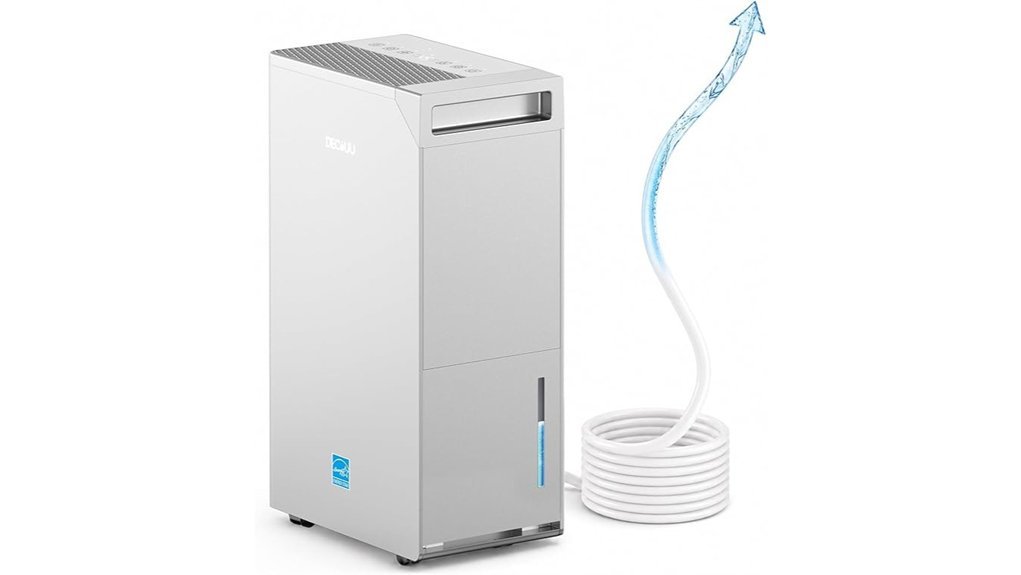
Best Higher-Capacity Alternative: DECIUU’s Max 100 Pint Dehumidifier suits you best if you need powerful basement moisture control and want more headroom than a standard 70-pint-style unit. You get coverage for up to 5,000 sq. ft. and strong drying power, reaching 100 pints per day in hot, humid conditions. Its ENERGY STAR certification and Most Efficient 2024 rating are helpful for buyers who expect long run times. You can set your target humidity from 35% to 80%, while the smart sensor and memory chip keep operation simple. The built-in pump lifts water up to 16.4 feet, and the 1.45-gallon tank, hose, timer, wheels, and washable filter make daily use easier.
Why You’ll Like It: This is the model to consider if you are comparing 70-pint units but worry your space may need more drying power. The larger capacity makes sense for wet basements, larger layouts, or homes where humidity returns quickly.
Best For: Homeowners or renters needing powerful, energy-efficient basement or whole-home moisture control in spaces up to 5,000 sq. ft., especially where pump-assisted drainage is useful.
Who Should Avoid This: Skip it if your room is small, only mildly damp, or if you want the simplest possible control panel with fewer features.
Pros:
- Strong dehumidification performance, reaching up to 100 pints per day in hot, humid conditions.
- ENERGY STAR certified and rated Most Efficient 2024 for better energy savings.
- Built-in pump, timer, adjustable humidity control, wheels, and washable filter make it convenient to use.
Cons:
- Larger capacity unit may be more than needed for small rooms or light humidity issues.
- At 1.45 gallons, the tank may still require frequent emptying without using the drain hose or pump.
- More features can mean a higher upfront cost and added complexity compared with basic models.
Pro Tips for Better Results
- Place the dehumidifier where air can flow freely around the intake and exhaust.
- Keep doors and windows closed while drying a humid basement or crawl space.
- Route the pump hose without sharp bends, kinks, or uphill sections beyond the pump rating.
- Clean the filter regularly so airflow stays strong and the compressor does not work harder than needed.
- Set a realistic humidity target, often around the mid-range rather than the lowest possible setting, to reduce nonstop cycling.
Factors to Consider When Choosing a 70-Pint Dehumidifier With Internal Pump
When you choose a 70-pint dehumidifier with an internal pump, check its moisture removal capacity and make sure it matches your room’s coverage needs. You’ll also want to compare pump lift height and drainage options so the unit can move water where you need it. Don’t forget to look at the energy efficiency rating, noise level, filter access, tank size, warranty support, and control features, since these details can affect your long-term operating costs and daily convenience.
Moisture Removal Capacity
Because moisture levels can climb fast in damp spaces, you’ll want a 70-pint dehumidifier that matches the room’s actual needs. A unit rated at 70 pints removes up to that amount per day at saturation, but you’ll usually see closer to 35 pints daily under AHAM conditions. That’s the figure you should use when judging real-world performance. Warm, humid air helps the machine work more efficiently, while cooler or drier conditions can slow it down. If you choose a model with an internal pump, you’ll get continuous drainage, so you won’t need to empty a tank by hand. For spaces up to 1,000 sq. ft., enough moisture removal capacity helps you control humidity and reduce mold risk, while larger open layouts may need a bigger-capacity model or more than one unit.
Coverage Area Needs
Coverage area is just as important as moisture removal capacity when you choose a 70-pint dehumidifier with an internal pump. You should match the unit to the size of your space, since some 70-pint models handle about 1,000 sq. ft., while larger ones can cover 4,500 sq. ft. or more. Check the humidity level too, because a model rated for your conditions will work more efficiently than one pushed past its design range. If you’re buying for a commercial area, look for stronger coverage and continuous operation. For better results, compare fan speeds and airflow capacity, since they affect how quickly moisture moves through the room. Open layouts usually help coverage, but segmented rooms may need a more powerful unit or more than one dehumidifier.
Pump Lift Height
Pump lift height is one of the biggest things to check in a 70-pint dehumidifier with an internal pump, especially if you need to move water upward to a sink, window, or outdoor drain. This rating tells you how high the unit can push water vertically, and common models reach about 16.4 to 19.6 feet. If you’re placing the dehumidifier in a basement or crawl space, make sure that height matches your setup so water drains reliably. A stronger pump lift also gives you more placement freedom, since you won’t have to park the unit right next to the exit point. Check the max lift height carefully, and compare it with your space’s layout so you avoid overflow, backups, or poor performance.
Drainage Options
Once you’ve checked pump lift height, the next thing to weigh is how the unit actually drains. 70-pint dehumidifiers can use a built-in pump to send water to a sink, window, or outdoor drain, gravity drainage for nonstop use with a floor drain, or a manual tank that needs regular emptying. If you want the least hassle, look for automatic drainage with a condensate pump, which moves water out for you. If your setup includes a nearby floor drain, gravity drainage can keep the unit running without breaks. Manual tanks work, but you’ll need to empty them often, especially in damp rooms. Match the drainage method to your space so the hose path, drain location, and installation all make sense from the start.
Energy Efficiency Rating
When you’re comparing 70-pint dehumidifiers with internal pumps, energy efficiency should be high on your list because it affects both power use and long-term operating costs. Look for ENERGY STAR certification, since it tells you the unit is designed to use energy more efficiently than less efficient models in the same category. Check wattage too, because lower-wattage machines usually draw less power while still delivering strong moisture removal. AHAM conditions help you compare capacity fairly, since they test performance under standardized humidity and temperature levels. You can also gain efficiency from rotary compressors and high-efficiency fans, which cut electricity use without hurting results. Features like automatic shutoff and smart humidity control keep the dehumidifier from running longer than needed, so you save energy every day.
Noise Level Output
How loud will your dehumidifier be? You’ll usually see noise ratings between 35 dB and 60 dB, so check the spec sheet before you buy. If you want a unit for a bedroom or office, aim for 41 dB or less; that range is often called whisper quiet. The fan and compressor design also matter. A 70-pint model with a high-efficiency rotary compressor often runs more quietly than one with a traditional compressor. You can also cut sound with features like insulated casings and rubber feet, which help dampen vibration. Since noise tolerance varies by room and by person, compare the manufacturer’s published decibel rating to your needs. That way, you’ll choose a model that works well without creating unwanted background noise.
Control Features
Control features can make a 70-pint dehumidifier with an internal pump much easier to live with, especially if you want simple day-to-day operation. You should look for an intuitive panel with a large display so you can check humidity levels and current settings at a glance. Adjustable humidity control lets you choose the exact moisture level that feels right for your space. A programmable timer helps you schedule on and off cycles, which can save energy and reduce hassle. Auto-restart is another smart feature, since it brings the unit back on after a power outage without your help. If you have children at home, a child lock can keep settings from changing accidentally. These controls give you better convenience, consistency, and confidence.
Build Quality And Portability
Build quality and portability matter just as much as performance in a 70-pint dehumidifier with an internal pump. You’ll want durable ABS or metal construction so the unit can handle damp basements, crawl spaces, and other tough environments without wearing out quickly. Look for a sturdy frame paired with a reliable pump, especially if you need to move water vertically up to 19.6 feet. Portability also makes a big difference: ergonomic handles, integrated wheels, and a lightweight build around 28 to 43 pounds let you move it with less strain. Compact dimensions, usually 12 to 17 inches deep and wide, help you place it in tight spaces more easily. Choose a model that feels solid, easy to move, and built for long-term use.
Maintenance And Cleaning
Even the best internal pump dehumidifier needs basic care. Check whether the filter is washable, easy to remove, and simple to reinstall. A clogged filter can reduce airflow, increase noise, and make the unit work harder. You should also inspect the pump hose for slime, buildup, kinks, or slow drainage, especially during humid seasons. If the unit has a tank, clean it often enough to prevent odor. For crawl spaces and basements, choose a model with auto defrost and auto restart so it can handle changing conditions with less attention from you.
Safety Note
Always follow the manufacturer’s setup instructions for pump drainage, hose routing, electrical outlets, and cleaning. Keep cords away from standing water, avoid using damaged hoses, and do not place the unit where the air intake or exhaust is blocked. If you suspect mold, leaks, foundation issues, or major water intrusion, fix the moisture source instead of relying only on a dehumidifier.
Frequently Asked Questions
How Noisy Are Internal Pump Dehumidifiers During Continuous Operation?
They’re usually moderately noisy, so you’ll hear fan hum and occasional pump bursts during continuous operation. You can expect levels similar to a box fan, though quieter models may stay less intrusive in living spaces. For bedrooms, offices, and finished basements, compare the listed decibel rating before buying.
Can the Internal Pump Drain Water Vertically to a Sink Upstairs?
Yes, you can, if the pump’s lift rating reaches that height. It can push water upward to a sink, window, or higher drain point, but you should check the manufacturer’s maximum head height, hose length, and routing instructions first.
How Often Should the Pump Reservoir and Hose Be Cleaned?
You should clean the pump reservoir and hose every 2-4 weeks, or sooner if you notice slime, odor, or slow draining. You’ll prevent clogs and keep the pump working reliably and efficiently. In very damp basements, more frequent cleaning may be needed.
Do Internal Pump Models Work Well in Unheated Basements?
Yes, you’ll usually get solid performance, though cold, damp air can slow them down. You’ll want a model rated for low temperatures, and you should keep the basement above freezing. Auto defrost is especially useful in cooler spaces.
What Happens if the Pump Fails During High Humidity Conditions?
If the pump fails, you’ll lose automatic drainage, and the bucket or hose can overflow while humidity climbs. You should switch to manual draining, check power and clogs, clean the hose, and replace or service the pump quickly if the issue continues.
Is a 70-Pint Dehumidifier Too Large for a Small Room?
It can be more than you need if the room is small and only mildly humid. A 70-pint model makes more sense for damp basements, crawl spaces, garages, laundry rooms, or areas where moisture returns quickly. For a small bedroom, a lower-capacity model may be quieter and easier to place.
Should I Use Pump Drainage or Gravity Drainage?
Use gravity drainage if you have a nearby floor drain and the hose can slope downward. Use pump drainage if water needs to move upward to a sink, window, or higher drain point. Pump drainage gives you more placement flexibility, but it also adds one more part that needs cleaning and maintenance.
Final Recommendation
Choose a crawl space style model like the Abestorm, MOISWELL Defender ME-7S, Energy Star 70-pint unit, or MOISWELL SP60 if you need compact, rugged, pump-assisted drying in a smaller enclosed space. Choose one of the CLEEMAN models if you want a rolling unit for a larger room with child lock and flexible drainage. Choose the DECIUU 100 Pint if your space is larger, wetter, or likely to need more capacity than a standard 70-pint option.
Conclusion
When you choose the right 70-pint dehumidifier with an internal pump, you’re really choosing a quiet guardian for your home’s hidden storms. Like a faithful lighthouse, it keeps dampness from steering your space into fog and mildew, guiding water safely away with steady purpose. Trust the model that fits your room size, drain height, noise needs, and maintenance habits, and you’ll notice the air feel lighter, cleaner, and calmer. In the end, you’re not just drying rooms; you’re restoring balance.