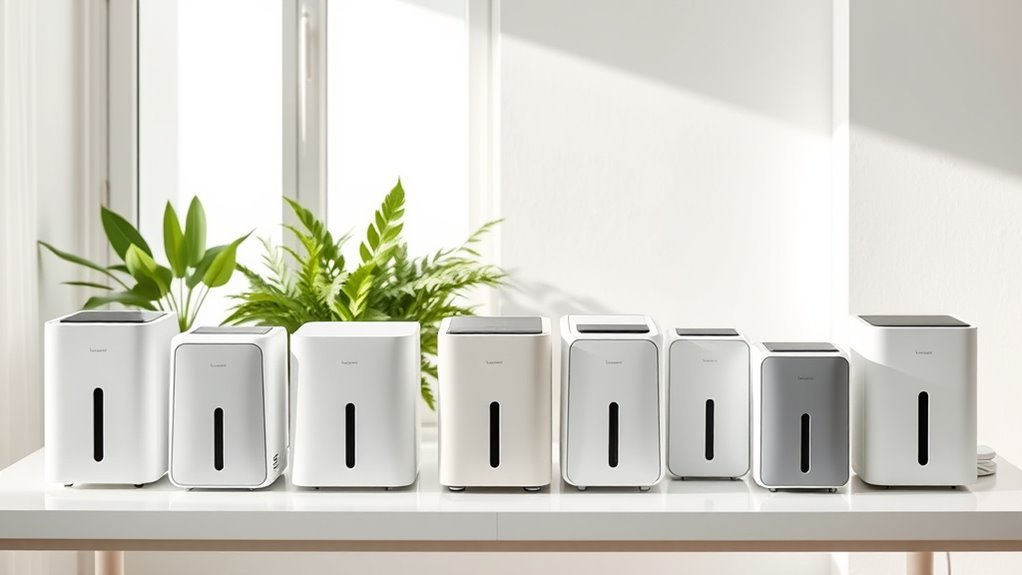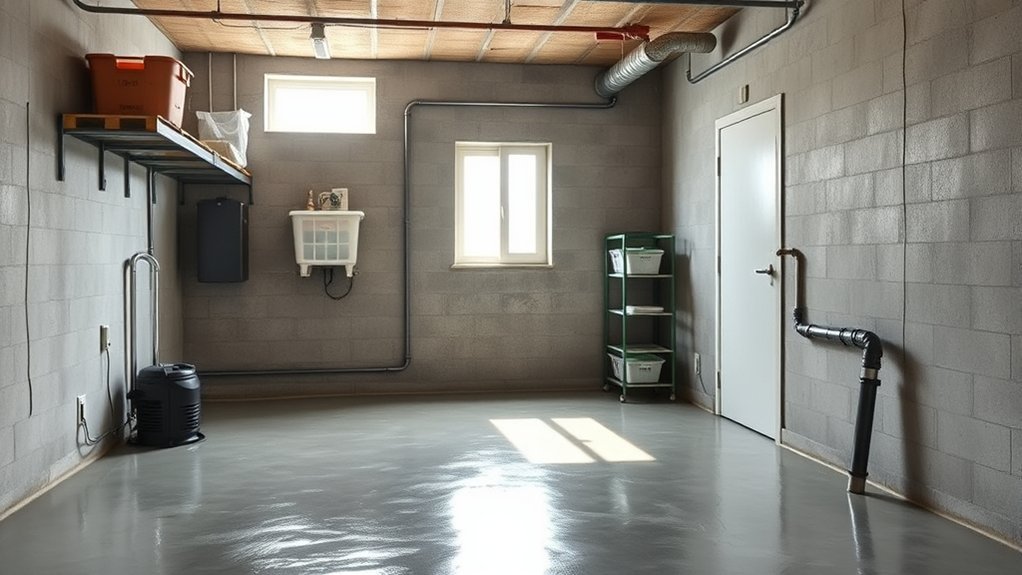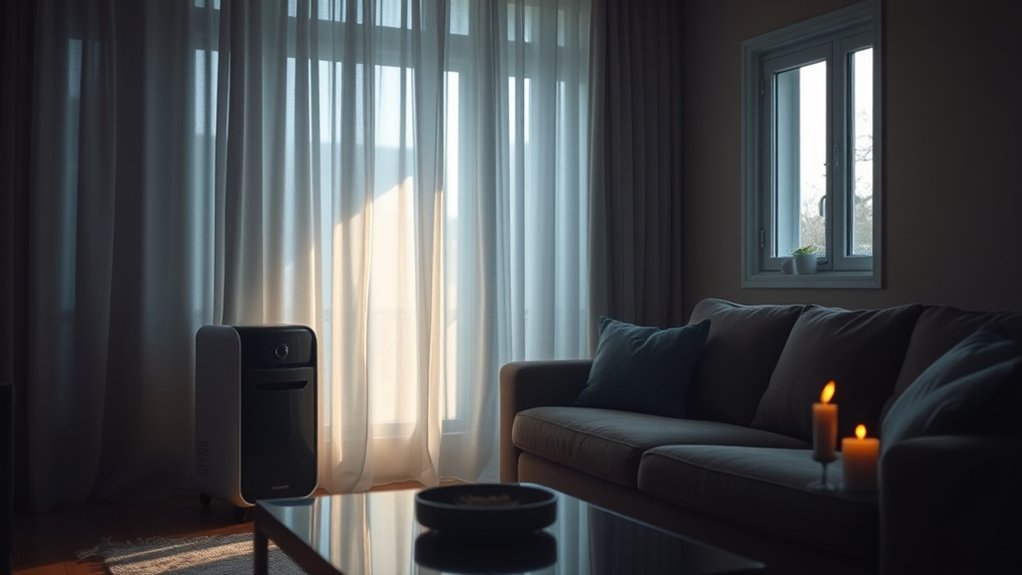
A dehumidifier for smoke smell helps only a little. It lowers humidity, which can make a damp, stale room feel fresher, but it does not remove smoke particles, smoky gases or the residue on walls and fabrics.
To remove smoke odor, you need to clean the residue, filter the air with HEPA and activated carbon, and ventilate when outdoor air is clean. Use the dehumidifier as a support tool, mainly for drying after wet cleaning or firefighting water.
Quick Answer
- A dehumidifier controls moisture. It does not trap fine smoke particles or smoky gases.
- Aim for indoor relative humidity below 60%, ideally 30% to 50%, per the EPA.
- Use a HEPA filter for fine particles and activated carbon for gases and odor.
- Clean walls, ceilings, fabrics, carpets and vents, because smoke residue keeps releasing odor.
- Avoid ozone generators in occupied spaces.
Using a Dehumidifier for Smoke Smell: What It Can and Can’t Do
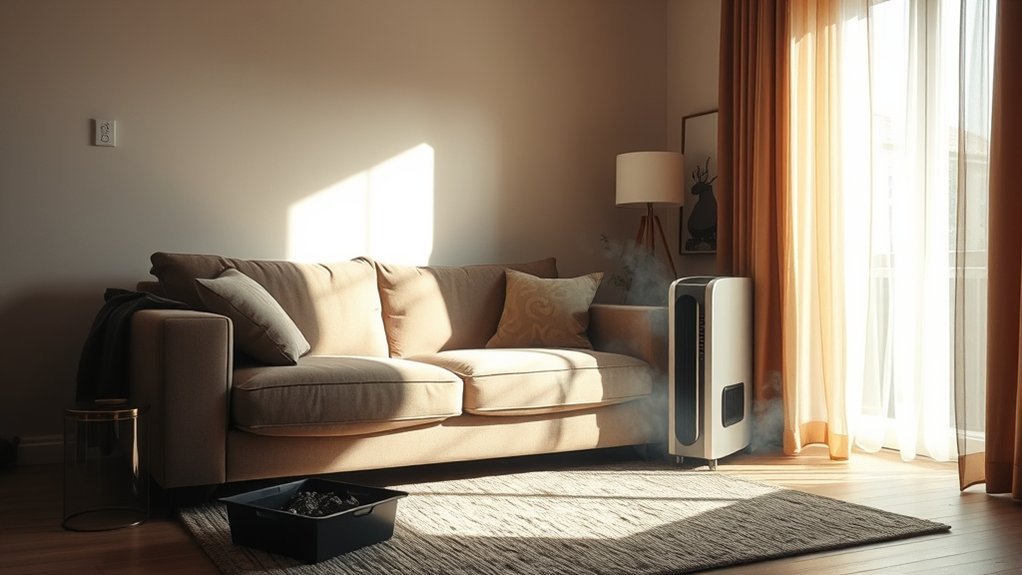
Smoke is a mix of fine particles, gases and sticky residue. According to the U.S. Environmental Protection Agency, filters are generally designed for particles, gases or both, and no air cleaner removes every pollutant. A normal dehumidifier is not designed to capture fine smoke particles or adsorb smoky gases.
| What it can do | What it cannot do |
|---|---|
| Lower indoor relative humidity | Remove fine smoke particles from the air |
| Help damp materials dry after wet cleaning or water exposure | Neutralize smoky VOCs or gases |
| Reduce musty conditions that make a room feel stale | Clean walls, carpets, curtains, furniture or ducts |
| Support mold prevention after moisture exposure | Fix heavy fire or cigarette smoke damage by itself |
Moisture control still matters. The EPA recommends keeping indoor relative humidity below 60%, ideally between 30% and 50%. A hygrometer makes this easy to check. Porous materials stay damp longer in humid rooms, so a dehumidifier helps after steam cleaning carpets, washing walls or dealing with firefighting water.
Why Smoke Smell Lingers Indoors
Smoke odor lingers because smoke settles into carpets, curtains, clothing, upholstery, walls, ceilings and HVAC returns. Even after the air clears, those surfaces can keep releasing odor.
The EPA describes wildfire smoke as a mixture of particles, gases and volatile organic compounds (VOCs). PM2.5 means fine particles with an aerodynamic diameter of 2.5 microns or smaller, which can reach deep into the lungs. That is why running a dehumidifier alone rarely solves the problem.
Does a Dehumidifier Help With Cigarette Smoke?
Only as a support tool. It can make a damp, smoke-smelling room feel less stale, but it will not remove nicotine residue, tar film or fine particles.
For cigarette smoke, cleaning is the biggest job. Wash walls, ceilings, blinds, floors and hard furniture. Launder curtains, bedding, washable covers and clothing. Replace or clean HVAC filters, then run a HEPA purifier with activated carbon.
| Action | Effect |
|---|---|
| Lower humidity | Room feels less damp and stale |
| Clean surfaces | Removes nicotine and smoke residue, so less odor returns |
| Add HEPA filtration | Filters fine airborne particles |
| Add activated carbon | Adsorbs some smoky gases and odors |
Which Filters Help With Smoke Smell?
The best setup usually combines HEPA and activated carbon, because they do different jobs.
Recommended Products

Why Choose the AirHub Air Purifier? AHAM VERIFIED Performance: Certified by the Association of Home Appliance Manufacturers (AHAM), this air purifier has been independently tested to rigorous industry standards for dust, smoke, and pollen removal. With verified CADR ratings, it delivers 4.8 ACH in a 209 ft² room, covers up to 1,092 ft² with 1 ACH. Designed to help improve indoor air quality, it is a trusted, reliable, and professional air purifier for home.

MOOKA B-D02L AIR PURIFIER FOR LARGE ROOM: With the high-efficiency filtration system, the air purifier covers an area up to 1076 ft². 6 air changes per hour in 215 ft², 1 air changes per hour in 1076 ft². Modern design fits in any space from small to large rooms, bedrooms, living rooms, offices, nurseries, kitchens and basements. Perfect for pet owners, babies, children, the elderly, or anyone wanting to improve the air quality

Cleaner Air In Minutes: Purivortex is proven to filter common pollutants from your home’s air. This air purifier purifies rooms up to 880 ft² in one hour. It can purify a 215 ft² room in about 15 minutes, giving you noticeably fresher air in a short time. Breathe clean, crisp air and feel the difference in your space. (*Tested in an ISO 17025 certified laboratory under typical residential room ventilation conditions.)
HEPA for smoke particles
The EPA says a HEPA filter can theoretically remove at least 99.97% of airborne particles at 0.3 microns, the most penetrating particle size. Larger and smaller particles are captured with even higher efficiency. A properly sized HEPA purifier reduces the particle load far better than a dehumidifier.
Activated carbon for odor
Activated carbon adsorbs some VOCs and odor-causing compounds. The EPA notes that carbon filters can be effective for gases when a large amount of material is used, and that there is no widely used rating system for gas removal like the CADR for particles.
In practice, a heavier carbon filter generally performs better than a thin carbon-coated sheet. Replace it when smoky odor returns or when the manufacturer says to.
Prefilter and dehumidifier filter maintenance
A prefilter catches larger dust and lint before it clogs the main filter. In smoky rooms, check washable prefilters often, rinse them only if the manual allows, and let them dry fully before reinstalling.
The same applies to your dehumidifier’s washable intake filter. It protects the machine and keeps airflow steady, but it is not a smoke filter. Unplug the unit before removing it.
| Filter type | Smoke job |
|---|---|
| HEPA | Traps fine smoke particles |
| Activated carbon | Adsorbs some smoky gases and odors |
| Prefilter | Catches larger debris and protects airflow |
| Standard dehumidifier filter | Protects the unit; not a smoke-removal filter |
How to Use a Dehumidifier After Fire Damage
After a fire, a dehumidifier can pull excess moisture from the area, especially if water was used to put out the fire. That helps wet materials dry and reduces mold risk while cleanup happens.
Safety warning: Do not plug in a dehumidifier in a wet, fire-damaged or soot-contaminated area until the electrical system has been checked and the space is cleared for entry. For heavy soot, structural damage, chemical odor or contaminated HVAC, call a qualified fire-restoration professional.
Once the area is safe, choose a unit sized for the room and moisture level. ENERGY STAR explains that capacity is measured in pints per 24 hours and should match both the size of the space and how damp it is.
Keep airflow around the unit clear and run it with doors and windows closed, unless you are deliberately ventilating with clean outdoor air. Keep drying until a hygrometer reads consistently below 60%.
Recommended Products

SnapSafe Silica Gel Dehumidifier Canister - protect your firearms, gun accessories, ammo and more from excess moisture, rust, and corrosion by keeping these reusable gun safe dehumidifier cans handy

Portable and Lightweight Design: This dehumidifier is designed for easy handling and transportation, making it convenient to move and position within your safe

Portable and Lightweight Design: This dehumidifier is designed for easy handling and transportation, making it convenient to move and position within your safe
Better Ways to Remove Smoke Smell
| Method | Benefit | Best use |
|---|---|---|
| HEPA air purifier | Filters fine particles | Room air |
| Activated carbon | Adsorbs some smoky gases | Odor control |
| Ventilation | Flushes stale air | Only when outdoor air is clean |
| Deep cleaning | Removes residue | Walls, ceilings, textiles, floors |
| Professional restoration | Handles embedded contamination | Fire damage or long-term heavy smoking |
If the smoke is coming from outdoors, such as wildfire smoke, do not open windows just to air out the house. Ventilate only when outdoor air is clean enough to bring inside.
Run the air purifier while you clean. Wiping and vacuuming can stir up settled particles, and filtration helps keep them from resettling.
Step-by-Step: What to Clean First
Work from the top of the room down so particles do not fall onto surfaces you already cleaned.
- Remove ash, butts, burned material and other odor sources.
- Clean ceilings, upper walls and high shelves with a mild cleaner that is safe for the surface. Test painted walls in a hidden spot first.
- Wipe furniture, counters, doors, trim, blinds and hard flooring.
- Wash curtains, bedding, blankets, washable slipcovers and clothing following the care labels.
- Clean vents and replace HVAC filters, then check them again after cleanup.
- Vacuum carpets and upholstery slowly, using a HEPA-filter vacuum if you have one. Steam-clean only if the material can handle moisture, then use the dehumidifier to speed drying.
- Replace the purifier’s HEPA and carbon filters on the manual’s schedule, or sooner if they look dirty or smell smoky.
If soot is present after a fire, avoid smearing it with a wet rag. Soot often needs specialized cleaning.
How Long Smoke Odor Removal Takes
There is no fixed timeline. It depends on the smoke source, how long it lasted, how porous the materials are and how quickly you clean. As a rough guide:
- Light cooking smoke: often improves the same day with filtration, airing and wiping surfaces.
- One-time cigarette smoke: may improve within a day or two after cleaning fabrics and running filtration.
- Long-term cigarette smoke: can take repeated cleaning and may need repainting or professional treatment.
- Fire smoke: can take much longer, especially when soot, insulation, ducts or porous materials are affected.
A dehumidifier speeds drying after cleaning, but it will not shorten the job unless residue and airborne smoke are also handled.
Dehumidifier Features That Matter in a Smoke-Affected Space
Choose for moisture control, not air cleaning:
- Correct capacity for your room size and dampness.
- Built-in humidistat to hold a target humidity.
- Continuous drain option for long runs after cleaning.
- Auto shut-off when the bucket is full.
- Washable prefilter that is easy to reach for regular cleaning.
If a dehumidifier is advertised with HEPA or carbon filtration, check the specifications carefully. A separate air purifier with a suitable smoke CADR and a substantial carbon filter is usually the better choice for smoke.
Avoid ozone generators as a DIY smoke fix in occupied spaces. The EPA says no federal agency has approved these devices for use in occupied spaces, and ozone can cause health problems.
Frequently Asked Questions
Will a dehumidifier get rid of the smell of smoke?
No. A dehumidifier may make a damp room feel less stale, but it will not remove smoke particles, smoky gases or residue from surfaces. Use it alongside HEPA filtration, activated carbon, ventilation when outdoor air is clean, and deep cleaning of walls and fabrics.
What is the best way to get rid of smoke smell in a house?
Combine several steps: remove the source, clean residue from surfaces and fabrics, run a HEPA air purifier with activated carbon, replace HVAC filters, and control humidity with a dehumidifier if the room is damp. No single device solves the whole problem.
Do air purifiers dry indoor air?
No. Air purifiers filter air and do not remove water vapor. If indoor humidity is high, use a dehumidifier and monitor the room with a hygrometer so you can see whether humidity is actually dropping toward the recommended range.
How do professionals get rid of cigarette smell?
Professionals typically combine deep cleaning, source removal, HEPA filtration, activated carbon, sealing or repainting stained surfaces, and treatment of HVAC components when needed. Some restoration companies use ozone in controlled, unoccupied conditions, but it is not a safe DIY treatment for occupied rooms.
What humidity level is best after smoke cleanup?
Keep indoor relative humidity below 60%, and aim for about 30% to 50% when possible. This helps cleaned materials dry and reduces the chance of moisture-related problems such as mold growth on damp fabrics or carpet.
Can I use a dehumidifier during wildfire smoke?
Yes, if the room is humid, but keep windows and doors closed while outdoor smoke is present. Use a HEPA air purifier to reduce indoor fine particles, and ventilate only when outdoor air quality improves. The dehumidifier will not filter the smoke itself.
Related Guides
- Does a Dehumidifier Help With Dust?
- Does a Dehumidifier Help With Mold?
- Does a Dehumidifier Help With Allergies?
- Does a Dehumidifier Help With Dust Mites?
Sources
- U.S. EPA: Guide to Air Cleaners in the Home
- U.S. EPA: What Is a HEPA Filter?
- U.S. EPA: Wildfire Smoke, a Complex Mixture
- U.S. EPA: Mold Course Chapter 2
- ENERGY STAR: Dehumidifiers
- U.S. EPA: Ozone Generators That Are Sold as Air Cleaners