Affiliate disclosure: As an Amazon Associate, we may earn from qualifying purchases. Product specifications, warranty terms, certification status, and availability can change, so confirm the current Amazon listing and manufacturer instructions before buying.
A cottage dehumidifier needs enough moisture-removal capacity for the actual humidity load, dependable drainage when nobody is present, and an approved operating-temperature range for seasonal use. For most moderately damp cottages, the Midea 22 Pint offers the best balance of capacity and straightforward controls. The AEOCKY Boreas provides more reserve for larger, warmer, persistently humid areas, while the Midea Cube 20 Pint is the strongest option when smart monitoring and a large collection tank matter most.
Important capacity note
Pint ratings are not always measured under the same temperature and humidity conditions. Some products use a standardized daily capacity, while others advertise a higher maximum measured in very hot, highly humid air. Do not rank these models by the largest pint number alone.
Quick Verdict
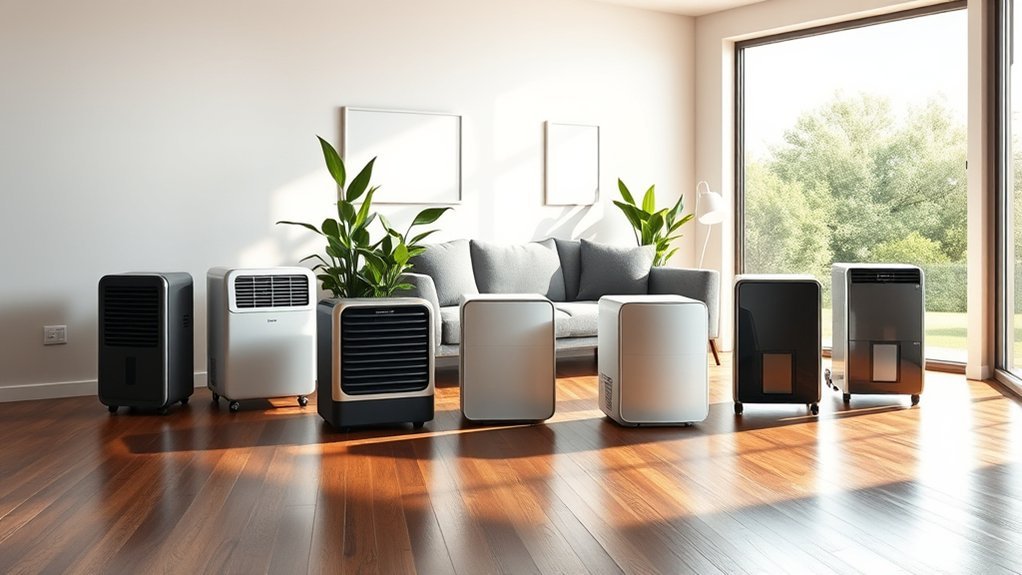
Choose by moisture load, room temperature, drainage route, and layout rather than square footage alone. The Midea 22 Pint or Midea Cube 20 Pint can suit a moderately damp bedroom, living area, or small cottage. Consider the AEOCKY, Waykar, or PLUSCENT when you need different capacity, efficiency, or operating-mode options. For unattended use, prioritize tested continuous drainage, auto restart, auto defrost, and regular property inspections.
Quick Comparison of the Best Cottage Dehumidifiers
| Product | Best For | Capacity Label and Test Conditions | Advertised Coverage | Drainage | Amazon |
|---|---|---|---|---|---|
| Midea 22 Pint | Best overall for moderate humidity | 22 pints/day listed capacity | Up to 1,500 sq. ft. | Tank or gravity hose; no built-in pump | Check Price |
| AEOCKY Boreas | Large, warm, persistently damp cottages | Up to 50 pints/day at 95°F/95% RH; brand also lists 38 pints/day at 86°F/80% RH | Up to 3,500 sq. ft. | Tank or gravity hose | Check Price |
| Waykar PD160B | ENERGY STAR-certified efficiency | 34 pints/day at 95°F/90% RH; 9.81 pints/day in ENERGY STAR data | Up to 2,000 sq. ft. | Tank or included gravity hose | Check Price |
| Midea Cube 20 Pint | Smart control and fewer tank-emptying trips | 20 pints/day listed capacity | Up to 1,500 sq. ft. | Large tank or gravity hose; no built-in pump | Check Price |
| PLUSCENT PD10 | Multiple operating modes | Up to 32 pints/day at 95°F/90% RH | Up to 2,500 sq. ft. | 2L tank or gravity hose | Check Price |
How these picks were compared
The products were evaluated by listed and standardized capacity information, drainage options, humidity controls, auto-defrost and auto-restart features, tank size, portability, smart controls, operating-temperature limitations, and suitability for seasonal cottage use. Coverage figures are manufacturer estimates. Room temperature, starting humidity, layout, air leakage, and drainage setup can significantly change real-world results.
Midea 22 Pint EasyDry Dehumidifier with Filter
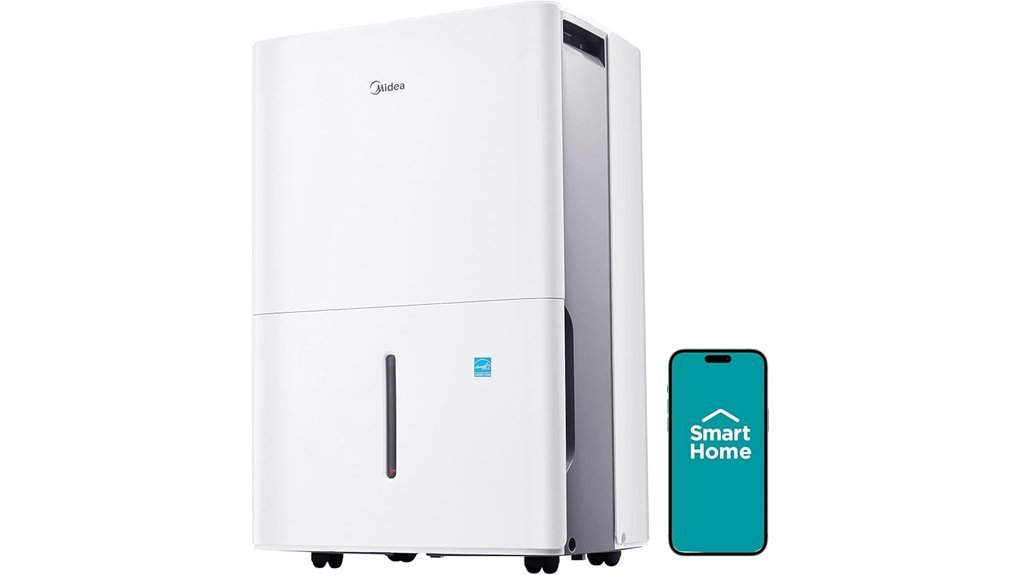
Best Overall: The Midea 22 Pint is a balanced option for a small cottage, finished basement, bedroom, or open living area with moderate dampness. It has a listed 22-pint daily capacity and is advertised for spaces up to 1,500 square feet. Its relatively simple design is a good fit for owners who want basic humidity control without paying for smart-home functions they may not use.
Why You’ll Like It: The current Midea product information confirms a built-in timer, four wheels, and a one-year warranty. The Amazon listing and manual should be checked for the exact drain-hose requirements, humidity-setting range, included parts, and minimum operating temperature. Unlike some similarly named Midea models, this EasyDry version is not listed by Midea as having smart app control.
Who Should Buy This: Cottage owners who want a recognizable, moderate-capacity compressor dehumidifier for everyday humidity control in a smaller or moderately damp area.
Who Should Avoid This: Owners who need remote monitoring, a built-in condensate pump, or more reserve for a very wet basement, large open cottage, or active water intrusion.
Pros:
- Listed 22-pint capacity for moderate cottage humidity.
- Advertised for rooms up to 1,500 sq. ft.
- Built-in timer and wheels improve everyday usability.
- Straightforward controls suit owners who do not need Wi-Fi features.
Cons:
- No listed smart control or built-in drainage pump.
- It may be undersized for large basements or severe moisture problems.
- Exact noise, drain-hose, and humidity-range details should be confirmed for the current listing revision.
AEOCKY Boreas Dehumidifier for Basement and Home
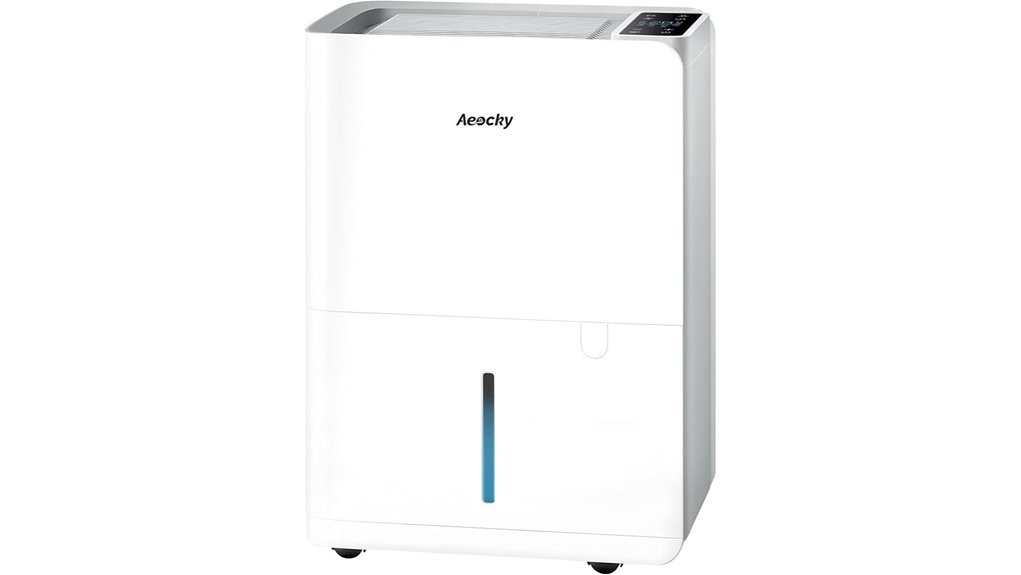
Best for Large or Persistently Damp Cottages: The AEOCKY Boreas is marketed for spaces up to 3,500 square feet. The manufacturer lists maximum removal of up to 50 pints per day at 95°F and 95% relative humidity, plus 38 pints per day at 86°F and 80% relative humidity. These hot, humid test conditions should be considered before comparing its headline number with a standardized capacity rating.
Why You’ll Like It: The unit includes automatic humidity control, auto defrost, tank collection, gravity-hose drainage, castors, and a carry handle. AEOCKY also lists approximately 40 dB operation and a three-year warranty. Continuous drainage can reduce tank-emptying visits when the cottage has a safe downhill route to an approved drain.
Who Should Buy This: Owners dealing with persistent dampness in a warmer basement, large lower level, garage, or connected living area where a smaller unit runs for long periods.
Who Should Avoid This: Buyers with only a small room problem or an unheated cottage that becomes colder than the model’s approved range. The manufacturer describes operation down to approximately 59°F, so this is not a freezing-weather solution.
Pros:
- Higher maximum-condition capacity for warm, humid cottage spaces.
- Auto defrost and humidity control support changing indoor conditions.
- Tank and gravity-hose drainage provide installation flexibility.
- Manufacturer currently lists a three-year warranty.
Cons:
- The 50-pint maximum-condition label is not directly comparable with every standardized pint rating.
- It is not intended for freezing or near-freezing cottage temperatures.
- No built-in pump is identified for moving water uphill.
Waykar PD160B ENERGY STAR Dehumidifier with Drain Hose
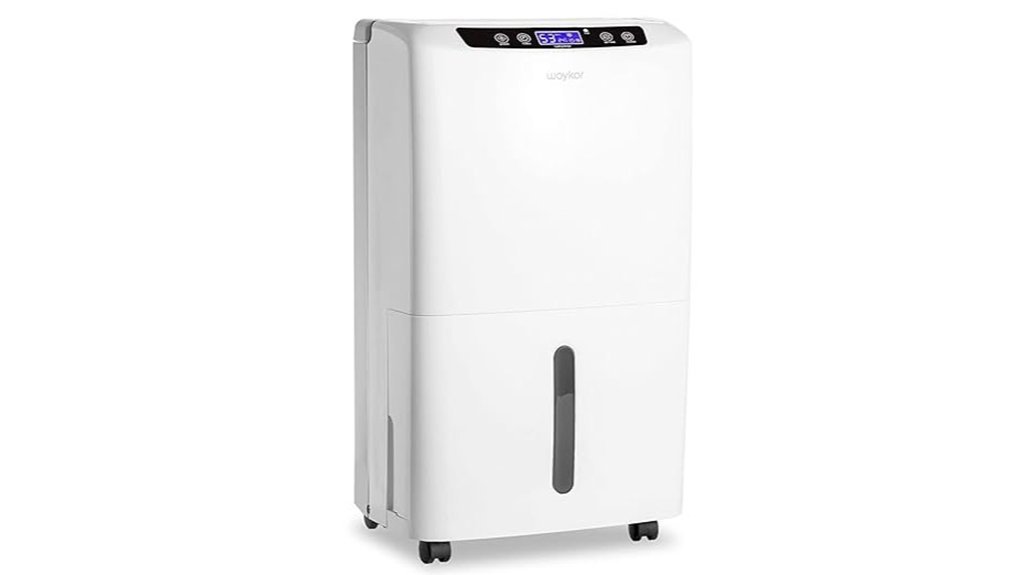
Best ENERGY STAR-Certified Pick: The Waykar PD160B is advertised at 34 pints per day under 95°F and 90% relative-humidity conditions and for spaces up to 2,000 square feet. The ENERGY STAR product database lists a standardized water-removal capacity of 9.81 pints per day. Showing both figures provides a more accurate basis for comparison.
Why You’ll Like It: You can adjust the humidity setting, select between fan speeds, and use the 24-hour timer to manage operation. The removable tank and included gravity-drain hose provide two water-removal options, while wheels and a handle make it easier to reposition on a level floor.
Who Should Buy This: Cottage owners who value verified ENERGY STAR certification, adjustable controls, and an included hose for continuous downhill drainage.
Who Should Avoid This: Buyers who cannot position the unit above a suitable drain point or who need a pump to move condensate upward. The relatively small tank may also require frequent emptying during wet weather.
Pros:
- ENERGY STAR-certified PD160B model.
- Advertised coverage up to 2,000 sq. ft.
- Includes a removable tank and gravity-drain hose.
- Adjustable humidity, fan-speed, airflow, and timer controls.
Cons:
- The advertised 34-pint maximum and standardized 9.81-pint figure use different test methods.
- Gravity drainage requires a continuously descending hose route.
- The tank can fill quickly during sustained high-humidity operation.
Midea Cube 20 Pint Smart Dehumidifier
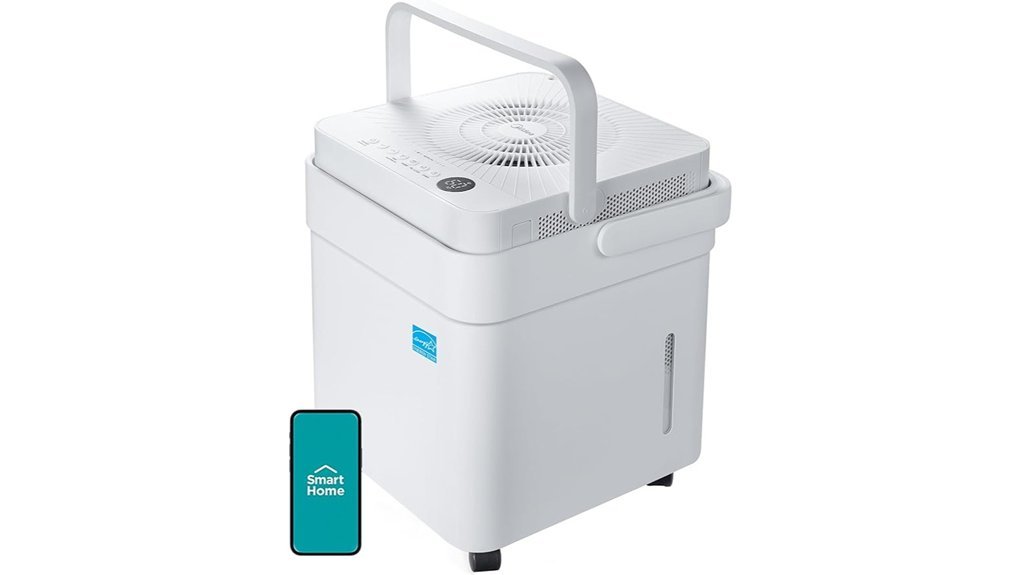
Best Smart Pick: The Midea Cube 20 Pint is designed for spaces up to 1,500 square feet and combines smart control with a lift-and-twist body. You can extend the unit for greater water-storage capacity or nest it into a shorter shape for storage and transport.
Why You’ll Like It: The 3.2-gallon tank can reduce emptying frequency compared with many conventional 20-pint units. The included hose supports continuous gravity drainage when it can run downhill to a suitable outlet. SmartHome app control, compatible voice-assistant functions, wheels, auto restart, auto defrost, and multiple fan speeds add useful convenience.
Who Should Buy This: Tech-friendly cottage owners who want remote monitoring, longer tank runtime, and a design that stores more compactly between visits.
Who Should Avoid This: Buyers who need a lightweight unit for stairs, a built-in drainage pump, or substantially more capacity for a severely damp cottage. Smart functions also depend on a compatible and reliable Wi-Fi connection.
Pros:
- Smart app control and compatible voice-assistant features.
- Large 3.2-gallon tank reduces emptying frequency.
- Lift-and-twist design supports extended use and compact storage.
- Continuous drainage, wheels, auto restart, and auto defrost.
Cons:
- The approximately 33-pound body can be awkward to carry between floors.
- The 20-pint capacity is intended for moderate rather than severe moisture loads.
- No built-in pump for an uphill drainage route.
PLUSCENT PD10 Dehumidifier for Large Rooms
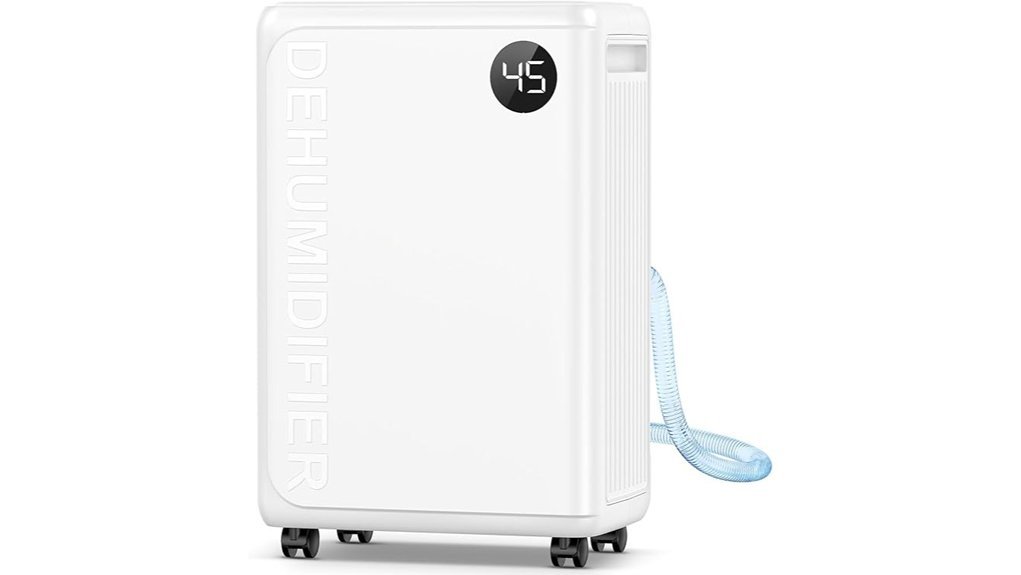
Best for Multiple Operating Modes: The PLUSCENT PD10 is advertised at up to 32 pints per day under 95°F and 90% relative-humidity conditions and for spaces up to 2,500 square feet. It provides standard humidity control, continuous operation, and a clothes-drying mode for cottages that alternate between everyday moisture management and wet-weather laundry needs.
Why You’ll Like It: The current listing describes a 24-hour timer, child lock, auto restart, washable filter, wheels, auto defrost, and an adjustable humidity range. You can use the 2-liter tank with automatic shutoff or connect the included gravity-drain hose for continuous drainage.
Who Should Buy This: Buyers who want several operating modes, a compact body, and both tank and hose drainage.
Who Should Avoid This: Owners who specifically need established smart-home integration, independently verified efficiency data, or a built-in pump that can move water uphill. Warranty and service terms should be confirmed before purchase.
Pros:
- Three modes support humidity control, continuous operation, and laundry drying.
- Includes timer, child lock, auto restart, auto defrost, and washable filter.
- Tank and gravity-hose drainage provide flexible water removal.
- Compact design is easier to place in a smaller cottage room.
Cons:
- The 32-pint figure is a hot, highly humid maximum-condition rating.
- The 2-liter tank may fill quickly in wet conditions.
- No listed built-in pump or established smart-home integration.
Factors to Consider When Choosing a Dehumidifier for a Cottage
The right dehumidifier for a cottage depends on the moisture load, room layout, operating temperature, drainage route, electrical supply, and how often someone can inspect the property. Square-foot coverage is useful for an initial comparison, but capacity test conditions and actual humidity levels are more important.
Cottage Size and Layout
Start with the area you actually need to dry. A closed bedroom is easier to control than an open cottage with several connected rooms, a crawlspace, or a damp basement. Manufacturer coverage figures assume favorable conditions and should be treated as estimates. Doorways, air leakage, ceiling height, outdoor humidity, and limited air circulation can all reduce performance. For several closed rooms, one centrally placed unit may not move enough air, so you may need to leave doors open or use more than one dehumidifier.
Moisture-Removal Capacity and Test Conditions
Compare the listed pints per day together with the temperature and relative humidity used for the rating. A maximum measured at 95°F and 90% or 95% relative humidity should not be compared directly with a standardized capacity measured under less extreme conditions. A larger tank reduces emptying frequency, but it does not make a low-capacity machine remove moisture faster.
A 20- to 22-pint standardized model can suit moderate humidity in a smaller cottage area. Models with higher standardized capacity provide more reserve for basements, large rooms, wet seasons, and spaces that remain above 60% relative humidity. Extraction normally falls as the room becomes cooler or less humid, so choose conservatively and monitor the results with a separate hygrometer.
Quiet Operation
Compressor dehumidifiers create fan and compressor noise, and high-speed or continuous settings are usually louder. Compare ratings measured under similar modes and conditions rather than comparing one brand’s minimum figure with another brand’s maximum figure. Place the unit on a firm, level surface and keep it away from loose flooring, furniture, and walls that may amplify vibration.
Drainage Options
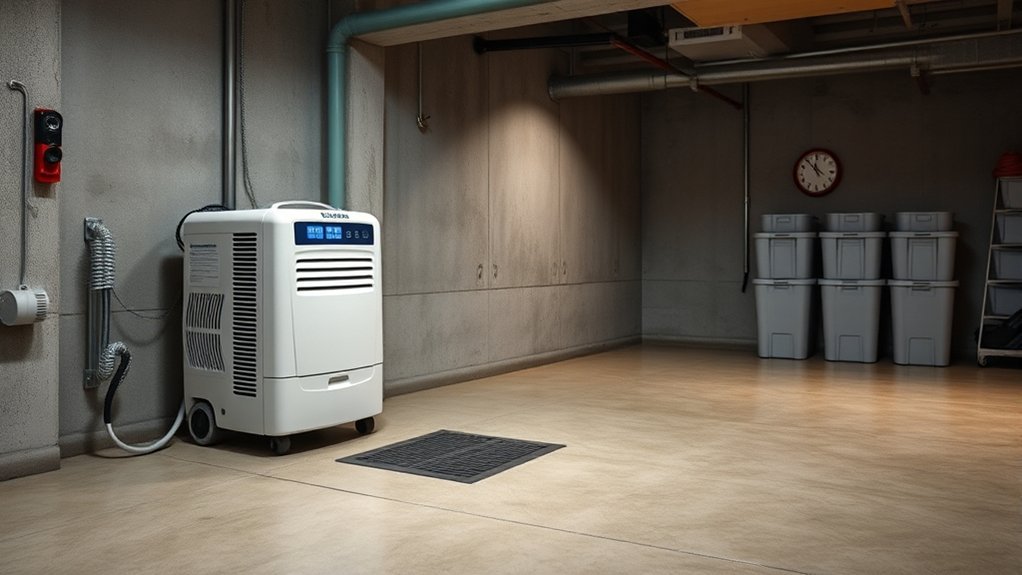
A drain hose is one of the most useful cottage features. Gravity drainage works only when the hose slopes continuously downward to a floor drain, sink, or other approved outlet. Avoid loops, kinks, long flat sections, and uphill runs. If the drain is above the unit, choose a model with a built-in pump or use a compatible external condensate pump. None of the five products in this article should be assumed to pump water uphill.
Always test the complete drainage setup while someone is present. Confirm that the hose connection does not leak, the outlet cannot become blocked, and the discharged water cannot freeze, back up, or damage the building.
Energy Efficiency
Look for current ENERGY STAR certification where applicable, an accurate humidistat, and an automatic mode that cycles the compressor after reaching the set point. A correctly sized model may use less electricity than an undersized unit that runs continuously. Keep doors and windows closed while it operates, clean the filter as directed, and repair plumbing leaks or rainwater entry instead of expecting the appliance to compensate for an active water source.
Portability and Weight
Check the weight before buying, especially if the cottage has stairs. Wheels help on smooth floors but not on steps, thresholds, gravel, or uneven surfaces. Built-in handles and a compact footprint make seasonal storage easier. Empty the tank, disconnect the hose, and let the unit dry before moving or storing it.
Humidity Control Settings
A practical target for many cottages is around 40% to 50% relative humidity. Settings much lower than this can increase energy use, while sustained levels above 60% can contribute to musty odors, condensation, and moisture problems. Use a separate hygrometer to confirm conditions in more than one location because the sensor inside a dehumidifier measures air close to the machine.
Cold-Weather Performance
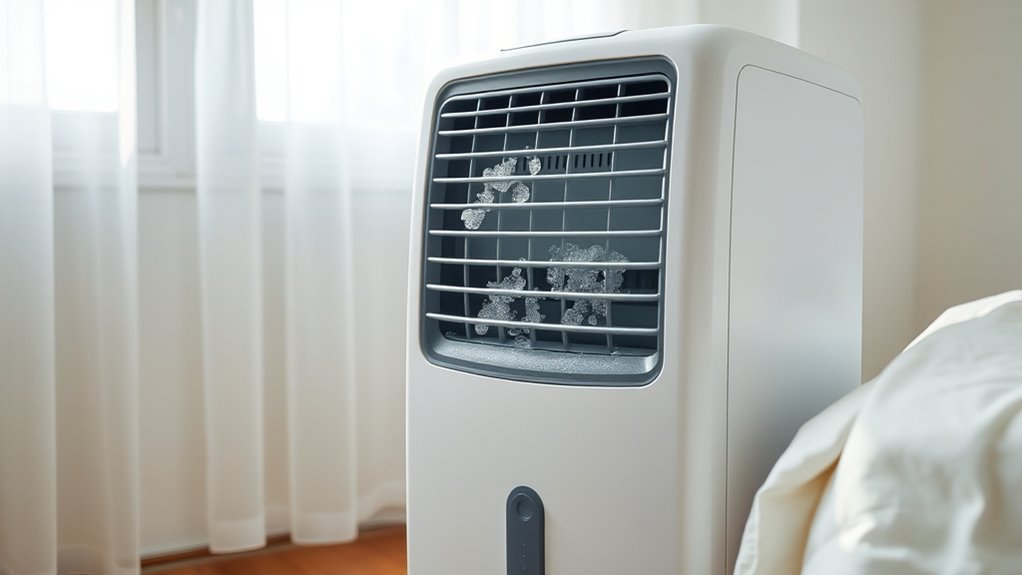
Compressor dehumidifiers lose efficiency as temperatures fall, even when they include auto defrost. Check the manufacturer’s minimum operating temperature and do not assume that “auto defrost” means the unit can run in freezing conditions. For an unheated cottage, winterize the property, repair water entry, and use equipment specifically approved for the expected temperature. Unplug and drain the unit if the space will fall below its permitted range.
Electrical Supply and Unattended Use
Confirm that the exact model matches the cottage’s voltage and frequency and can be connected to a properly grounded outlet. Follow the manual’s extension-cord and circuit requirements. Avoid damaged receptacles, overloaded circuits, loose adapters, and locations where the plug or cord could become wet.
Continuous drainage and auto restart can make operation more convenient, but they do not make a dehumidifier maintenance-free. Inspect the filter, hose, tank, drain outlet, electrical connection, and surrounding floor regularly. Smart alerts can help with monitoring, but they cannot detect every leak, blockage, freeze-up, or power problem.
Before You Buy Checklist
- Measure the area and note whether interior doors will remain open or closed.
- Check the typical temperature and relative humidity.
- Compare capacity ratings and their stated test conditions.
- Plan a safe gravity drain or pump route before ordering.
- Confirm the minimum operating temperature in the exact manual.
- Verify whether auto restart restores the previous settings after an outage.
- Check dimensions, weight, filter access, hose length, and cord reach.
- Confirm voltage, frequency, grounding, warranty terms, and current certification.
Important moisture note
A dehumidifier manages airborne moisture but does not repair roof leaks, plumbing leaks, groundwater seepage, poor grading, missing vapor barriers, or damaged building materials. Fix active water entry first and seek qualified help for widespread mold, electrical hazards, or structural moisture damage.
Frequently Asked Questions
How Often Should a Cottage Dehumidifier Tank Be Emptied?
Empty the tank whenever it reaches the full mark. In a wet cottage, that may happen once or several times a day. In milder conditions, it may take several days. For unattended operation, use a tested continuous-drain setup and continue to inspect the unit and hose regularly.
Can a Dehumidifier Run Safely in an Unheated Cottage?
Only when the room remains within the operating-temperature range stated in the exact manual. Auto defrost can help during cool conditions, but it does not make a standard compressor model suitable for freezing temperatures. Unplug and drain the unit before the cottage drops below its approved range.
What Humidity Level Is Best for Cottages Year-Round?
A target around 40% to 50% relative humidity works well for many cottages. Conditions vary by climate, building construction, and season, so use a separate hygrometer and watch for window condensation, musty odors, and damp materials.
Do Cottages Need a Dehumidifier With a Drain Hose?
A hose is strongly recommended when the cottage is frequently damp or left unoccupied for extended periods. It prevents the unit from stopping as soon as the tank fills. Gravity drainage must run downhill without kinks, while an uphill route requires a built-in or compatible external pump.
Can I Leave a Cottage Dehumidifier Running While I Am Away?
Follow the manufacturer’s unattended-operation instructions and local electrical-safety requirements. Test the drain hose, auto restart, full-tank shutoff, and humidity setting before leaving. Arrange periodic inspections because hoses can shift or clog, drains can back up, filters can become dirty, and power interruptions can affect operation.
How Much Electricity Does a Cottage Dehumidifier Use?
Electricity use varies by standardized capacity, efficiency, fan speed, temperature, humidity, and compressor runtime. Check the wattage or energy label on the exact model, convert the wattage to kilowatts, and multiply it by operating hours and your utility rate. An accurate humidistat and correctly sized unit can reduce unnecessary runtime.
Where Should a Dehumidifier Be Placed in a Cottage?
Place it on a level surface near the dampest area, with the air inlet and outlet clear of walls, curtains, and furniture. Follow the manual’s clearance requirements. Keep exterior doors and windows closed while it runs, and position the unit close enough to the drain for the hose to maintain a safe downward slope.
Can One Dehumidifier Dry an Entire Cottage?
One unit can work in a small, open layout with good air circulation, but closed rooms and multiple floors may remain humid. Leave interior doors open where practical, use fans to improve airflow, and place hygrometers in more than one room before deciding whether an additional unit is needed.
Conclusion
The Midea 22 Pint is the strongest all-around choice for a moderately damp small cottage because it combines a recognized 22-pint capacity, straightforward controls, a timer, and easy room-to-room movement. Choose the AEOCKY Boreas when you need more extraction reserve in a warmer, persistently damp area, the Waykar PD160B when ENERGY STAR certification is a priority, the Midea Cube 20 Pint for smart control and a large tank, or the PLUSCENT PD10 for multiple operating modes.
Do not compare the headline pint numbers without checking their test conditions. Plan the drainage route before buying, verify the minimum operating temperature and electrical requirements, and use separate hygrometers to confirm conditions throughout the cottage. A correctly selected dehumidifier can improve comfort and reduce musty conditions, but active leaks and structural moisture problems still require direct repair.
Final Recommendation
For most moderately damp small cottages, start with the Midea 22 Pint. Consider the AEOCKY Boreas for a larger, warmer, persistently humid area, but confirm that the cottage will remain within its approved temperature range. Choose the Midea Cube instead when remote monitoring and a large tank are more important.