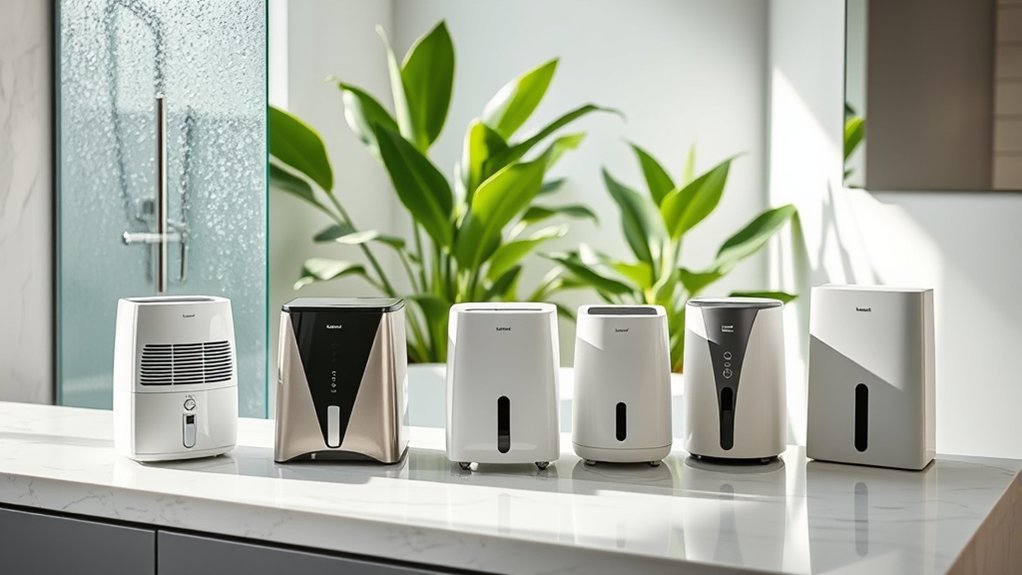
If you need a 95-pint class dehumidifier for a basement, crawl space, garage, or other damp large area in 2026, the right pick depends on how much moisture you need to remove, how you plan to drain water, and whether you want a built-in pump. This guide compares high-capacity options like the DECIUU 100 Pint with pump, MEPTY 6000 Sq.Ft model, Gasbye Energy Star unit, Glowells PD12A, avylo 90 Pint, AlorAir Sentinel HD55S, and Airzentti 155 Pint commercial model. Some are better for finished basements, some are built for crawl spaces, and others make more sense for serious moisture or restoration-style jobs.
Quick Verdict:
For most large basements, start with a 90 to 120 pint model that includes continuous drainage, auto shutoff, washable filters, and smart humidity control. Choose a built-in pump if your drain is above the unit or far from the placement area. For crawl spaces, the AlorAir Sentinel HD55S is easier to justify because it is built for tougher installation areas. For warehouses, restoration work, or very wet oversized rooms, the 155-pint Airzentti model is the stronger heavy-duty option.
| Product | Best For | Capacity / Coverage | Drainage Highlight | Amazon |
|---|---|---|---|---|
| DECIUU 100 Pint Dehumidifier with Pump | Large damp basements | 100 pints/day, up to 5,000 sq. ft. | Built-in pump lifts water up to 16.4 ft | Check Price |
| MEPTY 6000 Sq.Ft Dehumidifier | Quiet large-room moisture control | 100 pints/day, up to 6,000 sq. ft. | Continuous gravity drain hose option | Check Price |
| Gasbye Energy Star Dehumidifier | Energy-conscious basement use | 115 pints/day | Tank or continuous hose drainage | Check Price |
| Glowells PD12A 6500 Sq.Ft Dehumidifier | Very large basements and laundry areas | 120 pints/day, up to 6,500 sq. ft. | Manual or hose drainage | Check Price |
| avylo 90 Pint Dehumidifier with Pump | Quiet basement drying with pump drainage | 90 pints/day, up to 4,500 sq. ft. | Built-in pump lifts water up to 15 ft | Check Price |
| ALORAIR Sentinel HD55S | Crawl spaces and tough utility areas | 120 pints/day, 55 PPD AHAM, up to 1,300 sq. ft. | Continuous drainage setup | Check Price |
| Airzentti 155 Pint Commercial Dehumidifier | Commercial spaces and serious moisture | 155 pints/day, up to 7,500 sq. ft. | Built-in pump lifts water up to 16.4 ft | Check Price |
Before You Buy:
Match the unit to your basement size, humidity level, drain location, and noise tolerance. A bigger pint rating can dry faster, but it may also mean a larger body, stronger airflow, more sound, and a higher upfront cost.
DECIUU 100 Pint Dehumidifier with Pump
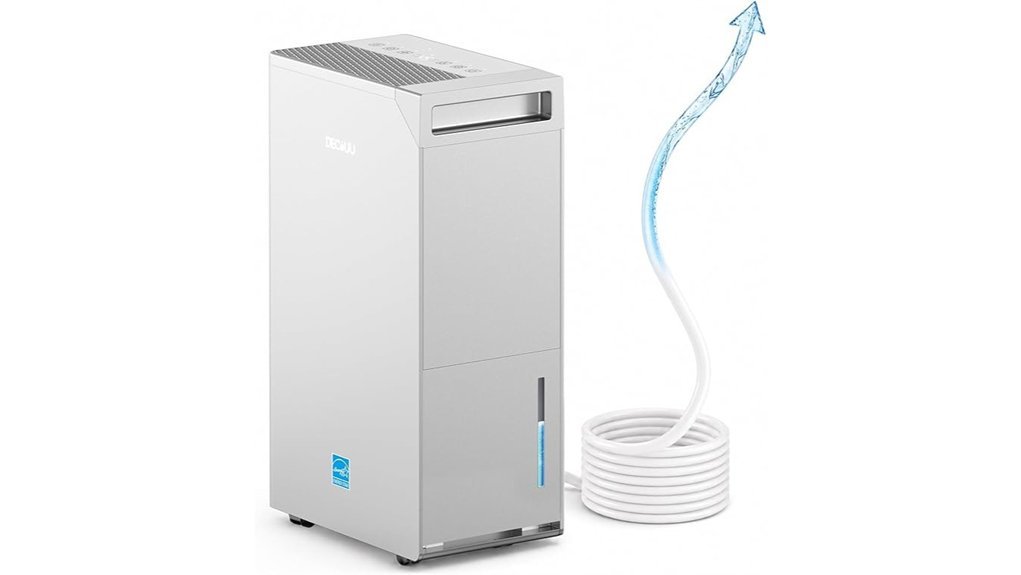
If you need a basement dehumidifier built for large, damp spaces, the DECIUU Max 100 Pint Dehumidifier with Pump is a strong fit for you. It covers up to 5,000 sq. ft. and removes up to 100 pints of moisture per day in extreme humidity. You get energy-conscious performance with ENERGY STAR certification and Most Efficient 2024 status as described in the product details. The sensor lets you set humidity from 35% to 80%. Use the built-in pump for upward drainage up to 16.4 feet, or drain continuously with the included hose. A washable filter, wheels, and 2-year warranty make upkeep easier.
Best For: This dehumidifier is best for homeowners or property managers needing powerful moisture removal in large, damp spaces like basements, with flexible drainage options and easy maintenance.
Why You’ll Like It: The pump is the main advantage here. If your basement drain, sink, or discharge point sits higher than the unit, you do not have to rely only on gravity drainage. That can make placement much easier in real basement layouts.
Who Should Avoid This: Skip it if you only need light moisture control in a small bedroom, closet, or mild-humidity room. A 100-pint unit may be more machine than you need.
Pros:
- Covers up to 5,000 sq. ft. and removes up to 100 pints of moisture per day in very humid conditions
- Built-in pump supports upward drainage up to 16.4 feet, with an included hose for continuous drainage
- ENERGY STAR certified, with a washable filter, mobility wheels, and a 2-year warranty
Cons:
- The 100-pint capacity may be more than needed for smaller rooms or mild humidity
- The tank still requires manual emptying if you are not using continuous drainage or the pump
- Larger-capacity dehumidifiers can be bulkier and use more space than compact models
MEPTY 6000 Sq.Ft Dehumidifier with Smart Humidity Control
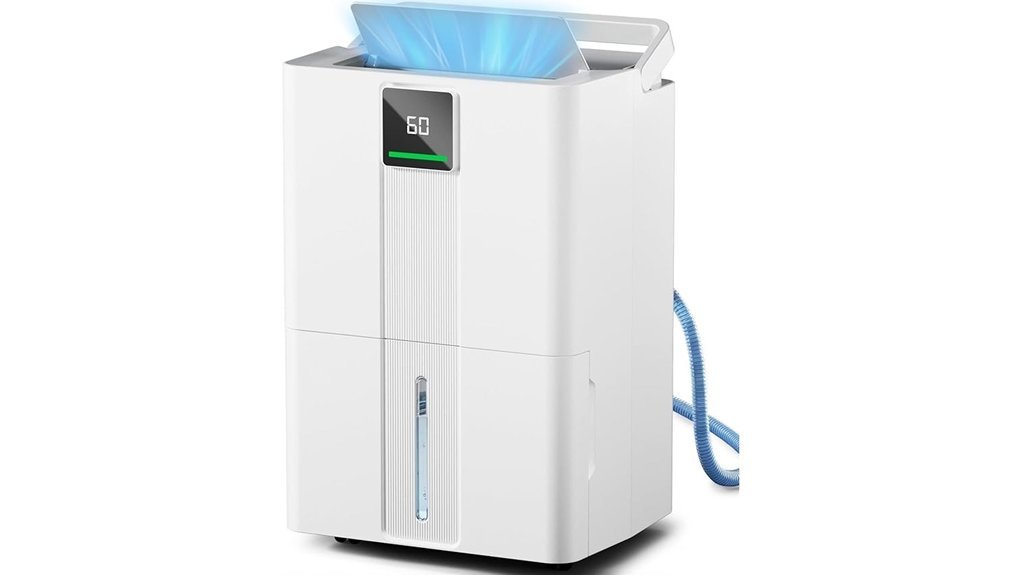
The MEPTY 6000 Sq.Ft Dehumidifier suits large basements that need fast, reliable moisture control. You can pull up to 100 pints a day from damp spaces, and it handles areas as large as 6,000 sq. ft. Choose Auto, Sleep, or Dry mode, and set the 24-hour timer for your routine. The 35 dB Sleep mode keeps noise low for a high-capacity unit. Use the drain hose for continuous gravity drainage, or let the 1.5-gallon tank auto shut off when full. You’ll see humidity instantly, move it easily, and clean the filter without tools.
Best For: Homeowners or property managers needing powerful, whole-space moisture control for large basements, garages, or up to 6,000 sq. ft. areas.
Why You’ll Like It: This model is especially appealing if you want a large-space dehumidifier that still focuses on quiet operation. The Auto, Sleep, and Dry modes also make it easier to match performance to your room instead of running at full output all the time.
Who Should Avoid This: Avoid it if you need pump drainage. This product section highlights gravity drainage, so you should confirm your drain location before choosing it.
Pros:
- Removes up to 100 pints of moisture per day for strong dehumidification performance.
- Offers flexible operation with Auto, Sleep, and Dry modes plus a 24-hour timer.
- Easy to use and maintain with continuous drainage, a removable filter, and portable casters.
Cons:
- Larger capacity unit may take up more space than compact dehumidifiers.
- Best suited for bigger areas, so it may be overkill for small rooms.
- Requires either emptying the tank or setting up the drain hose for best unattended use.
Gasbye Energy Star Dehumidifier for Basements & Large Rooms
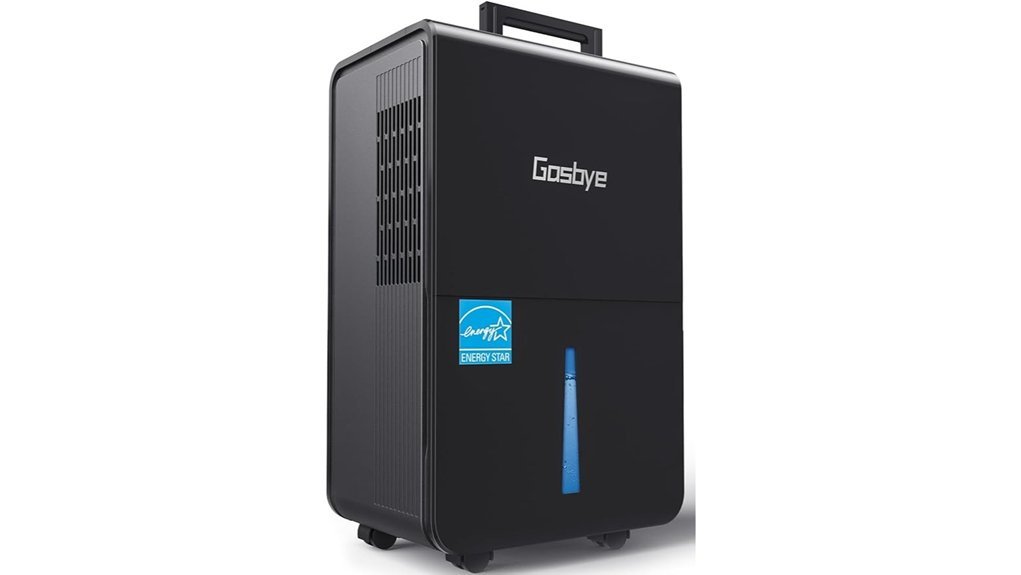
With Energy Star-focused efficiency and 115-pint capacity, Gasbye tackles damp basements and large rooms fast. You can remove up to 115 pints a day in humid conditions, and it is positioned for strong output in cooler spaces. Its quiet 45dB operation is useful if your basement doubles as a TV room, office, gym, or workshop. You get a 1.7-gallon tank, plus a 5-foot hose and garden hose adapter for continuous drainage. Smart controls shut it off at your target and restart it as humidity changes. If issues come up, U.S. support is listed as part of the product support experience.
Best For: Homeowners with basements, garages, or large rooms who want a high-capacity, energy-efficient dehumidifier with quiet operation and flexible drainage options.
Why You’ll Like It: The balance of 115-pint capacity, quieter operation, and continuous drain compatibility makes this a practical pick for finished or semi-finished basements where comfort matters as much as moisture removal.
Who Should Avoid This: If your basement does not have an easy gravity drain path and you do not want to empty a tank, consider a model with a built-in pump instead.
Pros:
- Strong moisture removal capacity, up to 115 pints/day in very humid conditions.
- Energy Star positioned for better efficiency than many non-certified models.
- Quiet 45dB operation with both tank and continuous drain options.
Cons:
- The 1.7-gallon tank may need frequent emptying in very damp areas.
- Larger footprint may take up noticeable floor space.
- Best performance is geared toward medium to large spaces, so it may be more than needed for small rooms.
6500 Sq.Ft Energy Star Dehumidifier with Smart Control
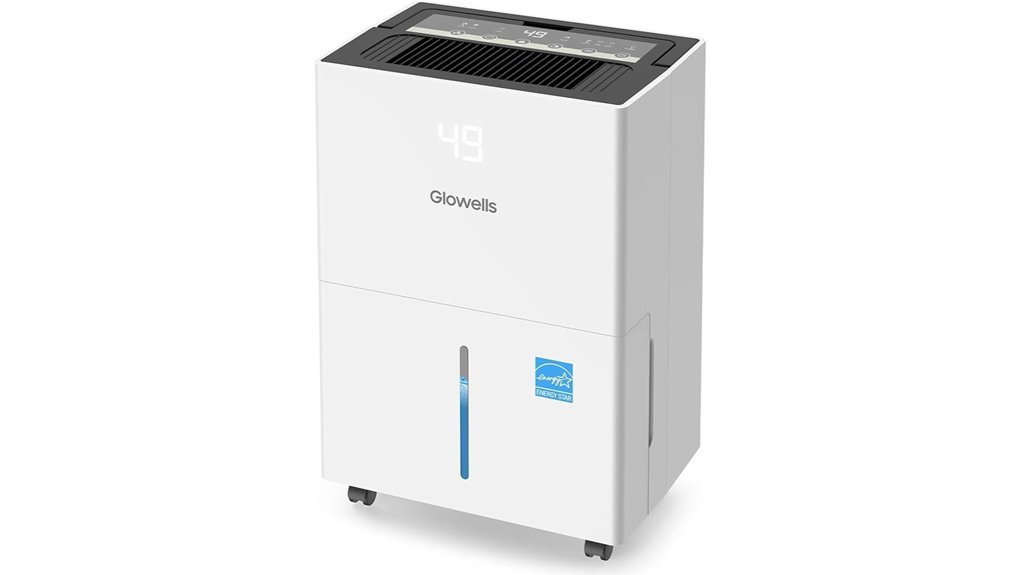
Glowells PD12A handles basements up to 6,500 sq. ft. with smart humidity control. You get 120 pints of moisture removal per day, Energy Star efficiency, and a product claim of up to 45% less energy use than non-certified models. Its dynamic sensor keeps humidity steady, shuts off at target, and restarts when levels climb. You can choose DEHU, DRY, or CONT mode for comfort, laundry, or nonstop use. Move it easily with castors and handles, then drain manually or through the included hose. The washable filter, auto defrost, and full-tank shutoff make upkeep simple.
Best For: Homeowners or property managers who need an energy-efficient, high-capacity dehumidifier for large spaces like basements, laundry areas, or damp rooms.
Why You’ll Like It: This model is a good fit when you want a high pint rating and a wider coverage claim without jumping into a heavier commercial-style machine. The washable filter and auto defrost features also help reduce routine maintenance headaches.
Who Should Avoid This: Avoid it for tight rooms, small apartments, or occasional moisture problems. Its 120-pint rating and 6,500 sq. ft. coverage target larger spaces.
Pros:
- Covers up to 6,500 sq. ft. and removes up to 120 pints of moisture per day
- Energy Star certified with smart humidity control and automatic shutoff/restart
- Easy to move and maintain with castors, handles, washable filter, and dual drainage options
Cons:
- Larger capacity unit may be bulkier and take up more space than smaller dehumidifiers
- 720-watt power use may still be significant for continuous operation
- Best suited for large areas, so it may be overkill for small rooms
avylo Basement Dehumidifier with Pump, 90 Pint, Energy Star
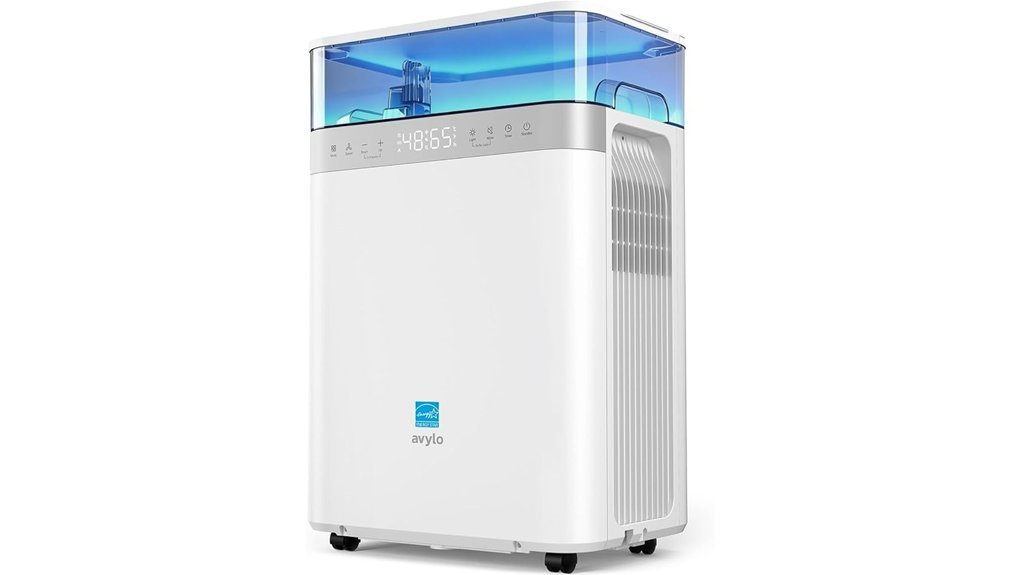
If you need serious basement drying power, avylo’s 90-pint dehumidifier fits spaces up to 4,500 sq. ft. You get ENERGY STAR Most Efficient 2025 performance as stated in the product copy, with an EER of 2.05 L/kWh. The built-in pump lifts water 15 feet, and the included hose supports continuous drainage. You can also use the 2.11-gallon tank with auto shut-off. At 41 dB, it stays quiet for its class, and three fan speeds let you match changing humidity. Wheels, handles, and cord storage make moving it easy.
Best For: Homeowners with large basements or damp spaces up to 4,500 sq. ft. who want powerful, energy-efficient dehumidification with continuous drainage options.
Why You’ll Like It: The avylo is one of the better fits if you want a pump but do not need the largest unit in this list. It gives you strong basement performance while staying slightly closer to the 95-pint class than the 115, 120, and 155-pint options.
Who Should Avoid This: If your basement is extremely large or has severe ongoing water intrusion, you may need a larger-capacity unit or to fix the source of the moisture first.
Pros:
- Strong 90-pint capacity handles heavy moisture in larger areas.
- ENERGY STAR Most Efficient 2025 certification and low estimated operating cost claims help support energy-conscious use.
- Built-in pump, 15 ft hose, quiet 41 dB operation, and easy mobility features add convenience.
Cons:
- May be oversized for smaller rooms or light humidity issues.
- Top-mounted 2.11-gallon tank may still require manual emptying if not using the pump.
- Premium feature set may come with a higher upfront cost than basic dehumidifiers.
ALORAIR Crawl Space Dehumidifier 120 PPD Moisture Removal
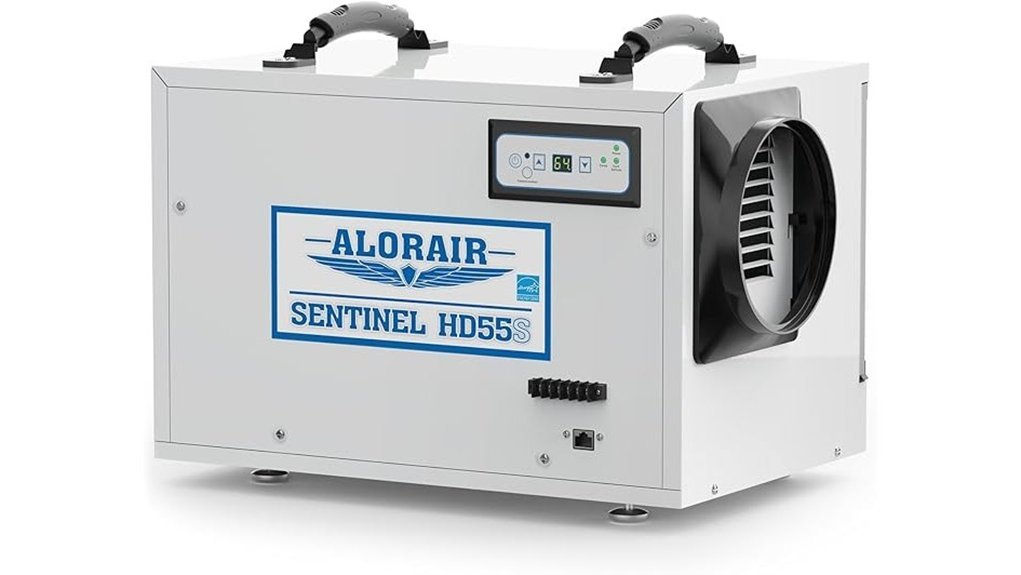
The AlorAir Sentinel HD55S is ideal when you need heavy-duty moisture control in tough crawl spaces. You get 120 pints of daily moisture removal, or 55 PPD at AHAM, plus coverage up to 1,300 square feet. Its rugged metal housing stands up to harsh conditions, while Energy Star certification helps you save power. The unit moves air at 130 CFM and handles temperatures up to 104°F. Auto defrost, continuous drainage, and a MERV-1 filter keep upkeep simple. It’s cETL listed and backed by a 6-year limited warranty, so it may suit buyers who care about durability and long-term support.
Best For: Homeowners and light commercial users who need a durable, energy-efficient dehumidifier for crawl spaces or basements up to 1,300 sq. ft.
Why You’ll Like It: Unlike many upright basement units, this one is positioned for crawl spaces and harsher utility areas. That makes it useful when your main problem area is under the house rather than in a finished basement room.
Who Should Avoid This: If you want a rolling basement dehumidifier with a large water tank and simple plug-and-play placement, a standard upright model may feel easier.
Pros:
- Removes up to 120 pints of moisture per day for strong humidity control.
- Energy Star certified with auto defrost and continuous drainage for easy maintenance.
- Rugged metal housing, cETL listing, and 6-year limited warranty add durability and peace of mind.
Cons:
- Best suited for smaller spaces, with coverage limited to about 1,300 sq. ft.
- Heavier unit at 41.7 pounds, which may make installation less convenient.
- No built-in pump mentioned, so drainage setup may require more planning.
155 Pint Commercial Dehumidifier with Pump and Hose
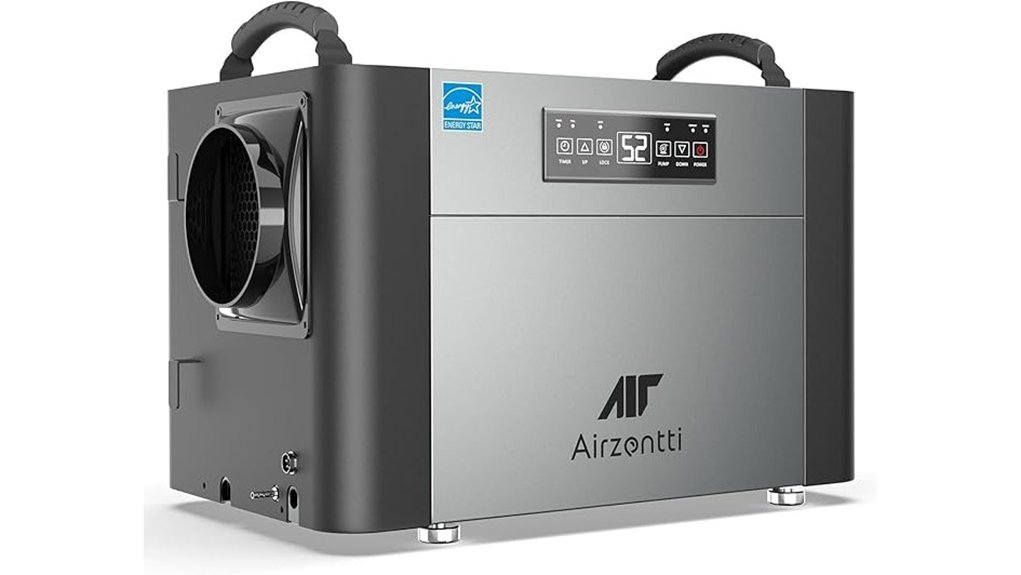
Built for large, damp spaces, this 155-pint Airzentti dehumidifier suits basements up to 7,500 square feet. You can pull up to 155 pints of moisture a day, while 220 CFM airflow helps it move air quickly. Its built-in pump lifts water up to 16.4 feet, so you won’t need to rely on gravity alone. The 6.56-foot drain hose, humidity setting, timer, and multiple modes make setup simple. You also get auto defrost, overflow protection, and screen lock. Energy Star certification adds efficiency for warehouses, garages, offices, and restoration jobs.
Best For: Commercial and industrial users needing a high-capacity dehumidifier for large damp spaces like basements, warehouses, garages, offices, and restoration sites.
Why You’ll Like It: This is the strongest option in the lineup for severe dampness and oversized areas. The pump, high airflow, and 155-pint rating make it more suitable for demanding jobs than a standard home dehumidifier.
Who Should Avoid This: Avoid it for small finished rooms or casual home use. It is heavier, larger, and more commercial-focused than most homeowners need.
Pros:
- Removes up to 155 pints of moisture per day and covers spaces up to 7,500 sq. ft.
- Built-in pump lifts water up to 16.4 ft, making drainage more flexible.
- Energy Star certified with useful features like auto defrost, overflow protection, and screen lock.
Cons:
- At 60 lbs, it may be cumbersome to move without help.
- The large unit size may be too bulky for small rooms or tight storage areas.
- Best suited for serious moisture problems, so it may be overkill for everyday home use.
Factors to Consider When Choosing a 95 Pint Dehumidifier for Basement
When you choose a 95 pint dehumidifier for your basement, start by matching its coverage area and moisture removal capacity to your space and dampness level. You should also compare energy efficiency ratings, drainage method options, and noise level so it fits your daily use. The right balance helps you control moisture without wasting power or creating extra hassle.
Pro Tip:
If your basement has no floor drain, prioritize a built-in pump. If it has a nearby floor drain, a gravity hose can be simpler and may reduce maintenance compared with relying on a bucket.
Coverage Area Needs
For a 95 pint dehumidifier, coverage area is one of the first things you should check, since many models handle roughly 4,500 to 6,500 square feet and are built for larger basements. You should measure your basement and think about its layout, because open spaces and multiple rooms can change how well a unit performs. If your basement stays damp or sits in a humid climate, you’ll want a model that matches those conditions. Check the manufacturer’s specifications closely, since they tell you whether the unit suits your space dimensions and moisture load. Choosing the right coverage helps you avoid undersizing the unit and keeps your basement drier, more comfortable, and easier to maintain year-round.
Moisture Removal Capacity
Once you’ve matched the coverage area to your basement, the next thing to check is moisture removal capacity, since that tells you how fast the unit can pull excess humidity from the air. A 95 pint dehumidifier can remove up to 95 pints of moisture per day under rated conditions, which helps you manage damp basements in very humid weather. This rating matters because it shows how well the unit can maintain your target humidity over different temperatures and moisture loads. If your basement stays wet or feels clammy, a higher capacity can dry it faster and lower the risk of musty odors. You should also look for adjustable settings, so you can fine-tune performance when seasonal moisture changes or local conditions demand more or less drying.
Energy Efficiency Ratings
Energy efficiency ratings matter because they tell you how much moisture a 95 pint dehumidifier can remove without driving up your electricity costs. When you choose an ENERGY STAR certified model, you’ll usually use less power than with a less efficient unit, and that can trim your electric bill over time. Look for higher Energy Efficiency Ratios, since they often signal better moisture removal per watt. Most Efficient labels are also worth checking because they identify models that meet stricter efficiency benchmarks. You can save even more by cleaning filters regularly, selecting energy-saving settings, and using automatic shut-off once your target humidity is reached. Those habits help the unit work efficiently and last longer.
Drainage Method Options
When you’re choosing a 95 pint dehumidifier for a basement, drainage method can make daily use much easier. If you want the least upkeep, look for continuous drainage so you can run a hose to a floor drain or sink and skip manual tank emptying. If your setup doesn’t allow gravity drainage, a built-in pump can move water upward, often 15 feet or more, which gives you more placement freedom. Manual drainage still works, but you’ll need to empty the tank regularly, so check its capacity before buying. Also, compare the included drain hose length, since 6 to 15 feet can affect where you place the unit. An auto shut-off feature adds protection by stopping operation when the tank fills, helping prevent overflow.
Noise Level Considerations
Noise matters just as much as drainage when you choose a 95 pint dehumidifier for your basement, especially if the space doubles as a living area. Check the decibel rating before you buy. A 35 dB unit sounds like a whisper, so it’s easier to live with in bedrooms, media rooms, and finished basements. A 55 dB model can feel closer to a normal conversation, which may bother you during long run times. If you want quieter nights, look for a Sleep mode that lowers fan speed and sound output. Placement helps too: set the unit farther from seating or sleeping areas to cut perceived noise. Keep filters clean and drainage clear, since good maintenance can reduce rattles and strain while helping your dehumidifier last longer.
Smart Humidity Controls
Smart humidity controls make it easier to keep your basement in the ideal range, often around 35% to 50% RH for comfort and moisture control, though many units let you set a wider range such as 35% to 80%. You should look for a model with accurate sensors that detect moisture changes and adjust output automatically. That helps the unit remove dampness efficiently without constant tweaking. Real-time humidity indicators on the control panel let you check conditions at a glance and fine-tune settings when needed. Multiple modes, like Auto, Sleep, and Dry, give you flexibility for different conditions and energy goals. Smart memory is useful too, because it restores your previous settings after a power outage. With these features, you’ll maintain steadier humidity, use less effort, and keep your basement better protected.
Mobility And Portability
Mobility matters when you’re choosing a 95-pint basement dehumidifier, especially if you plan to move it between rooms or tuck it away after use. Pick a model with 360° swivel casters and built-in handles so you can roll and lift it easily. If the unit weighs under 60 pounds, you’ll notice less strain when carrying it up steps or shifting it across concrete floors. A compact footprint, around 24 x 15 inches or smaller, helps you store it in cramped utility areas. Look for integrated power cord storage to keep the cord neat and reduce tripping risks while moving it. Tools-free removable filters also make frequent relocation simpler, since you can clean them quickly without extra hassle or tools nearby.
Warranty And Support
Once you’ve considered how easy a 95-pint basement dehumidifier is to move and store, check the warranty and support behind it. A standard warranty usually lasts 1 to 2 years and can protect you from manufacturing defects and sudden malfunctions. If you want longer protection, look for extended coverage that can reach 6 years, especially if you plan to keep the unit for a while. Make sure the warranty includes parts and labor, since that can save you a lot on repairs. You should also review customer support promises; some brands mention faster replies to technical questions. Good after-sales service matters too, because troubleshooting guides and maintenance tips help you solve issues faster and keep the dehumidifier running well longer.
Safety Note:
A dehumidifier can control air moisture, but it cannot fix leaks, flooding, foundation cracks, or poor exterior drainage. If water keeps entering the basement, solve the water source first and use the dehumidifier as moisture control support.
Frequently Asked Questions
How Noisy Are 95 Pint Dehumidifiers During Overnight Operation?
You’ll usually hear a 95 pint dehumidifier at night, but many run around 50–60 dB, like a quiet conversation. In a basement, that’s noticeable, yet often tolerable if you’re sleeping elsewhere. If the basement is finished, look for lower dB ratings, Sleep mode, and adjustable fan speeds.
Can a 95 Pint Dehumidifier Run Continuously in Freezing Basements?
Usually not. Many standard dehumidifiers struggle in very cold conditions, so you’ll need a low-temperature model with auto defrost. You can run it continuously only if the unit is designed for cooler operation and you keep the basement above freezing.
How Often Should the Filter Be Cleaned or Replaced?
You should clean the filter every 2–4 weeks, and replace it when it’s damaged or worn. If you run your dehumidifier in a dusty basement, crawl space, garage, or workshop, check it more often to keep airflow strong and reduce strain on the motor.
Do 95 Pint Models Require a Dedicated Drainage Setup?
Not always; you can often use a bucket or hose, but a dedicated drain helps. A high-capacity unit can pull a lot of water in a damp basement, so continuous drainage or pump drainage saves you from constant emptying and helps the unit run with less interruption.
What Maintenance Prevents Mold Growth Inside the Unit?
You prevent mold by emptying and rinsing the tank, cleaning the filter, wiping accessible surfaces, and keeping the drain line clear. Run the unit regularly, and dry it completely if you won’t use it for a while. Also keep the area around the unit clear so air can flow properly.
Is a Bigger Pint Rating Always Better?
Not always. A bigger pint rating can dry a wet basement faster, but it can also mean a larger footprint, higher airflow, more weight, and stronger sound. Choose based on your room size, humidity level, and drainage setup rather than capacity alone.
What Humidity Level Should I Use in a Basement?
Many homeowners aim for a comfortable basement humidity level around 40% to 50%. If the air feels too dry, raise the target slightly. If the basement smells musty or condensation appears, lower the target and check for leaks or poor ventilation.
Final Recommendation
Best Overall for Most Large Basements: DECIUU 100 Pint Dehumidifier with Pump gives you strong capacity, flexible pump drainage, continuous drainage, and easier maintenance features.
Best Quiet Large-Room Pick: MEPTY 6000 Sq.Ft Dehumidifier is worth considering if low-noise operation and smart humidity modes matter most.
Best Crawl Space Pick: ALORAIR Sentinel HD55S is better suited for crawl spaces and tougher utility areas than most standard rolling basement units.
Best Heavy-Duty Pick: Airzentti 155 Pint Commercial Dehumidifier is the stronger choice for warehouses, restoration work, and very damp oversized spaces.
Conclusion
When you choose the right 95 pint dehumidifier for your basement, you’re really choosing a quieter, more comfortable space that feels easier to live with. The best model helps keep moisture in check, so you won’t have to keep wrestling with damp walls, musty air, or those little signs that something’s not quite right below the surface. Choose a pump model if drainage is difficult, a quieter model for finished rooms, a crawl-space unit for under-home moisture, or a commercial model for severe dampness. With the right fit, you’ll enjoy a healthier basement and a lot less trouble down the road.