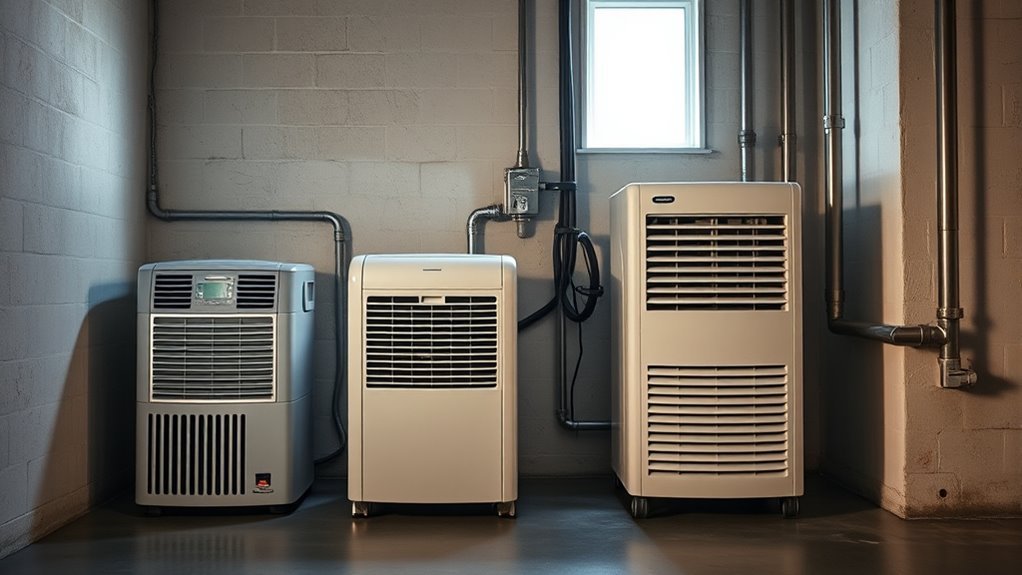
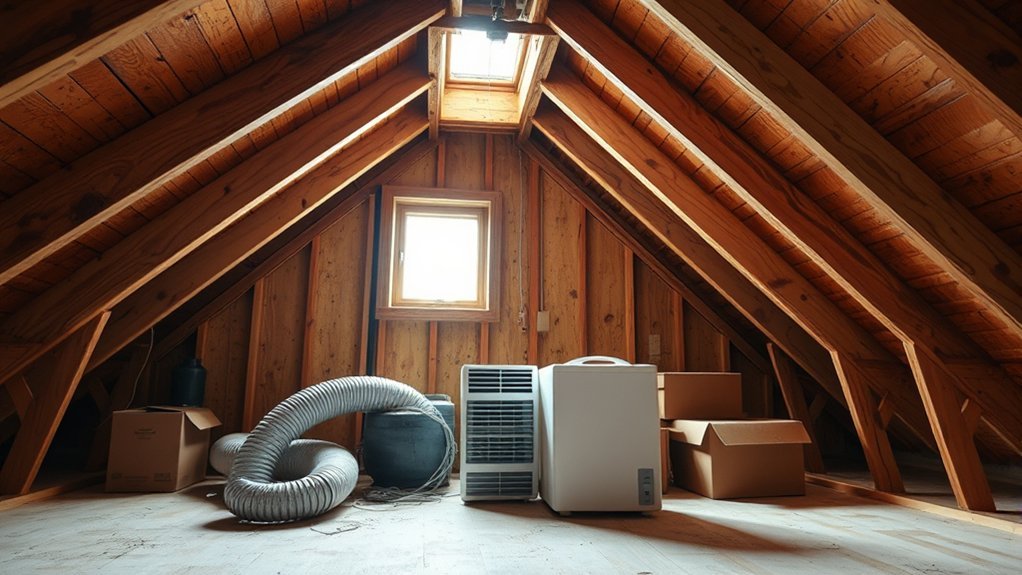
Affiliate disclosure: This article contains Amazon affiliate links. We may earn a commission from qualifying purchases at no additional cost to you. Product specifications, warranty terms, seller details, and availability can change, so confirm the current listing before ordering. Updated August 2026.
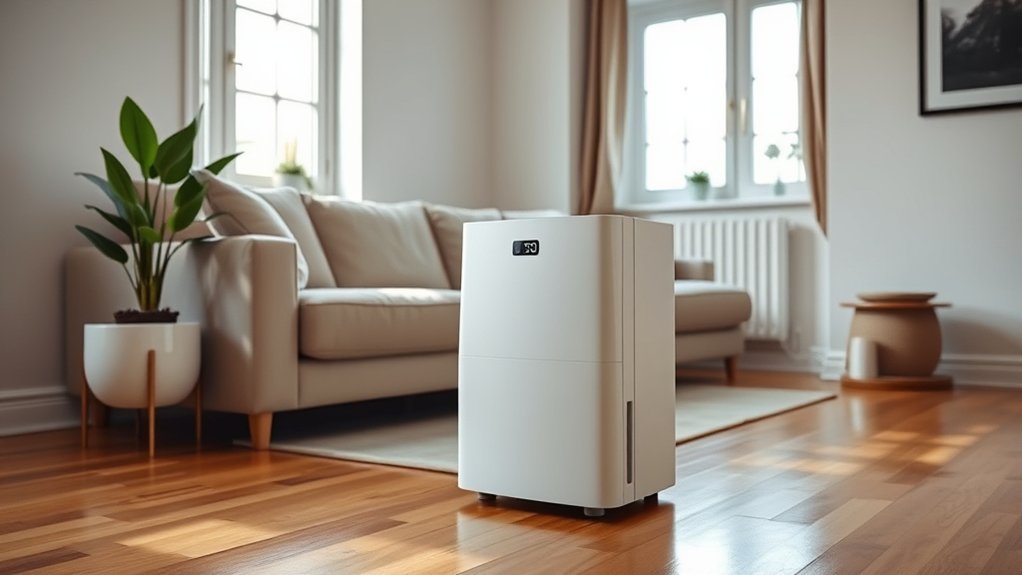
If you are choosing the best dehumidifier for mould control, condensation, or recurring household damp, focus on moisture-removal capacity, humidity control, drainage, and room temperature rather than tank size or advertised coverage alone. A compressor dehumidifier can help maintain a drier environment, but it will not remove existing mould or repair the water source that caused it.
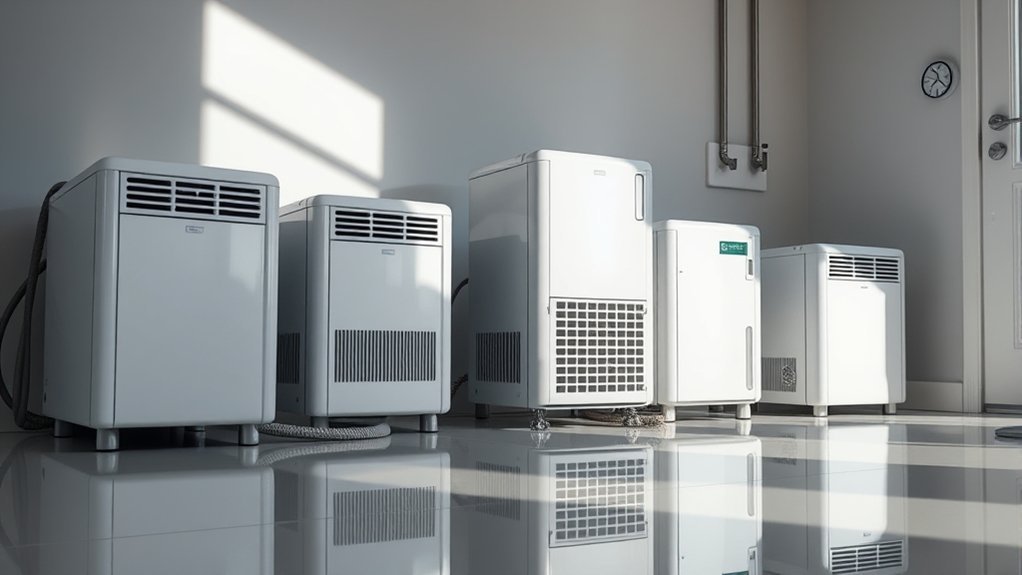
Among the three relevant compressor models compared here, the VEAGASO VG380 is the strongest all-around choice and has the highest seller-listed extraction capacity. The PLUSCENT PD10 offers the most useful control features, while the Aiusevo AS280 is a practical lower-capacity option for medium rooms and moderate damp. All three support continuous gravity drainage.
Quick Verdict
- Best Overall: VEAGASO VG380 for its 34-pint maximum rating, drainage flexibility, adjustable controls, and balanced everyday usability.
- Best Controls: PLUSCENT PD10 for its adjustable humidistat, three modes, timer, child lock, automatic defrost, and automatic restart.
- Best for Moderate Damp: Aiusevo AS280 for medium bedrooms, living areas, home offices, laundry spaces, and moderately damp basements.
How These Products Were Selected
The products were compared by seller-listed moisture-removal capacity, operating modes, humidistat controls, tank size, continuous-drain support, automatic defrost, portability, and suitability for recurring household humidity. Advertised square-foot figures were treated as comparison claims rather than guaranteed performance.
Important: A dehumidifier can reduce airborne moisture, but it cannot repair a leaking roof, damaged pipe, penetrating damp, rising damp, blocked vent, or failed extractor fan. Correct the moisture source, clean existing mould safely, and seek qualified help for extensive, hidden, or recurring growth.
Quick Comparison
| Product | Best For | Seller-Listed Maximum Extraction | Tank and Drainage | Main Limitation | Check Details |
|---|---|---|---|---|---|
| VEAGASO VG380 | Basements, larger rooms, indoor laundry, and regular moisture control | Up to 34 pints per day at 95°F and 90% RH | 2-litre tank or continuous gravity drainage | Small tank and no built-in drainage pump | Check Current Amazon Availability |
| PLUSCENT PD10 | Basements, bedrooms, living spaces, and buyers wanting more control features | Up to 32 pints per day at 95°F and 90% RH | 2-litre tank with included gravity-drain hose | Small tank if continuous drainage is unavailable | Check Current Amazon Availability |
| Aiusevo AS280 | Medium rooms, home offices, bedrooms, and moderate damp | Up to 21 pints per day at 95°F and 90% RH | 2-litre tank or included 3.28-foot drain hose | Lower extraction capacity than the other two models | Check Current Amazon Availability |
The extraction and coverage figures above are seller-listed maximums. The daily pint ratings are based on warm, highly humid test conditions. Actual water collection varies with room temperature, starting humidity, ventilation, room layout, target setting, and the amount of moisture entering the space.
VEAGASO VG380 2500 Sq.Ft Dehumidifier with Drain Hose
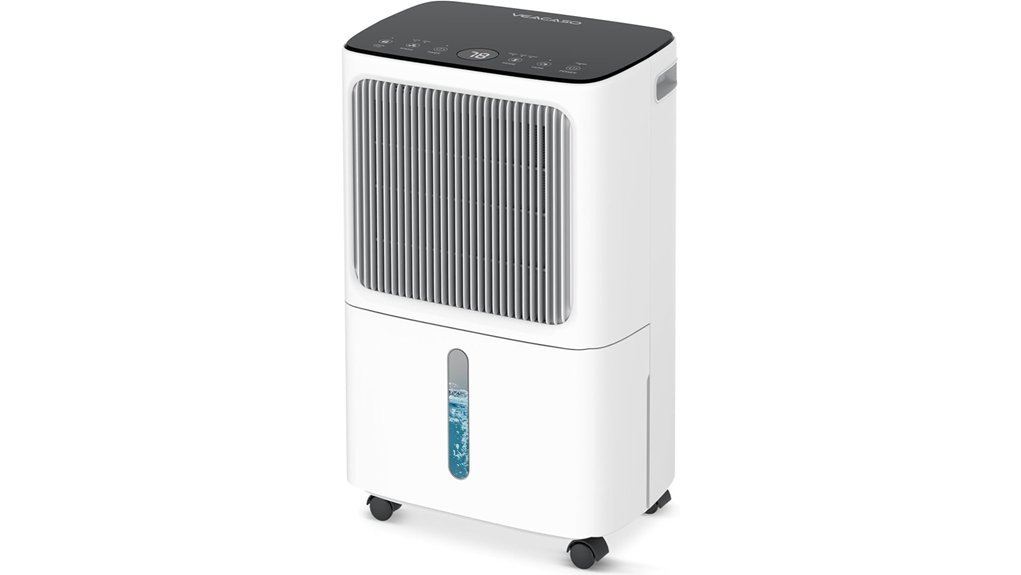
The VEAGASO VG380 is the most balanced choice in this comparison for controlling recurring humidity in basements, living spaces, bedrooms, home offices, and indoor laundry areas. Its seller-listed maximum extraction rate is 34 pints per day at 95°F and 90% relative humidity, with advertised coverage up to 2,500 square feet.
The maximum rating should not be confused with the amount it will collect in every home. Water collection will be lower in a cool basement, in a room with moderate humidity, or after the space approaches the selected target.
The VG380 provides DEHU mode for automatic humidity control, DRY mode for supporting indoor laundry drying, and CONT mode for uninterrupted operation. Water can collect in the removable 2-litre tank, or the included hose can direct condensate to a suitable low-level drain.
Its digital display, adjustable controls, 24-hour timer, two fan speeds, washable filter, automatic defrost, power-failure memory, handle, and wheels provide more control than a small desktop moisture collector. The listing also describes operation at up to 40 dB on its lower setting, although perceived noise will depend on the room, floor, fan speed, and distance from the bed or seating area.
Why You’ll Like It
- It has the highest seller-listed extraction capacity in this comparison.
- Automatic humidity control lets the unit cycle instead of running continuously after the target is reached.
- Manual tank collection and continuous gravity drainage suit different room layouts.
- DRY mode can help manage the extra moisture released by indoor laundry.
- The washable filter, wheels, and recessed handle simplify routine upkeep and movement.
Who Should Buy It: Homeowners who need regular humidity control in a basement, larger bedroom, living space, home office, or indoor laundry area and can provide adequate airflow around the unit.
Who Should Avoid It: Buyers who only need moisture control in a tiny cupboard, anyone requiring pumped drainage to a higher sink, or people expecting a dehumidifier to repair an active leak or structural damp problem.
Pros:
- Seller-listed maximum extraction of 34 pints per day.
- DEHU, DRY, and CONT operating modes.
- Adjustable humidity controls and a 24-hour timer.
- Automatic defrost and restart memory.
- Includes a drain hose and washable filter.
- Portable design with a handle and caster wheels.
Cons:
- The 2-litre tank may fill quickly in a very damp room.
- Continuous drainage requires an uninterrupted downward hose route.
- It does not include a built-in condensate pump.
- Compressor and fan noise may be noticeable in a very quiet bedroom.
- The 2,500-square-foot figure is a seller-listed maximum, not a guarantee for every floor plan.
PLUSCENT PD10 32 Pint Dehumidifier for Home
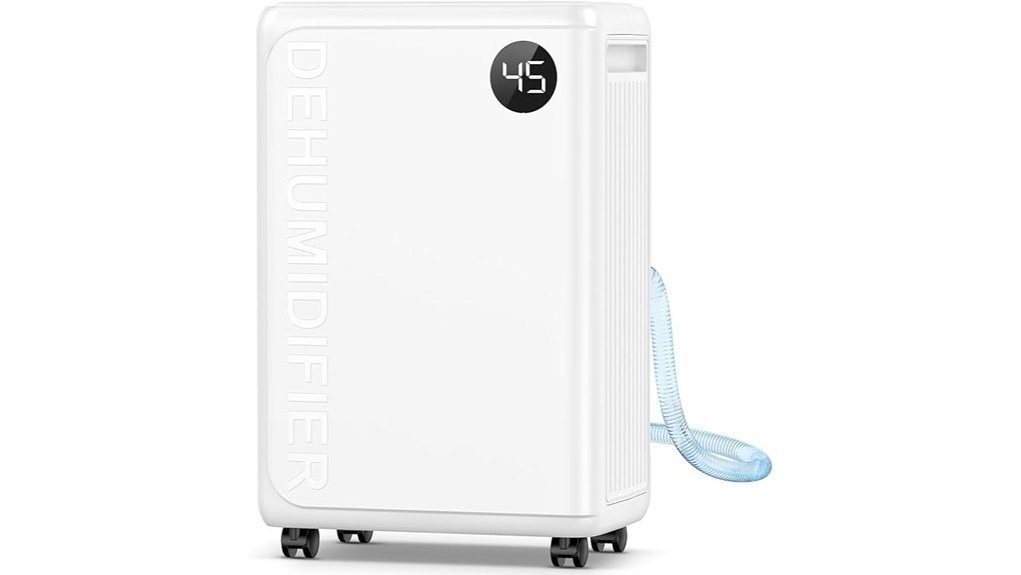
The PLUSCENT PD10 is a strong alternative for controlling condensation and moderate-to-heavy household humidity in a basement, larger bedroom, open living area, storage room, home office, or laundry space. Its seller-listed maximum extraction rate is 32 pints per day at 95°F and 90% relative humidity, and its advertised coverage is up to 2,500 square feet.
Its main advantage is the control set. The humidity target can be adjusted from 30% to 80% RH in 5% increments. DEHU mode manages normal room humidity, DRY mode supports indoor laundry drying, and CONT mode allows uninterrupted operation when a drain hose is installed.
The PD10 also includes a 24-hour timer, child lock, automatic defrost, automatic restart, two fan speeds, a washable filter, and portable wheels. These features make it easier to configure than a basic dehumidifier with only an on-and-off switch.
The removable tank holds approximately 2 litres, so continuous drainage is particularly useful in a persistently damp basement. The included hose is approximately 39.4 inches long and relies on gravity. It must remain below the outlet and slope downward without loops or kinks.
Why You’ll Like It
- The adjustable humidity range provides more control over the target setting.
- Three modes support everyday dehumidification, continuous operation, and indoor laundry drying.
- Automatic defrost helps manage frost formation when conditions become cooler.
- The timer, child lock, restart function, and two fan speeds improve everyday usability.
- Continuous drainage reduces repeated tank emptying.
Who Should Buy It: Buyers who want a compressor model with a broad range of controls for a basement, bedroom, living area, home office, storage room, or indoor laundry space.
Who Should Avoid It: Anyone who needs water to travel upward to a sink, through a window, or across a floor without a continuous downward slope.
Pros:
- Seller-listed maximum extraction of 32 pints per day.
- Adjustable 30% to 80% humidity setting range.
- DEHU, DRY, and CONT modes.
- Includes a 24-hour timer, child lock, and two fan speeds.
- Automatic defrost and restart after a power interruption.
- Includes a gravity-drain hose, removable tank, and washable filter.
Cons:
- The 2-litre collection tank is relatively small for a compressor unit.
- The included hose may be too short for some drain layouts.
- Gravity drainage cannot lift water to a higher drain.
- Actual extraction will be lower than the maximum rating in cooler or less humid rooms.
- Current seller, warranty, and service terms should be checked before ordering.
Aiusevo AS280 1500 Sq. Ft Dehumidifier
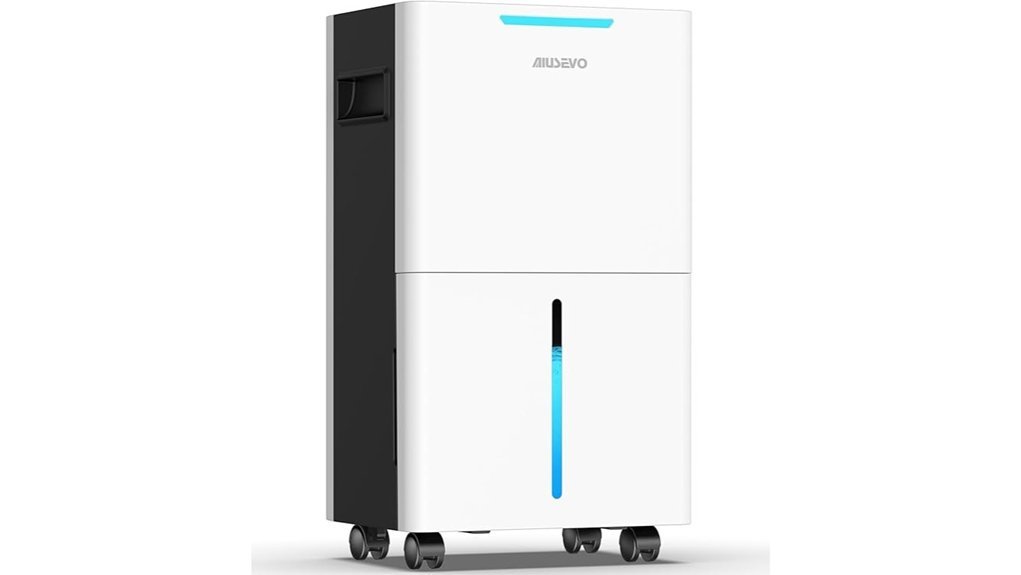
The Aiusevo AS280 is the lower-capacity option in this comparison. Its seller-listed maximum extraction rate is 21 pints per day at 95°F and 90% relative humidity, with advertised coverage up to 1,500 square feet.
This model is better matched to moderate condensation in a medium bedroom, home office, living area, laundry space, or basement than to severe damp across a very large open area. It can still reduce humidity in a larger room, but it will normally require more time than the 32-pint and 34-pint models.
The AS280 provides DEHU, DRY, and CONT modes, adjustable settings from 30% to 80% RH, two fan speeds, a 24-hour timer, child lock, automatic defrost, automatic restart, and a sleep mode. The automatic humidistat switches the compressor according to the selected target rather than requiring constant manual control.
Water can collect in the removable 2-litre tank or flow through the included 3.28-foot hose. As with the other models, continuous drainage depends on gravity and requires a drain below the outlet.
Why You’ll Like It
- It is a lower-capacity alternative for medium rooms and moderate humidity.
- The adjustable humidistat offers more control than a basic one-button moisture collector.
- Automatic defrost, restart, sleep mode, and child lock add useful convenience.
- The included drain hose supports longer operation without repeated tank emptying.
- Multiple operating modes make it useful for humidity control and indoor laundry drying.
Who Should Buy It: People managing moderate condensation in a medium room who want a compressor dehumidifier but do not need the extra extraction capacity of the VEAGASO or PLUSCENT.
Who Should Avoid It: Buyers dealing with flooding, severe structural damp, a very cold unheated space, or a large area receiving moisture continuously from an unresolved source.
Pros:
- Seller-listed maximum extraction of 21 pints per day.
- Adjustable 30% to 80% humidity range.
- DEHU, DRY, and CONT modes.
- Includes a 2-litre tank and 3.28-foot gravity-drain hose.
- Automatic defrost, restart, child lock, and sleep mode.
- Portable design for moving between suitable rooms.
Cons:
- Lower extraction capacity than the VEAGASO and PLUSCENT models.
- The 2-litre tank may need frequent emptying without continuous drainage.
- Performance will fall in cooler or less humid conditions.
- The hose cannot pump water uphill.
- It is not a substitute for repairing leaks or treating existing mould.
How to Choose a Dehumidifier for Mould Control
A suitable dehumidifier should lower relative humidity consistently without requiring constant attention. The best model depends on room size, temperature, drainage access, the amount of moisture entering the space, and whether the damp comes from condensation or an unresolved building problem.
Start With the Source of the Damp
Before buying a dehumidifier, check for leaking pipes, roof damage, blocked gutters, failed seals, penetrating damp, rising damp, wet foundations, and inadequate kitchen or bathroom ventilation. A dehumidifier can collect airborne moisture, but it cannot stop water from entering the building.
The U.S. Environmental Protection Agency’s mould and moisture guidance recommends correcting water problems, drying wet materials promptly, and keeping indoor humidity low. If mould returns soon after cleaning, the wall remains wet, plaster is damaged, or the affected area is extensive, seek advice from a qualified building or mould-remediation professional.
Compare Extraction Capacity
Extraction capacity describes how much water a dehumidifier can remove in 24 hours under stated test conditions. It is generally more useful than tank size and often more informative than a large advertised square-foot figure.
The three maximum ratings in this article were measured at 95°F and 90% relative humidity. Those conditions are warmer and more humid than many bedrooms and basements, so actual daily collection will normally be lower.
A 21-pint model may be sufficient for moderate damp in a medium room. A 32-pint or 34-pint model provides more extraction headroom for a basement, larger living area, indoor laundry room, or space where moisture is generated frequently.
Do Not Rely on Coverage Claims Alone
Advertised coverage can help with initial comparison, but two rooms with the same floor area may need different machines. Ceiling height, doors, airflow, insulation, temperature, showers, cooking, wet laundry, and incoming damp all affect performance.
For recurring condensation or mould risk, choose according to extraction capacity and actual room conditions rather than automatically selecting the smallest product that claims to cover the floor area.
Compressor Versus Small Thermoelectric Models
Compressor dehumidifiers generally remove substantially more moisture and are better suited to bedrooms, living rooms, basements, home offices, and laundry spaces. They are larger and produce fan and compressor noise, but they can actively regulate room humidity with a humidistat.
Small thermoelectric or Peltier units may help with mild moisture in a cupboard, wardrobe, or other tiny enclosed area. They should not normally be treated as direct replacements for a compressor model when there is regular window condensation, indoor laundry moisture, or established mould.
Tank Size and Continuous Drainage
A larger tank reduces how frequently it must be emptied, but continuous drainage is often more useful in a basement or persistently damp room. All three products in this comparison have approximately 2-litre tanks, so their hoses are important for extended operation.
These models use gravity drainage. The hose must slope continuously downward without kinks, loops, or raised sections, and the drain point must stay below the outlet. If condensate must travel upward to a sink or window, choose a dehumidifier with a built-in pump or use a compatible external condensate pump.
Drainage tip: Test the hose connection while you are present before leaving the machine unattended. Check for leaks, loose fittings, blocked drains, and water backing up into the hose.
Humidity Controls and Hygrometers
The EPA recommends keeping indoor relative humidity below 60% and ideally between 30% and 50%. A practical starting setting for many damp rooms is around 45% to 50%, followed by adjustments based on condensation, comfort, outdoor weather, and the manufacturer’s instructions.
Use a separate digital hygrometer to verify the room humidity. A dehumidifier’s built-in sensor measures air close to its inlet and may not represent the reading at the opposite side of the room.
Avoid setting the target lower than necessary. Excessively dry air can reduce comfort and increase operating time without providing a meaningful mould-control benefit.
Temperature and Auto Defrost
Compressor dehumidifiers become less effective as room temperature falls. In a cool basement, garage, or storage room, check the manufacturer’s minimum operating temperature before ordering.
Automatic defrost can pause the compressor while the fan helps clear frost from the coils, but it does not make a standard compressor unit suitable for every unheated or freezing location. Do not expect the same extraction in a cold room that the seller reports at 95°F and 90% RH.
Noise and Placement
Even a seller-described quiet compressor model produces fan airflow, vibration, and periodic compressor sound. In a bedroom, place the unit away from the bed, use a lower fan setting when available, and reduce the room humidity before bedtime if overnight noise is disruptive.
Leave the clearance specified in the manual and keep the air inlet and outlet away from curtains, bedding, walls, and furniture. Close windows and exterior doors while actively dehumidifying unless ventilation is needed to remove steam, cooking emissions, or other pollutants.
For bathrooms, follow the manufacturer’s placement and electrical-safety instructions. Do not position a portable appliance where it can be splashed, touched with wet hands, or exposed to standing water.
Electrical and Market Compatibility
Before ordering: The product buttons in this article lead to Amazon.com. Confirm the voltage, frequency, plug type, grounding requirements, safety markings, seller location, warranty, and service availability for your country. A simple plug adaptor changes the plug shape but does not convert voltage.
Maintenance and Upkeep
- Clean the washable filter according to the manufacturer’s schedule.
- Empty, rinse, and dry the tank before slime, odour, or residue develops.
- Inspect the drain hose for kinks, blockages, algae, or loose connections.
- Keep the inlet and outlet clear of curtains, walls, furniture, and dust.
- Use a separate hygrometer to confirm the room humidity.
- Inspect the surrounding area for leaks or recurring wet patches.
- Keep the unit upright when moving it and follow the manual before restarting it.
- Unplug the appliance before cleaning, servicing, or relocating it.
- Review the current warranty and customer-support terms before purchase.
Before You Buy Checklist
- Have you identified whether the moisture comes from condensation, a leak, or structural damp?
- Is the extraction capacity suitable for the severity of the problem?
- Are you comparing maximum ratings measured under the same test conditions?
- Can you reach a low-level drain for continuous gravity drainage?
- Will you need a built-in or external condensate pump?
- Is the minimum operating temperature suitable for the room?
- Will compressor noise be acceptable in the intended location?
- Is there enough clearance for safe airflow?
- Does the voltage, frequency, and plug match your electrical supply?
- Is the warranty valid in your country and through the current seller?
- Do you have a separate hygrometer to confirm the actual room humidity?
Frequently Asked Questions
Will a Dehumidifier Remove Existing Mould?
No. A dehumidifier can reduce airborne moisture and make future growth less likely, but it does not clean, kill, or remove established mould. Existing growth still needs to be cleaned safely or professionally remediated, and the leak, ventilation problem, condensation issue, or other moisture source must be corrected.
What Humidity Level Helps Prevent Mould?
Try to keep indoor relative humidity below 60% and ideally within the 30% to 50% range. Around 45% to 50% is a practical starting target for many homes. Use a digital hygrometer and adjust the setting according to condensation, comfort, season, and manufacturer guidance.
How Often Should I Empty the Water Tank?
Empty it whenever the full-tank indicator appears. In a very damp room, a 2-litre tank may fill within a day or sooner. Continuous drainage is usually more convenient for basements, indoor laundry rooms, and other spaces requiring extended operation.
Is a 21-Pint Dehumidifier Large Enough?
It can be suitable for a medium room with moderate humidity. A larger basement, indoor laundry space, open-plan room, or area with severe condensation may benefit from the additional extraction headroom of a 32-pint or 34-pint model.
Can I Use a Dehumidifier in a Basement?
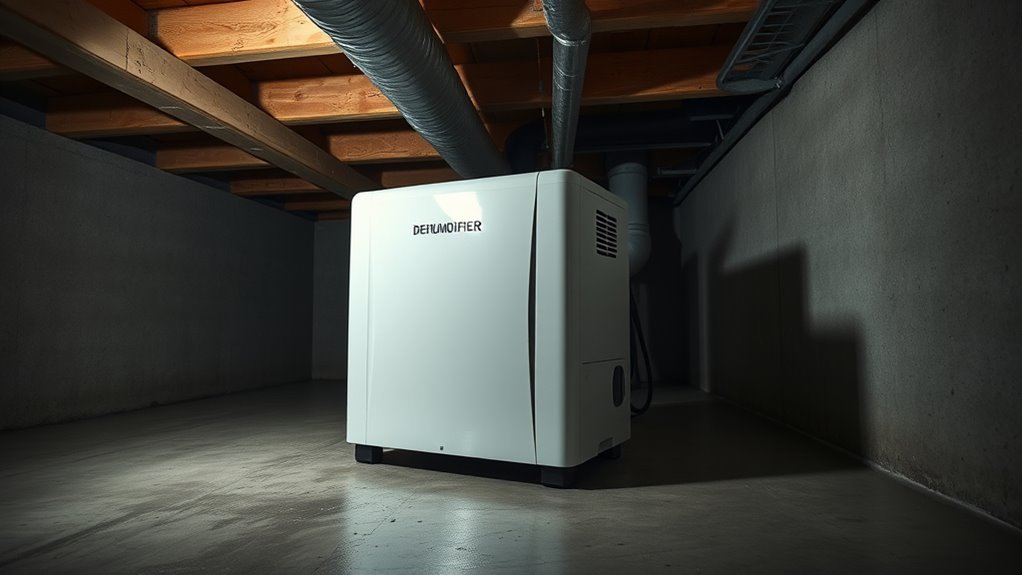
Yes, provided the basement remains within the unit’s operating-temperature range and the dehumidifier has enough capacity for the conditions. Automatic defrost, automatic restart, and continuous drainage are especially useful for basement installations.
Can a Dehumidifier Fix Rising or Penetrating Damp?
No. It may reduce some airborne moisture while repairs are being arranged, but it cannot stop water entering through walls, floors, roofs, damaged seals, foundations, or plumbing. The underlying building defect must be corrected.
Should I Run a Dehumidifier All Day?
Extended operation may be useful during initial drying. Once the target humidity is reached, a humidistat-equipped model should cycle the compressor on and off automatically. Continuous operation is normally unnecessary when the room is already within the desired humidity range.
Are Dehumidifiers Noisy at Night?
Compressor models produce fan noise, vibration, and periodic compressor sound. Some people can sleep with them running on a low setting, while others may prefer to reduce humidity before bedtime or place the machine farther from the bed.
Does Continuous Drainage Pump Water Uphill?
Not on these three models. Their included hoses use gravity, so the drain must remain below the hose outlet. Choose a pump-equipped dehumidifier or a compatible external condensate pump when water must travel upward.
Can I Use a US Dehumidifier in Another Country?
Only when its rating plate confirms compatibility with the local voltage and frequency. A plug adaptor changes the plug shape but does not convert voltage. Check electrical compatibility, grounding, safety certification, warranty coverage, and service support before importing an appliance.
Final Recommendation
Choose the VEAGASO VG380 if you want the highest extraction rating in this comparison and a balanced option for a basement, larger room, indoor laundry area, or regular household moisture control.
Choose the PLUSCENT PD10 if adjustable humidity settings, a timer, child lock, automatic defrost, automatic restart, and flexible controls matter more than the small difference in maximum capacity.
Choose the Aiusevo AS280 if your space is medium-sized and the moisture problem is moderate rather than severe.
Whichever model you select, use a separate hygrometer, maintain the filter and drainage system, and correct the underlying source of damp. The most effective mould-control plan combines humidity management with ventilation, appropriate heating, timely repairs, and proper mould cleanup.