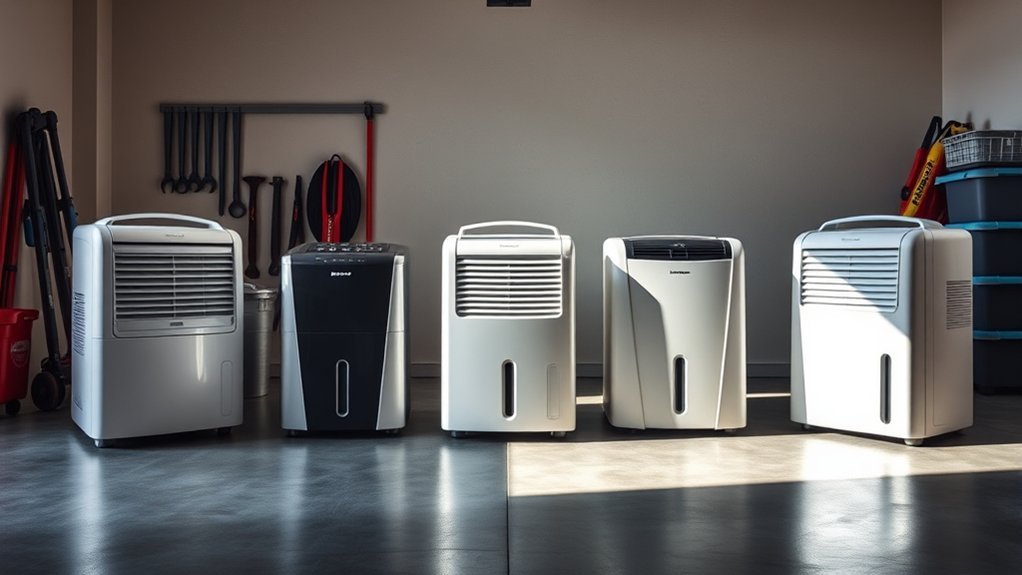
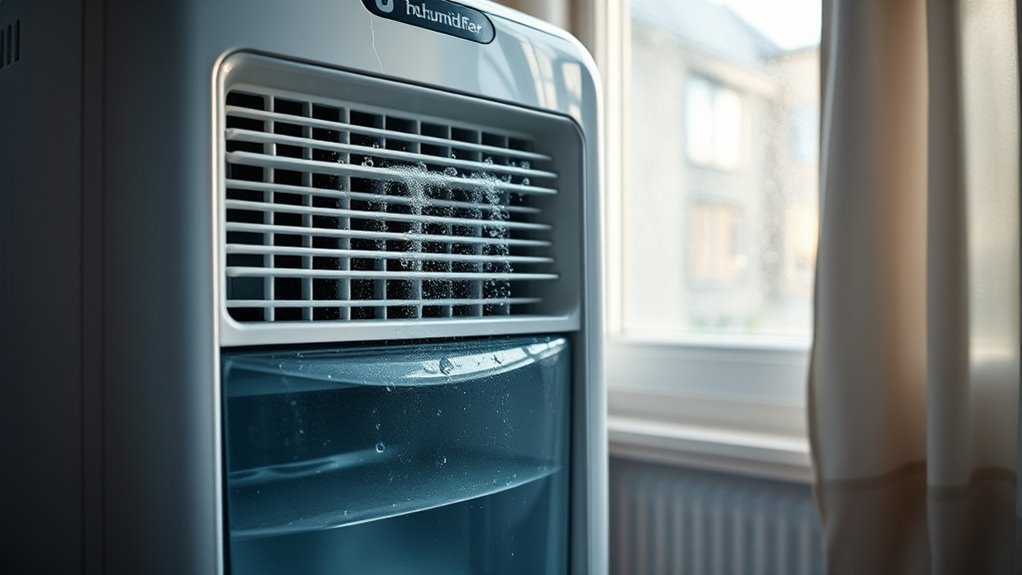
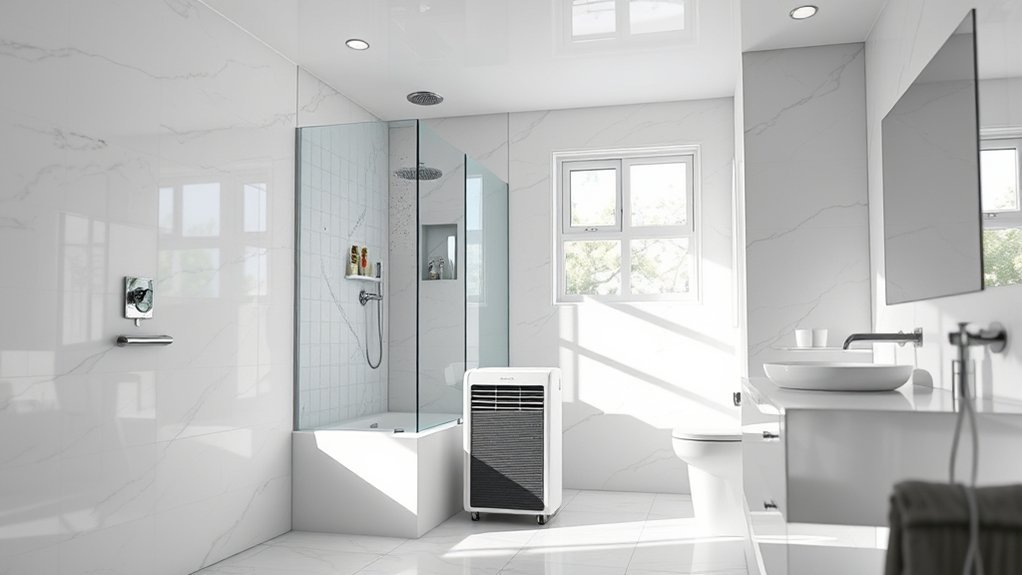
Choosing the best basement dehumidifier in 2026 starts with two questions: how much moisture must the unit remove, and where will the collected water go? A built-in pump is useful when water must travel upward to a sink or raised drain, while gravity drainage works when a hose can run continuously downhill. You should also compare standardized moisture-removal capacity, basement temperature, tank size, noise, and maintenance needs instead of relying on advertised square footage alone.
Affiliate disclosure: This article contains Amazon affiliate links. We may earn a commission from qualifying purchases at no extra cost to you.
Quick verdict: Choose the Whirlpool 50 Pint Dehumidifier with Pump for the best overall balance of standardized capacity, flexible drainage, low-temperature operation, and portability. Pick the Frigidaire 50 Pint Dehumidifier with Wi-Fi when app control and a large bucket matter more than pump drainage. The Avylo ADC018 combines a large top-mounted tank with pump-assisted drainage, while the Waykar PD160B-PRO is the compact, light-duty choice for a smaller or moderately damp basement.
How these picks were compared: Current product listings, manufacturer specifications, standardized ENERGY STAR capacity, drainage methods, humidity controls, operating-temperature information, noise claims, maintenance needs, and basement suitability were reviewed. This guide does not claim hands-on testing.
Key Takeaways
- A 50-pint standardized rating is more meaningful for a persistently damp basement than a higher number measured only in hot, extremely humid test conditions.
- Choose a built-in pump when the drain is above the dehumidifier; choose gravity drainage only when the hose can slope downward continuously.
- The Whirlpool and Frigidaire are the higher-capacity choices in this group.
- The Avylo offers convenient drainage and a large tank, but its standardized capacity is 24.5 pints per day rather than the advertised 90-pint maximum.
- The Waykar is compact, but its standardized 10.16-pint capacity makes it better for lighter moisture loads.
Quick Comparison
| Product | Best For | Standardized or Listed Capacity | Higher Marketing Claim | Drainage | Smart Control | Amazon |
|---|---|---|---|---|---|---|
| Whirlpool 50 Pint with Pump | Best overall feature balance | 50 pints/day | No separate higher claim needed | Bucket, gravity drain, built-in pump | No Wi-Fi listed | Check Price on Amazon |
| Frigidaire 50 Pint Wi-Fi | Best smart control | 50 pints/day | No separate higher claim needed | Bucket and continuous gravity drain; no pump listed | Wi-Fi and Frigidaire app | Check Current Amazon Availability |
| Avylo ADC018 with Pump | Best large top-mounted tank | 24.5 pints/day | Up to 90 pints/day at hot, humid conditions | Bucket, gravity drain, built-in pump | No Wi-Fi listed | Check Product Details on Amazon |
| Waykar PD160B-PRO | Smaller or moderately damp basements | 10.16 pints/day | Up to 34 pints/day at hot, humid conditions | Bucket and gravity drain | No Wi-Fi listed | Check Product Details on Amazon |
Capacity note: Dehumidifier capacity can be confusing because brands may advertise moisture removal measured under different temperature and humidity conditions. Standardized ENERGY STAR or DOE capacity is more useful for comparing expected basement performance. A seller’s larger “maximum” number should not be treated as equal to a standardized rating.
Waykar 2,000 Sq. Ft. 34-Pint Energy Star Dehumidifier
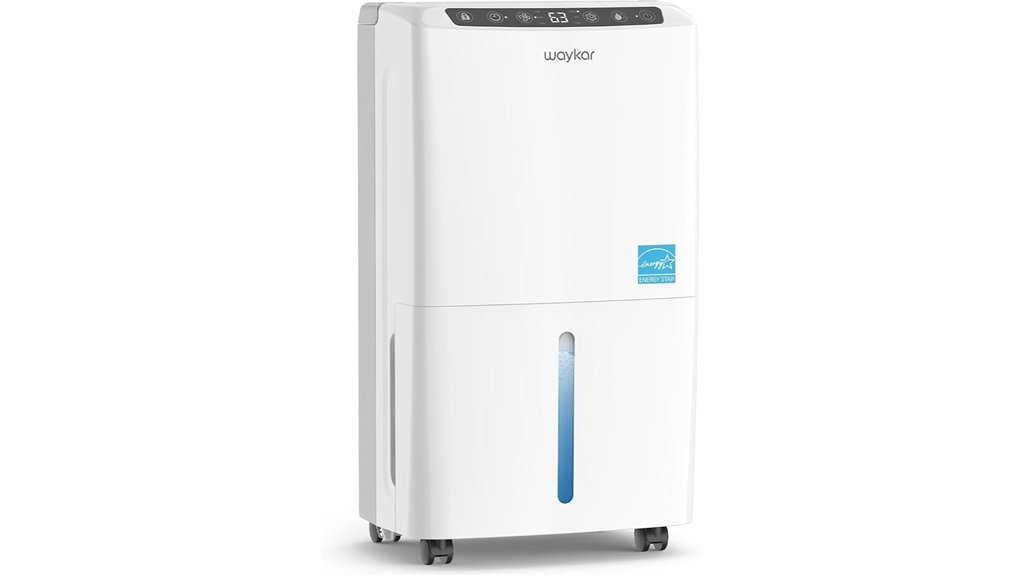
Best Compact Pick
The linked Waykar is model PD160B-PRO. Its listing advertises removal of up to 34 pints per day at 95°F and 90% relative humidity and coverage up to 2,000 sq. ft. Under the standardized ENERGY STAR test, however, its listed capacity is 10.16 pints per day. That difference makes it important to treat this as a compact option for a smaller or moderately damp basement rather than a direct substitute for a standardized 50-pint unit.
It has a 0.62-gallon tank, adjustable humidity controls, automatic defrost, automatic restart, a washable filter, full-tank shutoff, and an included hose for continuous gravity drainage. The seller advertises operation as low as 33 dBA, but actual sound can vary with fan speed, room acoustics, and placement.
Best For: A smaller finished basement, utility room, office, storage room, or moderately humid space where gravity drainage is available.
Why You’ll Like It: Its narrow body, manageable weight, carry handle, and included drain hose make placement easier than with many large 50-pint units.
Who Should Avoid It: Avoid this model for active water intrusion, frequent condensation over a large basement, or any setup that requires water to be pumped uphill.
Pros:
- Compact body is easier to position in a tight basement or utility room.
- Includes adjustable humidity settings, automatic defrost, automatic restart, and full-tank shutoff.
- Supports both bucket collection and continuous gravity drainage.
- ENERGY STAR certified with a washable filter.
Cons:
- Its standardized 10.16-pint capacity is much lower than the 34-pint hot-condition marketing figure.
- The 0.62-gallon tank may require frequent emptying during damp weather.
- There is no built-in pump, so the drain hose must run continuously downhill.
- The 2,000-sq.-ft. claim should not replace an assessment of actual moisture severity.
Frigidaire 50 Pint Dehumidifier With Wi-Fi
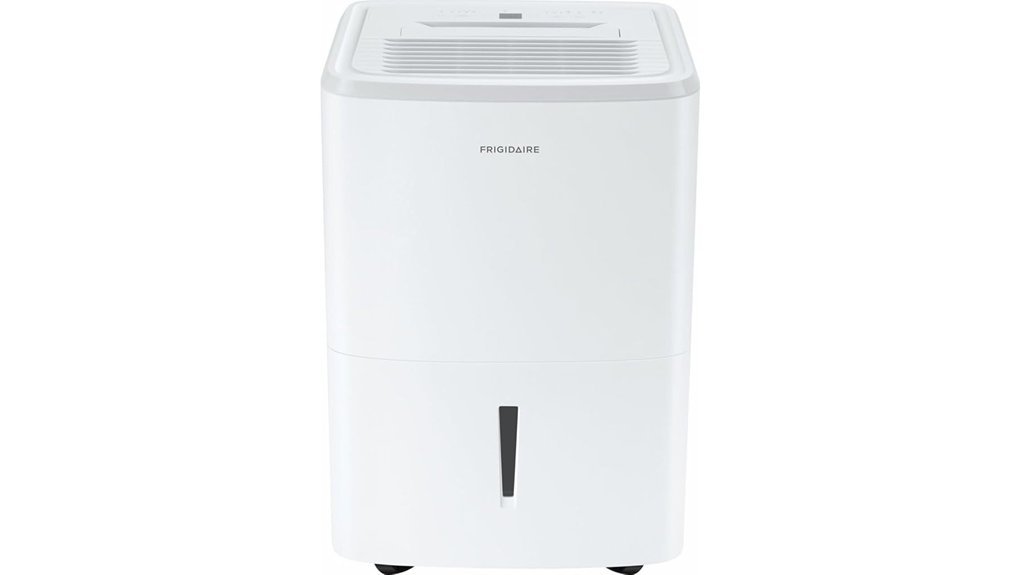
Best Smart Control
The linked Frigidaire is model FHDD5034Y1, a 50-pint ENERGY STAR dehumidifier with Wi-Fi connectivity. The Frigidaire app lets you turn the unit on or off remotely, change the humidity target, adjust fan speed, and create schedules. That can be useful when the basement is on another floor, used only occasionally, or left unattended for parts of the day.
The manufacturer lists a 2.7-gallon bucket, three fan speeds, a washable filter, custom humidity control, and continuous gravity drainage. Noise is listed at 47 dBA on low, 49 dBA on medium, and 51 dBA on high. A built-in pump is not listed, so continuous drainage still requires a lower drain and a properly sloped hose.
Best For: Homeowners who want standardized 50-pint moisture removal, a large bucket, scheduling, and remote humidity control.
Why You’ll Like It: It combines meaningful basement capacity with app controls that reduce unnecessary trips downstairs.
Who Should Avoid It: Choose a pump model instead when the only available drain is a utility sink, window, or other outlet positioned above the dehumidifier.
Pros:
- 50-pint capacity is suitable for persistent humidity in many basements.
- Wi-Fi controls support remote operation, humidity adjustment, fan-speed changes, and schedules.
- Large 2.7-gallon bucket reduces emptying frequency compared with compact units.
- Continuous drainage and a washable filter simplify long-term operation.
Cons:
- No built-in pump is listed for model FHDD5034Y1.
- Continuous drainage requires a lower drain and correctly sloped hose.
- Wi-Fi setup adds extra steps and depends on the app and home network.
- The 51-dBA high setting may be noticeable in a finished basement, office, or TV room.
Avylo Dehumidifier for Basement With Pump
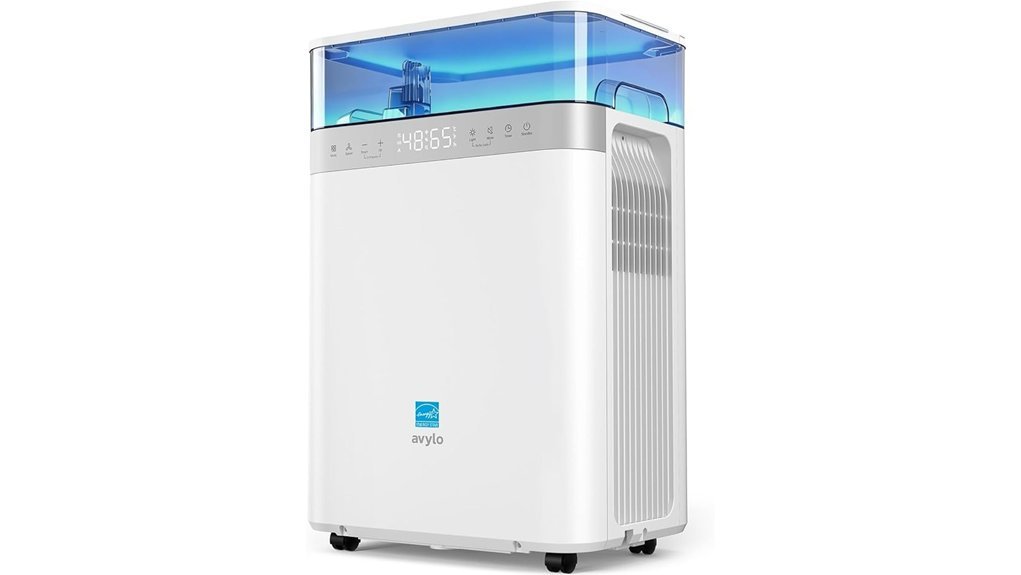
Best Large Tank
The linked Avylo is model ADC018. It combines a 2.11-gallon top-mounted tank with bucket collection, gravity drainage, and a built-in pump. The seller lists a 15-foot pump lift and an included 15-foot drain hose, making it useful where water must reach a raised drain or utility sink. Confirm the current package contents and installation requirements before ordering.
The advertised maximum is 90 pints per day under hot, very humid conditions. Its standardized ENERGY STAR capacity is 24.5 pints per day, with an Integrated Energy Factor of 2.05 L/kWh. That standardized number is the better figure for comparison. The Avylo should therefore be chosen primarily for its large tank and flexible drainage rather than because its 90-pint marketing number appears higher than the two 50-pint models.
Best For: Buyers who want a large, top-access tank and pump-assisted drainage without stepping up to a standardized 50-pint model.
Why You’ll Like It: Three water-removal methods reduce placement restrictions and make it easier to operate the unit for long periods.
Who Should Avoid It: Buyers with a severe or persistent moisture load should compare its 24.5-pint standardized capacity with a true 50-pint model rather than relying on the 90-pint maximum.
Pros:
- Large top-mounted tank can be easier to access in a tight basement.
- Built-in pump can move water upward when gravity drainage is impossible.
- Seller lists an included drain hose and pump lift up to 15 feet.
- Includes automatic humidity control, automatic defrost, and full-tank shutoff.
Cons:
- The 90-pint marketing figure is not directly comparable with standardized capacity.
- Its standardized rating is 24.5 pints per day, below the 50-pint Whirlpool and Frigidaire models.
- Pump and hose systems require correct setup, inspection, and periodic cleaning.
- Warranty procedures and included accessories should be confirmed on the current listing.
Whirlpool 50 Pint Energy Star Dehumidifier With Pump
Best Overall
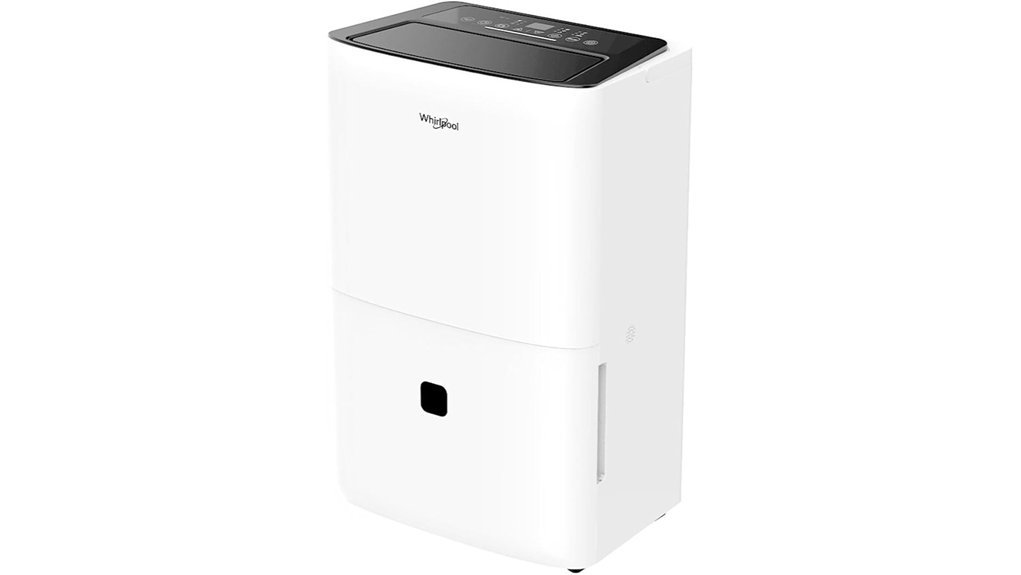
The linked Whirlpool is model WHHD501PAW, a 50-pint ENERGY STAR dehumidifier with a built-in pump. It offers the best overall feature balance in this comparison because it combines high standardized moisture-removal capacity with bucket collection, gravity drainage, and pump-assisted drainage.
Its listed controls include a humidistat adjustable from 35% to 80%, three fan speeds, Comfort Mode, a color-coded humidity indicator, automatic defrost, automatic shutoff, a washable filter, and automatic restart. The seller lists operation down to 41°F and sound as low as 45 dBA. Casters and top carry handles help with movement on one floor, although a full-size 50-pint unit can still be awkward to carry on stairs.
Best For: Homeowners managing persistent basement humidity who need flexible drainage and reliable low-temperature features.
Why You’ll Like It: The built-in pump allows more placement options, while the 50-pint capacity is better matched to demanding moisture loads than the compact products in this guide.
Who Should Avoid It: A small, mildly humid room may not require the size, pump system, or added complexity of this model.
Pros:
- 50-pint capacity is suitable for persistent basement moisture.
- Bucket, gravity-drain, and built-in pump options provide flexible water removal.
- Listed for operation down to 41°F with automatic defrost.
- Three fan speeds, adjustable humidistat, casters, handles, and a washable filter improve usability.
Cons:
- Pump-hose and gravity-hose inclusion should be confirmed before ordering.
- The larger cabinet is harder to carry on stairs than a compact dehumidifier.
- The pump, bucket, filter, and drainage path all need periodic inspection and cleaning.
- No Wi-Fi control is listed.
Factors to Consider When Choosing a Quality Dehumidifier for a Basement
A basement dehumidifier should match the room’s moisture load, temperature, drainage layout, and maintenance needs. Marketing square footage is only a rough guide. The amount of water entering the basement, the starting humidity, air circulation, and operating temperature can matter more than floor area alone.
Standardized Capacity and Coverage
Measure the basement, but also judge the severity of the moisture problem. A slightly humid finished basement needs less capacity than a space with condensation, persistent musty odors, damp walls, or frequent water entry.
Use the standardized DOE or ENERGY STAR pints-per-day rating whenever it is available. Seller maximums measured at temperatures such as 90°F or 95°F with very high relative humidity can look much larger. They should not be compared directly with standardized ratings intended to better reflect basement conditions.
For persistent humidity, a standardized 50-pint unit is generally a safer direction than a compact low-capacity model. However, no portable dehumidifier should be expected to compensate for flooding, foundation leaks, broken plumbing, or major exterior drainage problems.
Energy Efficiency Ratings
Look for an ENERGY STAR certified model and compare the Integrated Energy Factor, or IEF, when it is published. A higher IEF indicates that the unit removes more water per unit of electricity under the standardized test method.
Correct sizing also affects energy use. An undersized unit may run almost continuously without reaching the target, while a properly sized model can cycle off after reducing humidity. Use the humidistat and select a reasonable set point rather than running the appliance continuously without a target.
Noise Level Considerations
Compressor dehumidifiers are not silent. Check whether the stated dBA figure applies only to the lowest fan speed, because high speed will normally be louder. Seller noise claims may also differ from what you hear in a finished basement because hard walls and floors can reflect sound.
Place the unit on a firm, level surface, keep the intake and discharge openings clear, and consider a stable anti-vibration mat when appropriate. Do not place it on thick carpet if the carpet could block airflow, trap heat, or become wet.
Bucket, Gravity Drain, or Built-In Pump
A bucket is easy to understand but must be emptied whenever it fills. The dehumidifier normally shuts off when the bucket is full, which prevents overflow but also stops moisture removal.
Gravity drainage works only when the hose slopes continuously downward to a lower drain. Avoid loops, raised sections, kinks, or long flat runs where water can collect.
A built-in pump is useful when water must travel upward to a utility sink, window, or raised drain. Before buying, check the maximum pump lift, supported hose length, connector type, and whether the correct pump hose is included.
Fast drainage decision:
Choose the Whirlpool when you need standardized 50-pint capacity plus a pump. Choose the Frigidaire when a lower floor drain is available and Wi-Fi is more useful than a pump. Choose the Avylo when a large top-mounted tank and pump access are the main priorities. Choose the Waykar only when the moisture load is lighter and gravity drainage is practical.
Low-Temperature Operation
Basements can stay cooler than the rest of the home. Frost may form on a dehumidifier’s coils as the temperature drops, reducing water removal and causing the compressor to cycle without making useful progress.
Check the manufacturer’s minimum operating temperature and look for automatic defrost. A model that works well in a warm upstairs room may not be the best choice for an unheated basement during winter.
Portability and Design
Check the full product weight, caster quality, handle position, bucket access, and cabinet dimensions. Wheels are helpful on one level, but they do not make a heavy 50-pint unit easy to carry on stairs.
A top-mounted tank can be easier to lift in a narrow room, while a front bucket may be easier to slide out beneath shelving. Leave the clearance required by the manual so air can circulate properly.
Control Features Offered
Useful controls include an adjustable humidistat, current-humidity display, multiple fan speeds, timer, full-tank shutoff, automatic restart, and automatic defrost. Wi-Fi can be convenient for remote checks and scheduling, but it does not increase the unit’s physical moisture-removal capacity.
A separate hygrometer placed elsewhere in the basement can help you check whether the dehumidifier’s onboard sensor represents conditions across the entire room.
Maintenance and Filtration
Inspect the filter regularly and clean it according to the manual or clean-filter indicator. During continuous basement use, checking it about once a month is sensible, and a dusty space may require more frequent attention.
Empty and rinse the bucket, wipe the tank area, and inspect each drain hose for slime, kinks, loose connections, or clogs. Follow the manufacturer’s pump-cleaning instructions when applicable. Make sure the unit remains level and that dust does not block the air intake.
Warranty and Support Services
Read the current warranty before ordering. Check the coverage period, whether parts and labor are included, whether registration is required, and whether the compressor or drainage pump has separate terms.
Save the receipt, serial number, model number, manual, and support contact information. This is especially important for a basement appliance that may operate for long periods or rely on unattended drainage.
Before You Buy
- Measure the basement and assess whether it is mildly humid, persistently damp, or experiencing active water entry.
- Compare standardized capacity instead of square footage or maximum marketing capacity alone.
- Decide whether gravity drainage is possible or a pump is required.
- Check the lowest operating temperature and automatic-defrost feature.
- Confirm pump lift, hose type, hose inclusion, tank size, noise rating, filter access, and warranty.
- Plan a safe drainage route and test it while you are present before leaving the unit unattended.
Frequently Asked Questions
What Humidity Should I Set in My Basement?
A target of around 40% to 50% relative humidity works well for many basements. Keeping indoor humidity below 60% helps reduce conditions that support mold growth. Avoid setting the unit lower than necessary because extremely dry settings increase runtime and energy use.
How Do I Determine the Right Size Dehumidifier for My Basement?
Consider square footage, starting humidity, temperature, visible condensation, musty odors, water entry, and the unit’s standardized pints-per-day rating. A compact unit may work in a moderately humid basement, but a large or persistently damp basement usually needs more capacity.
Do not size the machine from an advertised square-foot number alone. Two basements of the same size can have very different moisture loads.
Do I Need a Basement Dehumidifier With a Pump?
You need a pump when the collected water must travel upward or when no lower floor drain is available. You usually do not need a pump when a hose can slope continuously downward to a nearby drain. A pump adds flexibility but also adds components that require cleaning and inspection.
Can I Run a Basement Dehumidifier Continuously?
Many units offer continuous operation or continuous drainage, but it is usually better to set a target humidity and let the humidistat cycle the compressor. Inspect the hose, bucket, filter, and pump regularly, and test the drainage setup before relying on unattended use.
Can a Dehumidifier Help With Mold and Mildew Issues?
A dehumidifier can reduce moisture and make future mold growth less likely, but it does not remove existing mold or repair the leak that caused it. Clean or remediate existing mold safely, dry wet materials, and correct the moisture source.
Will a Dehumidifier Fix a Wet or Flooding Basement?
No. A dehumidifier can manage water vapor in the air, but it cannot stop foundation leaks, plumbing failures, poor grading, clogged gutters, groundwater entry, or flooding. Correct active water problems before depending on an appliance for humidity control.
How Long Does a Dehumidifier Last?
There is no guaranteed lifespan. Runtime, dust, basement temperature, drainage maintenance, electrical conditions, and compressor or pump wear all affect service life. Regular filter cleaning, open airflow, and proper drainage can help the unit operate reliably for longer.
Consider repair or replacement if moisture removal drops sharply, the compressor repeatedly fails to start, the coils remain frozen, the pump stops draining, or water leaks from the cabinet.
How Often Should I Clean My Dehumidifier’s Filter?
Follow the manual and clean-filter indicator. During continuous basement use, inspect the filter about once a month and clean it sooner if the space is dusty. Never reinstall a washable filter until it is fully dry.
Are There Energy-Efficient Options for Large Basements?
Yes. Look for an ENERGY STAR certified model with enough standardized capacity for the moisture load, an automatic humidistat, and a practical continuous-drain system. Proper sizing, clean filters, open airflow, and a reasonable humidity setting help prevent unnecessary runtime.
Conclusion
The best basement dehumidifier depends on standardized capacity, basement temperature, and drainage layout. The Whirlpool 50 Pint Dehumidifier with Pump is the best overall choice in this comparison for persistent humidity because it combines 50-pint capacity, low-temperature operation, gravity drainage, and a built-in pump.
The Frigidaire 50 Pint Wi-Fi model is the better choice when remote control, scheduling, and a large bucket matter most and a lower drain is available. The Avylo ADC018 offers a convenient large tank and pump system, but buyers should judge it by its 24.5-pint standardized capacity rather than its 90-pint hot-condition maximum. The Waykar PD160B-PRO is the compact option for a lighter moisture load, with a standardized capacity of 10.16 pints per day.
Final recommendation: For a damp basement where drainage flexibility is important, start with the Whirlpool. Choose the Frigidaire for smart control without a pump, the Avylo for its top-mounted tank and pump convenience, or the Waykar for a smaller and less demanding space.
Whichever model you select, compare standardized capacity, test the drainage system, maintain the filter and hoses, and repair leaks or water entry instead of expecting the dehumidifier to solve a building-moisture problem by itself.