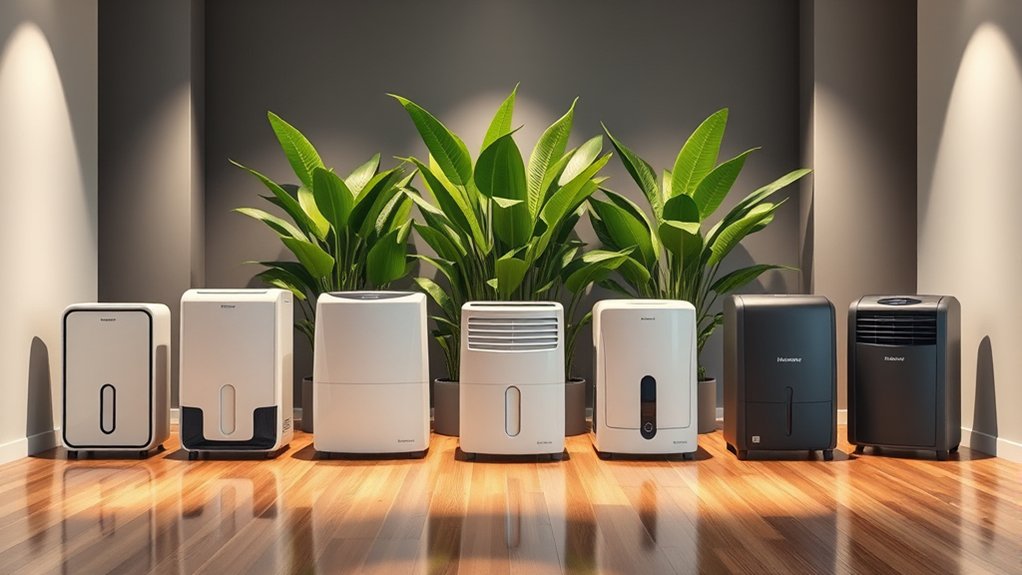
If you are shopping for the best dehumidifiers with pumps in Canada for 2026, the right choice depends on your room size, humidity level, drainage setup, operating temperature, and noise tolerance. A built-in pump is especially useful when you need to move water upward into a sink, laundry tub, utility drain, sump pit, or another safe drain point instead of relying only on gravity drainage.
This guide compares pump-equipped options for basements, crawl spaces, garages, large rooms, and high-humidity homes. You will find compact crawl space models like the ALORAIR and CADPXS units, high-capacity picks like Waykar and AVAHUM, and residential-style options such as Avylo, Gasbye, and AEOCKY. Use the quick comparison below to narrow your choice before reading the full product notes.
Affiliate disclosure: This article contains Amazon affiliate links. If you buy through these links, we may earn a commission at no extra cost to you. Product details can change, so always confirm the latest specifications, warranty, voltage, drainage setup, safety certification, shipping terms, and availability on Amazon before buying.
Canadian buyer note: Some links may point to Amazon.com listings. Before ordering for Canada, confirm Amazon.ca availability when possible, import or shipping terms, 110-120V electrical compatibility, plug type, warranty support, and whether the product carries a suitable safety listing for your location.
Quick Picks
- Best for crawl spaces: ALORAIR 70 Pints Crawl Space Dehumidifier with Pump
- Best for large basements: Waykar 150 Pints Energy Star Dehumidifier with Pump
- Best residential convenience pick: Avylo Dehumidifier for Basement with Pump
- Best for quiet basement use: Gasbye 2026 Energy Star Dehumidifier for Basement
- Best compact crawl space alternative: CADPXS 80 Pint Crawl Space Dehumidifier with Pump
Quick Verdict
For most Canadian basements, a pump dehumidifier is worth buying when the drain is above the unit, across the room, or too far away for simple gravity drainage. Choose a crawl space unit if the machine will sit in a low, unfinished, hard-to-access area. Choose a residential room model if you need easier rolling, a water tank, accessible controls, and more convenient day-to-day use near living spaces.
Best simple buying rule: match the unit to your room size and moisture load first, then compare pump lift, hose route, noise level, low-temperature performance, filter access, electrical requirements, and warranty support.
Dehumidifiers With Pumps Comparison
| Product | Best Use | Listed Capacity | Coverage | Pump / Drainage Note | Amazon |
|---|---|---|---|---|---|
| ALORAIR 70 Pints Crawl Space Dehumidifier with Pump | Crawl spaces, basements, and utility areas | 70 pints under the listing’s rated conditions | Up to 1,000 sq. ft. | Built-in pump plus gravity-drain support | Check Price |
| Avylo Dehumidifier for Basement with Pump | Large basements, garages, and residential rooms | 90 pints per day under listed conditions | Up to 4,500 sq. ft. | Built-in pump with continuous drainage support | Check Price |
| AEOCKY 4500 Sq.Ft Energy Star Dehumidifier with Pump | Energy-conscious large rooms | 80 pints per day under listed conditions | Up to 4,500 sq. ft. | Pump drainage with automatic humidity control | Check Price |
| Waykar 150 Pints Energy Star Dehumidifier with Pump | Large homes, garages, basements, and open spaces | 150 pints at 95°F / 90% RH | Up to 7,000 sq. ft. | Multiple drainage options with built-in pump | Check Price |
| Gasbye 2026 Energy Star Dehumidifier for Basement | Quiet basement moisture control | 75 pints per day under listed conditions | Up to 4,500 sq. ft. | Replaceable pump with pump and gravity drainage options | Check Price |
| CADPXS Crawl Space Dehumidifier with Pump | Demanding crawl spaces and basements | Up to 125 pints per day at saturation | Up to 1,300 sq. ft. | Built-in pump with up to 19.6 ft listed lift | Check Price |
| CADPXS 80 Pint Crawl Space Dehumidifier with Pump | Smaller crawl spaces and damp basements | 80 PPD at saturation / 38 PPD under listed AHAM conditions | Up to 1,200 sq. ft. | Pump drainage up to 19.6 ft. | Check Price |
| AVAHUM AM150P 150 Pint Dehumidifier for Large Rooms | Large rooms and commercial-style spaces | 150 pints under listed conditions | Up to 7,000 sq. ft. | Built-in pump with continuous drainage support | Check Price |
Note: Headline pint ratings may be measured under different temperature and humidity conditions and are not always directly comparable. Actual moisture removal depends on room temperature, relative humidity, airflow, leakage, water intrusion, and how often doors or windows open.
How We Chose These Pump Dehumidifiers
These products were compared around real buying concerns: listed pint capacity, coverage area, pump drainage convenience, crawl space suitability, basement use, noise information when available, energy-efficiency positioning, portability, maintenance access, and setup flexibility. The goal is to help you choose by use case instead of simply picking the largest number on the box.
- For crawl spaces: lower-profile designs, built-in pump drainage, auto-defrost, memory restart, and rugged construction can matter most.
- For finished basements: noise level, wheels, handles, water tank access, and easy controls become more important.
- For large open spaces: higher verified capacity, suitable drainage options, and continuous-operation features become more valuable.
- For cold Canadian areas: low-temperature operation, auto-defrost, and a safe electrical setup are worth checking before purchase.
ALORAIR 70 Pints Crawl Space Dehumidifier with Pump
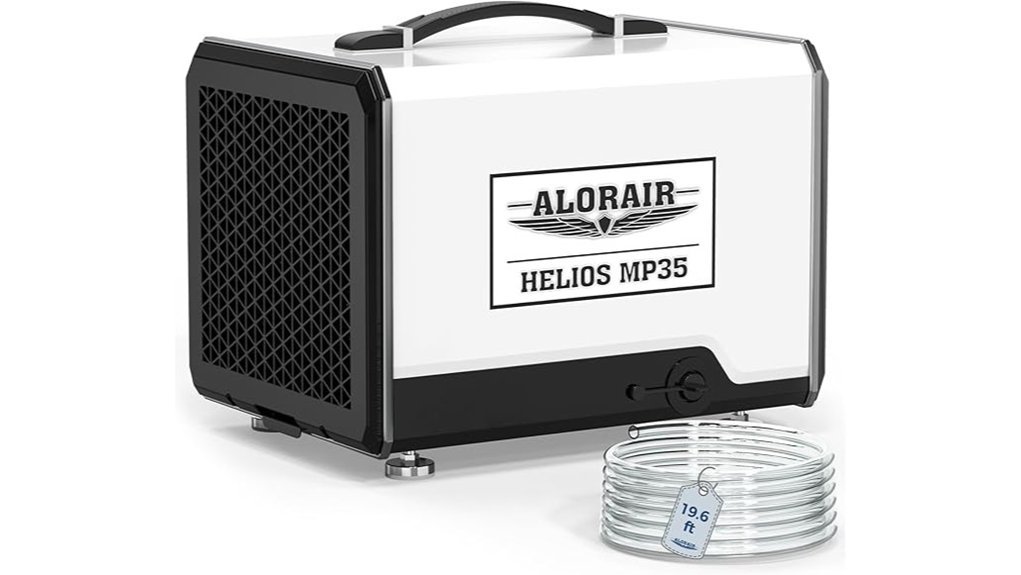
The ALORAIR 70 Pints Crawl Space Dehumidifier with Pump is a strong match for homeowners managing excess moisture in crawl spaces, basements, attics, garages, and utility areas. It is listed for areas up to 1,000 sq. ft. and carries a 70-pint capacity rating. Its compact body makes it easier to position in low-clearance or unfinished areas than many tall residential room units.
The built-in pump is the key feature here. It gives you flexible drainage options, including pump drainage and gravity drainage, so you do not have to rely only on a floor drain directly beside the machine. That can make the unit more practical in a crawl space or basement where regular bucket emptying would be inconvenient.
Why you will like it: This model is designed for buyers who want crawl-space moisture control without walking into the space every day to empty a bucket. The built-in pump gives you more freedom when choosing a safe drain point.
Best For: Homeowners dealing with excess moisture in crawl spaces, basements, attics, garages, and similar utility areas.
Pros:
- Crawl-space-ready shape: The compact body is easier to place in lower-clearance areas than many upright room models.
- Built-in pump: Helps move collected water to a higher or more convenient drain point.
- Gravity-drain option: Gives you another continuous-drain method when a suitable lower drain is available.
Cons:
- Limited coverage: Best suited for spaces around the listed 1,000 sq. ft. range, not very large open basements.
- Placement still matters: You still need a safe hose route, clear airflow, and a stable surface.
- Not a leak fix: It can manage humidity, but it will not repair foundation leaks or remove the source of standing water.
Who should buy this: Buy it if you need a purpose-built crawl space or unfinished basement dehumidifier with pump drainage.
Who should skip it: Skip this model if you need substantially more than 1,000 sq. ft. of listed coverage from one unit or prefer a wheeled residential room design.
Avylo Dehumidifier for Basement with Pump
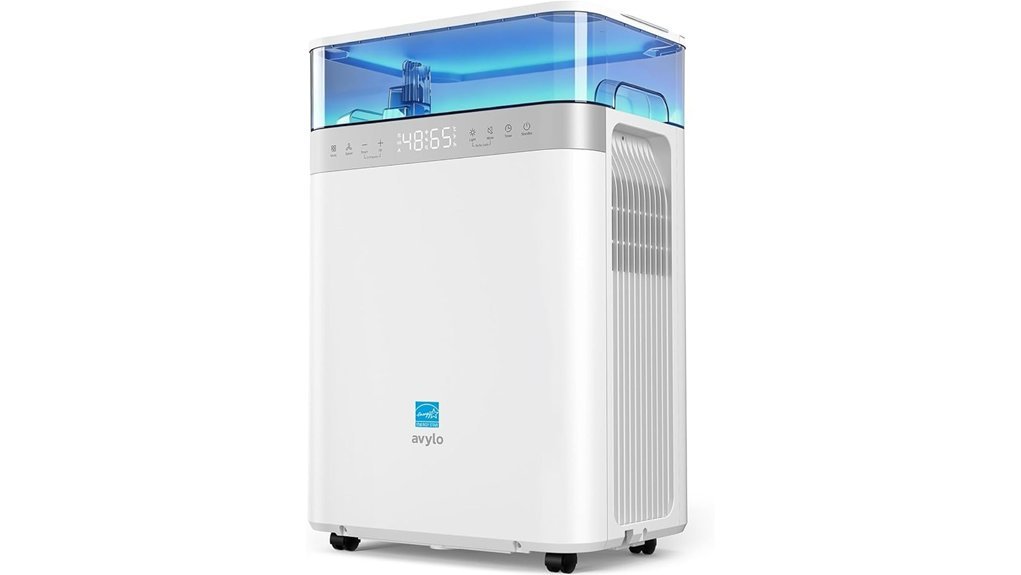
If you are managing humidity in a large residential space, the Avylo Dehumidifier is a practical pump-equipped option. It carries a listed dehumidification capacity of 90 pints per day and coverage up to 4,500 sq. ft., making it more appropriate for basements, garages, utility rooms, and other damp areas than a compact tank-only unit.
The built-in pump supports continuous drainage when the unit is not beside a suitable gravity drain. Its residential-style upright design, wheels, handles, and accessible controls also make it easier to move and operate than many crawl-space-only machines. If noise is a major concern, compare the current manufacturer’s sound specification before buying rather than assuming all operating modes will be equally quiet.
Why you will like it: Avylo is a good fit when you want pump drainage plus the portability and controls of a residential basement unit instead of a low-profile crawl-space machine.
Best For: Buyers seeking a pump-equipped dehumidifier for a large basement, garage, utility room, or similar residential space.
Pros:
- Built-in pump supports continuous drainage when a low floor drain is not convenient.
- Residential-style design suits basements, utility rooms, laundry areas, and garages.
- Wheels, handles, and accessible controls can make movement and day-to-day use easier.
Cons:
- A pump-equipped model may cost more than a comparable gravity-drain-only unit.
- Its full-size body may be cumbersome for very small rooms or closet-style spaces.
- The water tank still needs attention if you do not configure continuous drainage.
Who should buy this: Buy it if you need a basement dehumidifier with a pump, easy movement, and residential-friendly controls.
Who should skip it: Skip it if you only need a compact dehumidifier for a small bathroom, closet, or other limited area.
AEOCKY 4500 Sq.Ft Energy Star Dehumidifier with Pump
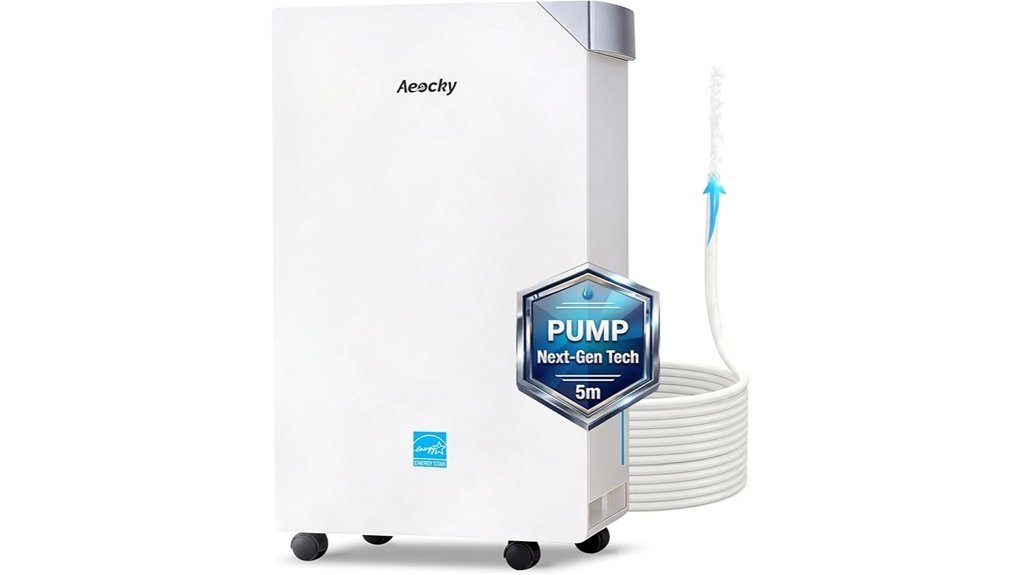
Looking for a pump-equipped dehumidifier for a larger residential space? The AEOCKY 4500 Sq.Ft Energy Star Dehumidifier with Pump is worth comparing. It is listed for up to 4,500 sq. ft. with a capacity rating of 80 pints per day, making it suitable for basements, larger rooms, and other moisture-prone residential areas when properly sized for the actual humidity load.
Its pump drainage supports hands-off water removal when you cannot rely on a nearby floor drain. Automatic humidity control can also help the machine cycle around a selected target instead of requiring constant manual adjustment. Its upright residential design makes it a more natural fit for finished areas than many purpose-built crawl-space machines.
Why you will like it: This AEOCKY model fits buyers who want energy-efficiency positioning, pump drainage, and automatic humidity management for a larger room or basement.
Best For: Buyers needing a pump-equipped dehumidifier for larger residential spaces up to the manufacturer’s listed coverage.
Pros:
- Useful listed capacity: Rated at up to 80 pints per day under the listing’s conditions.
- Pump drainage: Helps reduce manual tank emptying when the drain hose is routed correctly.
- Automatic humidity management: Makes it easier to maintain a selected target humidity.
Cons:
- Initial cost: A pump-equipped model may cost more than a simpler non-pump unit.
- Setup matters: The pump hose still needs a safe route with no kinks or leak risks.
- More controls: Buyers who want the simplest possible operation may prefer a more basic unit.
Who should buy this: Buy it if you want an energy-focused pump dehumidifier for a large room, basement, or moisture-prone residential space.
Who should skip it: Skip it if you prefer a small, basic dehumidifier without pump drainage or automatic controls.
Waykar 150 Pints Energy Star Dehumidifier with Pump
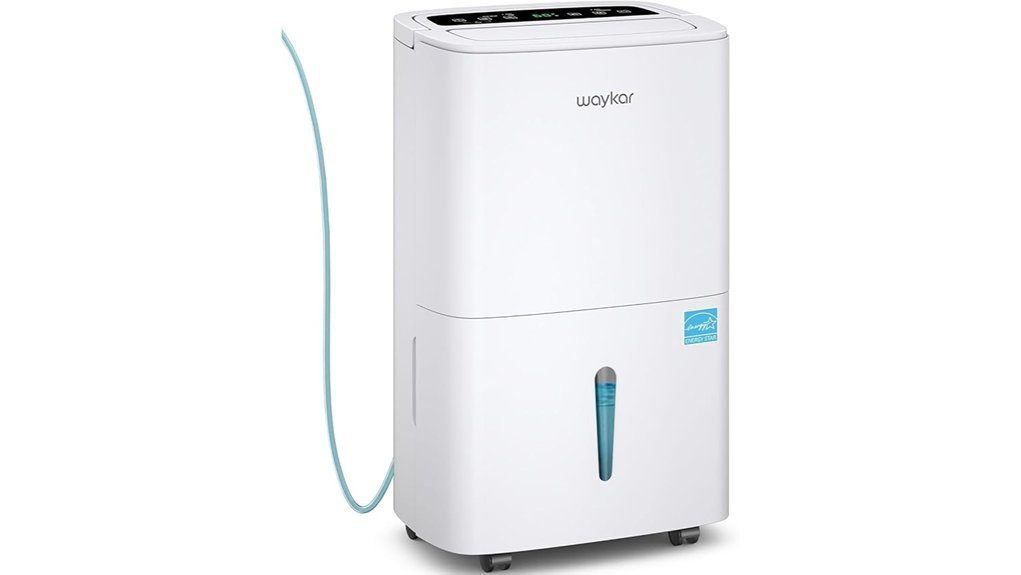
The Waykar 150 Pints Energy Star Dehumidifier with Pump is aimed at large spaces, damp basements, garages, warehouses, and utility areas. It is marketed to remove up to 150 pints per day at 95°F and 90% RH and cover areas up to 7,000 sq. ft. Because those are warm, very humid test conditions, actual daily moisture removal in a cooler Canadian basement can be lower.
The built-in pump can help discharge water upward, making the unit useful when your drain location is not directly below the machine. It also provides continuous-drain features, humidity controls, and auto-defrost-related functionality that can be useful in larger spaces where moisture returns frequently.
Why you will like it: Waykar is a strong comparison choice when you want high listed capacity and flexible drainage, especially in a large basement where the nearest drain is not at floor level.
Best For: Buyers dealing with recurring humidity in large basements, garages, open-plan areas, storage spaces, and similar large indoor environments.
Pros:
- High listed capacity for large spaces and demanding humidity conditions.
- Built-in pump provides more flexible drainage than gravity drainage alone.
- Automatic controls help manage a target humidity without constant adjustment.
Cons:
- Its size and capacity may be unnecessary for smaller or only mildly damp rooms.
- Drainage setup requires planning before you can take full advantage of the pump.
- The headline 150-pint rating reflects very warm, humid test conditions and should not be treated as guaranteed removal in every basement.
Who should buy this: Buy it if you need a high-capacity pump dehumidifier for a large basement, garage, or open-plan area.
Who should skip it: Skip it if your room is small, lightly damp, or better suited to a lower-capacity unit.
Gasbye 2026 Energy Star Dehumidifier for Basement
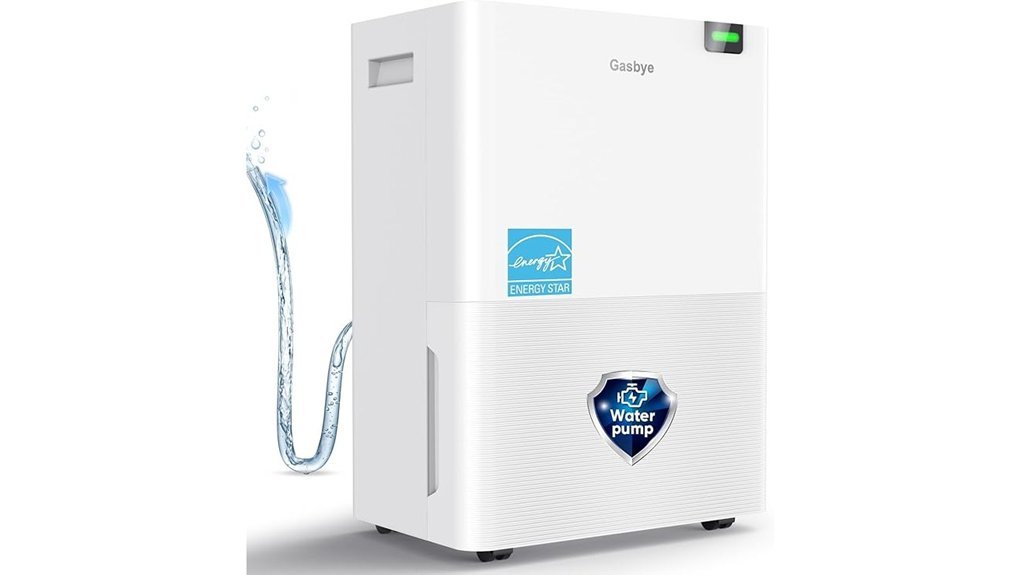
If you need an efficient solution for a damp basement, the Gasbye 2026 Energy Star Dehumidifier stands out as a residential-style pump option. It carries a listed capacity of 75 pints per day with coverage up to 4,500 sq. ft., making it suitable for basement humidity, laundry rooms, and larger living areas when matched to the actual moisture load.
The replaceable pump and flexible drainage options are useful for buyers who want continuous drainage without relying only on gravity. The listing also advertises pump-drainage noise as low as 44 dB, which makes it one of the more interesting choices here when sound matters. Remember that overall operating noise can vary by mode, room acoustics, compressor operation, and pump cycling.
Why you will like it: Gasbye is appealing if you want a basement dehumidifier with pump drainage, residential controls, and a relatively low advertised pump-drainage noise figure.
Best For: Homeowners looking for an efficient pump-equipped dehumidifier for basements, laundry areas, and larger residential rooms where noise is also a consideration.
Pros:
- Energy-efficiency positioning is useful for spaces where the machine may run for long periods.
- The listing advertises pump-drainage operation as low as 44 dB.
- Flexible drainage includes a replaceable pump design plus pump and gravity drain-hose options.
Cons:
- It is larger and heavier than compact room dehumidifiers.
- Operating temperature limits should still be checked if you plan to use it in a very cold utility area.
- The pump and drainage system add parts that need periodic inspection and cleaning.
Who should buy this: Buy it if you want a pump dehumidifier for a basement, laundry area, or larger living space and noise is one of your comparison points.
Who should skip it: Skip it if you need a compact unit for a small room or plan to operate outside the manufacturer’s stated temperature range.
CADPXS Crawl Space Dehumidifier with Pump
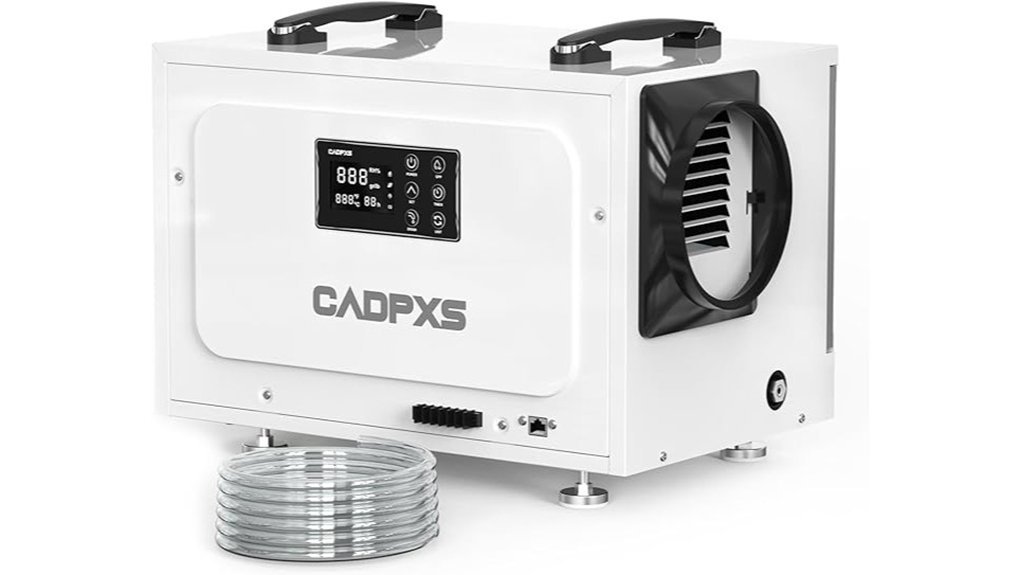
Looking for a stronger solution for recurring crawl-space humidity? The CADPXS Crawl Space Dehumidifier with Pump is listed to remove up to 125 pints per day at saturation and cover areas up to 1,300 sq. ft. That makes it a practical option for crawl spaces, basements, garages, and demanding utility areas where a smaller residential unit may be less convenient.
Its built-in automatic drain pump is listed for up to 19.6 ft of vertical drainage, giving you more flexibility when the nearest safe drain point is above the machine. The compact body and crawl-space-oriented design also make it easier to place in areas where a tall rolling dehumidifier would be awkward.
Why you will like it: CADPXS is a practical option when your crawl space has recurring moisture and you want higher listed capacity plus substantial pump-lift flexibility.
Best For: Homeowners and property managers seeking humidity control in crawl spaces, basements, garages, and moisture-prone utility areas.
Pros:
- High listed moisture-removal capacity at saturation for demanding environments.
- Built-in automatic drain pump is listed for up to 19.6 ft of vertical drainage.
- Crawl-space-oriented design is better suited to low-clearance installations than many upright residential models.
Cons:
- The headline 125-pint figure is a saturation-condition rating and should not be compared directly with ratings measured under different conditions.
- It requires enough installation clearance and a safe drain-hose route.
- Its 1,300-sq.-ft. listed coverage may not be enough for a very large open basement from one unit.
Who should buy this: Buy it if you need a stronger crawl space dehumidifier with pump drainage and up to 1,300 sq. ft. of listed coverage.
Who should skip it: Skip it if you need coverage far beyond 1,300 sq. ft. or prefer a wheeled finished-basement design.
CADPXS 80 Pint Crawl Space Dehumidifier with Pump
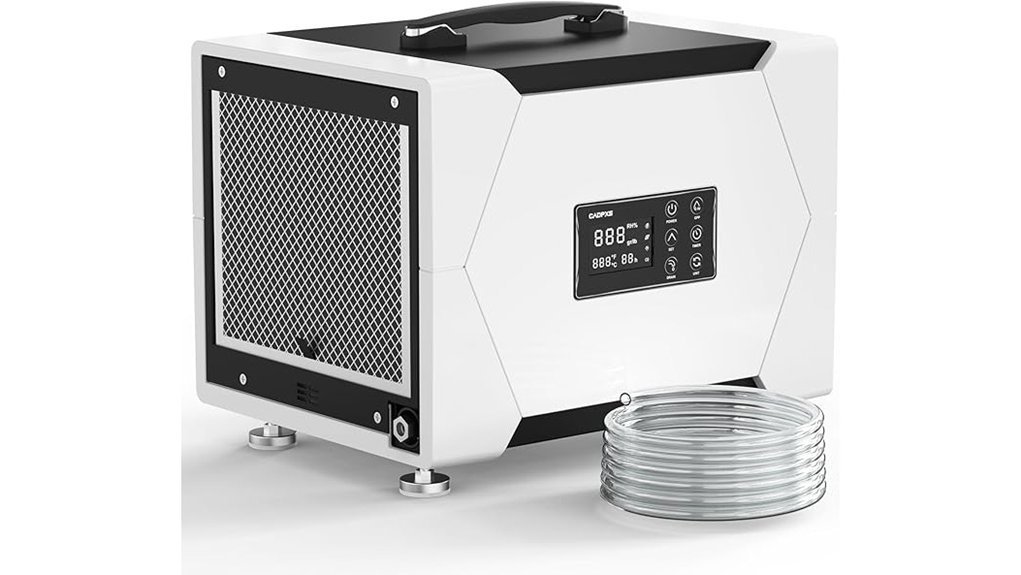
The CADPXS 80 Pint Crawl Space Dehumidifier with Pump is a practical option for homeowners managing damp crawl spaces, tight basements, or utility areas. It is listed for spaces up to 1,200 sq. ft. and rated at up to 80 pints per day at saturation, 38 PPD under the listing’s AHAM conditions, and 24 PPD under its DOE condition. Those different ratings are a useful reminder to compare test conditions rather than headline pint numbers alone.
The built-in pump supports automatic drainage with a listed vertical lift of up to 19.6 ft. Its compact dimensions make it particularly useful when floor space or vertical clearance is limited, while the pump reduces the need to visit the area simply to empty collected water.
Why you will like it: This is the more compact CADPXS option for buyers who need pump drainage in a smaller crawl space and do not need the higher saturation rating of the larger CADPXS model.
Best For: Homeowners looking to manage moisture in crawl spaces, tight basements, storage areas, or compact utility spaces up to the listed coverage.
Pros:
- Compact crawl-space fit: Better suited to tight, lower-clearance areas than many upright rolling units.
- Automatic drainage: Built-in pump supports vertical drainage up to the listed 19.6-ft lift height.
- Clearer capacity context: The listing provides saturation, AHAM-condition, and DOE-condition moisture-removal figures.
Cons:
- Movement: A crawl-space dehumidifier can still be awkward to carry through a tight access opening.
- Coverage limit: Its listed maximum is 1,200 sq. ft., so it is not intended as a single-unit solution for very large open areas.
- Accessories: Confirm all included hoses, remote-control accessories, and warranty terms on the current listing before buying.
Who should buy this: Buy it if you need a compact crawl space dehumidifier with pump drainage, up to 1,200 sq. ft. of listed coverage, and substantial vertical drain flexibility.
Who should skip it: Skip it if you need coverage above 1,200 sq. ft. or prefer the mobility and larger tank access of a residential room model.
AVAHUM AM150P 150 Pint Dehumidifier for Large Rooms
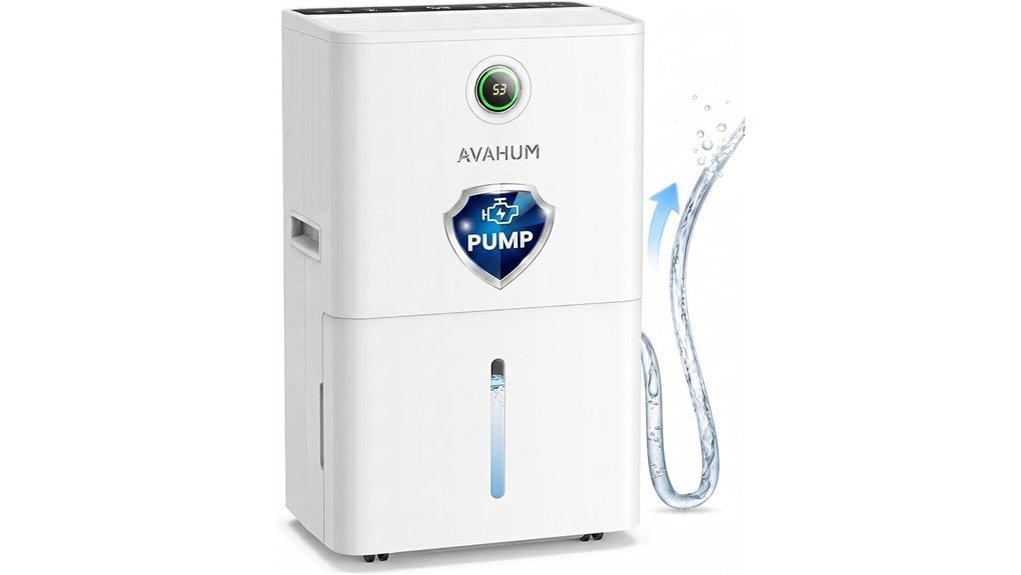
When tackling humidity in a large space, the AVAHUM AM150P 150 Pint Dehumidifier combines a high listed capacity with pump drainage. It is positioned for areas up to 7,000 sq. ft. and carries a 150-pint capacity rating. This type of unit makes the most sense in large basements, garages, open rooms, and commercial-style spaces where a small household dehumidifier may need to run continuously.
The built-in pump lets you route collected water to a more convenient drain point instead of depending only on manual tank emptying. The listing also identifies a 2.12-gallon tank and includes a drain hose. Because shipping, warranty handling, included accessories, and support can differ for Canadian buyers, confirm those details before ordering.
Why you will like it: This model is aimed at buyers who care most about large-room moisture removal and pump drainage when a smaller household unit would be inconvenient.
Best For: Buyers seeking a high-capacity pump dehumidifier for large basements, garages, open rooms, and commercial-style areas.
Pros:
- High listed capacity: Rated at 150 pints with coverage up to 7,000 sq. ft.
- Built-in pump: Gives you more drainage-placement flexibility than gravity drainage alone.
- Large water tank: The listing identifies a 2.12-gallon tank for times when continuous drainage is not being used.
Cons:
- More capacity than many rooms need: A smaller unit may be easier to place and operate in modest residential spaces.
- Large-unit handling: High-capacity dehumidifiers are generally less convenient in tight rooms than compact models.
- Support details: Canadian warranty coverage, included drainage accessories, and return terms should be confirmed before ordering.
Who should buy this: Buy it if you need a high-capacity pump model for a large room, basement, garage, or commercial-style space.
Who should skip it: Skip it if you need a compact room unit or do not require anything close to its listed coverage and capacity.
Factors to Consider When Choosing a Dehumidifier With Pump in Canada
When choosing a dehumidifier with a pump in Canada, start with the coverage area, dehumidification capacity, drainage options, and operating temperature that fit your home. Then compare noise information, energy efficiency, portability, electrical requirements, safety certification, warranty access, and how easy the unit will be to maintain.
Before You Buy Checklist
- Measure the basement, crawl space, garage, or room before choosing capacity.
- Consider how damp the area is, not just its square footage.
- Confirm where the drain hose will go and whether the pump must lift water upward.
- Check the listed pump lift height, hose length, and included drain accessories.
- Check the operating temperature range if the unit will run in a cold basement, garage, or crawl space.
- Look for auto-defrost if the area gets cool enough for coil icing to become a concern.
- Check the noise specification if the dehumidifier will run near bedrooms, offices, or family rooms.
- Confirm voltage, plug type, electrical requirements, and suitable safety certification for your location.
- Make sure the filter, tank, hose, and pump components are accessible for maintenance.
- Confirm product specifications, warranty terms, included accessories, Canadian shipping, import costs, and Amazon.ca availability before ordering.
Key Features Overview
Choosing the right dehumidifier with a pump for your space in Canada depends on several features. First, compare the dehumidification capacity, measured in pints removed per day under stated test conditions. Next, evaluate the drainage options. Built-in pumps can discharge water upward, which is useful in spaces without an easy floor-drain route. Energy efficiency is another important factor, especially if the unit will run for long periods. Finally, check the noise specification when the machine will operate near bedrooms, offices, or finished living areas.
Coverage Area Requirement
Finding a dehumidifier with a pump that fits your coverage area is important, but square footage should not be your only sizing tool. Options in this guide range from models listed around 1,000 sq. ft. for crawl spaces to models marketed for areas up to 7,000 sq. ft. Consider whether the space is slightly damp, persistently humid, or affected by recurring water intrusion. A cool, wet basement can require more moisture-removal capability than a similarly sized room with only mild seasonal humidity.
Dehumidification Capacity Needs
Dehumidification capacity, measured in pints per day, indicates how much moisture a unit can remove under specific test conditions. The conditions matter. A rating measured at saturation or very high temperature and humidity should not be compared as though it were identical to a rating measured under DOE or AHAM conditions. Use the listed capacity as one comparison point, then consider your actual temperature, humidity, ventilation, and moisture source before choosing.
Drainage Options Available
When considering drainage options, decide whether gravity drainage can work before paying extra for a pump. Gravity drainage requires a continuously downward hose path to a lower drain. A built-in condensate pump can move water upward to a sink, laundry tub, sump area, utility drain, or another manufacturer-approved destination. Pump-lift limits and hose lengths vary by model, so check both before planning the installation.
Energy Efficiency Ratings
Energy efficiency can affect operating costs because a dehumidifier may run for many hours during damp weather. When a model is advertised as ENERGY STAR, confirm the current certification and exact model number before buying. If efficiency data such as Integrated Energy Factor is provided, it can help you compare units more meaningfully than marketing language alone. Actual electricity use still depends on runtime, humidity, temperature, fan setting, and how well the unit is sized for the space.
Noise Level Considerations
Noise matters most when the dehumidifier will run near a bedroom, home office, television area, or finished basement. Compare the manufacturer’s decibel specification when one is provided, and note whether it refers to the fan, compressor, pump, or an overall operating mode. Lower fan settings may sound quieter, while compressor cycling and pump operation can create different types of noise. Do not assume two products with similar capacity will sound the same.
Maintenance and Filter Access
A pump dehumidifier still needs routine care. Check whether the filter is easy to remove, clean, and reinstall. Also look at how accessible the drain hose and pump components are, especially if the unit will sit in a crawl space. A clogged filter, kinked hose, blocked pump, dirty reservoir, or poorly positioned drain line can reduce performance and increase the risk of leaks.
Basement vs Crawl Space Use
Basements and crawl spaces often benefit from different designs. A finished-basement model may prioritize caster wheels, handles, a water tank, accessible controls, and lower operating noise. A crawl-space dehumidifier usually benefits from a lower-profile body, durable construction, auto-defrost, restart features, and a drainage setup that can operate with less attention. Before buying, measure the installation opening as well as the actual space where the machine will sit.
Pump Lift and Hose Route
The pump is only useful if its specifications match the hose route in your home. Before buying, decide whether the water will drain into a sink, laundry tub, utility drain, sump area, or another safe destination allowed by the manufacturer. Check the listed vertical pump lift, total hose length, and whether the hose must travel upward, across the floor, or around obstacles. Keep the line protected from kinks, crushing, freezing, and accidental disconnection.
Cold Basement Performance
Canadian basements, garages, and crawl spaces can become cool during the colder months. Compressor dehumidifiers generally remove less moisture as conditions get colder, and coils can frost if the unit is operated outside its intended range. If winter or shoulder-season operation matters, compare the manufacturer’s minimum operating temperature and auto-defrost features before buying.
Humidity Target and Mold Control
Many homes are kept around 30% to 50% relative humidity, although the most comfortable and practical target can vary with season, indoor temperature, condensation risk, and building conditions. A dehumidifier can reduce dampness and make the environment less favourable for moisture-related problems, but it will not repair leaks, remove standing water, or remediate existing mold. Correct the moisture source first and use a hygrometer to confirm whether indoor humidity is actually improving.
Pro Tip
Do not choose only by the largest coverage or pint number. A properly sized pump dehumidifier with a workable drain route can be a better purchase than an oversized model whose headline rating was measured under very different test conditions.
Safety and Setup Note
Place the dehumidifier on a stable surface, maintain the clearances required by the manufacturer, keep the air intake and outlet unobstructed, route the drain hose where it cannot kink or create a trip hazard, and use an electrical outlet appropriate for the unit and location. In crawl spaces or damp utility areas, inspect the filter, hose, reservoir, pump, and drain destination regularly.
Frequently Asked Questions
How Often Should I Empty the Dehumidifier’s Pump Reservoir?
If continuous pump drainage is installed and operating correctly, you normally should not need to manually empty the collection bucket each time it fills. The unit should transfer collected water through the pump system automatically according to its design. You should still inspect the tank or reservoir, pump, drain hose, and drain destination periodically for dirt, blockage, kinks, leaks, or standing water.
Can I Use a Dehumidifier in Winter?
Yes, if indoor humidity is high and the room stays within the dehumidifier’s approved operating range. In colder basements or utility areas, compressor-based units can lose moisture-removal performance or develop frost on the coils. Check the minimum operating temperature and look for auto-defrost if cold-weather use is important.
What Is the Ideal Humidity Level for Homes?
A range around 30% to 50% relative humidity is commonly used as a general indoor target, but the best setting can vary with season, indoor temperature, condensation, and building conditions. A separate hygrometer can help you verify room humidity instead of relying only on the dehumidifier’s display.
Do Dehumidifiers Produce a Lot of Noise?
They can. The fan, compressor, airflow, vibration, and condensate pump can all create sound. If noise matters, compare the manufacturer’s decibel specification and check which operating mode that number represents. A dehumidifier in an unfinished utility area may not need to be as quiet as one placed beside a home office or bedroom.
How Energy-Efficient Are These Dehumidifiers?
Several models in this guide are marketed with ENERGY STAR or energy-efficiency positioning, but efficiency should be checked for the exact model you plan to buy. Actual electricity use depends on room size, humidity, temperature, runtime, fan settings, drainage configuration, and how efficiently the unit reaches and maintains your target humidity.
Is a Built-In Pump Worth It?
A built-in pump is worth considering if you cannot place the dehumidifier beside a suitable lower floor drain. It can move condensate upward or along a more flexible hose route, which is useful in basements, laundry rooms, utility areas, and crawl spaces. If you already have a reliable floor drain immediately beside the unit, gravity drainage may be simpler and cheaper.
What Size Dehumidifier With Pump Do I Need?
Choose capacity based on room area, dampness, temperature, ventilation, and how quickly moisture returns. Do not rely on square footage alone. A moderately sized but very wet basement may need more moisture-removal capability than a larger room with only mild seasonal humidity. Also compare the test conditions behind the advertised pint rating before assuming one model is twice as powerful as another.
What Is the Difference Between Pump Drainage and Gravity Drainage?
Gravity drainage depends on water flowing continuously downhill through a hose to a lower drain. Pump drainage actively pushes water and can usually move it upward within the manufacturer’s stated lift limit. That makes pump drainage more flexible when the dehumidifier sits below a sink, utility drain, or other approved drainage point.
Are Crawl Space Dehumidifiers Different From Basement Dehumidifiers?
Often, yes. Crawl-space dehumidifiers are generally lower-profile and designed for installations where floor space, height, drainage, and maintenance access are limited. Residential basement models may focus more on caster wheels, a water tank, handles, digital controls, and lower noise. Choose based on the actual installation environment rather than the product label alone.
Should Canadian Buyers Use Amazon.com or Amazon.ca?
Canadian buyers should compare both when possible. Amazon.ca can sometimes simplify domestic shipping and returns, while Amazon.com may show different models or configurations. Before ordering from either marketplace, confirm the exact model, voltage, plug type, safety certification, Canadian warranty support, shipping costs, import fees, included accessories, and return terms.
Final Recommendation
For crawl spaces, start with the ALORAIR 70 Pints Crawl Space Dehumidifier with Pump or one of the CADPXS models. For large basements, garages, and open rooms, compare the Waykar 150 Pints Energy Star Dehumidifier with Pump and the AVAHUM AM150P 150 Pint Dehumidifier. For residential-style daily use, Avylo and AEOCKY are easier comparisons, while Gasbye deserves particular attention when its advertised low pump-drainage noise is important to you.
The best choice is not automatically the product with the largest headline number. Match the unit to your square footage, actual moisture load, drain height, hose route, noise tolerance, operating temperature, electrical setup, and maintenance access.
Conclusion
Choosing the right dehumidifier with a pump can make basement, crawl-space, garage, or large-room moisture control much easier. For crawl spaces, the ALORAIR 70 Pints Crawl Space Dehumidifier with Pump and CADPXS models are practical choices. For large basements or garages, the Waykar 150 Pints Energy Star Dehumidifier with Pump and AVAHUM AM150P provide higher listed capacities. If you prefer a residential-style machine, Avylo, Gasbye, and AEOCKY are the more natural options to compare.
Before you buy, measure your space, identify the drain location, compare capacity using the stated test conditions, and make sure the noise level, pump lift, hose length, operating temperature, voltage, certification, warranty, and maintenance requirements fit where you plan to use the unit. Choosing a properly sized machine and setting up the drainage system correctly is more important than simply buying the model with the biggest advertised coverage number.