Affiliate disclosure:
This article contains Amazon affiliate links. If you buy through one of these links, the site may earn a commission at no extra cost to you.
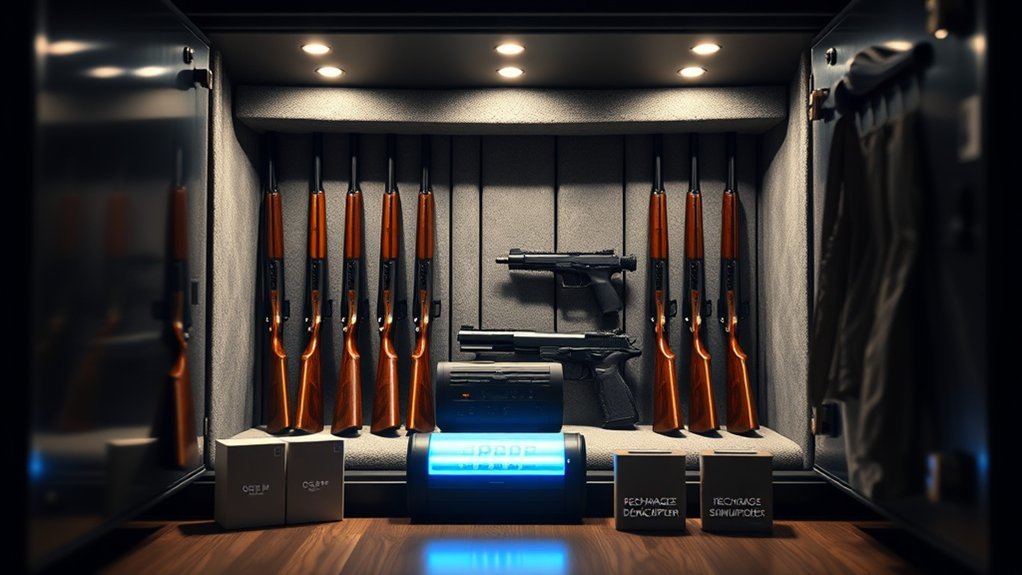
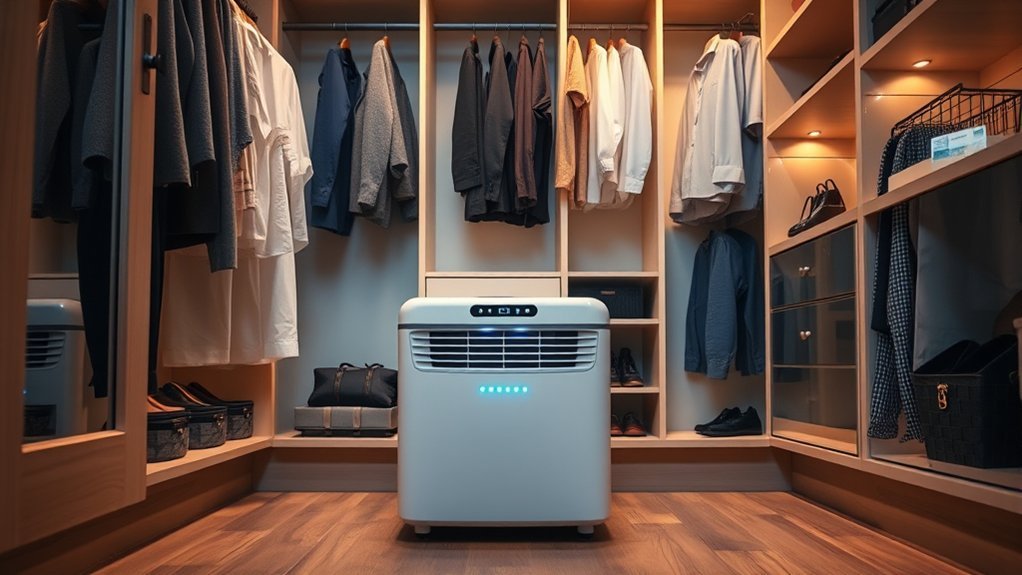
A wireless dehumidifier is useful when you want quiet, cordless moisture control inside a closet, safe, cabinet, camera case, vehicle, RV compartment, or other small enclosed space. Most products in this guide use reusable silica gel or another solid desiccant. They absorb moisture without a fan, then need periodic regeneration with a wall outlet, heating base, USB-C cable, microwave, or oven, depending on the model.
Important:
These compact products are for enclosed spaces, not whole rooms. They cannot replace ventilation, leak repair, or a properly sized compressor or thermoelectric dehumidifier for a damp bedroom, bathroom, basement, garage, or whole home.
How these picks were compared:
We focused on enclosure fit, regeneration method, downtime, indicator visibility, portability, and honest limitations. Products with unclear or unsuitable electrical requirements were removed rather than kept with a warning.
Quick verdict:
The
Eva-Dry E-333
is the best all-around choice for one small enclosure.
Wisedry
is the best fast-regeneration two-pack,
Afloia
is best for several small spaces, the
USB-C model
suits camera gear and filament storage, and
MAXSafes
adds motion lighting for dark cabinets and safes.
Quick Comparison of the Best Wireless Dehumidifiers
| Product | Best For | Regeneration Method | Key Note | Amazon |
|---|---|---|---|---|
|
Eva-Dry E-333 |
Best overall |
Built-in wall plug | Up to 333 cu. ft.; 10–12-hour renewal |
Check Details |
| Wisedry 2-Pack | Fast regeneration and rotation | Heating base | Two units; about 2-hour regeneration |
Check Details |
| Afloia TOPZ 4+1 | Several small enclosures | PTC heating base | Four sticks share one base |
Check Details |
| USB-C Desiccant Dehumidifier | Camera gear, electronics, and filament | USB-C heater | Cannot absorb while regenerating |
Check Details |
| MAXSafes 2-in-1 | Gun safes and dark cabinets | Built-in wall plug | LED uses 4 AAA batteries; slower renewal |
Check Details |
| Rechargeable Small Dehumidifier | Documents, leather goods, and valuables | Built-in electric heater | Limited capacity; verify current listing |
Check Details |
| SILENT DRY | Small safes, drawers, and cases | Microwave or oven, as directed | For confined spaces up to 40 L |
Check Details |
Eva-Dry E-333 Wireless Mini Dehumidifier — Best Overall
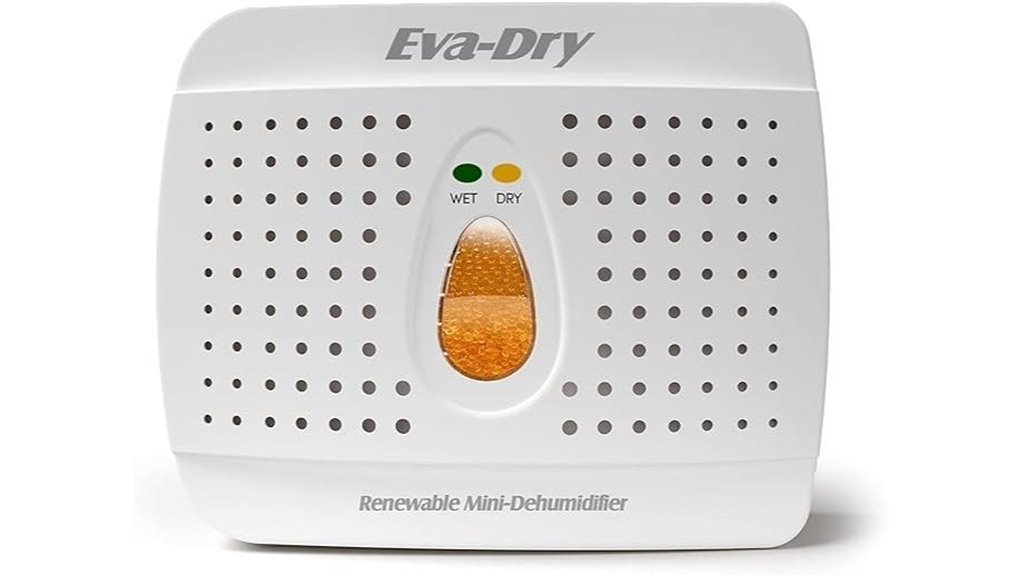
The Eva-Dry E-333 is a reusable cordless desiccant unit for closets, cabinets, cars, RV compartments, safes, and other enclosed spaces. It absorbs moisture without batteries or a connected cable, then plugs into a wall outlet for renewal.
Its orange-to-green indicator shows when regeneration is due. Eva-Dry lists coverage up to 333 cubic feet, 4 to 6 ounces of moisture capacity, a 10–12-hour renewal cycle, and a five-year limited warranty. Actual time between cycles still depends on humidity, air leakage, temperature, and enclosure volume.
Best For:
Buyers who want a simple, established option for one closet, safe, cabinet, or vehicle.
Why You’ll Like It:
It is compact, spill-free, battery-free during use, and supported by clearly published manufacturer specifications.
Who Should Avoid It:
Anyone expecting room-scale humidity control or a very short regeneration cycle.
Pros:
- Fully cordless and silent while absorbing moisture
- Clear orange-to-green status indicator
- Published 333-cubic-foot guidance and five-year limited warranty
Cons:
- 10–12-hour renewal is slower than base-charged models
- Limited absorption capacity compared with powered room units
- Wall-plug body may block a neighboring outlet
Wisedry Fast Rechargeable Mini Dehumidifier (2 Pack) — Best Fast-Recharge Pick
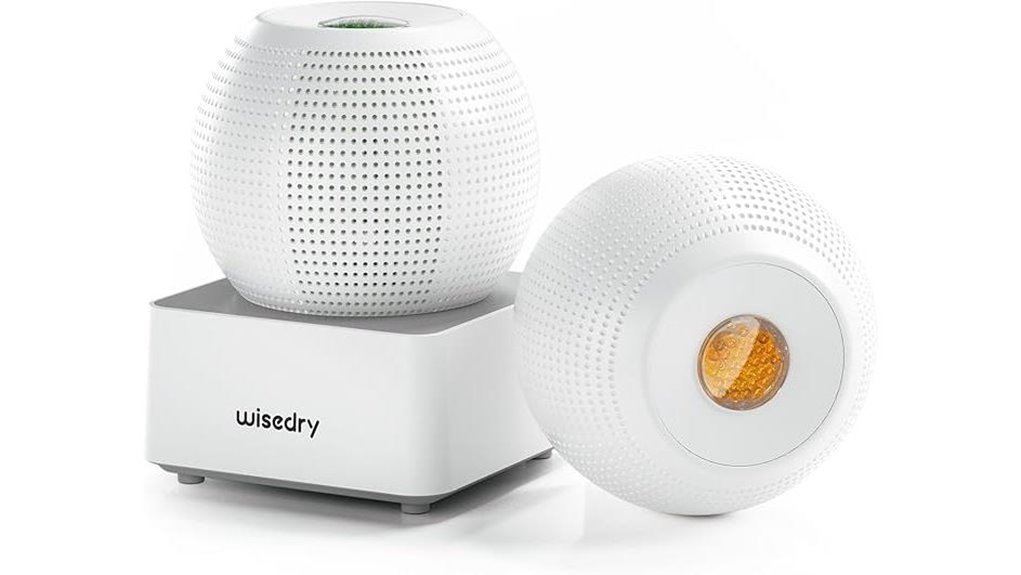
Wisedry includes two portable desiccant units and one heating base. The setup works well for two closets, a safe and a car, or any situation where one unit can remain in service while the other is being regenerated.
The indicator changes from orange when dry to green when saturated. Wisedry states that the base can renew a unit in about two hours and shuts off automatically when the cycle is complete. Each absorber is still intended for a small enclosed space rather than an open room.
Best For:
Buyers who want two reusable units and less downtime between cycles.
Why You’ll Like It:
The two-pack and fast heating base make rotation easier than a single plug-in-body model.
Who Should Avoid It:
Buyers who want a built-in hygrometer, app controls, or room-scale performance.
Pros:
- Two-unit system supports rotation or two locations
- About two-hour regeneration
- Automatic shutoff on the heating base
Cons:
- Limited to small enclosed spaces
- Heating base takes up storage space
- No numeric humidity display or humidistat
Afloia TOPZ 4+1 Rechargeable Dehumidifier — Best for Multiple Spaces
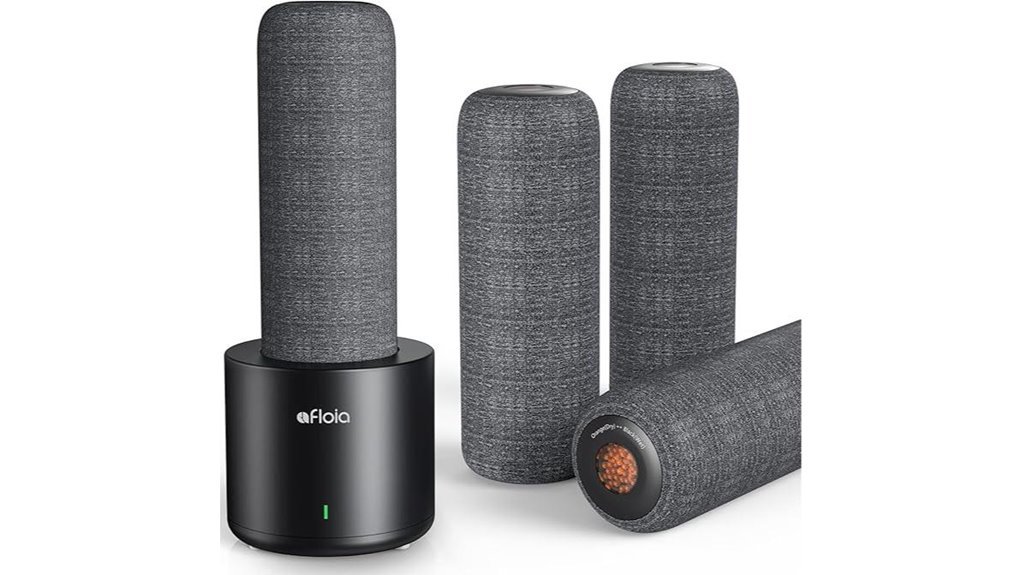
The Afloia TOPZ 4+1 system uses four portable silica gel sticks and one PTC heating base. It is a practical format for several small locations at once, such as safes, closets, cabinets, RV compartments, boat lockers, or vehicle storage areas.
Each stick has a color indicator and can be placed horizontally or vertically. When saturated, a stick is placed on the shared heating base for approximately two hours. The base includes automatic shutoff, but the sticks must be regenerated one at a time.
Best For:
Buyers who need reusable moisture control in several separate enclosures.
Why You’ll Like It:
Four portable sticks provide wider coverage and make it easier to keep multiple storage areas protected.
Who Should Avoid It:
Buyers who need one high-capacity appliance for a room, basement, or continuously wet bathroom.
Pros:
- Four-stick system supports several small spaces
- Reusable silica gel reduces dependence on disposable packs
- Heating base includes automatic shutoff during regeneration
Cons:
- Each stick has limited capacity
- Only one stick can use the heating base at a time
- No built-in humidity readout
USB-C Rechargeable Desiccant Dehumidifier — Best for Electronics
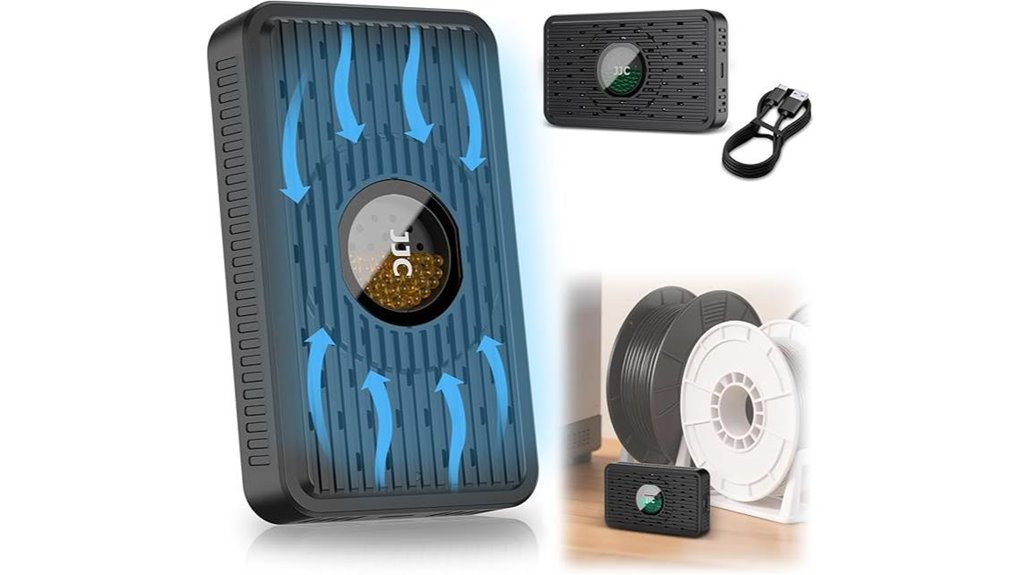
This USB-C desiccant unit is designed for camera cases, electronics cabinets, instrument cases, 3D-printer filament storage, and other compact equipment enclosures. The silica gel absorbs moisture without power, then the built-in heater renews it through USB-C.
The indicator changes from orange when dry to green when saturated. The listing describes a roughly 2–6-hour renewal cycle, depending on conditions. It must not absorb moisture while charging, should not be placed flat during regeneration, and must not be microwaved.
Best For:
Camera gear, lenses, instruments, electronics, and filament storage.
Why You’ll Like It:
USB-C renewal is convenient when a wall-plug body or proprietary heating base would be awkward.
Who Should Avoid It:
Buyers who need continuous protection during regeneration or coverage beyond a small enclosure.
Pros:
- USB-C regeneration works with widely available charging equipment
- Lightweight ABS body is easy to move between cases
- Useful for moisture-sensitive gear in small enclosures
Cons:
- Cannot absorb moisture while being regenerated
- Requires a heat-resistant charging location and correct power source
- Not intended for room-scale dehumidification
MAXSafes 2-in-1 Dehumidifier with Motion Sensor Light — Best for Dark Safes
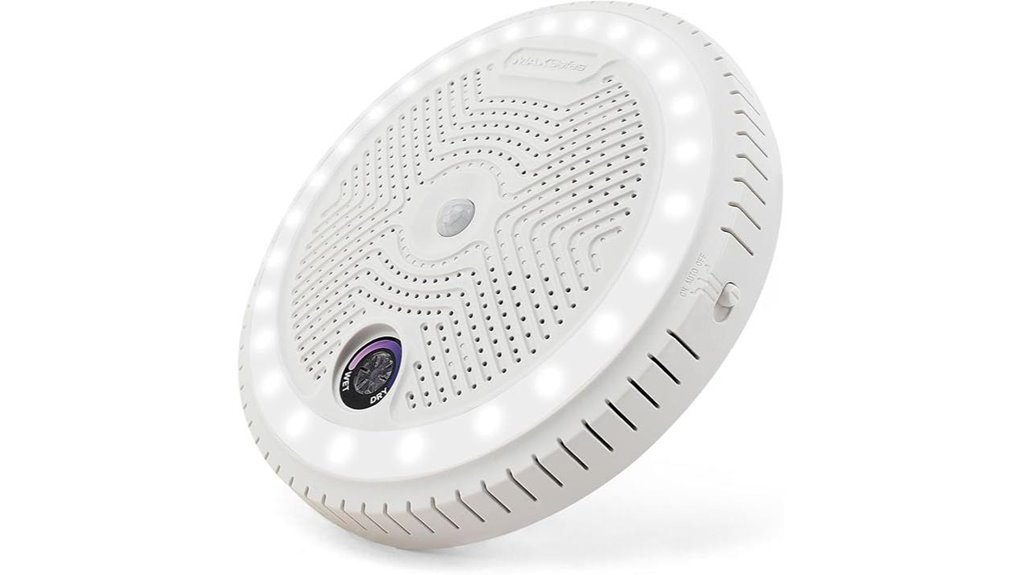
MAXSafes combines a reusable desiccant dehumidifier with a motion-activated LED light. The dehumidifier works cordlessly while absorbing moisture, while the light uses four AAA batteries, which are not included.
The indicator changes from blue when dry to pink when saturated. The built-in wall plug renews the desiccant in about 8–12 hours. In automatic mode, the light detects movement in low-light conditions and switches off after a short delay.
Best For:
Gun safes, cabinets, tool chests, and dark storage spaces where automatic lighting is useful.
Why You’ll Like It:
It adds visibility and moisture control without requiring a permanent cord inside the enclosure.
Who Should Avoid It:
Buyers who do not need lighting or who want the fastest regeneration cycle.
Pros:
- Combines passive moisture absorption and motion lighting
- Clear blue-to-pink saturation indicator
- Cordless during normal moisture absorption
Cons:
- LED light requires four AAA batteries
- 8–12-hour renewal is relatively slow
- Designed for enclosed storage, not rooms
Rechargeable Small Dehumidifier for Cabinets and Closets — Best Flat Design
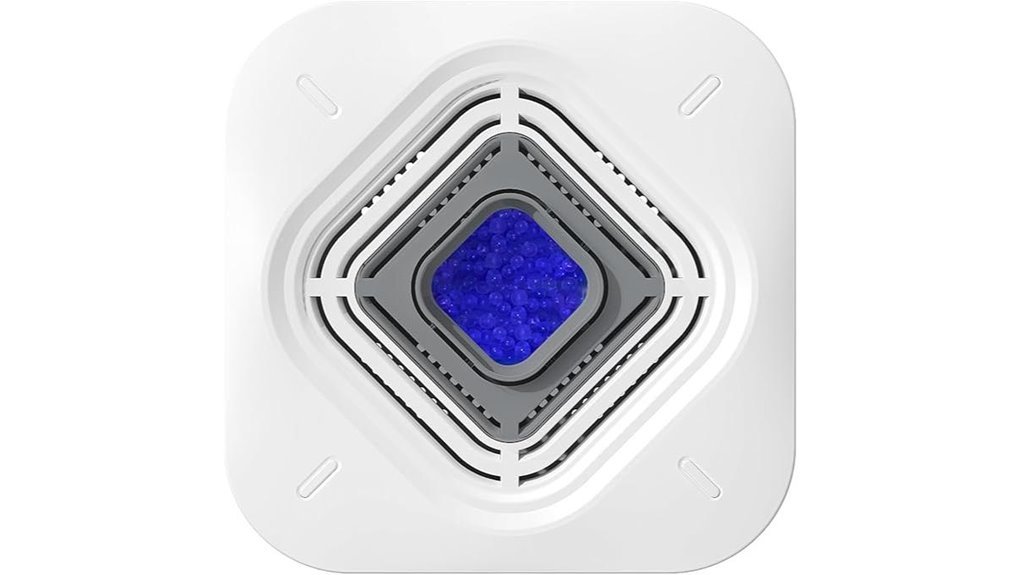
This flat reusable dehumidifier measures about 5 x 5 x 1.38 inches and is intended for tight storage areas. Its silica gel absorbs moisture without a fan, and the visible beads change from blue when dry to pink when regeneration is needed.
Its shape can suit document boxes, leather-goods storage, small cabinets, travel cases, RV compartments, and safes. Because the accessible product information is limited, confirm the current voltage, renewal instructions, coverage claim, and warranty on the live listing before purchase.
Best For:
Buyers who need a thin absorber for documents, leather goods, or small valuables.
Why You’ll Like It:
The flat profile fits spaces where a tall canister or round unit may not.
Who Should Avoid It:
Anyone who needs verified room-level extraction, automatic humidity control, or fully documented specifications.
Pros:
- Thin, compact shape fits tight storage areas
- Fanless and spill-resistant desiccant design
- Color-changing indicator is easy to check
Cons:
- Limited published specification detail
- Small capacity requires frequent monitoring in humid conditions
- No digital controls, fan, or drainage option
SILENT DRY Cordless Gun Safe Dehumidifier — Best Heat-Regenerated Pick
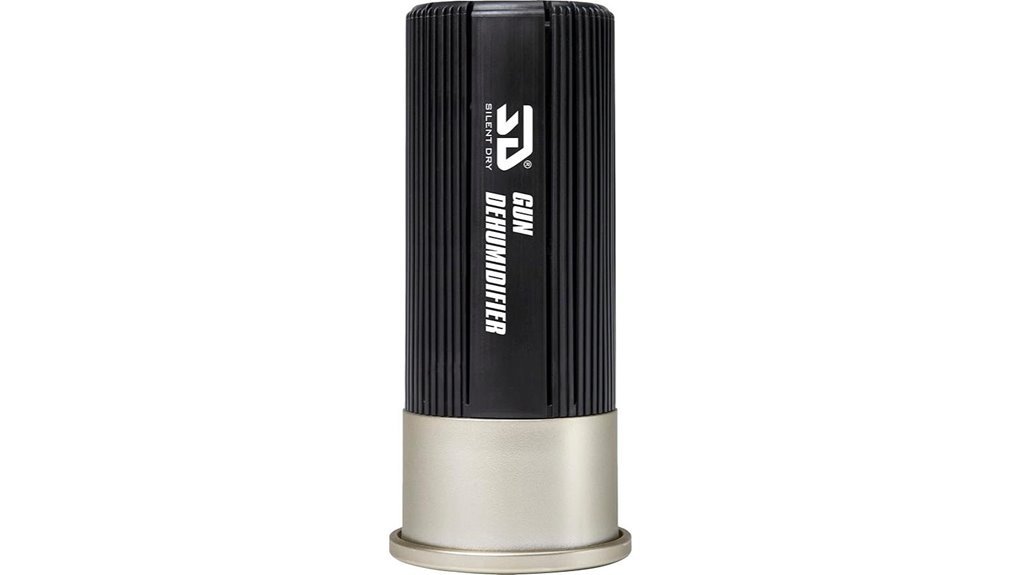
SILENT DRY is a compact, battery-free moisture absorber for small gun safes, drawers, camera storage, tool cabinets, and other confined spaces. The current listing describes use in enclosures up to 40 liters.
The indicator changes from white to blue when regeneration is needed. Unlike plug-in models, it is renewed with a microwave or oven according to the manufacturer’s directions. Follow the exact appliance setting, time, placement, and cooling instructions; do not improvise.
Best For:
Small cases and safes where a battery-free absorber and heat-based regeneration are acceptable.
Why You’ll Like It:
There is no charging cord, built-in plug, or separate heating base to store.
Who Should Avoid It:
Anyone who does not want to use a microwave or oven for regeneration.
Pros:
- Cordless and battery-free during use
- Compact for small cases, safes, and drawers
- White-to-blue indicator shows when renewal is due
Cons:
- Heat-regeneration instructions require careful handling
- Suitable only for small confined spaces
- No numeric humidity display
Factors to Consider When Choosing a Wireless Dehumidifier
Choose a wireless dehumidifier by matching the absorber to the enclosure volume, moisture load, regeneration method, downtime, and items you want to protect. “Rechargeable” often means the desiccant is renewed with heat; it does not necessarily mean the product contains a battery.
Enclosure Size and Moisture Load
Do not compare square feet and cubic feet as though they mean the same thing. A rating in cubic feet usually makes more sense for a safe, cabinet, or closet, while a square-foot claim may assume a particular ceiling height and test condition. A passive desiccant unit works best in a small, reasonably sealed enclosure. Open doors, ventilation, leaks, wet surfaces, and humid outdoor air can overwhelm it quickly.
Regeneration Time and Downtime
Regeneration times vary from a few hours on heating-base or USB-C models to much longer on some built-in plug units. Also consider whether the product can continue absorbing moisture while another unit is charging. A two-pack or multi-stick system is useful when uninterrupted protection matters.
Regeneration Method
Common renewal methods include a built-in wall plug, a PTC heating base, USB-C power, microwave heating, or oven heating. Choose a method you can use safely, confirm the required power source, and follow the manufacturer’s instructions. Never microwave an electronic or plug-in model unless the manual explicitly permits it.
Electrical Compatibility
For any model that plugs into an outlet or uses a powered heating base, confirm the voltage and frequency printed on the product label before buying. A plug adapter changes only the plug shape; it does not convert voltage. Do not use a 220V-only regeneration device on a standard 120V U.S. outlet.
Noise and Heat
Passive silica gel units are silent while absorbing moisture because they do not use a fan or compressor. They can become warm during regeneration, so place them on a stable, heat-resistant surface with adequate clearance. Do not charge or heat them inside a closed safe, cabinet, or drawer.
Size, Placement, and Indicator Visibility
Check the product dimensions, hook design, vent location, and indicator window before buying. A hanging model may suit a closet, while a flat model may fit a document box or camera case. Leave the vents exposed and position the indicator where you can inspect it without removing everything from the enclosure.
Before You Buy Checklist
- Measure the enclosure and compare its cubic volume with the manufacturer’s guidance.
- Confirm whether the stated coverage is in square feet, cubic feet, liters, or another unit.
- Check the regeneration method, cycle time, voltage, frequency, and required power source.
- Decide whether you need one unit, a two-pack, or a multi-stick rotation system.
- Use a separate hygrometer when protecting firearms, cameras, documents, electronics, or instruments.
- Choose a powered room dehumidifier if the area has persistent condensation, leaks, or widespread dampness.
Frequently Asked Questions
How Long Do Wireless Dehumidifiers Stay Effective Between Regeneration Cycles?
Most passive desiccant models work for several days to several weeks, not merely a few hours. The exact interval depends on the amount of silica gel, enclosure size, air leakage, temperature, and humidity. Use the color indicator or a separate hygrometer instead of relying only on a claimed number of days.
Can Wireless Dehumidifiers Prevent Mold in Large Rooms?
No compact passive model should be relied on to control mold risk in a large room. It may help inside a closet, safe, cabinet, or storage box, but a damp bedroom, bathroom, garage, or basement usually needs ventilation, leak repair, and a correctly sized powered dehumidifier. Existing mold also requires proper cleaning and moisture-source control.
Are Wireless Dehumidifiers Safe to Use Overnight?
Passive units are generally quiet and do not generate heat while they are absorbing moisture. The regeneration stage is different: plug-in, base-heated, USB-C, microwave, and oven models can become hot. Follow the product instructions, use a heat-resistant surface, provide clearance, and avoid unattended heating unless the manufacturer specifically permits it.
Which Wireless Dehumidifier Works Best in Very Humid Climates?
In very humid climates, choose a model with more desiccant, an easy-to-read indicator, and a fast regeneration method. A two-pack or multi-stick system can reduce downtime. For an open room or persistent high humidity, however, a powered dehumidifier with a humidistat and drainage option is usually the more appropriate solution.
Do Wireless Dehumidifiers Need Replacement Desiccant or Filters?
Most reusable silica gel models do not use a filter and are designed to be regenerated repeatedly. The desiccant and housing can still degrade over time, so inspect the unit for cracks, discoloration, damaged vents, or reduced performance. Replace it if the manufacturer’s service-life limit is reached or it no longer returns to its dry indicator color.
Can a Wireless Dehumidifier Dry a Bathroom?
A small desiccant unit may help inside a bathroom cabinet or a closed linen closet, but it will not remove shower moisture as quickly as an exhaust fan or powered dehumidifier. For visible condensation, improve ventilation first and address any leaks.
Can I Use a 220V Wireless Dehumidifier in the United States?
Not directly on a standard 120V household outlet. A plug adapter does not change voltage. Choose a model whose rating label matches your local electrical supply, or follow qualified electrical guidance for an appropriate voltage-conversion setup.
Final Recommendation
Best overall:
Choose the Eva-Dry E-333 for a simple, well-documented unit for one small enclosure.
Best for less downtime:
Choose Wisedry when two units and fast base regeneration matter.
Best for several locations:
Choose Afloia when you need four portable sticks for multiple cabinets, safes, or compartments.
Best for special use cases:
Choose the USB-C model for electronics, MAXSafes for motion lighting, or SILENT DRY when heat-based regeneration suits your routine.
Whichever model you choose, treat its coverage figure as small-enclosure guidance, monitor valuable items with a separate hygrometer, and switch to a powered dehumidifier when moisture affects an entire room. This gives you a safer and more realistic moisture-control setup.