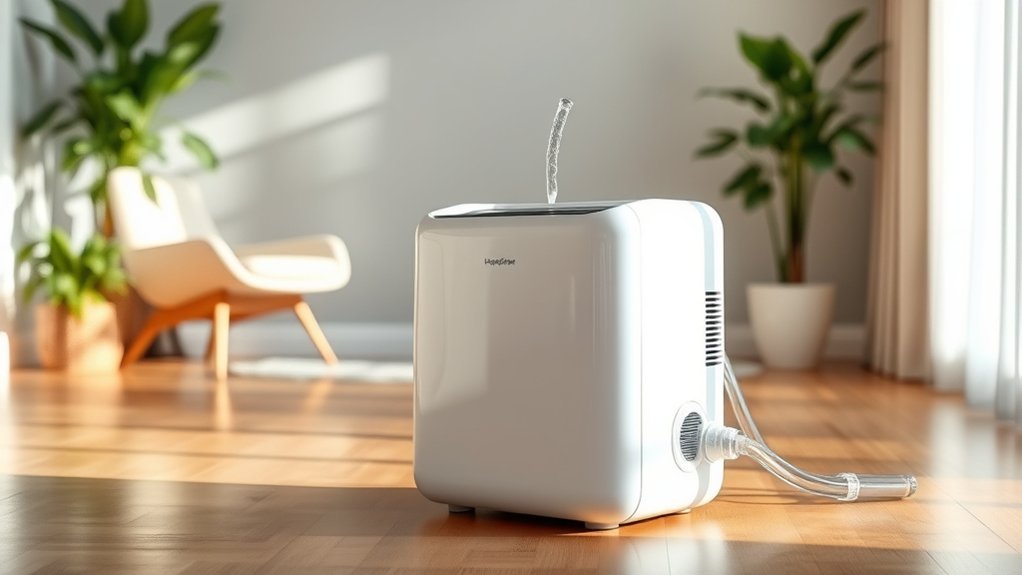
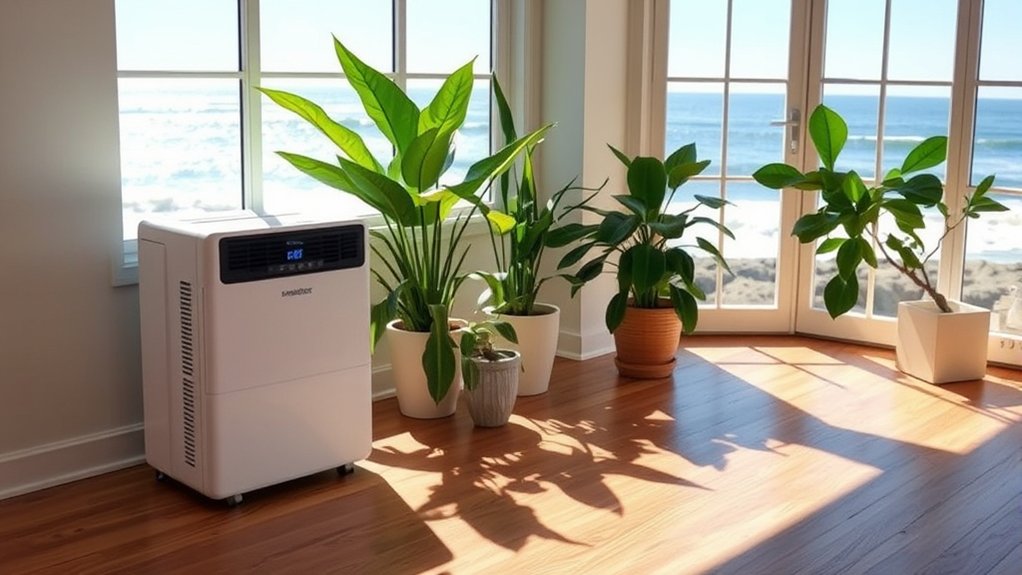
Affiliate disclosure: This article contains Amazon affiliate links. If you buy through these links, we may earn a commission at no extra cost to you.
Quick Verdict: For small apartments in 2026, the best compact moisture-control pick depends on your space. Choose the NeedDuck 44 oz model if you want a portable plug-in unit with multiple modes, the AlohaAir if you want a quiet bedroom-friendly option with night lights, the 3-in-1 unit if you want dehumidifying plus humidifying and aroma diffusion, and the Eva-Dry E-333 if you need cordless moisture control inside closets, cabinets, cars, or other tiny enclosed areas.
Important note: Most products in this roundup are compact dehumidifiers or moisture-control devices, not full air purifiers. They can help reduce dampness, musty smells, and humidity-related discomfort, but they should not replace a true HEPA air purifier if your main goal is dust, smoke, pollen, or pet dander removal.
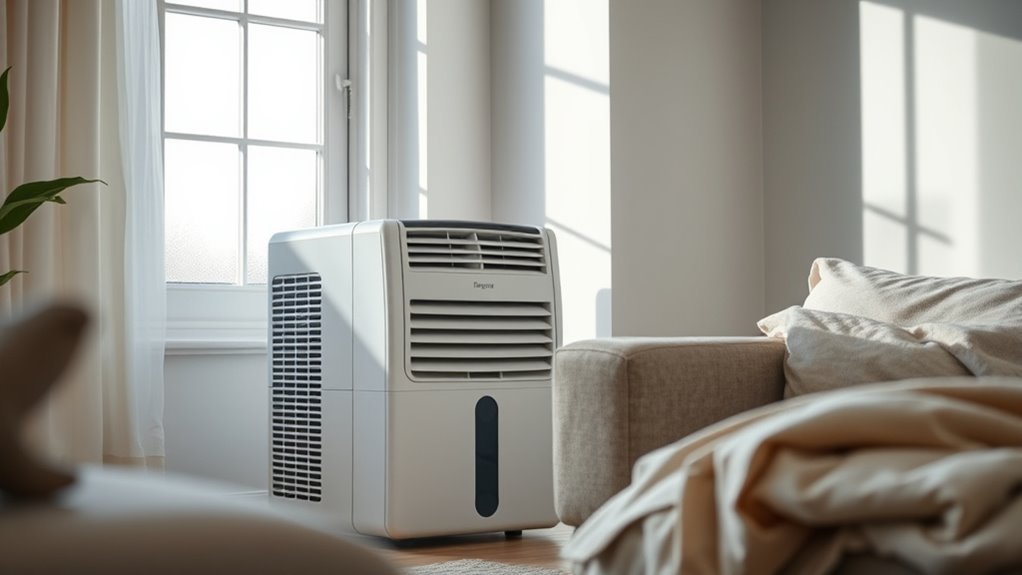
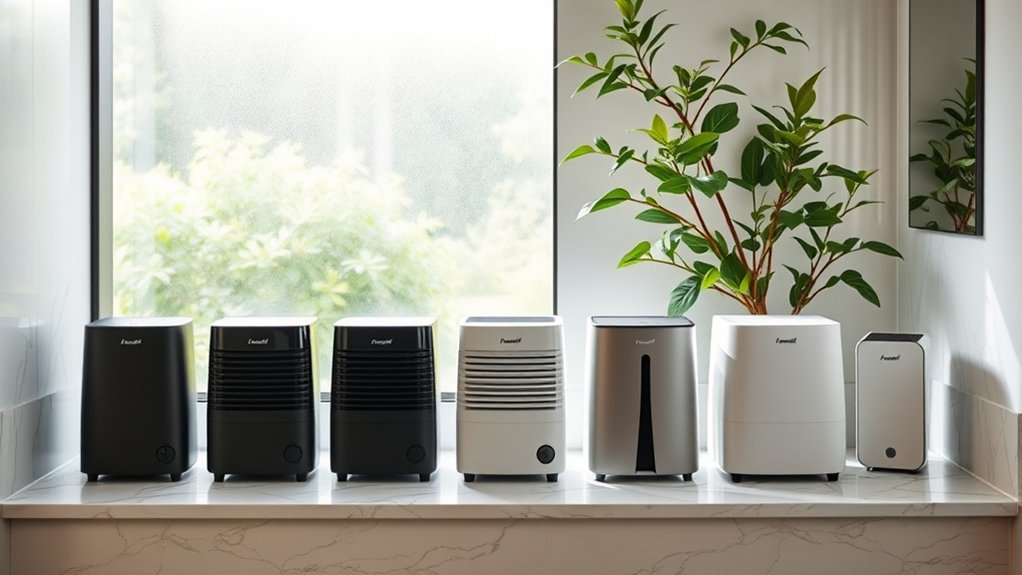
If you’re looking for a compact dehumidifier air cleaner for a small apartment, focus first on moisture control, quiet operation, tank size, and easy daily use. The right unit can help your bedroom, bathroom, closet, RV, or studio feel less damp without taking over your floor space. Top picks include the NeedDuck 44 oz model, AlohaAir with night lights, a 3-in-1 dehumidifier, humidifier, and aroma diffuser, a Home Dehumidifier with a 68 oz tank and auto humidity control, the Windangel 44 oz portable model, the TABYIK 35 oz auto shut-off unit, and Eva-Dry’s cordless mini. Keep reading to compare which one best fits your room size, noise needs, and maintenance style.
Quick Comparison: Compact Dehumidifiers for Small Apartments
| Product | Best For | Tank / Capacity | Key Advantage | Check Price |
|---|---|---|---|---|
| Portable Home Dehumidifier with 44oz Tank | Small bedrooms, bathrooms, closets, and RVs | 44 oz tank | Three modes with timer settings | Check Price on Amazon |
| AlohaAir Small Dehumidifier | Quiet nighttime moisture control | 1000 ml tank | 35 dB operation and 7-color night lights | Check Price on Amazon |
| 3-in-1 Dehumidifier, Humidifier & Aroma Diffuser | Users who want one device for seasonal comfort | 1-liter tank | Dehumidifier, humidifier, and diffuser functions | Check Price on Amazon |
| Home Dehumidifier with 68 oz Tank | Small rooms that need auto humidity control | 68 oz tank | Auto mode, display, and larger tank | Check Price on Amazon |
| Windangel 44oz Small Portable Dehumidifier | Warm, humid rooms up to about 215 sq. ft. | 44 oz class / 1.3L unit | Multiple modes, lighting, and auto defrost | Check Price on Amazon |
| TABYIK 35 OZ Small Bedroom Dehumidifier | Budget-friendly bedroom and closet use | 35 oz tank | Quiet 28 dB operation and transparent tank | Check Price on Amazon |
| Eva-Dry Wireless Mini Dehumidifier E-333 | Closets, cabinets, cars, bags, and safes | Absorbs 4 to 6 oz | Cordless, rechargeable moisture absorber | Check Price on Amazon |
Portable Home Dehumidifier with 44oz Tank, 3 Modes
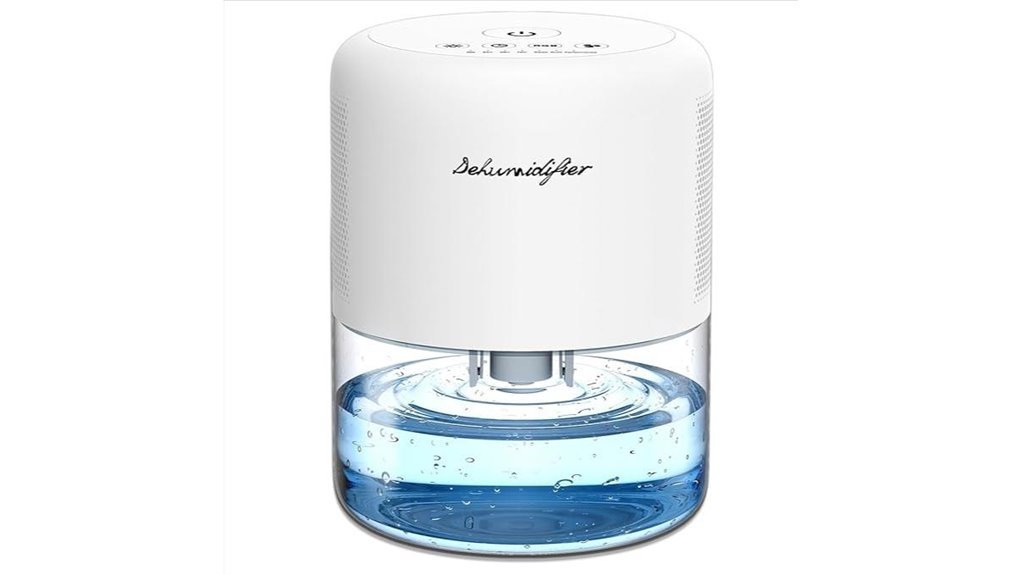
If you’re shopping for a compact option that won’t overwhelm a small space, the NeedDuck Dehumidifier is a strong fit for apartments up to 215 square feet. You get a 44-ounce tank in a lightweight 2.56-pound body, so you can move it easily between rooms. Its three modes, Sleep, Auto, and Performance, let you match humidity control to your needs. You can also set continuous, 24-, 48-, or 72-hour timers. It runs quietly, uses less energy, and includes auto shut-off and defrost for safer, easier use in bedrooms, bathrooms, closets, or RVs.
Why You’ll Like It: This model is useful when you want a simple apartment dehumidifier that does not need much space or complicated setup. The multiple modes make it easier to run quietly at night, boost performance when a room feels damp, or let the unit manage moisture more automatically.
Who Should Buy This: Choose it if you need a portable dehumidifier for a bedroom, bathroom, closet, small office, dorm, or RV.
Who Should Avoid This: Skip it if you need whole-apartment humidity control or heavy-duty drying for a large, very wet basement-style space.
Best For: People looking for a compact, quiet dehumidifier for small spaces like bedrooms, bathrooms, closets, or RVs, especially up to 215 square feet.
Pros:
- Lightweight and easy to move between rooms
- Three smart modes and multiple timer options for flexible use
- Quiet operation with low energy use, plus auto shut-off and defrost for convenience
Cons:
- Best suited only for small areas, not larger rooms
- 44-ounce tank may need frequent emptying in humid conditions
- Limited to basic dehumidification compared with larger, more powerful units
AlohaAir Small Dehumidifier with Night Light
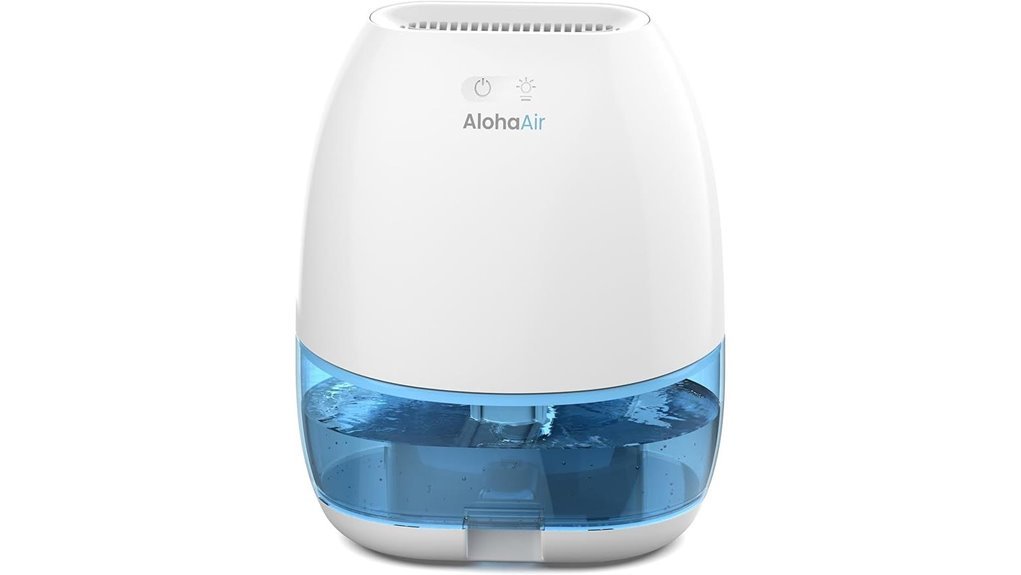
AlohaAir suits you best if you need a compact dehumidifier for a small apartment. You can place it in bedrooms, bathrooms, closets, or RVs without crowding your space. Its 7.87 x 4.72 x 10.83-inch body and built-in handle make moving it easy. It removes up to 280ml of moisture daily in rooms up to 200 square feet while using no more than 1kW·h per day. The 1000ml transparent tank lets you check water levels at a glance, and auto shut-off protects you when it fills. You also get 35dB quiet operation, 7-color night lights, and a 3-year warranty.
Why You’ll Like It: This unit focuses on comfort. The quiet operation helps if you sleep, study, or work in the same room, while the transparent tank and auto shut-off make it simple to manage in a small apartment.
Who Should Buy This: Choose it if your main concern is a bedroom, nursery-adjacent room, bathroom, closet, or small RV space where noise matters.
Who Should Avoid This: Avoid it if your apartment has a large open floor plan or if you need fast moisture removal after leaks, flooding, or serious dampness.
Best For: People looking for a compact, quiet dehumidifier for small spaces like bedrooms, bathrooms, closets, or RVs.
Pros:
- Compact size with a built-in handle makes it easy to place and move around.
- Removes up to 280ml of moisture per day while using no more than 1kW·h daily.
- 35dB quiet operation, 7-color night lights, and a 3-year warranty add convenience and peace of mind.
Cons:
- Best suited for small rooms only, up to 200 square feet.
- 1000ml tank may need frequent emptying in humid environments.
- Not ideal for users who need a heavy-duty or high-capacity dehumidifier.
3-in-1 Dehumidifier, Humidifier & Aroma Diffuser
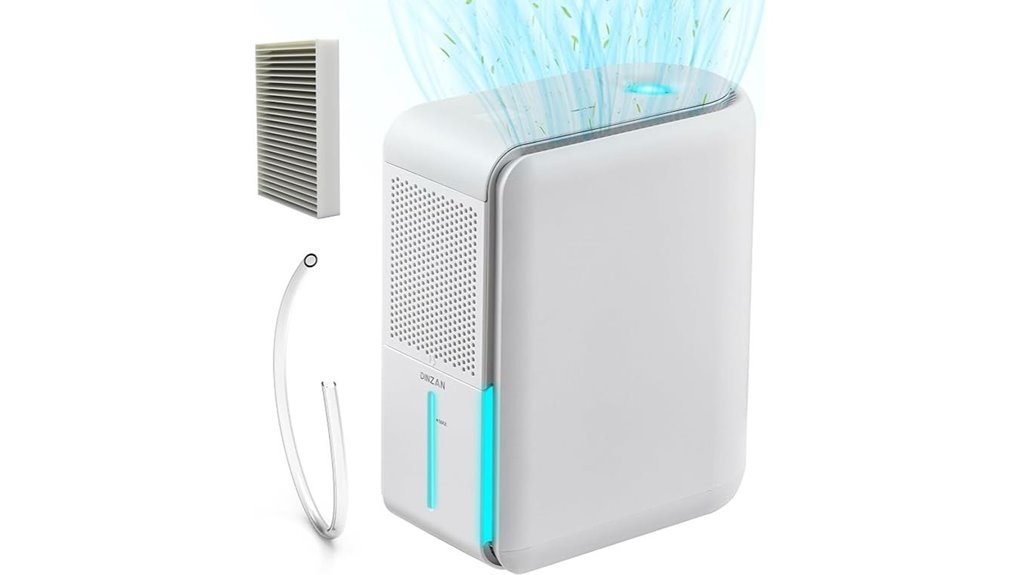
Need one compact device that handles humidity, moisture control, and scent in a small apartment? This 3-in-1 unit gives you dehumidifying, humidifying, and aroma diffusion in one 8.46 x 4.72 x 9.72-inch body. You can cover up to 350 sq. ft., and its 1-liter tank removes up to 580 ml per day. It runs quietly at 27 dB, so you won’t disturb sleep. The digital touch panel makes control simple, while automatic tank shutoff adds safety. Add essential oil, choose from 7 lights, and you’ve got comfort across seasons.
Why You’ll Like It: This model is especially useful for small apartments where you do not want several devices sitting on shelves. You can use the dehumidifier function when the air feels damp, the humidifier function when the air feels dry, and the diffuser feature when you want light fragrance.
Who Should Buy This: Choose it if you want a compact comfort device for a bedroom, office, studio apartment, or small living area.
Who Should Avoid This: Avoid it if you only want a dedicated dehumidifier with the strongest possible moisture-removal performance. Also remember that humidifying and dehumidifying are opposite functions, so you should use the correct mode for your room condition.
Best For: Small-apartment dwellers, bedroom users, and office spaces that need a compact 3-in-1 solution for humidity control, moisture removal, and light scent diffusion.
Pros:
- Combines dehumidifier, humidifier, and aroma diffuser in one compact unit.
- Quiet 27 dB operation makes it suitable for sleeping or working.
- Easy-to-use digital touch panel with automatic tank shutoff for added safety.
Cons:
- 1-liter tank and 580 ml/day capacity may be limited for larger or very damp spaces.
- Humidifying and dehumidifying cannot run at the same time.
- Best suited for areas up to 350 sq. ft., so it’s not ideal for bigger rooms.
Home Dehumidifier with 68 oz Tank and Auto Humidity Control
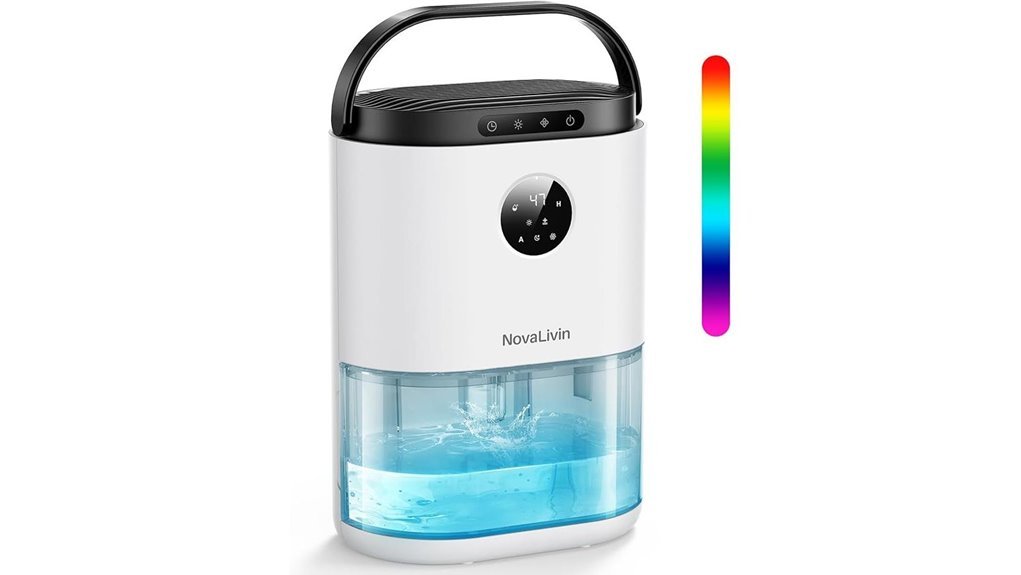
With auto humidity control and a 68 oz tank, this dehumidifier suits small apartments best. You can place it in your bathroom, bedroom, or living room, and it covers up to 320 square feet. It removes up to 34 oz of moisture a day while using just 1.3 kWh. Choose Strong Mode for maximum drying, Sleep Mode for quieter nights, or Auto Mode to hold humidity below 50% RH. The 48-hour timer adds flexibility. Its compact ABS body, digital display, and 7-color nightlight make it easy to use. Empty the see-through tank often and keep doors closed for best results.
Why You’ll Like It: The bigger tank and auto mode make this unit more convenient if your room gets damp often. It is also easier to monitor because the digital display gives you more feedback than a very basic plug-in model.
Who Should Buy This: Choose it if you want a compact apartment dehumidifier with more control, a larger tank, and multiple operating modes.
Who Should Avoid This: Skip it if you only need moisture control inside a tiny closet, cabinet, or car. A cordless desiccant-style option may be simpler for those very small spaces.
Best For: Small-apartment, bathroom, bedroom, or RV users who want a compact, quiet dehumidifier with auto humidity control and easy portability.
Pros:
- Covers up to 320 square feet, making it a good fit for small spaces.
- Offers multiple modes, including Strong, Sleep, and Auto, for flexible use.
- Quiet sleep mode, digital display, and 7-color nightlight add convenience and comfort.
Cons:
- 68 oz tank may need frequent emptying in damp conditions.
- Best suited for smaller areas, so it may not be enough for larger rooms or whole-home use.
- Performance depends on keeping doors and windows closed for optimal results.
44oz Small Portable Dehumidifier for Home (215 sq.ft)
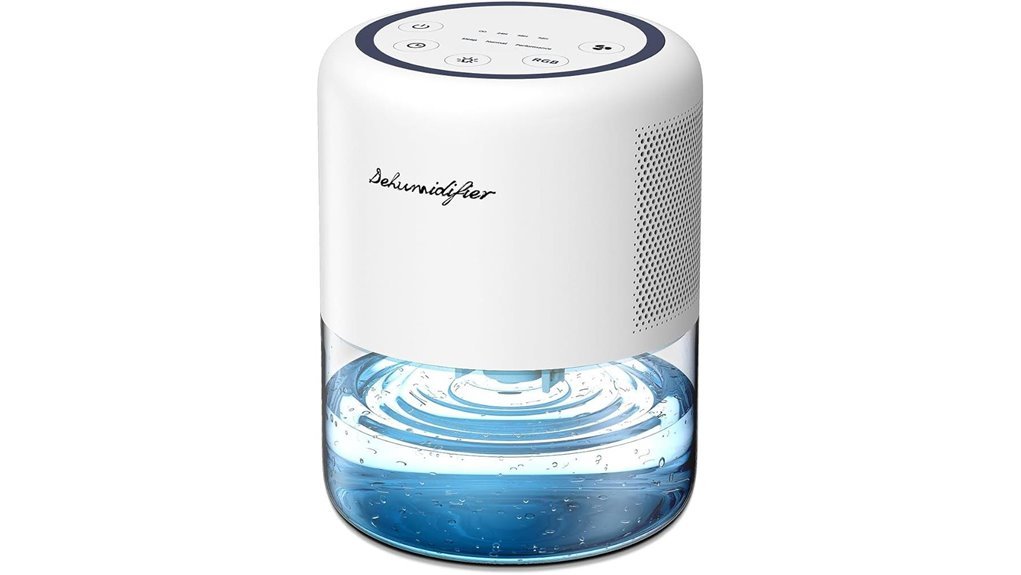
The Windangel 44oz is a smart pick if you need quiet dehumidifying for a 215 sq. ft. space. You get a compact 1.3L unit that weighs just 2.6 lbs, so you can move it from bedroom to bathroom or closet with ease. It removes up to 11.8 oz of moisture daily and works best in warm, humid rooms. Choose Sleep, Normal, or Performance mode to match your needs. Auto shut-off and auto defrost add convenience, while 10 lighting options and timer settings give you extra control.
Why You’ll Like It: This unit works well when you want a light, portable dehumidifier that can move wherever the dampness shows up. The mode selection helps you balance sound level and drying performance, while the lighting adds a more apartment-friendly look.
Who Should Buy This: Choose it for a bedroom, closet, bathroom, laundry corner, or RV where compact size and portability matter.
Who Should Avoid This: Avoid it if you want to dry a large living room or open-plan apartment with one small unit.
Best For: People looking for a compact, quiet dehumidifier for small spaces like bedrooms, bathrooms, closets, or RVs.
Pros:
- Lightweight and portable at just 2.6 lbs, making it easy to move between rooms.
- Offers multiple modes, including Sleep, Normal, and Performance, for different humidity needs.
- Includes handy features like auto shut-off, auto defrost, timer settings, and mood lighting.
Cons:
- Best suited for small areas only, with coverage limited to 215 sq. ft.
- Moisture removal rate is modest, so it may not be ideal for very damp or large spaces.
- Requires regular tank emptying once the 32 oz tank fills.
35 OZ Small Bedroom Dehumidifier with Auto Shut Off
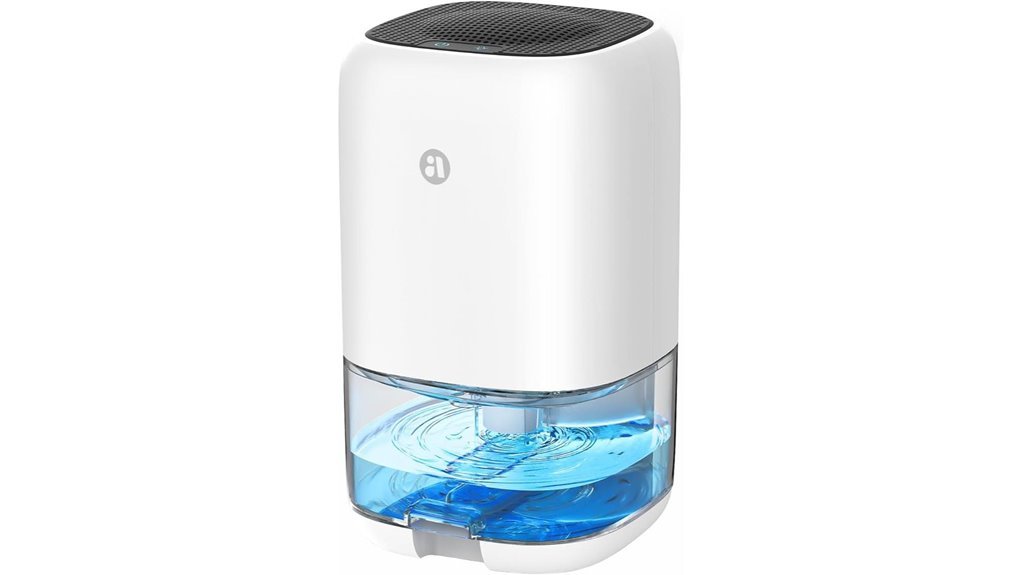
TABYIK’s 35 oz dehumidifier suits small apartments, especially bedrooms under 280 square feet. You get up to 16 oz of moisture removal in 24 hours, while the 35 oz tank reduces frequent emptying. The auto shut off kicks in when the tank reaches 700-800 ml, and the red indicator flashes so you’ll know it’s full. At just 28 dB, it stays quiet at night. Its compact 5.9 x 5.9 x 10.1-inch body, built-in handle, and 2.2-pound weight make it easy to move, and the transparent tank helps you monitor water levels.
Why You’ll Like It: This is one of the easiest types of compact dehumidifiers to live with. It is small, light, quiet, and easy to monitor, so it works well if you want basic moisture control without extra features you may not use.
Who Should Buy This: Choose it if you want a small bedroom dehumidifier for everyday dampness, musty corners, closets, bathrooms, or RV use.
Who Should Avoid This: Avoid it if you need advanced humidity settings, larger tank capacity, or heavy-duty performance for a very damp space.
Best For: People looking for a compact, quiet dehumidifier for small bedrooms, apartments, bathrooms, closets, or RVs under 280 square feet.
Pros:
- Quiet 28 dB operation is ideal for nighttime use.
- Compact, lightweight design with a built-in handle makes it easy to move.
- Auto shut off and transparent tank help prevent overflow and make monitoring simple.
Cons:
- Best suited only for small spaces, not larger rooms.
- 35 oz tank may still require regular emptying in humid conditions.
- Plastic construction may feel less premium than metal alternatives.
Eva-Dry Wireless Mini Dehumidifier, White (E-333)
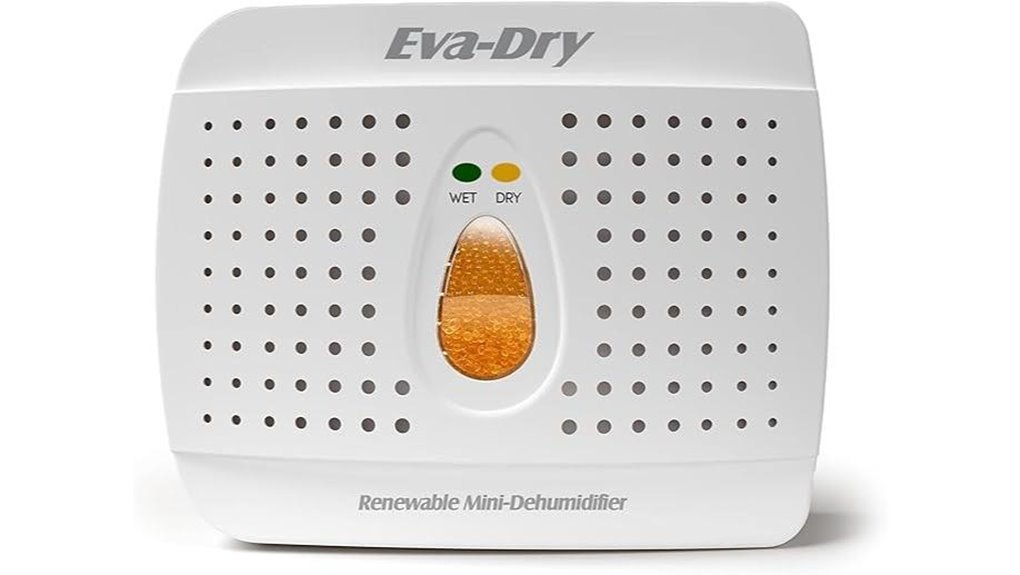
Eva-Dry’s E-333 suits you if you need cordless moisture control in tight spaces. You can tuck this 1-pound, white mini unit into closets, cabinets, bathrooms, cars, gym bags, or gun safes without dealing with batteries or cords. It absorbs 4 to 6 ounces of moisture and works in areas up to 333 cubic feet. Expect 20 to 30 days of use before recharge, and watch the beads turn from orange to green. It’s non-toxic, pet-safe, child-safe, and built for long-term use, with a five-year warranty.
Why You’ll Like It: The E-333 solves a different problem than a plug-in room dehumidifier. It is made for small enclosed spaces where dampness builds slowly, such as wardrobes, storage cabinets, vehicles, safes, and gym bags. Because it is cordless, you can place it almost anywhere.
Who Should Buy This: Choose it if you need passive moisture control in a closet, drawer, cabinet, car, bathroom cabinet, or other tight area.
Who Should Avoid This: Avoid it if you want to actively dehumidify a full bedroom, living room, or apartment. It is not designed to replace a powered room unit.
Best For: People who need a compact, cordless, rechargeable dehumidifier for small enclosed spaces like closets, cabinets, cars, bathrooms, gym bags, or gun safes.
Pros:
- 100% cordless and portable, with no batteries or cables needed
- Works for small spaces up to 333 cubic feet and absorbs 4 to 6 ounces of moisture
- Non-toxic, pet-safe, child-safe, and backed by a five-year warranty
Cons:
- Limited moisture capacity compared with plug-in dehumidifiers
- Needs recharging every 20 to 30 days
- Best suited only for very small areas, not larger rooms
Factors to Consider When Choosing Dehumidifier Air Cleaner Small Apartment
When you choose a dehumidifier air cleaner for a small apartment, check that it covers your room size without wasting space. You’ll also want to look at tank capacity, noise level, energy efficiency, and auto shut-off so it fits your daily routine. These features help you pick a unit that works well and stays easy to live with.
Before You Buy Checklist:
- Measure the room or enclosed space you want to treat.
- Check whether the product is a plug-in room dehumidifier or a cordless mini moisture absorber.
- Compare tank size with how often you are willing to empty it.
- Look for auto shut-off if you plan to run the unit while sleeping or away from the room.
- Choose a lower decibel rating for bedrooms, offices, and shared apartments.
- Do not rely on a dehumidifier alone if you already have visible mold growth, leaks, or serious water damage.
Room Size Coverage
Room size is one of the biggest factors in choosing the right dehumidifier air cleaner for a small apartment, since many models are built to cover only 200 to 350 square feet. You should always match the unit’s coverage area to your space, or it won’t work efficiently. Check the product’s square-foot rating before you buy, and make sure it fits your bedroom, studio, or living area. Smaller models suit tighter rooms, while larger units handle more open layouts. Room conditions also matter, since temperature and humidity can change how well the unit performs. A model that removes 11.8 ounces a day may work in a mild space, while one removing over 34 ounces may suit tougher conditions. Choose coverage carefully for consistent results.
Tank Capacity
After checking room coverage, you’ll also want to look at tank capacity, since it determines how much moisture the dehumidifier can collect before you have to empty it. In a small apartment, a larger tank means fewer trips to the sink and less upkeep. Most models offer tanks from 34 ounces to 68 ounces, so you can match capacity to your humidity level and space. A 44-ounce tank can remove about 11.8 ounces of moisture per day and can suit areas up to 215 square feet. If your apartment stays damp, that size can work well without constant attention. Choose an auto shut-off model too, so it stops when full and helps prevent spills in tight living spaces.
Noise Level
Noise level matters just as much as moisture removal in a small apartment, especially if you plan to run the unit in a bedroom or shared living area. You’ll usually see dehumidifiers rated around 27 dB to 35 dB, and quieter models work best when you want calm in tight spaces. A 30 dB unit sounds about like a whisper, so it won’t interrupt sleep or quiet conversations. If you need overnight control, look for a model with a sleep mode, since it can lower sound even more after dark. Choose a unit that can run continuously without becoming distracting, and always check the decibel rating against your own noise tolerance before you buy.
Energy Efficiency
Energy use matters just as much as quiet operation when you’re choosing a dehumidifier air cleaner for a small apartment. You should favor models that sip power rather than drain it, especially if you’ll run them daily. Energy-efficient units often use under 1 kilowatt-hour per day, and some low-wattage options draw about 24W, which can trim your bill. Match the unit to your space; a model sized for 200 to 350 square feet usually handles humidity well without wasting electricity. If you want tighter control, a programmable timer lets you run it only when you need it, helping you avoid unnecessary runtime. When you compare specs, check wattage first, then coverage, so you get solid moisture removal without paying for excess capacity.
Auto Shut-Off
Auto shut-off is a must-have in a small apartment because it stops the unit as soon as the water tank hits full capacity, helping prevent overflow and water damage. You can leave the dehumidifier running without worrying about a spill, which is especially useful when you’re out or asleep. Many models also flash a red light when the tank’s full, so you’ll know when to empty it. That alert adds convenience and keeps the appliance working properly. This feature also supports energy savings, since the unit stops drawing power once it no longer needs to run. Some dehumidifiers include auto defrost, too, so they keep performing well in cooler rooms while still shutting off safely when the tank fills.
Portability And Design
When you’re choosing a dehumidifier air cleaner for a small apartment, portability and design matter just as much as performance. You’ll want a compact unit that slips into tight spots like closets, bathrooms, or beside a dresser; models under 10 inches in height and width work best. If you can find one under 5 pounds, you can move it easily from room to room without hassle. A built-in handle or lightweight build makes carrying it simpler. Don’t ignore style, either: a sleek finish or modern color can blend with your decor instead of standing out. Also, choose a user-friendly design with an easy-to-remove water tank and clear maintenance indicators so you can keep it running smoothly without adding clutter or stress in your small space.
Air Cleaning vs. Dehumidifying
The phrase dehumidifier air cleaner can be confusing. A dehumidifier mainly removes moisture from the air. This can help with dampness, musty odors, and humidity-related comfort, but it does not automatically mean the unit filters fine particles like a dedicated air purifier. If you need help with dust, smoke, pet dander, or pollen, look for a true air purifier with a proper filter. If your main issue is damp air, condensation, closet moisture, or bathroom humidity, a compact dehumidifier may be the more practical choice.
Maintenance and Cleaning
Small dehumidifiers work best when you keep them clean. Empty the tank often, rinse it regularly, and let it dry before reinstalling it. If your model has an intake grille, wipe dust away so airflow stays strong. For combo units, check the manual before adding essential oils, cleaning the tank, or switching between humidifying and dehumidifying modes. Good maintenance helps reduce odors, keeps the unit efficient, and prevents the water tank from becoming unpleasant over time.
Pro Tips for Better Results:
- Keep doors and windows closed while the unit runs so it can treat the intended space.
- Place the unit where airflow is not blocked by curtains, bedding, furniture, or walls.
- Use a separate hygrometer if you want to track humidity more accurately.
- For bathrooms, run ventilation too. A dehumidifier works better when steam has a way to escape.
- For closets and cabinets, use a cordless mini unit only for small enclosed spaces, not full rooms.
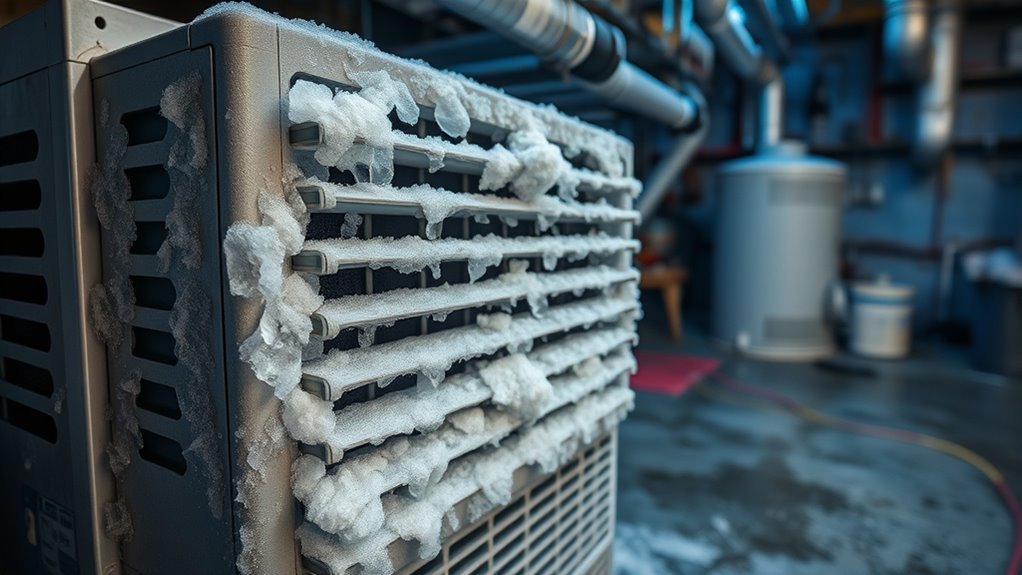
Safety Note: A compact dehumidifier can help manage moisture, but it cannot fix leaks, hidden water damage, or active mold growth. If you see visible mold, smell a strong musty odor that keeps returning, or notice damp walls or flooring, clean the source and repair the moisture problem. Always follow the product manual, keep vents clear, and stop using any unit that overheats, leaks, sparks, or makes unusual noises.
Frequently Asked Questions
Can Dehumidifier Air Cleaners Reduce Dust Mites in Apartments?
Yes, they can help reduce dust mite-friendly conditions by lowering humidity, because mites thrive in damp air. You’ll still need regular cleaning and vacuuming, since these units won’t eliminate existing mites or remove all allergens completely. For stronger particle removal, pair moisture control with a dedicated air purifier and regular cleaning.
Are Dehumidifier Air Cleaners Safe to Run Overnight?
Yes, you can run them overnight if you follow the manual, keep vents clear, and use a model with auto shutoff. You’ll sleep better with lower humidity, but you shouldn’t ignore unusual noise, heat, or leaks. For bedroom use, choose a quiet model with a stable base and place it where it cannot be kicked, tipped, or blocked by bedding.
How Often Should Filters Be Replaced in Combo Units?
You should replace combo unit filters every 3 to 6 months if the unit uses replaceable filters, but you’ll need to check them monthly. If you notice reduced airflow, odors, or dust buildup, change or clean them sooner to keep performance strong. Always follow the manual because some compact dehumidifiers do not use true replaceable air-cleaning filters.
Do Dehumidifier Air Cleaners Help With Moldy Smells?
Yes, dehumidifier air cleaners can help reduce musty smells by drying the air and making the room less friendly to moisture-related odors. You still need to clean growth sources, though, or the smell can return. A dehumidifier helps manage conditions; it does not remove mold already growing on walls, fabric, wood, or hidden surfaces.
Can One Unit Cover Both Bedroom and Living Room?
Yes, if your rooms are open or small, one unit can cover both. You’ll get better results with central placement, a strong airflow rating, and doors open so moisture and odors can move freely. If the bedroom and living room are separated by closed doors or long hallways, a small compact unit may work better when used in one room at a time.
What Humidity Level Is Best for a Small Apartment?
Many people aim for a comfortable indoor range around the middle of the humidity scale rather than letting the room stay damp. If windows sweat, fabrics feel clammy, or closets smell musty, your space may need better ventilation or moisture control. A separate humidity meter can help you see whether the dehumidifier is making a real difference.
Where Should I Place a Compact Dehumidifier?
Place it near the damp area but away from walls, curtains, bedding, and furniture that can block airflow. In a bathroom, keep it away from direct splashes. In a bedroom, place it on a stable surface or floor area where it will not be knocked over. For cordless mini units, use them inside small enclosed spaces like closets, cabinets, or vehicles.
Final Recommendation
If you want the best all-around compact plug-in option, start with the Portable Home Dehumidifier with 44oz Tank because it offers useful modes, a manageable size, and strong everyday convenience for small spaces. If quiet bedroom use matters most, the AlohaAir Small Dehumidifier and TABYIK 35 OZ Small Bedroom Dehumidifier are easy to consider. If you want more control and a larger tank, the Home Dehumidifier with 68 oz Tank is a strong fit. For closets, cabinets, cars, and other tiny enclosed spaces, the Eva-Dry Wireless Mini Dehumidifier E-333 is the most practical cordless pick.
For the best buying decision, match the product to the actual space you want to treat. A small bedroom, a damp bathroom, and a closed closet do not need the same type of moisture-control device.
Conclusion
If you’re trying to tame a tiny apartment jungle, the right dehumidifier air cleaner can feel like a superhero in a box. Whether you want whisper-quiet overnight relief, auto humidity control, a multi-function comfort device, or a compact model that barely steals a corner, you’ve got smart options here. Pick one that fits your space, and you’ll breathe easier, dodge damp odors, and keep your home feeling fresh fast. Don’t let humidity win. Choose the unit that matches your room, your routine, and your maintenance comfort level.