Affiliate disclosure: This article contains Amazon affiliate links. We may earn a commission from qualifying purchases at no extra cost to you.
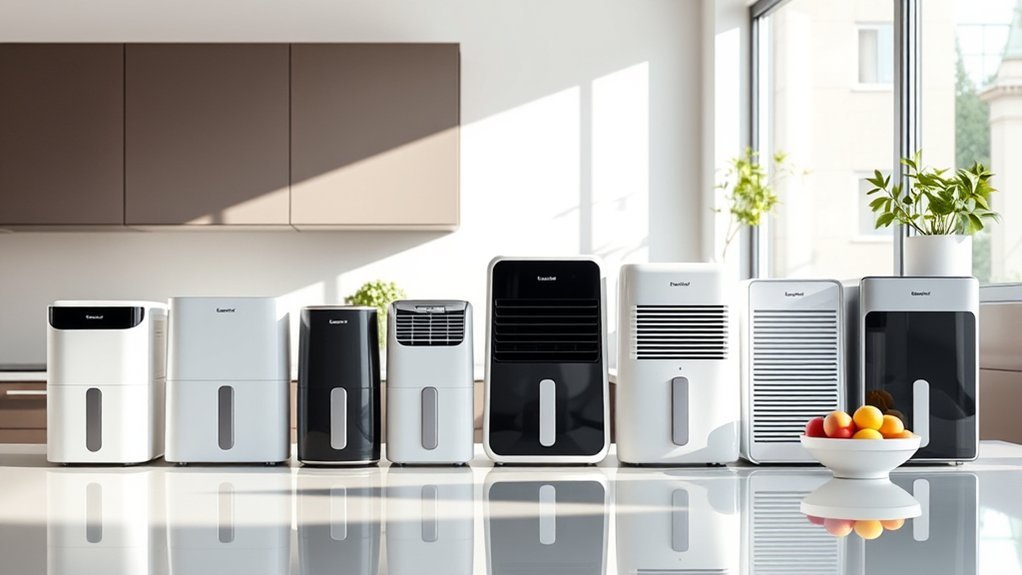
Selection note: These dehumidifiers were compared for continuous drainage, humidistat control, auto restart, low-temperature protection, energy information, noise, and suitability for medium to large damp spaces. Manufacturer “maximum pint” claims may use hotter and more humid test conditions than standardized ratings, so compare the exact model, test conditions, and standardized capacity rather than headline pint numbers alone.
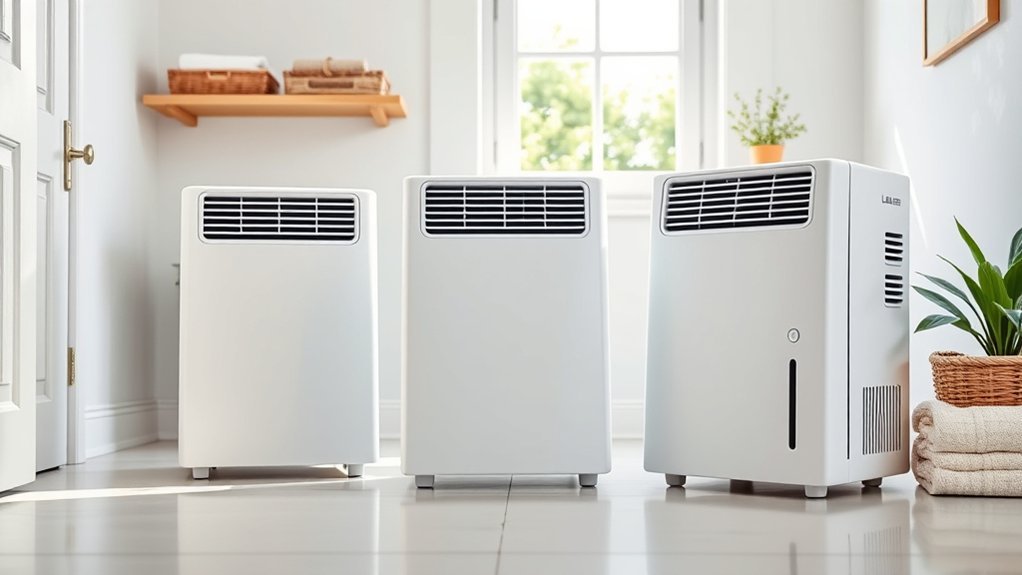
A dehumidifier for continuous use should do more than run for long hours. It needs a dependable humidistat, a secure drainage setup, auto restart after a power interruption, accessible filter maintenance, and enough moisture-removal capacity for the actual room conditions. For most large basements and open living areas, the Vellgoo 64 Pint and AEOCKY offer a strong mix of efficient compressor performance and gravity drainage. The avylo is the most practical option here when water must be pumped upward to a sink, window, or elevated drain.
Quick Verdict
- Best overall for continuous gravity drainage: Vellgoo 64 Pint
- Best smart, quiet large-space option: AEOCKY 4,500 Sq. Ft.
- Best with a built-in pump: avylo ADC018
- Best for a medium-size basement or large room: KNKA 34 Pint
- Best smart option for a smaller area: Midea 22 Pint
| Product | Best For | Drainage | Capacity Note | Main Limitation | Amazon |
|---|---|---|---|---|---|
| Vellgoo 64 Pint | Large basements and garages | Bucket or gravity hose | Current Amazon listing: 64-pint headline rating and 4,000-sq.-ft. coverage; verify standardized capacity | No built-in pump | Check Price |
| AEOCKY 4,500 Sq. Ft. | Quiet, efficient large-room control | Bucket or gravity hose | 80 pints/day at 95°F/95% RH; 56 pints/day at 86°F/80% RH per manufacturer | No pump for uphill drainage | Check Price |
| avylo ADC018 | Uphill or elevated drainage | 2.11-gallon tank, gravity hose, or built-in pump | Advertised maximum 90 pints under hot, humid conditions | Coverage and stock wording can vary by sales channel; verify the exact listing | Check Availability |
| KNKA 34 Pint | Medium basements and laundry areas | 3L tank or gravity hose | Advertised up to 34 pints under specified test conditions | Small tank if the hose is not used | Check Price |
| Midea 22 Pint | Medium rooms and app control | 0.8-gallon bucket or gravity hose | 22-pint standardized portable capacity | Drain hose is not included | Check Price |
| Yaufey 5,000 Sq. Ft. | Large, humid rooms | Tank or gravity hose | Advertised maximum 80 pints in hot, humid conditions | No pump and a modest tank for its class | Check Price |
| Waykar 80 Pint | Large rooms needing wide air distribution | 1.14-gallon tank or gravity hose | 80 pints/day at 95°F/90% RH; ENERGY STAR lists 24.93 pints/day standardized | No built-in pump | Check Price |
Before You Buy
Confirm that the hose can maintain a continuous downward slope to the drain. Choose a pump model when water must travel upward. Check the current model number, standardized pint rating, minimum operating temperature, hose inclusion, warranty terms, and electrical requirements on the live listing before ordering.
Vellgoo 4,000 Sq. Ft. 64 Pint Dehumidifier with Drain Hose
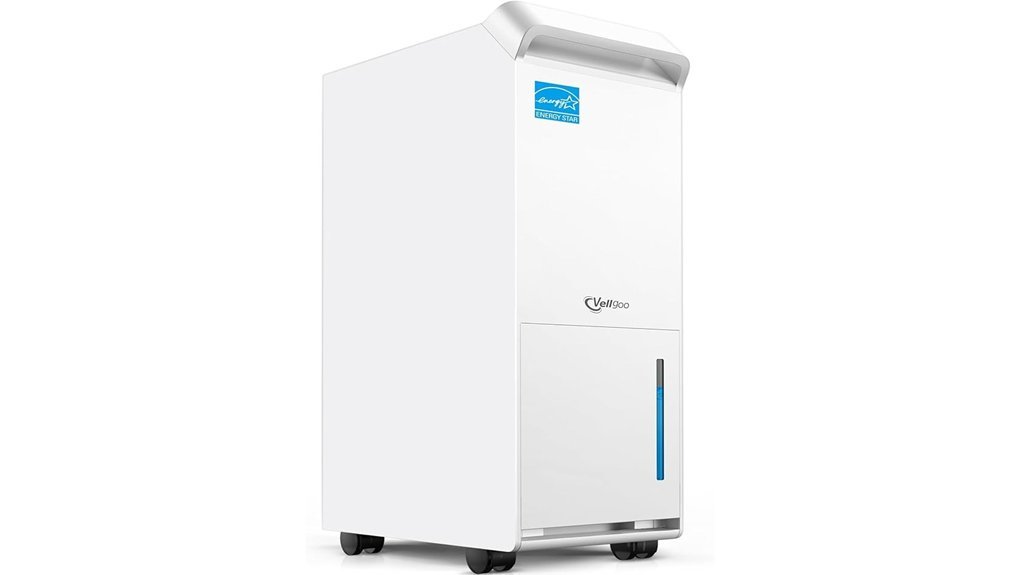
Best Overall for Gravity Drainage: The current Amazon listing tied to this link identifies the Vellgoo as a 4,000-sq.-ft., 64-pint smart dehumidifier with a drain hose, auto defrost, and auto restart. It is a strong fit for large damp spaces where you want automatic humidity control and gravity drainage without paying for a built-in pump. Because the 64-pint figure is a headline claim, confirm the current standardized capacity before comparing it directly with DOE- or ENERGY STAR-rated models.
The practical advantage is its flexible water handling. You can use the bucket, the included drain hose, or a compatible garden-hose connection when the drain is lower than the machine. Humidity, comfort, and continuous modes make it suitable for basement upkeep, laundry areas, garages, and other spaces that need regular moisture removal. Auto restart, auto defrost, a washable filter, timer, and child lock reduce day-to-day maintenance.
Why You’ll Like It: It combines efficient compressor drying with multiple gravity-drain options and controls that support long-term use.
Who Should Avoid It: Choose a pump-equipped unit instead if the only available drain is above the dehumidifier.
Pros:
- Suitable for large rooms with bucket or continuous gravity drainage.
- The current Amazon listing identifies this model as ENERGY STAR Most Efficient 2024.
- Includes useful long-run features such as auto restart, defrost protection, timer, and washable filter.
Cons:
- The 64-pint headline claim should not be treated as a standardized rating without checking the test method.
- No built-in pump for uphill drainage.
- The ENERGY STAR Most Efficient label shown on the current listing is from the 2024 program year, so verify current certification if that matters to your purchase.
AEOCKY 4500 Sq.Ft Smart Dehumidifier with Drain Hose
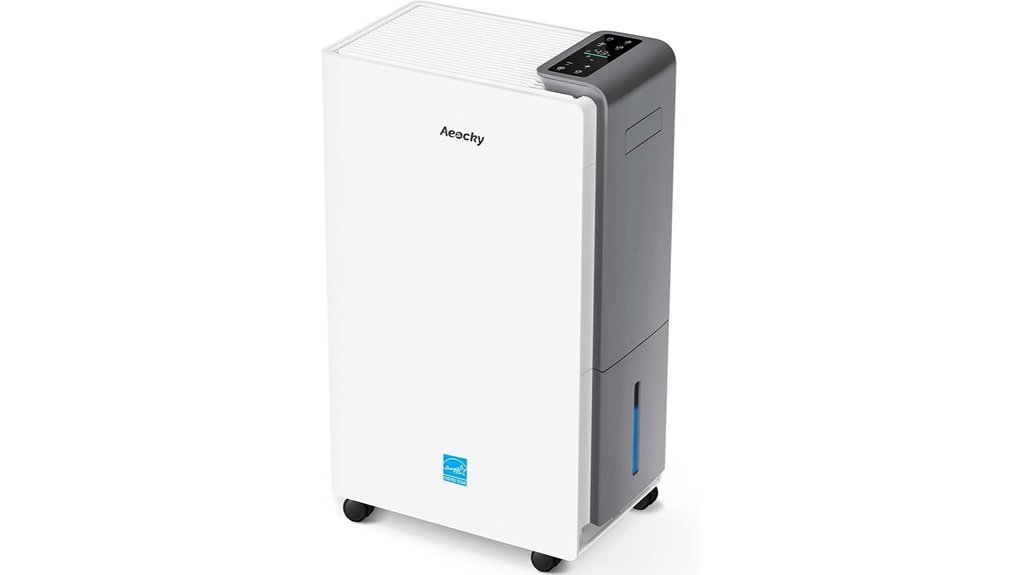
Best Quiet, Efficient Large-Space Pick: AEOCKY’s Rhea-001 is a strong match for buyers who want automatic humidity control, several operating modes, and gravity drainage. AEOCKY publishes two useful capacity figures: up to 80 pints per day at 95°F/95% RH and 56 pints per day at 86°F/80% RH. Use those stated test conditions when comparing it with other models rather than treating every “80-pint” claim as equivalent.
Auto, constant, continuous, smart-drying, and sleep modes give you more control than a basic on/off unit. The listed 44 dB sound level makes it more bedroom-friendly than many high-capacity compressor models, while power-off memory and low-temperature protection are useful in basements. The product includes a drain hose, but the hose still needs a safe downward path because this model does not include a pump.
Why You’ll Like It: It balances large-room capability, low listed noise, efficiency, and convenient automatic controls.
Who Should Avoid It: It is more capacity and complexity than most small bedrooms, closets, or lightly humid bathrooms need.
Pros:
- Multiple automatic and continuous modes with an intelligent humidistat.
- Listed 44 dB low-speed operation, power-off memory, and low-temperature protection support long-term use.
- AEOCKY publishes a 3-year whole-machine warranty for the Rhea-001.
Cons:
- Maximum pint claims should not be compared directly with standardized ratings.
- No built-in condensate pump.
- Controls may take longer to learn than a basic two-mode dehumidifier.
avylo Dehumidifier for Basement with Pump, 90 Pint/D
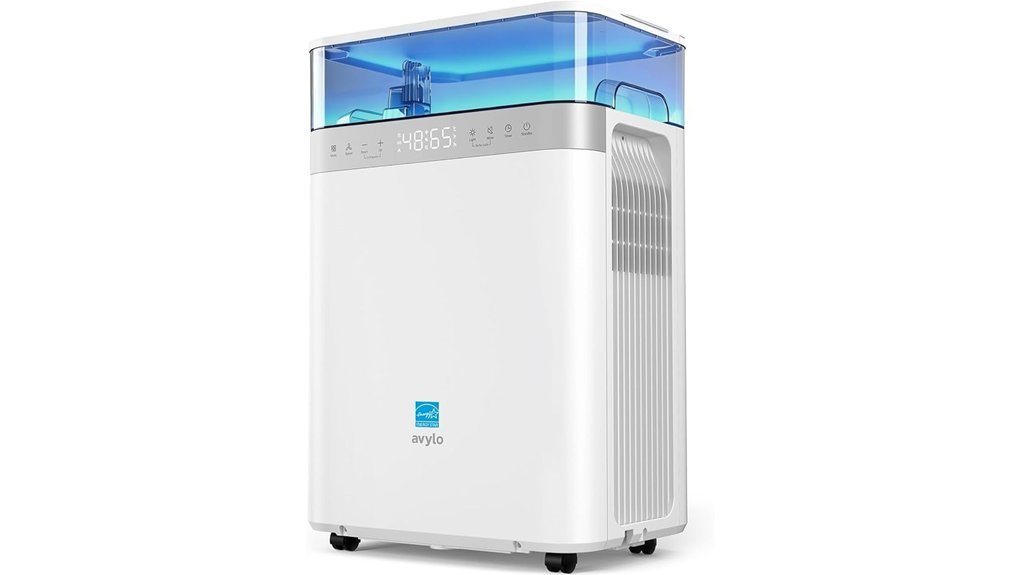
Best with a Built-In Pump: The avylo ADC018 is the most suitable choice in this list when a floor drain is unavailable or the water must move upward. Its built-in pump is advertised to lift condensate up to 15 feet through the included hose, while the top-mounted 2.11-gallon tank provides a second option. Coverage wording differs between the brand site and Amazon listing, so size it by actual moisture load and verified capacity rather than the square-foot headline alone.
The manufacturer advertises up to 90 pints per day at 95°F and 95% RH, intelligent humidity control, automatic defrost, three fan speeds, and operation down to 41°F. The listed 41 dB noise level is attractive for a high-capacity pump model. Stock status can differ by sales channel, so confirm the exact seller, model number, warranty, and current Amazon availability before purchasing.
Why You’ll Like It: Pump drainage gives you far more placement flexibility than a gravity-only model.
Who Should Avoid It: A simpler gravity-drain unit is usually more economical when a nearby floor drain is already available.
Pros:
- Built-in pump with an included long drain hose for elevated drainage.
- Large top-mounted tank is easier to access than many low rear buckets.
- Auto defrost, humidistat control, timer, child lock, and listed low-noise operation.
Cons:
- Coverage and stock wording can vary by sales channel, so verify the exact listing.
- Pump systems add setup steps and more parts than gravity drainage.
- Maximum pint claim uses 95°F/95% RH test conditions.
KNKA 2500 Sq Ft Dehumidifier with Drain Hose
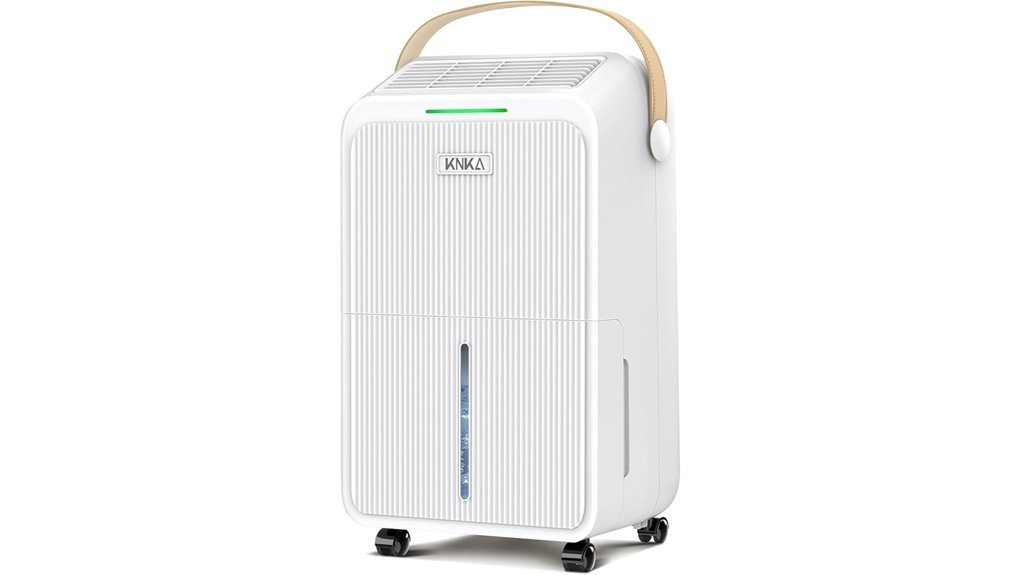
Best for Medium Basements and Laundry Areas: KNKA’s PD22SC-12 is a practical middle-ground option when a 22-pint model feels too small but a heavy large-space unit would be excessive. It is rated at up to 34 pints per day in its published product information and includes a 3.28-ft hose for continuous gravity drainage.
DEHU mode lets you choose a target humidity, DRY mode supports laundry drying, and CONT mode keeps the compressor operating according to the unit’s control logic. The 3L tank has full-tank shutoff for manual use. Published specifications also list 37 dB operation and a minimum operating temperature of 41°F. A timer, child lock, sleep mode, washable filter, and automatic defrost add useful convenience. Its humidity display is helpful for trends, although a separate hygrometer is better for checking accuracy across the room.
Why You’ll Like It: It provides the core features needed for ongoing moisture control without the size and price of the largest models.
Who Should Avoid It: It is not the best option for severe water intrusion, very cold spaces, or drainage that must move uphill.
Pros:
- Three useful modes and adjustable humidity control.
- Included 3.28-ft hose supports continuous gravity drainage.
- Published 37 dB operation, sleep mode, and automatic defrost suit shared or cooler spaces.
Cons:
- The 3L tank can fill quickly in damp conditions without the hose.
- Displayed humidity may not match a separate room hygrometer exactly.
- No built-in pump.
Midea 1,500 Sq. Ft. 22 Pint ENERGY STAR Dehumidifier
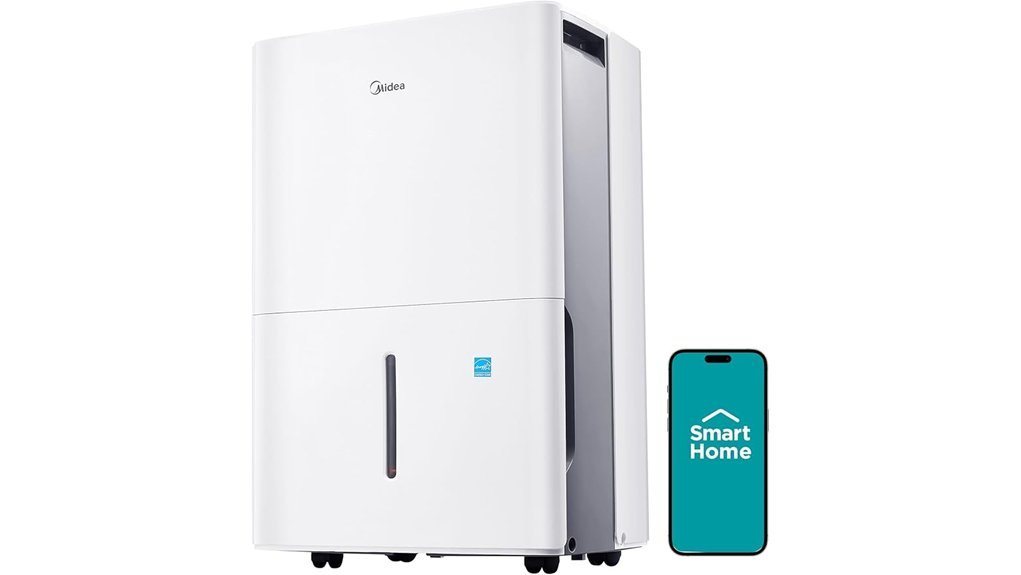
Best Smart Pick for Medium Spaces: Midea’s current Amazon listing identifies this model as a 22-pint ENERGY STAR dehumidifier for spaces up to 1,500 square feet. It offers a 35%–85% humidity setting range and a hose-ready continuous-drain connection, making it easier to size than models that advertise only hot-condition maximum output.
Wi-Fi control through Midea’s SmartHome app, plus listed Alexa and Google Assistant support, makes it useful when the unit sits in a basement, office, or secondary room that you do not check constantly. Auto restart, auto defrost, a reusable filter, wheels, and handles improve everyday usability. The 0.8-gallon bucket is manageable to carry but can require frequent emptying in wet conditions, so continuous drainage is the better setup for long runs. A drain hose is not included.
Why You’ll Like It: It offers recognized brand support, smart controls, and a standardized 22-pint rating in a manageable size.
Who Should Avoid It: Choose a larger unit for a very wet basement, a large open floor plan, or rapid post-leak drying.
Pros:
- ENERGY STAR-certified 22-pint portable capacity.
- App and voice control with auto restart and auto defrost.
- Reusable filter and continuous-drain connection.
Cons:
- Drain hose must be purchased separately.
- Small bucket for continuous high-humidity use.
- May be undersized for severe dampness or a large open basement.
Yaufey 5000 Sq. Ft. Energy Star Dehumidifier
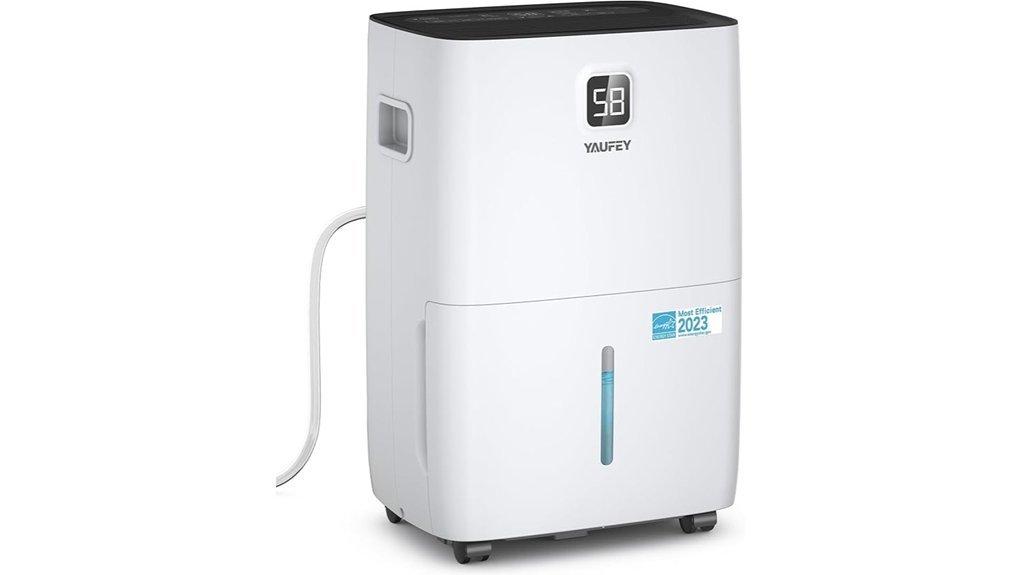
Large-Space Alternative: Yaufey’s JD025Q-80 is marketed for large rooms and up to 80 pints of moisture removal per day at 95°F and 90% RH. Yaufey also lists a 30%–80% adjustable humidity range, four operating modes, and ENERGY STAR certification. The hot-condition 80-pint figure is useful for understanding maximum output, but it should not be treated as directly equal to a standardized room-dehumidifier rating.
The unit offers four preset modes, adjustable humidity control, automatic defrost, auto restart, and manual or continuous gravity drainage. The 1.06-gallon tank includes full-tank protection, and Yaufey includes a 3.28-ft drain hose for continuous drainage. This model makes the most sense when you have a lower floor drain and want strong warm-weather moisture removal without paying for a pump system.
Why You’ll Like It: It provides flexible controls and large-room coverage with a simple hose-drain setup.
Who Should Avoid It: Avoid it when drainage must travel upward or when the room remains below the model’s minimum operating temperature.
Pros:
- High advertised output for hot, humid conditions.
- Four preset room modes with adjustable humidity control.
- Tank or continuous gravity drainage with auto-defrost protection.
Cons:
- No built-in pump.
- Headline capacity is not directly comparable with standardized ratings.
- Tank still needs regular attention if the hose is not connected.
Waykar 80 Pint Energy Star Dehumidifier for Home
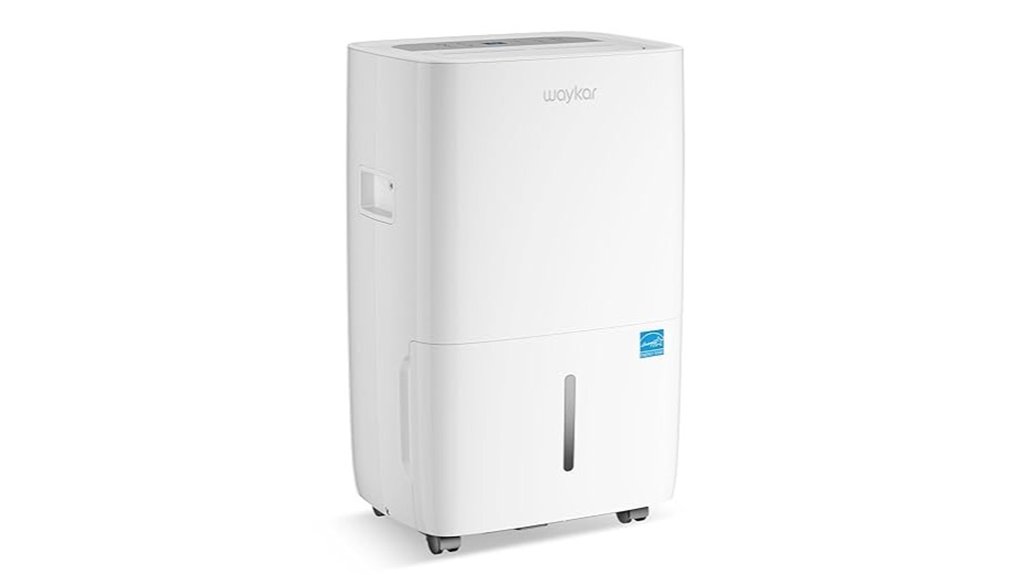
Best for Wide Air Distribution: Waykar’s JD025CE-80 is intended for large rooms and includes an automatic swing feature that helps distribute dry air. Waykar rates it at up to 80 pints per day at 95°F and 90% RH, while the EPA ENERGY STAR database lists 24.93 pints per day as the standardized water-removal capacity. The large difference reflects the test conditions, so the two figures should not be compared as if they were measured the same way.
You can set a target humidity, use the 24-hour timer, and choose between the 1.14-gallon tank and a gravity drain hose. Auto defrost, filter reminders, restart memory, child lock, wheels, and handles support routine use. The listed 42 dB sound level is low for a large compressor unit, although room acoustics and fan speed will affect what you hear.
Why You’ll Like It: It combines large-room airflow, adjustable humidity control, and published ENERGY STAR data.
Who Should Avoid It: It is unnecessary for a small bedroom and cannot pump condensate to an elevated drain.
Pros:
- ENERGY STAR-certified model with a published 24.93-pint/day standardized rating.
- Automatic swing helps circulate air across a larger room.
- Continuous gravity drainage, auto defrost, restart memory, and filter reminder.
Cons:
- The advertised 80-pint figure is measured under hotter conditions than the standardized rating.
- No built-in pump.
- Large body may be inconvenient in tight rooms.
Factors to Consider When Choosing a Dehumidifier for Continuous Use
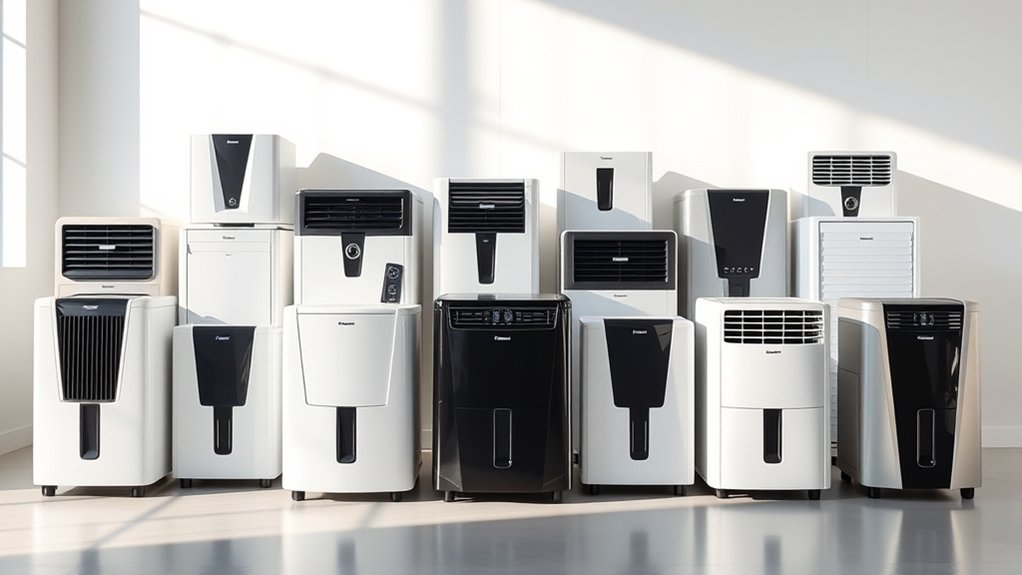
A continuous-use dehumidifier should be selected by standardized moisture-removal capacity, drainage route, operating temperature, energy efficiency, humidistat accuracy, and maintenance access—not by square-foot marketing alone. Use the checklist below to avoid buying a unit that is too small, too complicated, or impossible to drain safely.
Continuous Drainage Options
Gravity drainage is simple and reliable when the outlet on the dehumidifier sits above a floor drain, shower drain, or other approved destination. The hose must slope downward continuously without kinks, loops, or raised sections that trap water. A built-in pump is better when condensate must move upward or across a longer route. Test the full setup while you are present, secure both hose ends, and check for leaks before relying on unattended operation.
Compare Capacity Using the Same Test Conditions
Some listings advertise maximum removal at 90°F–95°F and very high humidity, while standardized ratings use different laboratory conditions. A model marketed as “80 pints” can therefore have a much lower standardized daily rating. For example, Waykar rates the JD025CE-80 at 80 pints per day at 95°F/90% RH, while the EPA ENERGY STAR database lists 24.93 pints per day under the standardized method. Compare the current model number, test conditions, and standardized pints per day whenever possible. Treat square-foot coverage as a rough marketing guide because ceiling height, doors, air movement, outdoor moisture, and the severity of dampness all affect performance.
Energy Efficiency Ratings
Continuous use can add meaningful electricity cost, so look for a current ENERGY STAR certification and compare the Integrated Energy Factor when available. Higher efficiency means more water removed per unit of electricity. Avoid fixed claims about exact monthly savings because runtime depends on humidity, temperature, room leakage, set point, and how often the compressor cycles. Keeping the filter and air intake clean also helps the unit maintain airflow.
Humidity Control Precision
A humidistat lets the dehumidifier cycle instead of running the compressor without pause. A practical starting target for many living spaces is about 45%–50% RH, then adjust for comfort and room conditions. Place a separate hygrometer several feet away from the unit to check the room rather than the dry air immediately leaving the machine. Expect small differences between displays, especially while the compressor is cycling.
Tank Capacity Size
Tank size matters mainly when you cannot use a hose. A small bucket may fill several times per day in a wet basement even when the machine has strong moisture-removal capacity. For continuous gravity or pump drainage, focus more on hose reliability, full-tank protection, access for cleaning, and whether the unit stops safely if drainage is interrupted.
Noise Level Output
Listed sound levels are helpful but do not tell the whole story. Compressor cycling, fan speed, vibration, floor type, and nearby walls can make the same unit sound different from room to room. For a bedroom or office, look for a sleep mode, multiple fan speeds, and a listed output in the low-to-mid 40 dB range or lower. Place the unit on a firm, level surface and leave the required clearance around the air intake and outlet.
Coverage Area Match
Choose more capacity for an open basement, high ceilings, frequent exterior-air leakage, or humidity that stays above 60%. A smaller standardized 20- to 25-pint unit can work in a moderate room, while higher standardized capacities are generally more appropriate as room size and moisture load increase. A dehumidifier cannot fix plumbing leaks, groundwater entry, roof leaks, or missing ventilation; correct the moisture source first.
Auto Restart and Safety
For long-term control, look for auto restart, full-tank shutoff, auto defrost, a washable or replaceable filter, and a visible error or full-tank indicator. Follow the manufacturer’s electrical instructions, keep the cord and plug dry, avoid damaged extension cords, and do not block airflow. “Continuous use” should mean automatic humidistat-controlled operation with safe drainage—not ignoring the machine indefinitely.
Low-Temperature Performance
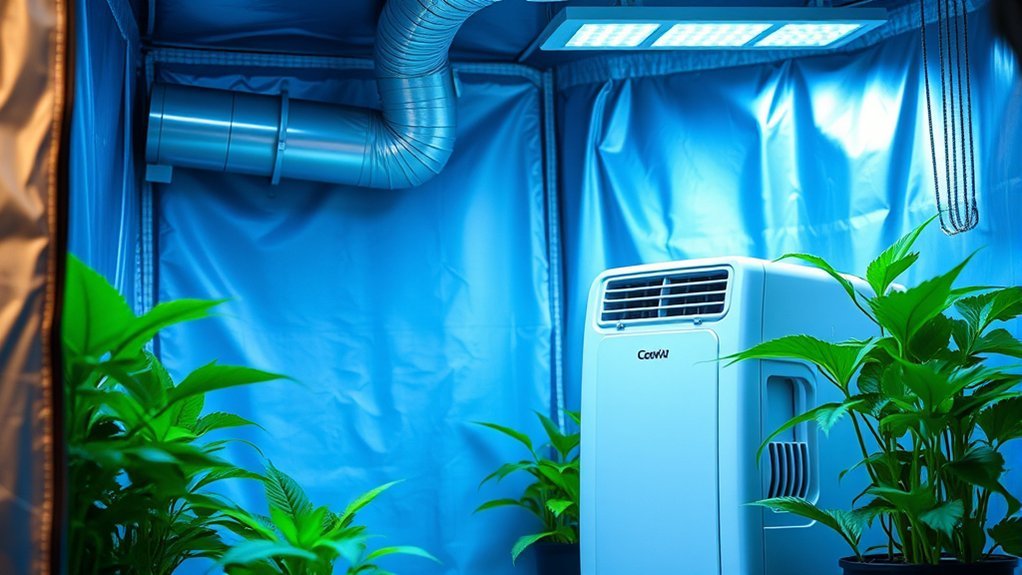
Compressor dehumidifiers remove less water as the room gets colder and may enter defrost mode more often. Check the model’s minimum operating temperature instead of assuming every unit can run in a cold garage or unheated basement. For near-freezing spaces, a model specifically designed for low temperatures or a desiccant dehumidifier may be more appropriate.
Maintenance and Service
Clean the air filter at the interval in the manual, inspect the hose for buildup or kinks, wash and dry the bucket, and keep the intake and outlet clear. Before buying, check the written warranty, seller identity, replacement-part access, and customer-support contact. These details matter more for a machine expected to operate throughout humid seasons.
Continuous-Drain Setup Tip
Run the unit into its bucket first to confirm normal operation. Then attach the hose firmly, route it without kinks, test the drain for at least one full cycle, and recheck the connection after several hours. A leak sensor near the machine can add protection in finished basements.
Frequently Asked Questions
Can a Dehumidifier Run 24 Hours a Day?
Yes, a suitable dehumidifier can remain powered on continuously when it has a working humidistat, adequate airflow, a safe drainage setup, and regular maintenance. The compressor should normally cycle as the room reaches the target humidity rather than running without pause.
How Often Should a Continuously Used Dehumidifier Be Cleaned?
Inspect the filter every two to four weeks during heavy use and clean it as directed by the manual. Check the tank, drain hose, intake, and outlet at the same time. Dusty rooms, pets, construction debris, or visible buildup may require more frequent service.
Do Continuous-Use Dehumidifiers Need a Separate Condensate Pump?
Not when gravity can carry the water to a lower drain. You need a built-in or separate pump only when the drainage destination is above the outlet or the hose route cannot maintain a continuous downward slope.
Can I Run a Dehumidifier Nonstop in Freezing Temperatures?
Do not run a standard compressor dehumidifier below its listed operating range. Cold coils can ice, moisture removal drops, and the unit may spend excessive time defrosting. Use equipment designed for low temperatures or warm the space first.
How Can I Estimate Monthly Electricity Use?
Multiply the unit’s wattage by the hours it actually runs, divide by 1,000 to get kilowatt-hours, and multiply by your local electricity rate. A plug-in energy meter gives a better estimate because the compressor cycles and does not necessarily draw full rated power every hour.
Is Continuous Drainage Better Than Emptying the Tank Manually?
Continuous drainage is more convenient for a fixed basement or laundry-room installation, provided the hose is secure and the drain is reliable. Manual emptying is better when you move the unit between rooms or do not have a safe drainage route.
What Humidity Setting Is Best for Continuous Use?
Start near 45%–50% RH and monitor the room with a separate hygrometer. Raising the set point can reduce runtime if the room already feels comfortable, while persistent condensation or musty odor may indicate that you need more capacity or must correct an outside moisture source.
Final Recommendation
Choose by drainage route first.
Pick the Vellgoo 64 Pint for efficient large-space gravity drainage, the AEOCKY for quieter smart control, or the avylo ADC018 when water must be pumped upward. The KNKA and Midea make more sense in medium spaces where a very large compressor model would be unnecessary.
Before ordering, verify the current model number and standardized pint rating on Amazon, confirm that the hose or pump can reach your drain, and size the unit for the severity of the moisture problem—not only the advertised square footage.