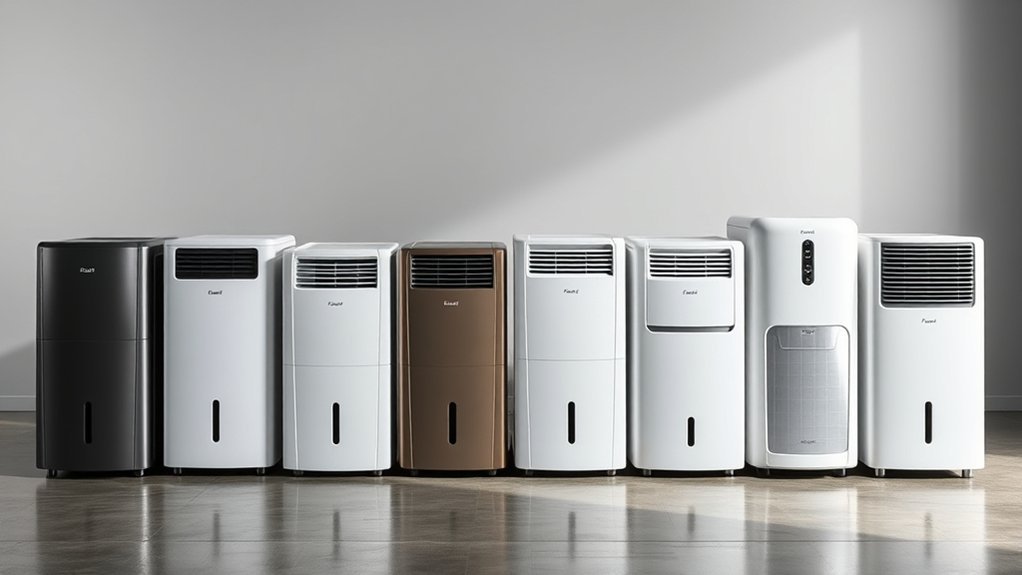
Choosing a dehumidifier in New Zealand in 2026 starts with electrical compatibility, room temperature, moisture-removal capacity, and the type of dampness you need to control. A unit that looks powerful on paper may still be unsuitable if it was designed for another country’s voltage, frequency, plug, safety requirements, or climate. This guide explains how to compare locally suitable dehumidifiers without relying on unclear imported listings or oversized room-coverage claims.
Important New Zealand electrical check
Check that the appliance rating label shows 230V, 50Hz, or a voltage range that clearly includes 230V, and that it is supplied with an appropriate New Zealand plug. A travel adapter changes the plug shape only; it does not convert a 110–120V appliance or correct a frequency mismatch. Choose a model intended for New Zealand rather than relying on an unverified import.
Selection approach
Prioritise verified New Zealand electrical compatibility, realistic moisture-removal performance, suitability for the room temperature, practical drainage, published noise information, and accessible local support. Do not let an overseas marketplace ranking or large room-coverage number outweigh an unclear rating label, unrealistic extraction conditions, or missing service information.
Quick Answer
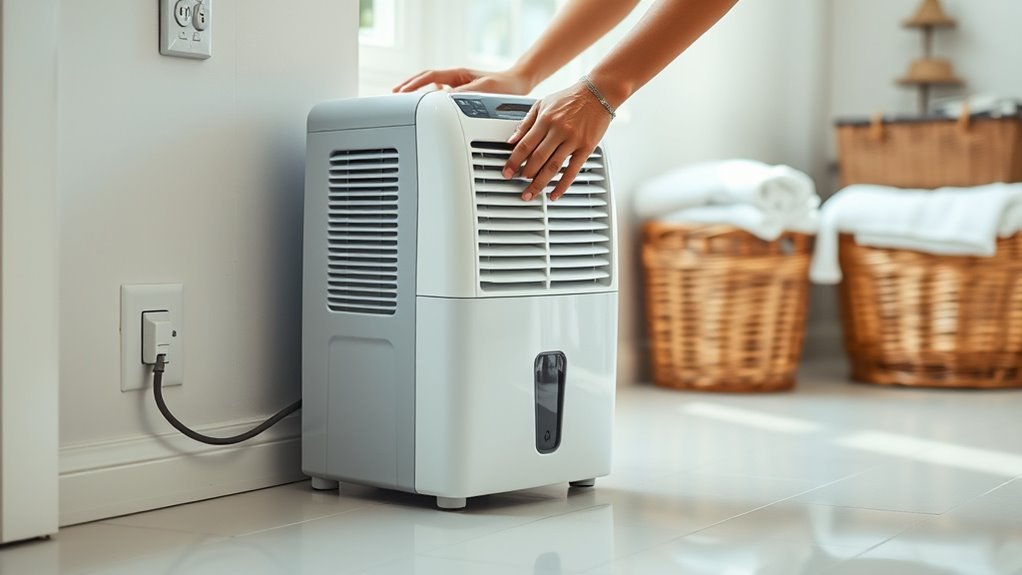
For most heated bedrooms, living rooms, and laundry areas, a compressor dehumidifier is a practical starting point because it can provide strong moisture removal without the higher power demand often associated with desiccant models. For cold or unheated rooms, a desiccant dehumidifier may maintain more consistent extraction as temperatures fall. Small thermoelectric or Peltier units are best treated as light-duty options for very small spaces where the manufacturer permits their use and adequate airflow can be maintained.
- Best type for heated living spaces: Compressor dehumidifier.
- Best type for colder rooms: Desiccant dehumidifier or a compressor model specifically rated for low-temperature operation.
- Best type for indoor laundry: A suitable higher-capacity model with a humidistat, strong airflow, and practical drainage.
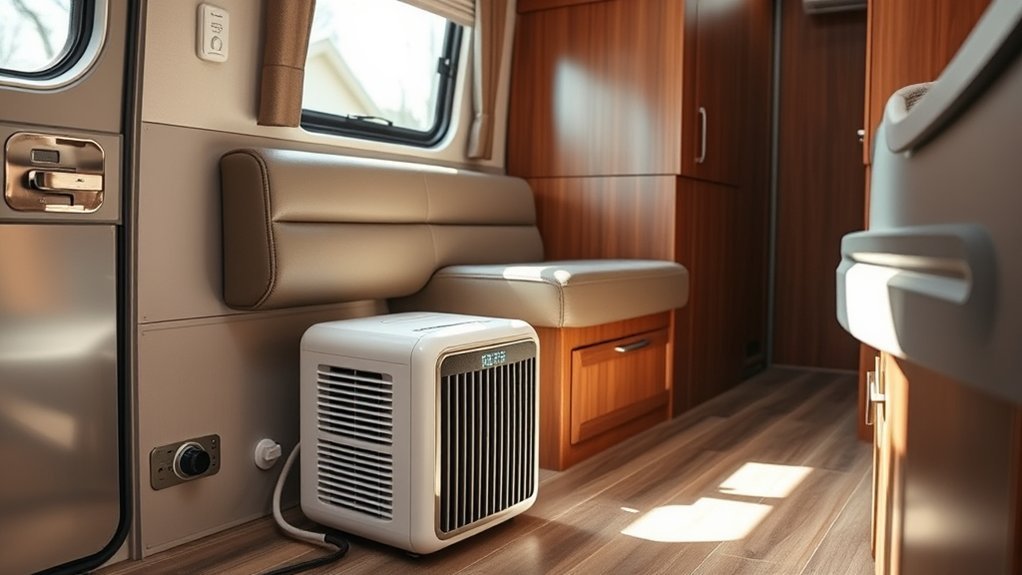
- Best type for very small spaces: A compact moisture-control solution designed for the intended space and operating conditions.
- For leaks or severe mould: Repair or investigate the moisture source instead of relying on a dehumidifier alone.
Quick Comparison of Dehumidifier Types
| Type | Best For | Main Strength | Main Limitation |
|---|---|---|---|
| Compressor | Heated bedrooms, living areas, laundry rooms, and larger enclosed spaces | Strong moisture removal in mild or warm conditions with generally practical running costs | Extraction can fall in colder rooms unless the unit is designed for low-temperature use |
| Desiccant | Cold bedrooms, garages, workshops, and unheated areas | Often maintains better moisture removal as room temperatures fall and can be useful for laundry drying | Typically uses more electricity and releases warmer air into the room |
| Thermoelectric or Peltier | Very small spaces where the manufacturer approves the intended placement | Compact and usually quiet | Low extraction capacity for serious dampness, laundry loads, or normal-sized rooms |
Factors to Consider When Choosing Dehumidifiers in New Zealand
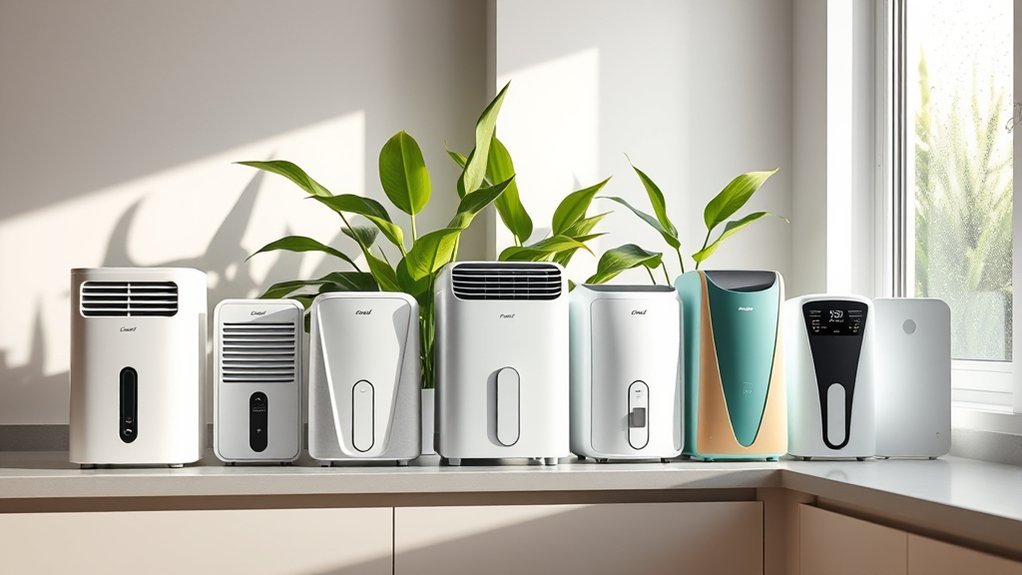
New Zealand homes can experience window condensation, damp bedrooms, slow indoor laundry drying, and musty storage areas. The right dehumidifier should match the room temperature, moisture level, floor area, drainage setup, and how often you plan to run it.
Electrical Voltage, Frequency, and Plug
Check the appliance rating plate before buying. It should state 230V, 50Hz, or show a voltage range that includes 230V, and it should have an appropriate New Zealand plug. Do not assume that international shipping, an overseas plug, or a travel adapter makes an appliance suitable for New Zealand.
Ask the retailer or supplier whether the exact model is suitable for sale and use in New Zealand. Consumer Protection recommends checking safety information and looking for appropriate compliance information, including the Regulatory Compliance Mark where applicable. When buying through an overseas marketplace, confirm the exact model’s voltage, frequency, plug, instructions, warranty arrangements, repair options, and return-shipping responsibility before ordering.
Moisture-Removal Capacity
Compare dehumidifiers by their rated extraction in litres per day, not only by a large room-coverage claim. Extraction ratings depend heavily on the temperature and relative humidity used during testing, so a maximum laboratory figure may not represent what the appliance will remove from the air in a cool New Zealand room.
Whenever possible, compare models tested under similar conditions. Choose more capacity for persistent condensation, frequent indoor laundry drying, high ceilings, multiple connected rooms, or moisture that returns quickly after the appliance switches off.
Buyer tip
A very high litres-per-day number is not automatically better. Look at the temperature and humidity used for the rating, then check whether independent or manufacturer data shows useful performance in conditions similar to your home.
Room Size and Layout
Measure the room in square metres and consider ceiling height, open doorways, insulation, ventilation, and the amount of moisture being produced. A portable dehumidifier works most predictably in a reasonably enclosed area.
One unit may gradually help several nearby rooms when doors are open, but extraction will generally be slower and less predictable than in a single closed room. A whole-home moisture problem may require more than one unit, better heating and ventilation, improved extraction fans, or repairs to the building.
Compressor vs Desiccant
Compressor models are generally the first type to consider for heated living spaces. Desiccant models can be more suitable in colder rooms because their moisture-removal process is less dependent on a cold refrigerated coil.
Before placing a compressor dehumidifier in a cold garage, workshop, basement, or unheated bedroom, check the manufacturer’s minimum operating temperature and auto-defrost information. Do not rely only on a general statement that the appliance works “in winter.”
Humidistat and Target Humidity
A built-in humidistat lets the unit cycle on and off around a selected relative-humidity setting. A practical household range is generally around 40% to 60% relative humidity. Starting near the middle of that range can provide a useful baseline, then you can adjust according to condensation, room temperature, comfort, and the moisture source.
An inexpensive independent hygrometer can help you compare the appliance display with another reading. Avoid setting the target unnecessarily low, because that can increase operating time and electricity use without correcting an underlying leak, cold surface, or ventilation problem.
Drainage Options Available
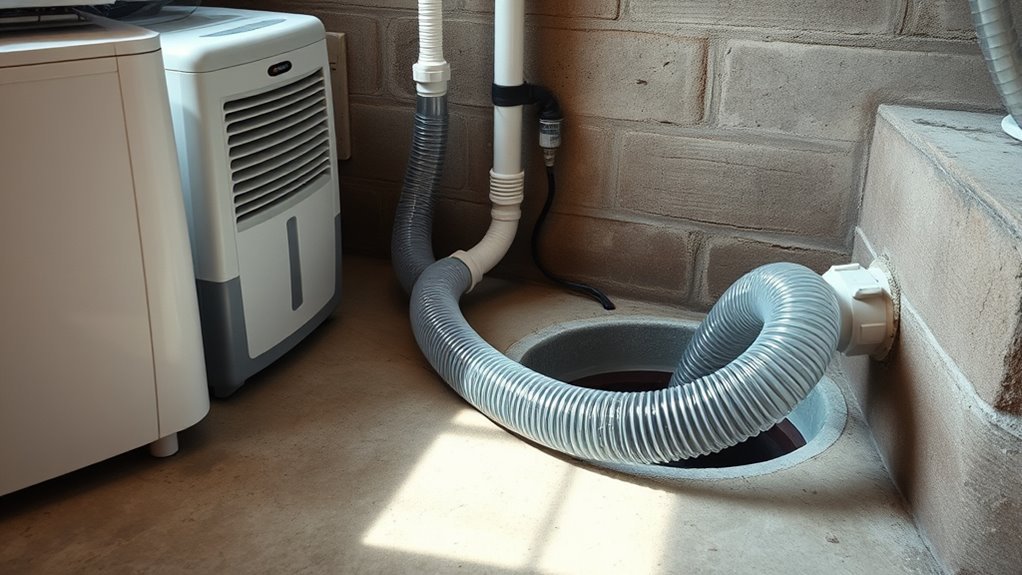
Manual tanks are simple but can fill quickly in a damp room. Continuous drainage is more convenient when a suitable drain is nearby, but a gravity-fed hose must slope downward continuously without kinks, high points, or blockages.
A built-in pump provides more placement flexibility when water must travel upward or across a room. However, a pump adds cost, operating noise, and another component that may need cleaning or maintenance.
Tank Size and Auto Shut-Off
A larger tank reduces how often it must be emptied, but a full tank can be heavy. Look for a secure handle, splash-resistant design, visible water-level indicator, and automatic shut-off when the tank is full.
Check that the tank can be removed, carried, emptied, and refitted without moving the entire appliance. A badly shaped tank can become frustrating even when its stated capacity looks generous.
Noise Level Considerations
Check the published noise level for both low and high fan settings. Also confirm which operating mode, fan speed, and measurement conditions apply to the stated decibel figure.
A sleep mode may reduce fan noise and display brightness, but it can also reduce moisture-removal speed. For a bedroom, consider compressor cycling as well as fan noise rather than relying only on marketing words such as “quiet” or “whisper.”
Energy Use and Running Control
Compare input power, extraction performance, humidistat control, timer options, fan settings, and automatic modes. Do not judge efficiency from wattage alone. A unit that effectively reaches the selected humidity and then cycles may be more useful than a low-powered appliance that runs continuously without controlling the room.
Simple running-cost estimate
Input power in kilowatts × hours used × your electricity price per kWh. For example, convert 500 watts to 0.5 kilowatts before calculating. Actual daily cost will change as the humidistat cycles the appliance on and off.
Avoid unsupported energy-saving percentages unless the comparison method, electricity rate, test conditions, and operating time are clearly stated.
Portability and Design
Wheels and a strong handle help when moving a compressor dehumidifier between rooms. Check the appliance weight, cord length, air-inlet clearance, outlet direction, control position, and whether the tank can be removed conveniently.
Keep the manufacturer’s required clearance around the air intake and outlet. Pushing the appliance against a wall, curtain, or furniture can restrict airflow and reduce performance.
Smart Features Integration
Wi-Fi control, schedules, tank alerts, and humidity history can be useful when the unit runs in another room. Treat smart functions as secondary to electrical suitability, extraction performance, low-temperature operation, drainage, and reliable ownership support.
Check whether the app is available in New Zealand, which permissions it requires, whether core controls still work without Wi-Fi, and what functionality remains if the manufacturer later changes or discontinues its cloud service.
Warranty, Consumer Rights, Service, and Spare Parts
Prefer a model sold by a reputable retailer with clear contact information, returns handling, replacement filters, spare parts, and practical repair support. For products covered by New Zealand consumer law, your rights can extend beyond the written manufacturer warranty, so do not judge after-sales protection only by the number of years printed on a warranty card.
Confirm who handles faults, where repairs take place, whether filters and drainage accessories are available, who pays return shipping, and whether a manufacturer warranty applies to the exact model being sold. Imported or parallel-imported appliances can be more difficult to service even when the listing advertises a warranty.
Choose a Dehumidifier by Use Case
| Use Case | Type to Consider | Features to Prioritise | Main Caution |
|---|---|---|---|
| Heated bedroom | Compressor | Low fan speed, humidistat, dim display, sleep mode | Check compressor-cycle noise, not only the lowest fan rating |
| Living room | Compressor | Suitable extraction capacity, wheels, auto mode, practical tank | Open doorways increase the area and moisture load |
| Indoor laundry | Compressor in a heated room or desiccant in a colder room | Laundry mode, continuous drain, strong airflow, humidistat | Small thermoelectric units are generally too weak for regular full laundry loads |
| Cold garage or workshop | Desiccant or low-temperature compressor | Published minimum temperature, auto-defrost where applicable, continuous drain | Standard compressor extraction can decline as the room gets colder |
| Very small space | Compact moisture-control option approved for the intended space | Small footprint, auto shut-off, low noise, adequate clearance | Not suitable for structural dampness, serious condensation, or a large room |
| Several connected rooms | Higher-capacity portable unit or multiple units | Strong airflow, suitable extraction rating, drainage, portability | Results are less predictable than treating one reasonably enclosed room |
Before You Buy: New Zealand Dehumidifier Checklist
- Electrical label: Marked 230V, 50Hz, or with a voltage range that clearly includes 230V.
- Plug: Supplied with an appropriate New Zealand plug rather than relying on a travel adapter.
- Compliance: Ask the supplier to confirm suitability for sale and use in New Zealand and check available compliance information.
- Exact model: Match the model number on the listing, rating label, manual, and warranty information.
- Capacity: Extraction shown in litres per day with the test conditions available where possible.
- Room conditions: Appropriate technology and minimum operating temperature for the intended room.
- Drainage: Tank, gravity hose, or pump arrangement that works in the available location.
- Noise: Published sound level for the fan setting and mode you expect to use.
- Controls: Humidistat, auto mode, timer, and auto-defrost where needed.
- Tank design: Easy to remove, carry, empty, clean, and refit.
- Maintenance: Washable or replaceable filter and accessible air intake.
- Running cost: Input wattage and expected daily operating time fit your budget.
- Consumer support: Clear retailer contact, return process, applicable consumer-law remedies, manufacturer support, spare parts, and repair options.
Managing Dampness Beyond the Dehumidifier
A dehumidifier is most effective when it is combined with moisture-source control, suitable heating, and ventilation. It cannot permanently correct rain penetration, plumbing leaks, rising damp, inadequate drainage, or poorly installed extraction systems.
- Use kitchen and bathroom extractor fans that discharge moisture outdoors rather than into the ceiling space.
- Where appropriate, vent suitable clothes dryers outdoors according to their installation instructions.
- Ventilate the home regularly to replace stale, damp air, then close the room while a portable dehumidifier is actively treating that specific space.
- Keep rooms appropriately heated where practical, because colder surfaces are more likely to collect condensation.
- Dry laundry outdoors when practical, or use a controlled laundry area with suitable extraction or dehumidification.
- Repair plumbing leaks, roof leaks, blocked gutters, damaged downpipes, and exterior drainage problems.
- Wipe heavy window condensation while also addressing the source of the moisture.
- Investigate recurring mould instead of repeatedly cleaning only the visible surface.
Important
If dampness keeps returning despite normal heating, ventilation, and dehumidifier use, investigate the building itself. Hidden plumbing leaks, failed drainage, roof or cladding leaks, subfloor moisture, or other defects may require professional assessment.
Safe Use and Maintenance
Safety note
Place the dehumidifier on a stable, level surface, keep its air openings clear, inspect the power cord and plug, and follow the manufacturer’s clearance and cleaning instructions. Do not operate a damaged appliance or position it where it can be splashed with water.
- Connect the appliance as directed by its manual and avoid overloaded multi-boxes or damaged adapters.
- Do not use an extension lead unless the manufacturer permits it and the lead is correctly rated for the appliance.
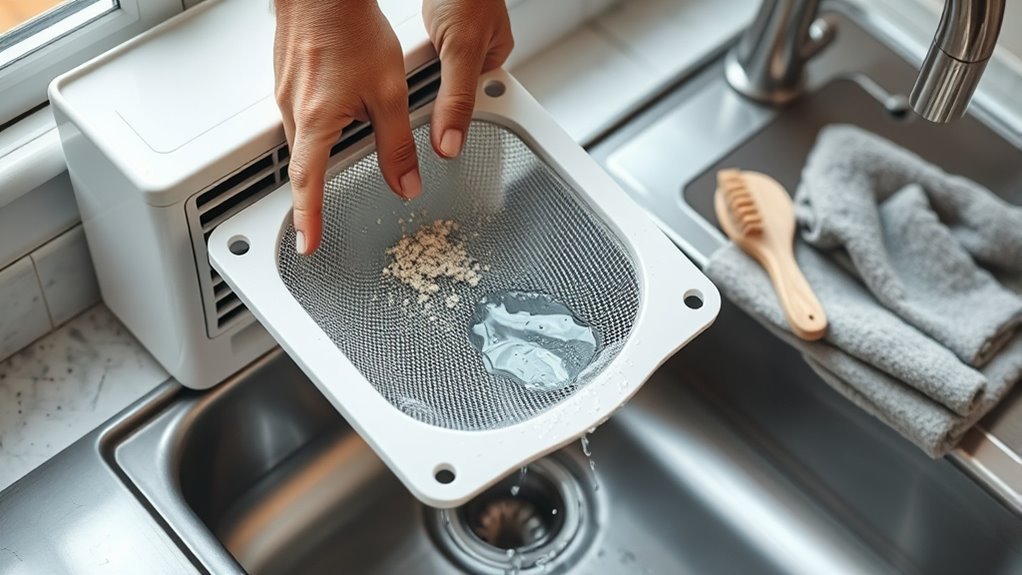
- Clean or replace the filter at the interval stated in the manual.
- Empty and rinse the tank regularly to reduce residue and odours.
- Check continuous-drain hoses for kinks, blockages, leaks, and poor downward slope.
- Keep doors and windows closed while actively treating a specific room, except when intentionally ventilating it.
- Use an independent hygrometer if the built-in humidity reading seems inconsistent.
- Stop using the appliance if the cord is damaged, the plug becomes unusually hot, or the unit produces sparks, smoke, burning smells, or repeated electrical trips.
- Address leaks, poor ventilation, and existing mould rather than relying on a dehumidifier alone.
Frequently Asked Questions
What Size Dehumidifier Do I Need for My Space?
Compare the manufacturer’s extraction rating in litres per day, recommended room area, test conditions, and minimum operating temperature. Choose more capacity for severe dampness, regular laundry drying, high ceilings, or several connected rooms. Avoid selecting a model only because it advertises a very large square-metre coverage figure.
What Humidity Should I Set My Dehumidifier To?
A useful household target is generally within the 40% to 60% relative-humidity range. Starting near the middle of that range is reasonable, then adjusting based on condensation, room temperature, comfort, and an independent hygrometer reading.
Can I Use a US Dehumidifier in New Zealand?
Do not connect a 110–120V-only dehumidifier directly to New Zealand mains power. A simple plug adapter does not change voltage or frequency. The safer buying choice is a model designed and supplied for New Zealand, with a 230V-compatible rating, appropriate plug, clear compliance information, and practical support.
Can I Use a Dehumidifier in Winter?
Yes, but select a model suited to the room temperature. A compressor unit may lose effectiveness as the room gets colder and may rely on auto-defrost. A desiccant model can be a better match for some cold or unheated spaces, although its higher power use and warmer outlet air should also be considered.
Are Dehumidifiers Energy-Efficient in New Zealand’s Climate?
Efficiency depends on appliance type, room temperature, extraction performance, air leakage, target humidity, and how long the unit operates. Compare input power, realistic moisture removal, humidistat behaviour, and expected run time rather than judging efficiency by wattage or maximum extraction capacity alone.
How Do I Estimate the Cost of Running a Dehumidifier?
Convert the appliance wattage to kilowatts, multiply it by the hours used, and then multiply the result by your electricity price per kilowatt-hour. A humidistat-controlled unit will normally cycle on and off once conditions improve, so actual daily consumption can differ substantially from a calculation that assumes continuous operation.
How Loud Are Modern Dehumidifiers During Operation?
Noise varies by dehumidifier type, fan speed, compressor cycle, airflow, and cabinet design. Check the published decibel figure and the setting to which it applies. Bedroom users should also consider adjustable fan speed, display dimming, sleep functions, and compressor cycling.
Can a Dehumidifier Remove Mould?
A dehumidifier can reduce the damp conditions that support mould growth, but it does not remove existing mould or repair leaks and water damage. Existing mould should be dealt with appropriately, and the source of recurring moisture should be identified and corrected.
Can a Dehumidifier Replace Heating and Ventilation?
No. A dehumidifier can collect airborne moisture, but a dry and comfortable home may also require suitable heating, kitchen and bathroom extraction, regular ventilation, and repairs to leaks or drainage problems.
Does a Manufacturer Warranty Replace My New Zealand Consumer Rights?
No. A manufacturer warranty is separate from any rights that apply under New Zealand consumer law. When buying from a business covered by the Consumer Guarantees Act, remedies may still be available even if a manufacturer warranty has expired. Keep your receipt, model information, and retailer details in case a fault develops.
How Do I Maintain My Dehumidifier for Optimal Performance?
Clean the filter, empty and wash the tank, inspect the drainage hose, keep the air intake clear, and check the cord and plug for damage. Follow the model-specific manual because maintenance intervals, filter designs, pump cleaning, and storage instructions vary.
How to Compare Shortlisted Models
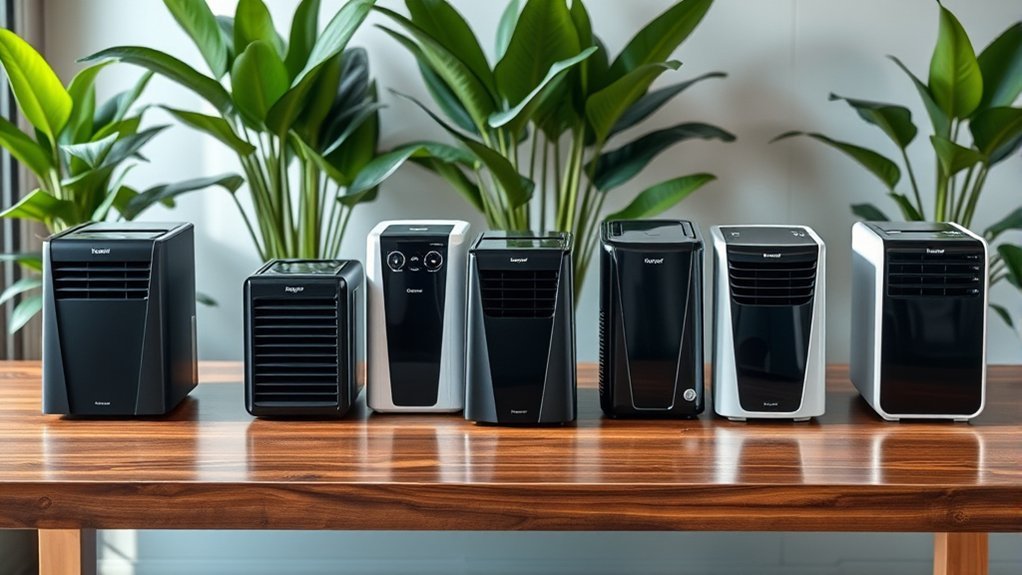
Once you have found several locally suitable dehumidifiers, compare them in this order:
- Electrical suitability: Confirm the exact model is rated for New Zealand’s 230V, 50Hz supply and has an appropriate plug.
- Compliance and supplier: Check that the supplier can confirm the appliance is suitable for New Zealand and provides clear model and support information.
- Room temperature: Match compressor, desiccant, or another appropriate technology to the conditions where the appliance will operate.
- Extraction capacity: Compare litres per day using similar test conditions whenever possible.
- Low-temperature performance: Give extra attention to realistic performance if the room regularly becomes cold.
- Humidity control: Look for a usable humidistat, automatic mode, and suitable adjustment range.
- Drainage: Decide whether a manual tank, gravity hose, or built-in pump fits the room.
- Noise and placement: Check both sound specifications and required air clearances.
- Operating cost: Compare input power, realistic run time, and automatic cycling.
- Ownership support: Confirm retailer support, applicable consumer-law remedies, manufacturer warranty, filters, spare parts, returns, and repair options.
Final buying rule
Choose the model that best matches your actual room temperature and moisture problem, not simply the appliance with the biggest advertised coverage area or litres-per-day number. Verified New Zealand electrical suitability comes first.
New Zealand Sources and Further Guidance
- WorkSafe: Electrical safety compliance for appliances and fittings
- WorkSafe: Electrical marks and Regulatory Compliance Mark guidance
- Consumer Protection: What to check before buying electronics and appliances
- Consumer Protection: Consumer Guarantees Act
- EECA: Reducing dampness and improving airflow
- BRANZ: Internal moisture and relative-humidity guidance
- Tenancy Services: Mould and dampness guidance
- Consumer NZ: Current dehumidifier buying guidance and testing information
Conclusion
The right dehumidifier for a New Zealand home is not simply the unit with the largest room-coverage or litres-per-day claim. Start by confirming that the exact model is designed for 230V, 50Hz operation, has an appropriate New Zealand plug, and comes from a supplier that can provide clear compliance and support information. Then match the technology, realistic extraction performance, minimum operating temperature, noise, drainage system, and controls to the room and moisture problem.
For a heated living area, a compressor model is usually the most practical starting point. For colder spaces, consider a desiccant unit or a compressor model with clearly documented low-temperature performance. Prioritising verified local compatibility, realistic moisture-removal data, effective humidity control, practical drainage, sensible running costs, and reliable New Zealand support will lead to a safer and more useful purchase.