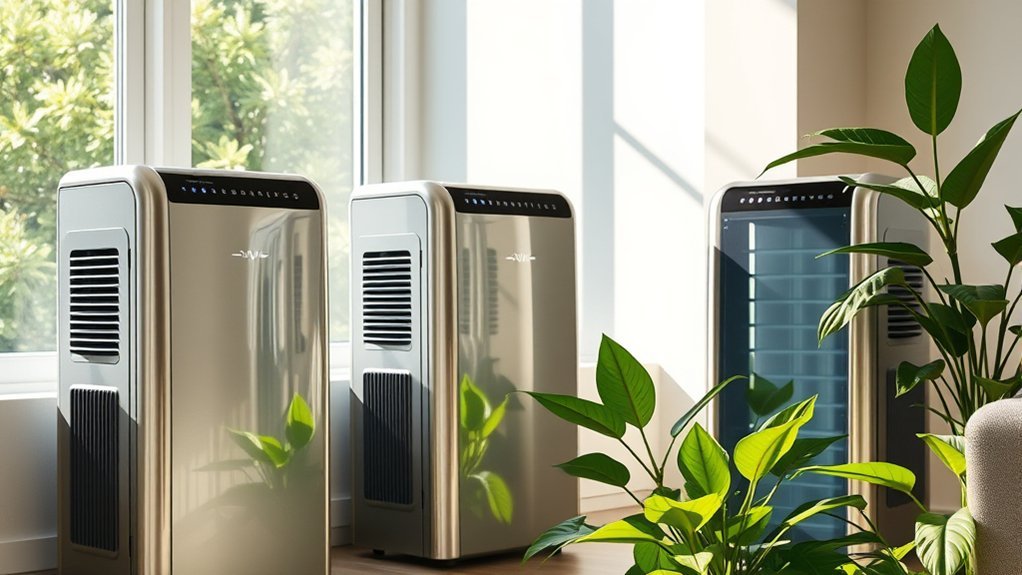
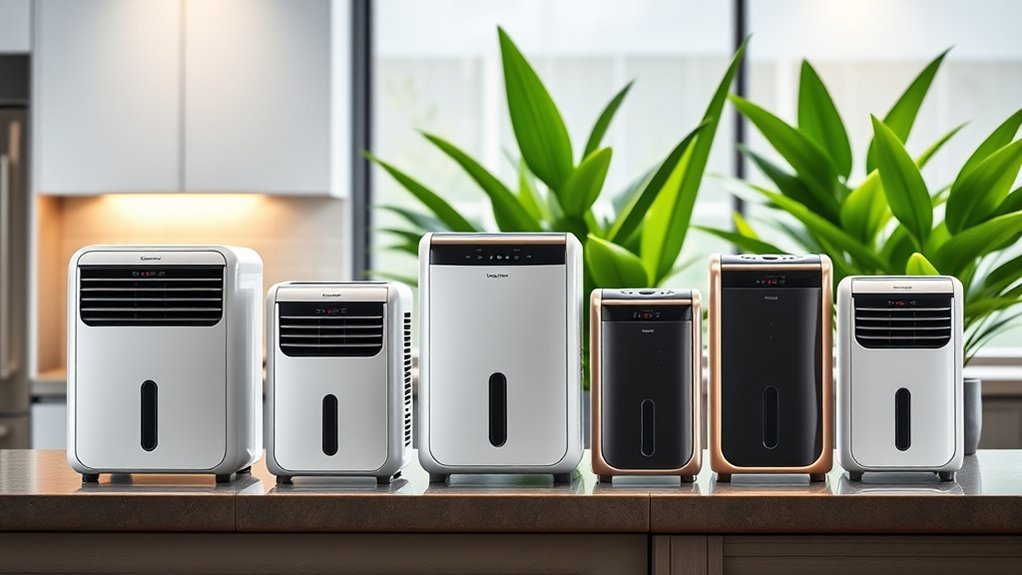
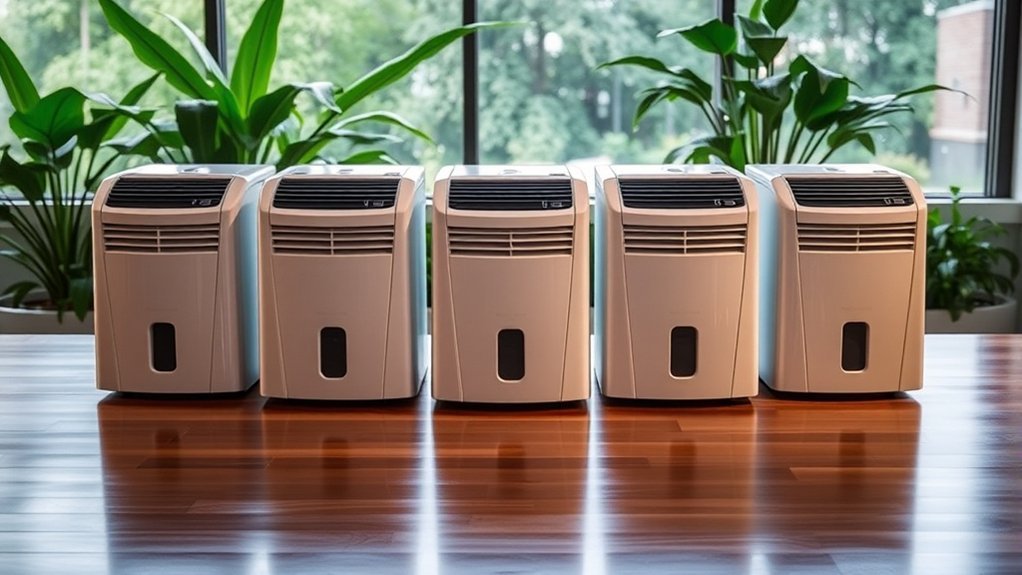
If you are comparing portable dehumidifiers for an Australian bedroom, bathroom, wardrobe, caravan, or other small enclosed space in 2026, focus on realistic daily extraction rather than oversized floor-area claims. After checking the supplied product set, the two compact models below are the clearest matches for mild, localised moisture control. Neither should be ordered until the current seller confirms a compatible power supply and Australian electrical compliance.
Affiliate disclosure: This article contains Amazon affiliate links. If you buy through a link, we may earn a commission at no extra cost to you.
Important for Australian buyers: These links lead to Amazon.com listings. Before ordering, ask the seller to confirm the exact model, input voltage, frequency, supplied plug or power adaptor, Regulatory Compliance Mark where applicable, warranty region, and shipping terms. Do not connect a 110–120V-only appliance to an Australian outlet.
Capacity note: Both remaining products are compact semiconductor models. They are intended for mild condensation and localised moisture in small enclosed areas, not water ingress, widespread mould, a wet basement, or whole-home humidity control.
Quick answer: The OWAAE 95 oz Dehumidifier is the more convenient choice when you want a larger tank and two operating speeds. The Lonxfy 35 oz Dehumidifier is better for a very small room, wardrobe, or caravan where compact size and low stated noise matter most.
Do not buy by square-foot coverage alone. Compare the claimed millilitres collected per day, the test temperature and humidity, tank size, room temperature, ventilation, and the severity of the moisture problem.
Key Takeaways
- Only use a model after confirming its power supply is suitable for Australia and the supplied electrical equipment meets local requirements.
- Compact semiconductor dehumidifiers remove far less water than full-size compressor models.
- The OWAAE has the larger tank and higher claimed collection rate, while the Lonxfy is smaller and easier to place.
- Neither model should be relied on for leaks, rising damp, severe condensation, or fast laundry drying.
- A full-tank shut-off helps prevent overflow, but the tank still needs regular cleaning and emptying.
Quick Comparison
| Product | Best for | Claimed collection | Tank | Drainage | Amazon |
|---|---|---|---|---|---|
| OWAAE 95 oz Dehumidifier Larger-tank compact pick |
Small bedrooms, bathrooms, wardrobes, caravans | Listing claims up to 1 L/day; conditions not clearly established | 95 oz (about 2.8 L) | Removable tank | Check Current Amazon Listing |
| Lonxfy 35 oz Dehumidifier Best for very small spaces |
Wardrobes, small bedrooms, home offices, caravans | Up to 300 ml/day at the listing’s stated warm, humid test conditions | 35 oz (1,000 ml) | Removable tank | Check Current Amazon Listing |
Quick verdict: Choose the OWAAE when a larger tank, two speeds, and a higher claimed collection rate are more useful than minimum size. Choose the Lonxfy for a very small enclosed area where a compact body and simple sleep-mode operation are the priorities.
Compatibility comes first: If the current product or power-adaptor label does not explicitly support the Australian supply and required compliance, skip the listing rather than relying on a plug-shape adapter.
OWAAE 95 oz Dehumidifier
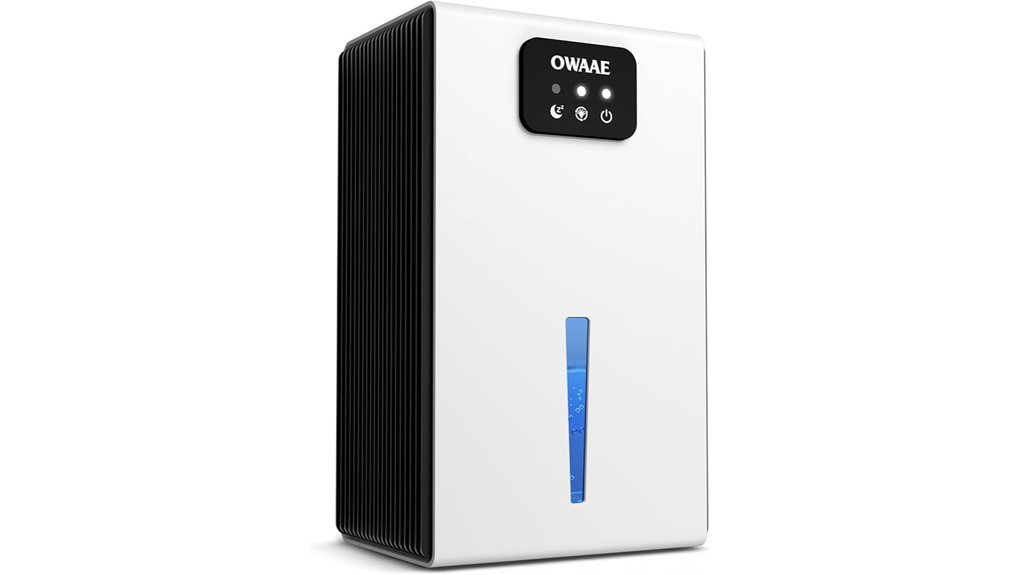
Best Larger-Tank Compact Option
The OWAAE compact dehumidifier combines a 95 oz water tank with two fan speeds, a sleep mode, automatic full-tank shut-off, a built-in handle, and seven-colour lighting. Those features make it easier to live with in a small bedroom, bathroom, wardrobe, caravan, or other enclosed area where the moisture problem is mild.
The listing claims up to 1 litre of collection per day and coverage up to 1,000 sq ft. Treat both figures cautiously. Compact semiconductor output changes sharply with room temperature and relative humidity, and a headline coverage number does not show how quickly the unit can lower humidity in a real room.
Why You May Like It
- The 95 oz tank can reduce how often you empty the unit compared with many mini models.
- Two speeds let you choose between stronger airflow and quieter operation.
- Sleep mode and the stated sub-30 dB noise claim may suit a bedside or study area.
- Automatic shut-off helps reduce overflow risk when the tank becomes full.
Who Should Buy This: Buyers who want a compact, tank-based unit for occasional moisture control in a small enclosed space and can confirm the exact power-adaptor and Australian compliance details before purchase.
Who Should Avoid This: Buyers dealing with severe condensation, wet building materials, water ingress, multiple damp rooms, or anyone who cannot verify electrical compatibility and warranty coverage.
Pros:
- Larger tank than many compact semiconductor models.
- Two fan speeds and a dedicated sleep mode.
- Automatic shut-off and a built-in carrying handle.
- Simple operation without needing a floor drain.
Cons:
- The claimed 1,000 sq ft coverage is not a reliable sizing guide for a compact unit.
- The claimed daily collection rate lacks clearly stated test conditions in the supplied listing copy.
- No continuous drain or smart-home controls are stated.
- Australian voltage, plug or adaptor compliance, seller warranty, and local service remain unconfirmed.
Lonxfy 35 oz Dehumidifier with Sleep Mode
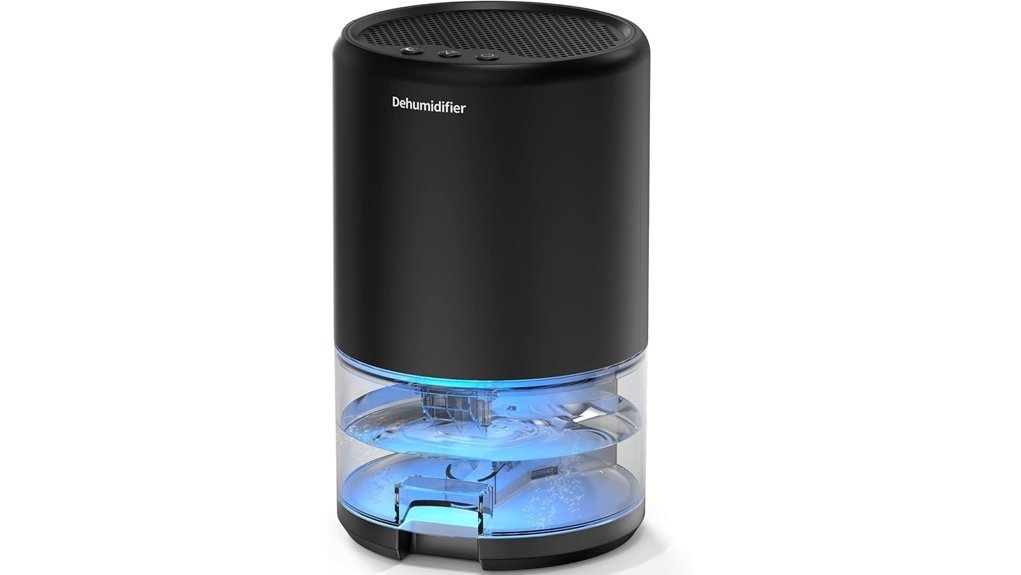
Best for a Very Small Bedroom or Wardrobe
The Lonxfy H2105 is a small semiconductor dehumidifier with a 35 oz (1,000 ml) tank. The listing states moisture collection of up to 10 oz (about 300 ml) per day under warm, humid test conditions, along with approximately 30 dB operation, sleep mode, automatic shut-off, a built-in handle, and seven-colour ambient lighting.
This is the better fit when easy placement matters more than high extraction. It may help with mild localised dampness in a small bedroom, wardrobe, home office, or caravan, but it is not a practical substitute for a compressor dehumidifier in a laundry, garage, large bedroom, or persistently wet room.
Why You May Like It
- The narrow, lightweight body is easier to place on a stable shelf, desk, or bench.
- Sleep mode is designed for lower-noise operation during rest or study.
- Automatic full-tank shut-off helps prevent spills.
- The listing’s 36 W rating is modest, although real energy use depends on run time and operating mode.
Who Should Buy This: Buyers who need modest moisture collection in a very small enclosed area and can verify the supplied power adaptor, Australian plug arrangement, compliance, and warranty before ordering.
Who Should Avoid This: Buyers expecting rapid drying, whole-room control in a large space, hose drainage, or meaningful performance in a cold room.
Pros:
- Compact footprint and built-in handle.
- Sleep mode and a stated operating level around 30 dB.
- Automatic shut-off when the tank fills.
- Simple tank-based operation for very small spaces.
Cons:
- Low daily extraction compared with compressor dehumidifiers.
- The 350 sq ft coverage claim should not replace capacity-based sizing.
- Tank requires manual emptying and routine cleaning.
- Australian electrical compatibility, supplied-plug compliance, and local warranty support are not established.
Factors to Consider When Choosing a Portable Dehumidifier in Australia
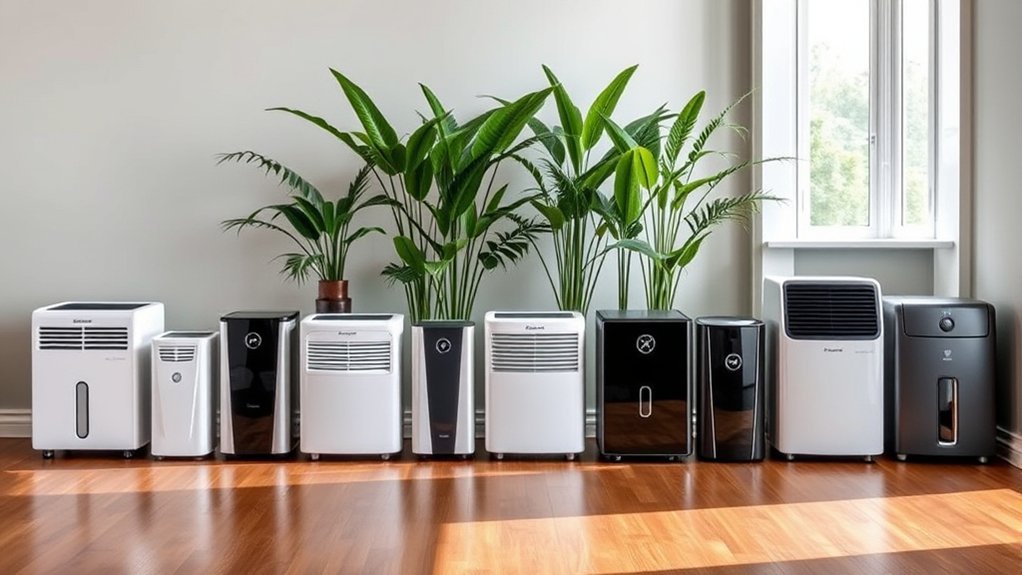
The right dehumidifier depends on the electrical supply, moisture load, daily extraction, room temperature, drainage, tank size, noise, placement, and warranty. A compact model can be useful in the right setting, but it should not be selected by a large advertised coverage number alone.
Australian Voltage, Plug, and Compliance
Ask the current seller for a clear photograph of the product and power-adaptor rating labels. The input must explicitly support the Australian supply, and the supplied electrical equipment should meet applicable Australian requirements. A plug-shape adapter does not convert voltage and does not prove that an imported appliance is compliant.
For a compact unit with an external power adaptor, check both sides of the system: the adaptor’s input specification and the dehumidifier’s low-voltage input. Also confirm the plug type, Regulatory Compliance Mark where applicable, seller location, warranty region, return costs, and availability of a replacement adaptor.
Daily Extraction Matters More Than Coverage
Daily extraction tells you more than a headline floor-area claim. The Lonxfy listing states up to 300 ml per day under warm, humid test conditions. The OWAAE listing claims up to 1 litre per day, but the supplied copy does not clearly establish the test conditions. In a cooler or less humid room, actual collection can be much lower.
For a wardrobe, caravan, small bathroom, or bedside area with mild moisture, a compact semiconductor model may be sufficient. For repeated window condensation, indoor laundry drying, damp building materials, or a larger room, look for a locally supported compressor or desiccant model with a clearly stated litres-per-day rating.
Semiconductor vs. Compressor vs. Desiccant
Semiconductor or Peltier dehumidifiers are compact and usually quieter, but they remove relatively little water. Compressor dehumidifiers are more effective in warm, persistently damp rooms, although they are larger and noisier. Desiccant dehumidifiers can be more suitable for consistently cool rooms, but they may use more electricity and produce warmer outlet air.
Noise Levels and Bedroom Use
Compare noise figures only when the fan setting and test method are stated. A low decibel claim does not account for vibration, water dripping into the tank, changing fan speed, or how close the unit sits to the bed. Place the dehumidifier on a firm, level surface with the required clearance around its air intake and outlet.
Energy Use and Running Cost
Low wattage does not automatically mean good value. A mini dehumidifier may need to run continuously while collecting only a small amount of water. Compare the wattage, likely daily run time, and claimed litres or millilitres removed. A correctly sized humidistat-controlled unit may cycle off after reaching the target, while an undersized model may run without solving the problem.
Tank Size and Drainage
Both remaining products use removable tanks rather than continuous hose drainage. A larger tank reduces emptying frequency, but it does not increase the machine’s extraction rate. Check that the unit shuts off reliably when full, remove the tank carefully to avoid spills, and clean it regularly to prevent odour or residue buildup.
Placement and Portability
Keep the unit upright on a stable, level surface and follow the manufacturer’s clearance instructions. Do not block the air intake or outlet, place the appliance where it can be splashed, or run the cable where it creates a trip hazard. In a caravan, secure the unit before travel and use it only from a suitable power supply while stationary.
Fix the Source of Moisture
A dehumidifier manages moisture in the air; it does not repair leaks, failed waterproofing, blocked vents, rising damp, or inadequate bathroom extraction. Investigate the cause when condensation returns quickly, mould spreads, walls feel wet, or the room has a persistent musty smell.
Before You Buy Checklist
- Confirm the exact brand, model number, and current seller.
- Request a clear photograph of the product and power-adaptor rating labels.
- Confirm Australian input compatibility, plug arrangement, and applicable compliance marking.
- Compare claimed daily extraction and the conditions used to measure it.
- Match the technology to the moisture problem: semiconductor for mild local dampness only.
- Check tank size, full-tank shut-off, cleaning access, and replacement-adaptor availability.
- Review noise, dimensions, cord length, placement clearances, return policy, and warranty region.
- Investigate leaks, ventilation, and building damp before relying on an appliance.
Frequently Asked Questions
Can I Use a US Dehumidifier in Australia?
Only when the exact product and its power supply explicitly support the Australian electrical supply and meet applicable local requirements. Do not connect a 110–120V-only appliance directly to an Australian outlet. A plug-shape adapter changes the physical connection but does not convert voltage or confirm compliance.
Are Mini Dehumidifiers Effective?
They can help with mild, localised moisture in a small enclosed area, especially when the room is warm and humid. They are not suitable for water damage, a large wet room, widespread condensation, or a moisture source that has not been repaired.
How Large a Room Can a Compact Dehumidifier Handle?
There is no reliable answer based on floor area alone. Compare the claimed millilitres collected per day, test conditions, room temperature, ventilation, ceiling height, and how much moisture enters the space. For compact models, smaller enclosed spaces are more realistic than the largest advertised coverage figure.
How Often Should I Empty the Tank?
Empty the tank whenever the full indicator appears or before it will sit unused. In warm, humid conditions, a small tank may require frequent emptying. Rinse and dry the tank regularly and make sure it is seated correctly before restarting the unit.
Can I Use a Compact Dehumidifier in Winter?
Yes, if the room remains within the manufacturer’s stated operating range. Semiconductor output generally falls as temperatures drop. A desiccant model may be more suitable when a room stays consistently cold.
What Maintenance Is Required?
Unplug the unit before cleaning. Empty and rinse the tank, wipe the air intake and outlet, clean any removable filter according to the manual, inspect the cable and adaptor, and let the tank dry before storage. Do not immerse the appliance or power adaptor in water.
What Humidity Level Should I Target?
A moderate target around 45%–55% relative humidity is a practical starting point for many living spaces. Adjust it according to comfort, room temperature, condensation, and the appliance instructions. Avoid forcing the humidity lower than necessary because that can increase run time without adding a useful benefit.
Conclusion
The OWAAE 95 oz Dehumidifier is the stronger compact option in this reduced shortlist when tank capacity and a higher claimed daily collection rate matter most. The Lonxfy 35 oz Dehumidifier is easier to place in a wardrobe, very small bedroom, home office, or caravan, but its lower extraction limits it to mild moisture problems.
For an Australian purchase, the final decision should come only after the current seller confirms the exact model, power input, adaptor, plug arrangement, applicable compliance, warranty region, and return terms. Skip either listing when those details are missing or unclear. For serious or persistent dampness, choose a locally supported compressor or desiccant dehumidifier with a verified litres-per-day rating instead of relying on a mini unit.
Final recommendation: Consider the OWAAE for a small room when you want the larger tank, or the Lonxfy for a very small enclosed space where compact size matters more than extraction.
Before clicking through: Treat both as conditional candidates only. Verify the rating label, Australian electrical suitability, compliance, warranty, and current listing details before ordering from Amazon.com.