
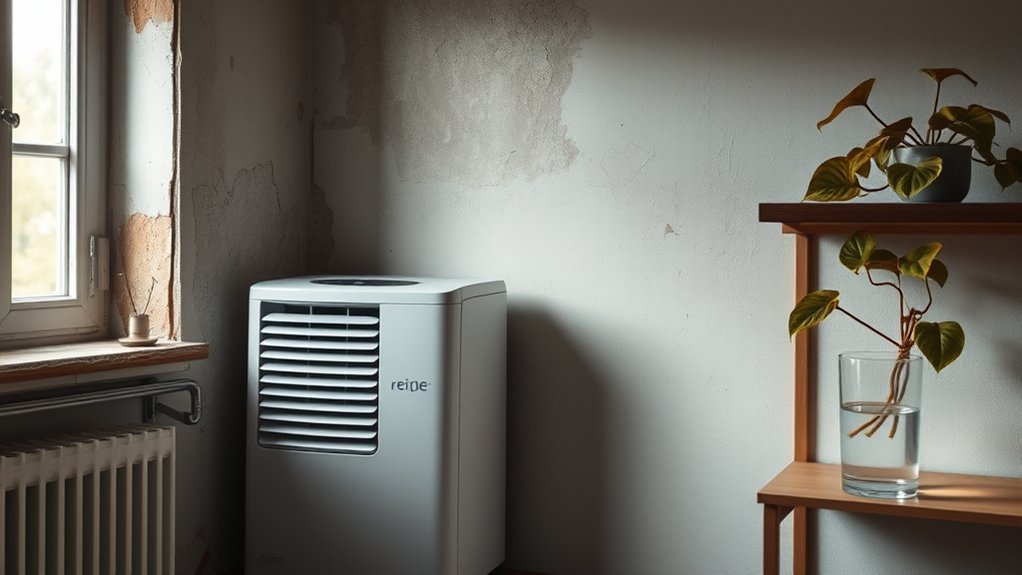
Can a dehumidifier cause damage to your home or health? Yes, it can if it is set too low, runs when the room is already dry, is poorly maintained, has blocked airflow or drainage, or develops an electrical fault. The main risks are overly dry air, irritated skin or airways, stress on wood floors and furniture, musty buildup inside a dirty unit, and fire or shock hazards from damaged or recalled models. For most homes, the goal is controlled moisture, not the lowest humidity possible.
Quick Answer
A dehumidifier can cause health or home problems when the humidity target is set too low, the unit is dirty, airflow or drainage is blocked, or the appliance has an electrical fault. For most homes, aim for about 30% to 50% relative humidity, follow the model-specific cleaning schedule, and check older units against current recall notices before use.
Key Takeaways
- The safest target for most homes is about 30% to 50% indoor relative humidity. Avoid letting rooms stay below 30% or above 50% for long periods.
- Dry skin, irritated sinuses, nosebleeds, static shocks, or cracking wood can mean the unit is pulling out too much moisture.
- A dirty tank, clogged filter, or stagnant drain hose can create musty odors and turn the appliance itself into a moisture problem.
- Portable dehumidifiers need extra attention because recalled or damaged units can create fire, overheating, or electrical hazards.
- Use a hygrometer, clean the unit on a schedule, and stop using the dehumidifier if it overheats, smells burnt, leaks near cords, or appears on a recall list.
At a Glance
| Time Required | Check humidity daily while you are learning how the room behaves. Empty the bucket as needed and clean the unit on the schedule in the owner’s manual. |
| Difficulty | Easy for humidity checks, bucket care, filter care, and external drain checks. Electrical or sealed-system faults need qualified service. |
| Tools Needed | Hygrometer, owner’s manual, soft cloth, and only the cleaning supplies or replacement filter approved for your model. |
| Cost | The EPA says humidity meters are generally available for less than $50. Filter, hose, and repair costs vary by model. |
Can a Dehumidifier Cause Damage to Your Health?
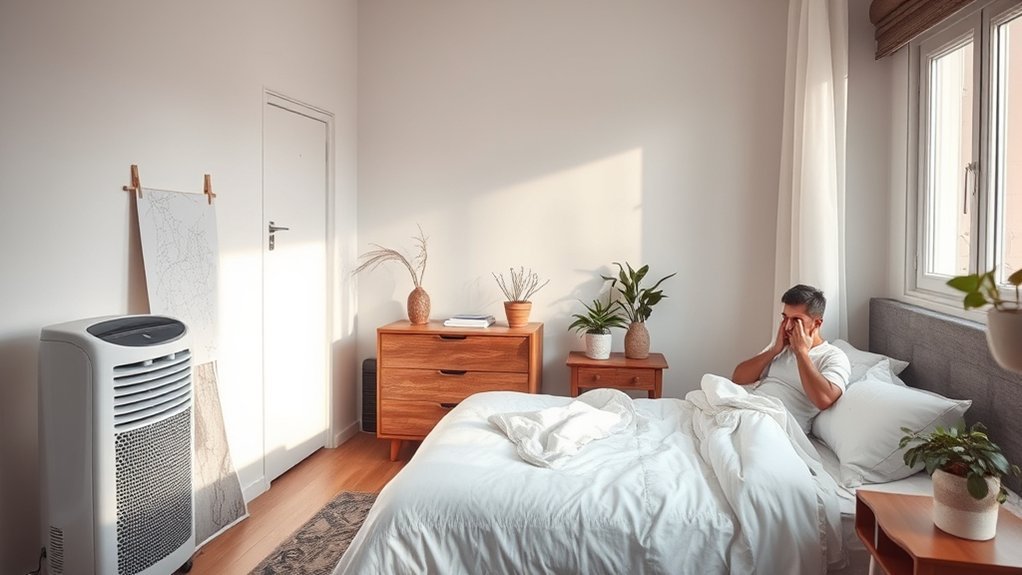
Yes, a dehumidifier can contribute to discomfort or respiratory irritation if it makes the room too dry or if the unit itself stays dirty and damp. Low humidity can dry the skin and the lining of the nose and throat. A neglected bucket, clogged filter, or stagnant drain line can also develop musty buildup, so the appliance should not become another source of indoor moisture or biological pollutants.
A dehumidifier is not a medical treatment for asthma, eczema, allergies, or mold-related illness. If you have ongoing coughing, wheezing, shortness of breath, nosebleeds, skin flares, or symptoms that improve when you leave the home, talk with a health professional and inspect the home for moisture or mold problems. Our guide on whether a dehumidifier can make you sick covers the symptoms in more detail.
The U.S. Environmental Protection Agency says moisture control is the key to mold control and recommends keeping indoor humidity below 60%, ideally between 30% and 50%. The CDC advises keeping home humidity no higher than 50% all day to help prevent mold growth.
Warning: Stop using a dehumidifier right away if it smells burnt, overheats, sparks, trips a breaker, leaks near cords, or appears in the U.S. Consumer Product Safety Commission recall database. Unplug it and follow the recall or manufacturer instructions.
Safe Indoor Humidity Range for a Dehumidifier
For most homes, set your dehumidifier to keep indoor relative humidity around 30% to 50%. This range is dry enough to reduce condensation and mold risk, but not so dry that the air feels harsh. In colder weather, you may need to stay closer to 30% to 40% to reduce window condensation. In humid weather, 45% to 50% often feels more comfortable.
Do not chase the lowest number possible. Very dry air can cause dry skin, irritated eyes and airways, a sore throat, and nosebleeds. If the room drops below about 30%, raise the target instead of continuing to dry the air. If the room stays above 50% to 60%, musty odors, condensation, dust mites, and mold are more likely to become a problem.
Use a separate hygrometer if your dehumidifier does not show a reliable humidity reading. Place it away from the unit’s air outlet, direct sunlight, bathrooms during showers, and open windows. Check the reading at least once a day until you know how your room behaves.
Quick Check: Is Your Dehumidifier Helping or Hurting?
Use the humidity reading first, then match it to what you notice in the room. This keeps you from treating every cough, odor, or dry-skin flare as a dehumidifier problem when the real cause may be dust, mold, ventilation, or a medical issue.
| Humidity Reading | Likely Meaning | Best Next Step |
|---|---|---|
| Below 30% | The air may be too dry for comfort. | Raise the set point, shorten run time, or turn the unit off until humidity recovers. |
| 30% to 50% | This is the usual target range for many homes. | Keep monitoring, empty the bucket, and clean the filter on schedule. |
| Above 50% to 60% | The room may still be damp enough for mold or musty odors. | Close windows, improve airflow, check for leaks, and confirm the unit is sized correctly. |
| Normal reading, symptoms remain | The cause may not be humidity. | Check dust, mold, cleaning products, ventilation, pets, and medical causes. |
How Low Humidity Affects Your Home and Body
When indoor humidity drops too low, the air can become uncomfortable. Dry indoor conditions are associated with irritation of the skin and upper airways, including dryness of the nose and throat. Your home can react too because wood, paint, trim, and flooring change as moisture conditions change.
| Area | What You May Notice | What to Do |
|---|---|---|
| Body | Dry skin, cracked lips, irritated sinuses, nosebleeds, scratchy throat, or dry cough. | Raise the set point, shorten run time, and keep humidity above about 30%. |
| Home | Wood gaps, creaking floors, cracked trim, peeling paint, or furniture movement. | Use a hygrometer and avoid running the unit nonstop in already-dry weather. |
| Air quality | Less damp smell, but more dust movement or static if the air is too dry. | Balance moisture control with cleaning, ventilation, and filter maintenance. |
Drier is not always better. The goal is balanced indoor air, not the driest possible air.
Signs Your Dehumidifier Is Over-Drying the Air
If your dehumidifier is set too low, you may feel the problem before you see it on the display. A room that feels sharp, dusty, or uncomfortable may already be below the target range. Confirm it with a hygrometer instead of guessing.
Dry Skin and Sinuses
Dry skin, itchy eyes, cracked lips, frequent nosebleeds, a dry cough, or irritated sinuses can all be clues that the air is too dry. Check the hygrometer rather than assuming the dehumidifier is the cause. Over-drying is more likely when the unit runs nonstop, Continuous mode is selected, the humidity target is set too low, or the built-in humidistat is reading differently from the room.
If you have asthma, eczema, chronic sinus trouble, or allergies, do not use symptoms alone to diagnose the problem. Check the humidity reading and speak with a clinician if symptoms are persistent, severe, or new.
Low Humidity Warning Signs Around the Room
Your home can also warn you. Look for static shocks, gaps in wood flooring, cracking trim, shrinking cabinet panels, or plants drying faster than usual. If these signs appear while your hygrometer reads below 30%, raise the humidity target or turn the unit off until the room returns to a safer range.
Note: A built-in humidistat measures air at or near the appliance, so its reading can differ from a separate gauge elsewhere in the room. Compare both readings before changing the set point.
How to Prevent Mold and Bacteria Growth
A dehumidifier helps with mold prevention only when it is clean and the moisture source is controlled. The EPA explains that mold will not grow without water or moisture, so the real goal is to fix leaks, dry wet materials quickly, and keep humidity in the proper range.
- Empty the bucket when needed. Do not let collected water sit for days. Empty it when full and follow the manual for rinsing or cleaning.
- Inspect the bucket regularly. Clean visible residue or odor using only methods and cleaners approved for the model, then let the bucket dry before reinstalling it.
- Clean or replace the filter as directed. Filter type and maintenance intervals are model-specific, so use the owner’s manual rather than a universal schedule.
- Check the drain hose. If you use continuous drainage, make sure the hose follows the model’s routing instructions, does not kink, and does not hold stagnant water.
- Keep coils and grilles clear. Dust and dirt reduce airflow and can make the unit work harder.
- Dry the unit before storage. Empty the bucket, service the filter as directed, and let removable wet parts dry before putting the unit away.
Pro Tip: Put a recurring reminder on your phone to inspect the bucket, filter, grilles, and drain path. Use the interval in your owner’s manual, and shorten it if the room is dusty or the unit develops residue or odor.
Recommended Products

ULTRA ABSORBENT QUICK DRY TOWEL: Our highly absorbent towel is made from sponge-like synthetic chamois PVA material that sucks up and holds onto water, drying surfaces faster than cloth towels. The ultimate chamois towel & drying towels for cars.

4-GALLON RECTANGULAR CLEANING BUCKET: Great for a variety of cleaning tasks and designed with a large opening to accommodate most mop styles and sizes
Why Portable Dehumidifiers Need Extra Care
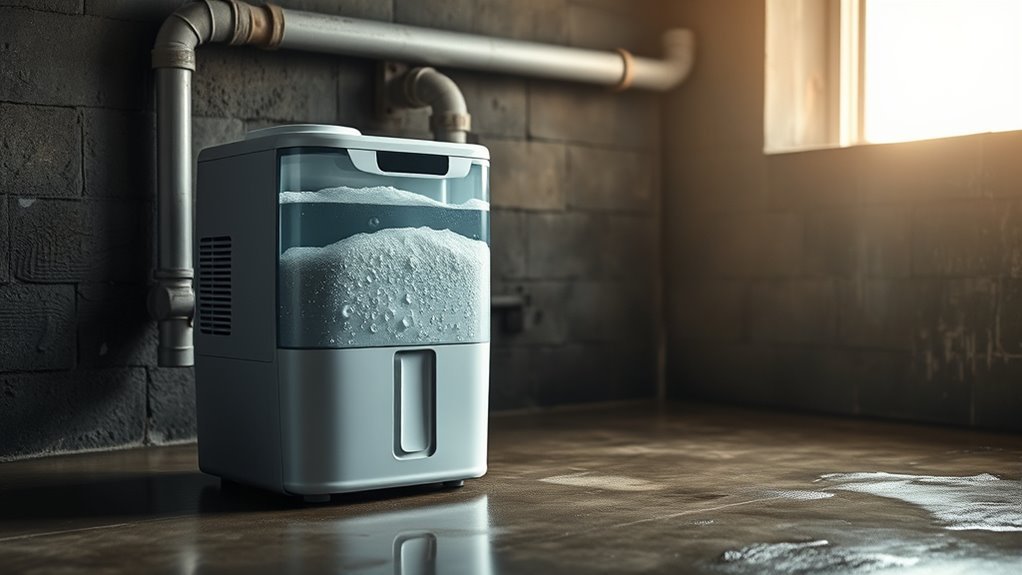
Portable dehumidifiers are useful because you can move them where moisture is worst, such as a basement, laundry room, or damp bedroom. They also need more hands-on care because the bucket, filter, cord, drain hose, and heat output are all in the room with you.
Do not assume a bucket-full shutoff protects you from every risk. Many portable units shut off when the bucket is full, but that is not the same as protection from a damaged cord, blocked airflow, overheating defect, or recalled product. ENERGY STAR notes that portable units work best when air can circulate freely around the unit and when doors and windows to the space are closed during operation.
Recall checks matter because some dehumidifier recalls involve serious overheating and fire hazards. The CPSC dehumidifier recall page reports more than 2,000 overheating incidents and about 450 fires involving certain recalled Gree-manufactured dehumidifiers, with more than $19 million in property damage and four deaths potentially associated with recalled units. CPSC also separately recalled about 1.56 million Gree dehumidifiers in 2023. Check the brand, model number, and date code before running an older unit. For a broader safety overview, see whether dehumidifiers are a fire risk.
- Check recalls before use. Search the brand and model number in the CPSC recall database, especially for older units.
- Use a properly grounded outlet. Do not use a loose receptacle or damaged cord, and follow the model’s manual before using any extension cord.
- Keep airflow open. Follow the owner’s manual for clearance around the intake and exhaust.
- Keep drainage away from electricity. Do not route a drain hose near cords, power strips, outlets, or electrical panels.
- Watch for heat and odor. Warm air near the outlet can be normal, but burning smells, smoke, or unusual heat are not normal.
When a Whole-House Dehumidifier Makes Sense
You should consider a whole-house dehumidifier when humidity problems affect several rooms, not just one basement corner. Whole-house systems connect to central air ducts and are installed by an HVAC professional. According to ENERGY STAR, properly sized and installed whole-home dehumidifiers can improve comfort, save energy, and help prevent mildew and bacterial growth in homes that stay humid.
Recommended Products

32-Pint Daily Capacity for Spaces up to 2,500 Sq. Ft. — Designed to manage ambient moisture in large living spaces, finished basements, and storage areas. This unit removes up to 32 pints of water vapor every 24 hours under test conditions of 95°F and 90% RH, helping promote a more balanced indoor air environment across areas up to 2,500 sq. ft

【The Undisputed Champion — Industry-Leading Dehumidifier Brand】When you choose AEOCKY, you get double market validation. According to data independently verified by Stackline, a leading third-party data analytics company, AEOCKY was an industry‑leading dehumidifier brand on Amazon U.S. in 2025. This means you’re not just choosing a flagship product from a market leader, but a top-performing brand backed by independent market data and trusted by millions of real users, delivering the ultimate combination of performance, quality and trust.

2500 Sq. Ft Dehumidifier - SEMKAP dehumidifier for basement features a quiet, high-performance compressor that removes up to 32 pints of moisture per day (at 95°F, 90% RH). Ideal for basements, offices, bathrooms, bedrooms, kitchens, stockrooms, living rooms, laundry rooms, garages, crawlspaces, or RVs. It helps maintain optimal humidity between 40%–60%RH for healthier, more comfortable living
Signs Whole-House Control May Help
A whole-house dehumidifier may make sense if you notice these signs across the home:
- Humidity readings stay above about 55% in several rooms.
- Musty odors return after you clean.
- Windows, walls, ducts, or closets collect condensation.
- You see mold or mildew in more than one area.
- Portable units fill quickly but never solve the main problem.
- Your central air conditioner cools the home but leaves it feeling damp.
Benefits Over Portable Units
A whole-house unit can control moisture more evenly across multiple rooms and typically uses a dedicated drain, which removes the need to empty a portable bucket. ENERGY STAR says properly sized and installed whole-home dehumidifiers can increase comfort and save energy in suitable homes. The tradeoff is cost: whole-house systems need correct sizing, duct planning, drainage, and professional installation.
If only one small room is damp, a portable unit may be enough. If the whole home feels damp, or if mold and condensation keep coming back, a whole-house option is worth discussing with a qualified HVAC contractor.
How to Use a Dehumidifier Safely
Safe dehumidifier use comes down to four habits: measure the air, set the right target, place the unit correctly, and keep it clean. Do not run it blindly for a fixed number of hours every day. Let the humidity reading guide you.
Recommended Products

Semiconductor dehumidifiers use thermoelectric cooling to remove moisture from the air. They create a drier, more comfortable environment by reducing humidity and improving air quality.

Powerful Dual Semiconductor Dehumidification: This compact dehumidifier removes up to 23 oz (700ml) of moisture per day under 86°F and 85% RH test conditions. Featuring advanced dual semiconductor technology for improved moisture collection, helping create a more comfortable environment in bedrooms, bathrooms, closets, basements, cabinets, RVs, and other enclosed spaces up to 500 sq.ft. (Note: Warm air from the outlet is normal during operation)
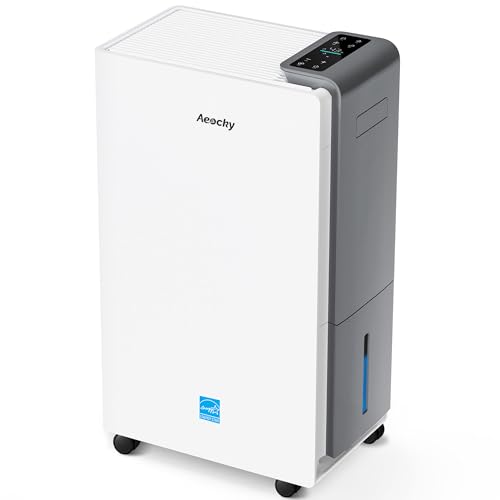
【ENERGY STAR 25 ≠ ENERGY STAR Most Efficient 2025】Don't fall for competitors' word games. With only 2.6% of ENERGY STAR models earning "Most Efficient 2025" title, these options are exceptionally rare on the market. RHEA-001 is one of the few to truly hold this top-tier certification. Many brands use misleading phrases like "Energy Star Efficient 25" or "Energy Star 25" to imply a standard they haven't met. Choosing them is a risk.With AEOCKY, you get verified performance and the peace of mind of authentic, top-tier efficiency.
Set the Right Humidity and Run Time
Start with a target of 45% to 50% in a damp room. If condensation remains, lower the setting slightly. If the room feels dry or the hygrometer drops below 30%, raise the setting or turn the unit off. A model with a humidistat can cycle on and off automatically once the room reaches the target.
How many hours you run it depends on the moisture load. A wet basement may need long daily runs at first. A bedroom may need only a few hours during humid weather. Once the room reaches the target range, the unit should cycle instead of running nonstop.
Do not deliberately undersize the appliance to avoid over-drying. ENERGY STAR says it is better to oversize than undersize for moisture-removal capacity. The safer control against over-drying is a sensible humidity set point and a working humidistat that lets the unit cycle off when the target is reached.
Place the Unit Correctly
Place the dehumidifier on a level surface with enough clearance for airflow. Keep it away from walls and furniture unless your manual says the discharge design allows wall placement. Close exterior doors and windows while it runs so you are not pulling in fresh humid air.
Do not place the unit where a child can tip it over, where bedding blocks airflow, or where the drain hose crosses a walkway. If you use a hose, route it to a proper drain and keep it away from electrical cords and outlets.
Clean the Tank, Filter, and Drain Path
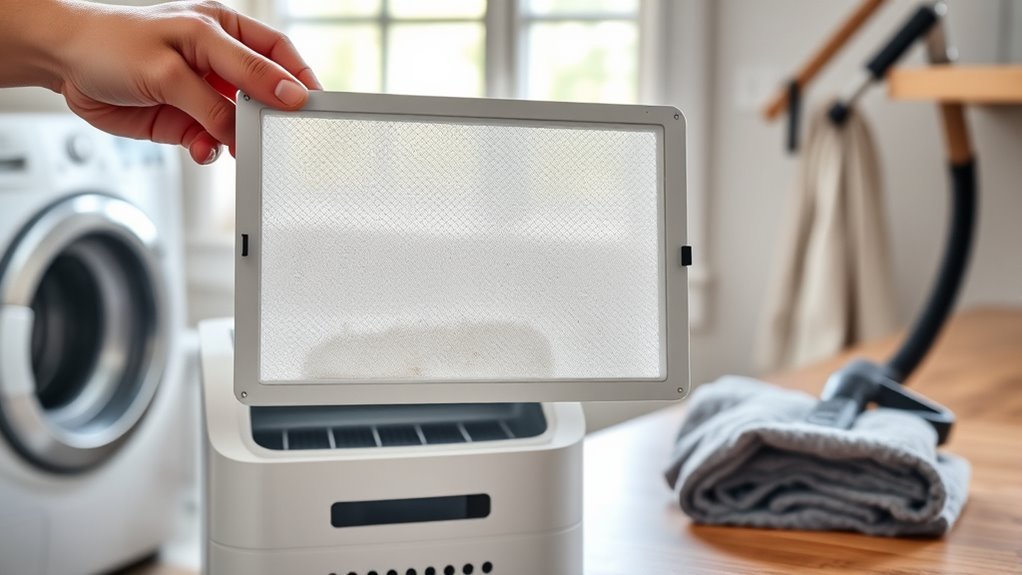
Empty the tank whenever it fills. Inspect and clean the tank, filter, grille, and drain path on the schedule in the owner’s manual, and check them sooner if the room is dusty or the unit develops residue or a musty odor. If the appliance smells musty, stop and clean the user-serviceable parts before using it again.
Troubleshooting Common Dehumidifier Problems
| Problem | Likely Cause | Fix |
|---|---|---|
| Humidity does not drop | Unit is undersized, windows are open, airflow is blocked, or moisture source remains. | Close windows, clear airflow, fix leaks, and check whether the unit capacity fits the space. |
| Tank does not fill | Room is already dry, temperature is too low, filter is clogged, or compressor is not working. | Check the hygrometer, clean the filter, confirm the temperature range, and inspect the manual. |
| Ice or frost forms | On compressor models, frost can form when the room is colder than the manual’s minimum, often about 41°F (5°C). | Turn it off and let it defrost. If the space is usually colder, use a model specifically rated for lower temperatures. |
| Musty smell | Dirty tank, clogged filter, stagnant drain hose, or hidden room mold. | Clean the unit and inspect the room for leaks, damp materials, or visible mold. |
| Unit gets very hot or smells burnt | Electrical fault, blocked airflow, failing part, or recalled model. | Unplug it, stop using it, and check recalls or contact the manufacturer. |
When to Stop Using It or Call a Professional
Stop using the dehumidifier and get help if the unit leaks near electrical parts, sparks, smells burnt, trips a breaker, or has a damaged cord. For mold cleanup, the EPA says areas smaller than about 10 square feet can often be handled by the homeowner, while larger areas, extensive water damage, contaminated water, suspected HVAC contamination, or serious health concerns may require professional guidance.
A dehumidifier can reduce moisture, but it cannot fix a roof leak, plumbing leak, foundation drainage issue, or contaminated HVAC system. If humidity stays high after correct setup, the home may need repair, ventilation, drainage work, or HVAC evaluation.
Frequently Asked Questions
How many hours a day should you run a dehumidifier?
Run it long enough to bring the room into the target range, usually about 30% to 50% relative humidity. A damp basement may need long runs at first, while a bedroom may need only short runs during humid weather. Use the humidistat or a separate hygrometer instead of relying on a fixed number of hours.
Can my dehumidifier be making me sick?
It can contribute to symptoms if it makes the air too dry or if the unit is dirty. Dry air may irritate your skin, throat, nose, or sinuses. A dirty bucket, filter, or drain hose may smell musty and reduce indoor air quality. Clean the unit, check the humidity reading, and get medical advice if symptoms persist.
Can a dehumidifier grow mold inside?
A neglected dehumidifier can develop musty buildup in the bucket, filter area, grille, or drain hose because those parts stay damp. Empty the bucket when needed and clean user-serviceable parts as directed by the owner’s manual. If the odor returns after cleaning, inspect the room for hidden damp materials or mold.
Are dehumidifiers bad for the lungs?
A clean, correctly set dehumidifier is not usually bad for the lungs. Problems are more likely when air gets too dry, mold remains in the home, or the machine is dirty. Keep humidity in range, clean the unit, and talk with a clinician if you have asthma, chronic lung disease, or worsening breathing symptoms.
What symptoms mean the air is too dry?
Dry skin, cracked lips, scratchy throat, irritated sinuses, nosebleeds, static shocks, or cracking wood can mean the room is too dry. Check the hygrometer. If the room is below about 30% relative humidity, raise the set point or turn the dehumidifier off for a while.
Should you sleep with a dehumidifier running?
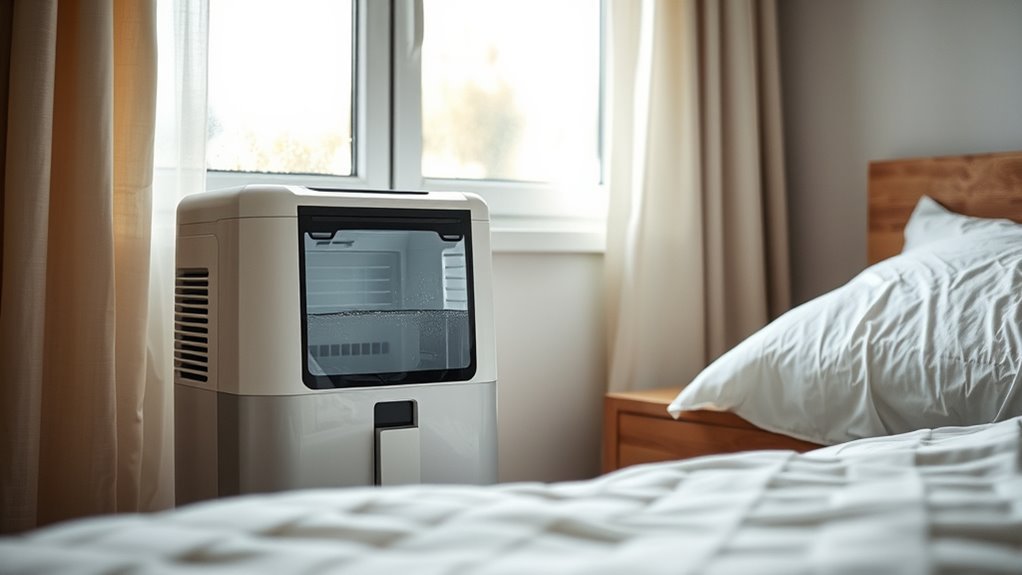
You can sleep with one running if the unit is clean, placed safely, and set to a comfortable humidity target. Keep it away from bedding, make sure airflow is not blocked, and avoid letting the room fall below 30%. If noise or dry air bothers you, run it before bedtime instead.
Conclusion
A dehumidifier can protect your home from dampness, mold growth, and musty air, but only when you use it with control. Keep indoor humidity near 30% to 50% for most homes, avoid over-drying, maintain the tank, filter, and drain path according to the owner’s manual, and check older units for recalls. If the machine smells burnt, overheats, leaks near cords, or does not control moisture after proper setup, stop using it and investigate the deeper problem instead of simply running it longer. For a general checklist, see are dehumidifiers safe to use at home.
Sources
- U.S. Environmental Protection Agency: A Brief Guide to Mold, Moisture and Your Home — backs moisture control, mold prevention, and indoor humidity guidance.
- U.S. Environmental Protection Agency: Mold Course, Chapter 2 — backs the 30% to 50% ideal humidity range and humidity-gauge guidance.
- CDC: Mold — backs mold health effects, humidity control, and mold-prevention steps.
- ENERGY STAR: Dehumidifiers — backs dehumidifier sizing, placement, whole-home systems, humidity targets, and efficiency guidance.
- Health Canada: Addressing Moisture and Mould in Your Home — backs 30% to 50% indoor humidity guidance and basement dehumidifier use.
- U.S. Consumer Product Safety Commission: Dehumidifiers — backs dehumidifier recall and fire-hazard guidance.
- U.S. Environmental Protection Agency: Mold Cleanup in Your Home — backs the roughly 10-square-foot cleanup threshold and when professional help may be appropriate.


[…] a broader safety check, review these dehumidifier warning signs before leaving a suspect unit in […]