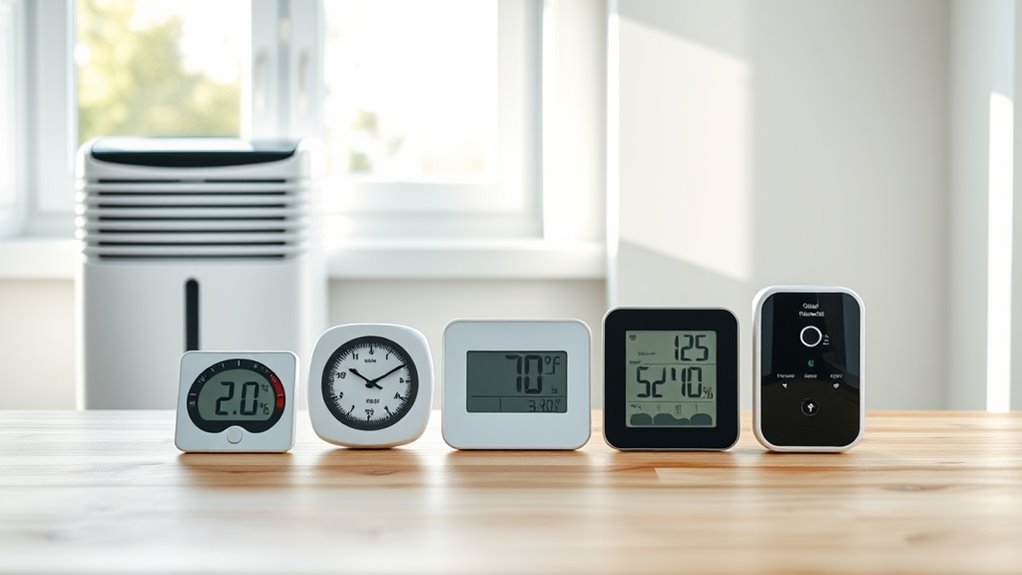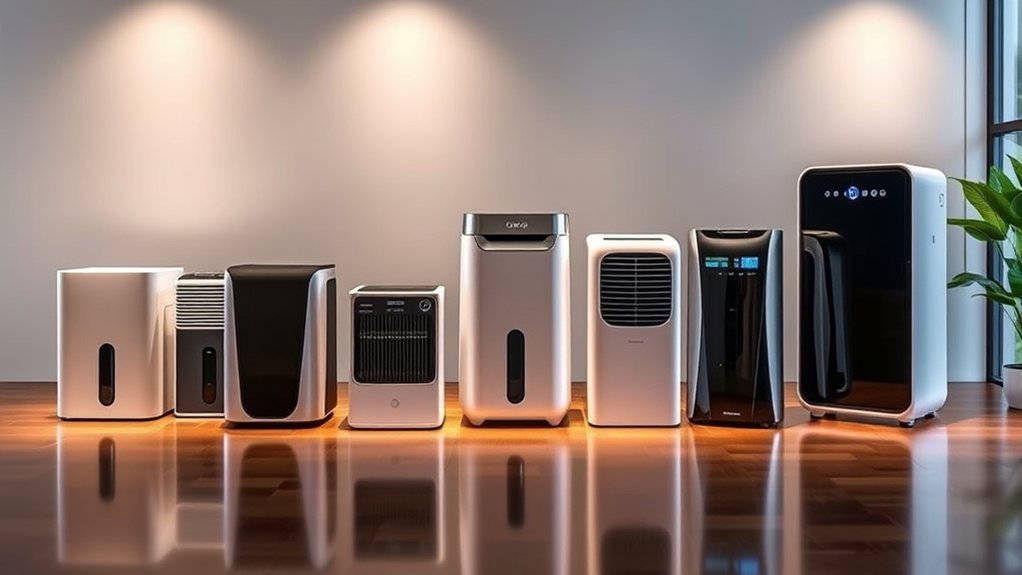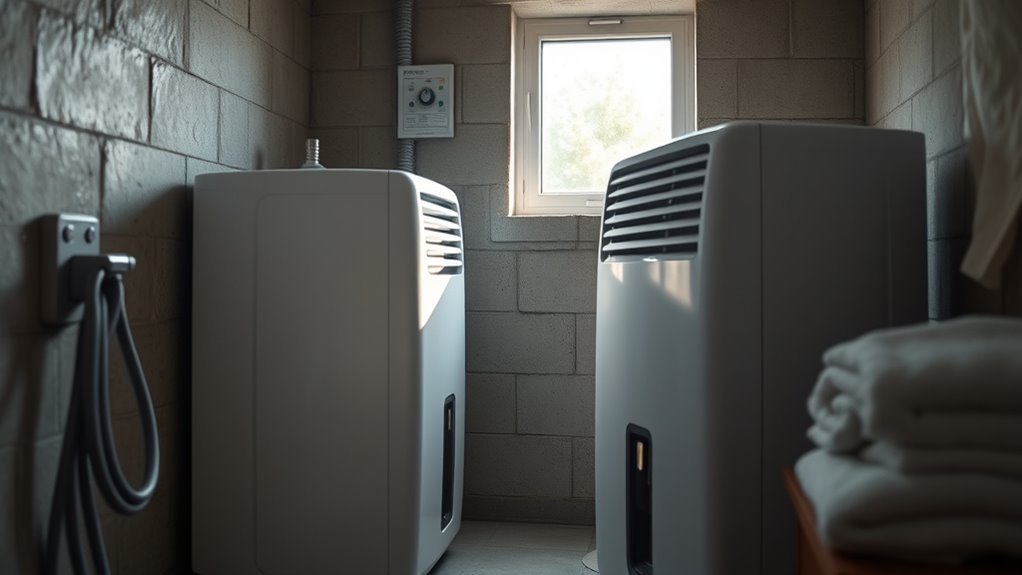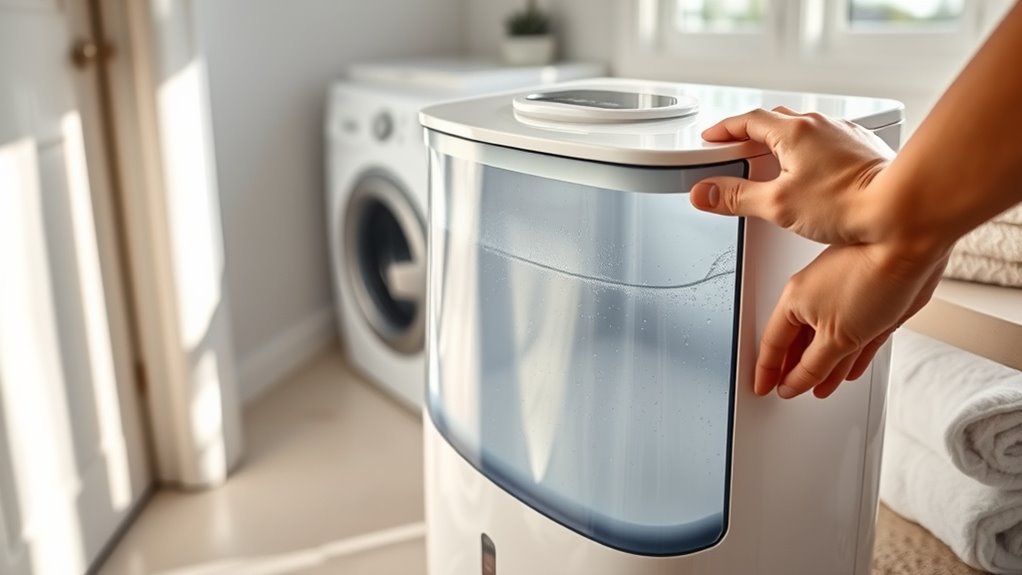
A portable dehumidifier should be emptied whenever its collection bucket becomes full. There is no single schedule that works for every room or model. During the first few days, check the bucket at least daily and more often in a very damp basement, laundry area, or recently flooded space. You can then adjust the routine based on how quickly your unit actually collects water.
Last updated: August 19, 2026
Quick Answer
Empty a portable dehumidifier whenever its bucket is full, not by a fixed 24- or 48-hour rule. Check the bucket at least daily during the first few days and more often in a very damp space. Your real interval depends on humidity, room conditions, bucket size, and how much water the unit actually collects.
Key Takeaways
- Use the full-bucket light or automatic shutoff as your main signal to empty the tank.
- Measure water collection for 12 or 24 hours before choosing a routine.
- High humidity, wet materials, air leaks, and a low humidity setting can make the bucket fill faster.
- A unit’s pints-per-day rating is not the same as its bucket capacity.
- Use a gravity drain or built-in pump when frequent manual emptying becomes inconvenient.
- Clean the bucket regularly with mild detergent and water to reduce odors and buildup.
At a Glance
| Time Required | About 2–5 minutes to empty; several hours of monitoring to establish a routine |
| Difficulty | Easy |
| Tools Needed | Optional hygrometer; mild detergent and a soft cloth for cleaning |
| Cost | Usually no added cost; an optional hose or hygrometer depends on the model and setup |
How Often Should You Empty a Dehumidifier?
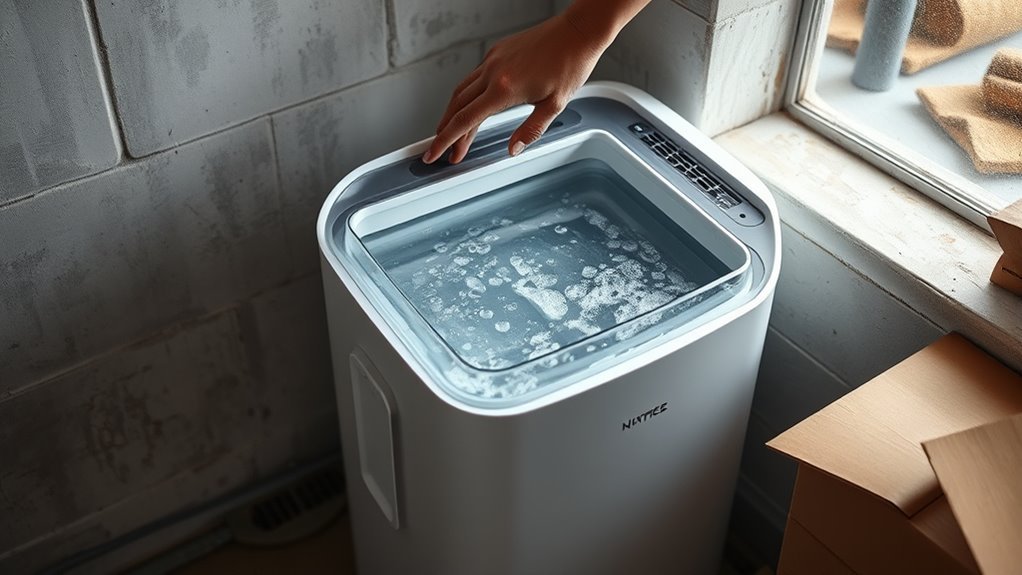
Empty your dehumidifier when its bucket reaches the full line or the full-bucket indicator turns on. Most portable models have an automatic shutoff that pauses moisture collection when the bucket is full, helping prevent an overflow during normal operation. The unit will usually remain off until you empty and correctly reinstall the bucket.
A 24- to 48-hour interval may happen in some homes, but it should not be treated as a rule. One unit may fill several times in a day while drying a wet basement, while another may run for several days in a room that is already near its humidity target.
ENERGY STAR explains that room dampness, room size, operating temperature, unit capacity, and the selected relative-humidity setting all affect performance. The most reliable schedule is therefore based on your own room and machine.
Pro Tip: Empty the bucket, note the time, and inspect it after 6, 12, and 24 hours during the first day of normal use. This shows whether you need several checks per day, one daily check, or a less frequent routine.
How to Estimate Your Emptying Interval
- Empty and reinstall the bucket correctly.
- Set the unit to the humidity level you normally use.
- Keep nearby doors and windows closed while it runs.
- After 12 or 24 hours, measure or estimate how much water the bucket contains.
- Repeat the test on a second day if weather or room use changes significantly.
- Choose a check time that occurs before the bucket normally reaches full capacity.
For a rough estimate, divide the usable bucket volume by the amount of water collected over 24 hours. If the bucket reaches about half full in 24 hours under stable conditions, for example, plan to check it again before roughly another 24 hours have passed. Actual performance will change as the room dries or outdoor humidity changes. If you are trying to judge whether the amount itself is normal, see our guide to how much water a dehumidifier should collect per day.
There is no universal emptying schedule. The correct interval is the time your specific bucket takes to fill under your normal room conditions.
What Makes a Dehumidifier Fill Faster?
A bucket fills faster when the unit has more moisture to remove or when the reservoir is small compared with the unit’s extraction capacity. A fast-filling tank is not automatically a fault. It often means the room, building materials, or incoming air contains substantial moisture.
High Humidity Levels
Higher relative humidity gives the dehumidifier more water vapor to condense. Very damp basements, bathrooms, laundry areas, crawl spaces, and rooms affected by leaks can therefore produce water quickly.
Humidity is not the only factor. Wet concrete, carpets, drywall, furniture, laundry, and other materials can release moisture back into the air for many hours or days. A bucket may continue filling quickly even after the air starts to feel more comfortable.
The U.S. Environmental Protection Agency generally recommends keeping indoor relative humidity between 30% and 50% to help control moisture and mold. You do not normally need to keep lowering the setting once the room is within a suitable range.
Small Tank Capacity
A small bucket reaches its full line sooner than a large bucket when both receive water at the same rate. This is why a compact reservoir may need frequent attention even when the dehumidifier itself is working normally.
Note: A dehumidifier’s pints-per-day or liters-per-day rating describes how much water it can remove under specified test conditions. It does not describe how much water its bucket holds. Always check both specifications in the model’s manual.
Continuous Run Time
A unit set to continuous mode keeps attempting to remove moisture instead of cycling off at a selected humidity level. In a damp room, that can fill the bucket sooner and increase the number of manual emptying trips.
Continuous mode can be useful during initial drying, but after the room reaches the desired humidity, switch to a humidistat setting unless the manufacturer recommends otherwise. The unit can then cycle on and off instead of running unnecessarily.
Room Temperature, Airflow, and Moisture Sources
Temperature affects how a refrigerant dehumidifier performs. ENERGY STAR notes that frost can form on some units in rooms below about 65°F, reducing moisture removal unless the model is designed for lower-temperature operation or includes automatic defrost.
Open windows, exterior doors, plumbing leaks, foundation seepage, unvented clothes drying, showers, and cooking can also add moisture. Close windows and doors while the unit runs when outdoor air is humid. Use bathroom and kitchen exhaust fans that vent outdoors, and repair water leaks rather than relying on the dehumidifier alone.
How Can You Tell the Tank Is Full?
Most portable dehumidifiers provide one or more clear signs:
- Full-bucket light: An indicator appears on the control panel.
- Automatic shutoff: The unit stops dehumidifying when the bucket reaches its full limit.
- Water-level window: A clear section of the bucket shows the level.
- Display message or code: Some electronic models show a bucket warning.
- Failure to restart: The unit may stay off if the bucket is full, missing, tilted, or not seated correctly.
If the unit stops unexpectedly, inspect the bucket before assuming there is an electrical or compressor problem. Empty it, check that the float moves freely, and slide the reservoir fully into place.
How to Empty and Clean a Dehumidifier Bucket
Warning: Turn the dehumidifier off before removing the bucket. Unplug it before washing the bucket, cleaning the cabinet, clearing a drain, or performing other maintenance. Keep water away from the plug, cord, controls, and electrical outlet.
- Turn the unit off. Wait for the fan and compressor to stop.
- Pull the bucket out carefully. Support it with both hands because a full reservoir can be heavy and may slosh.
- Pour out the water. Use a sink, toilet, floor drain, or another suitable household drain.
- Inspect the bucket. Look for slime, mineral residue, cracks, a stuck float, or a damaged handle.
- Clean it when needed. Use clean water and a small amount of mild detergent. Swish or wipe the inside, then rinse thoroughly.
- Dry the outside. Wipe moisture from the bucket exterior so water does not drip into the cabinet or onto the floor.
- Reinstall it securely. Push the bucket into its normal position until it sits flat and the warning light turns off.
GE Appliances recommends regularly cleaning the bucket to reduce mold, mildew, bacteria, and odors. Follow your own model’s manual because bucket parts, floats, filters, and approved cleaners vary.
What Happens If You Wait Too Long?
When the bucket becomes full, most portable dehumidifiers stop collecting moisture. Indoor humidity can then rise again, especially if the room still has a leak, wet materials, or humid outdoor air entering it.
- Moisture removal pauses: The unit cannot resume normal operation until the bucket is emptied and correctly installed.
- The room may become damp again: Odors, condensation, and mold-friendly conditions can return if the moisture source continues.
- Bucket water can become stale: Water left standing may develop odors or biological buildup.
- A drainage fault may leak: A cracked bucket, unlevel unit, blocked hose, or loose hose connection can allow water onto the floor.
Automatic shutoff normally protects against a simple bucket overflow. However, it should not replace regular checks, especially when the unit is near finished flooring, stored belongings, or electrical equipment.
How Many Days Between Emptying?
The interval may range from several hours to several days. Use the following check routine as a starting point, not as a guaranteed fill schedule:
| Situation | Initial Check Routine | What to Do Next |
| New unit or unknown fill rate | Inspect after 6–12 hours and again at 24 hours | Set a routine based on the measured water level |
| Very damp basement or active drying | Check every few hours at first | Consider continuous drainage if the bucket repeatedly fills |
| Stable room near the humidity target | Check daily until the pattern is predictable | Extend the interval while continuing to watch the full light |
| Continuous gravity or pump drainage | Verify flow during the first operating cycle | Inspect the hose, bucket, and drain regularly for leaks or blockage |
Recheck the interval when seasons change, after heavy rain, when you begin drying laundry indoors, or after a plumbing or foundation leak. A routine that works in a dry month may not work during a humid period.
How Can You Reduce Emptying Frequency?
You can reduce manual emptying by changing the drainage setup and lowering the room’s moisture load:
- Use continuous gravity drainage. Connect an approved hose and route it continuously downhill to a floor drain or sump.
- Use a built-in pump. A pump model can move water to a higher drain, sink, or other location within the manufacturer’s height and hose-length limits.
- Fix moisture sources. Repair leaks, direct downspouts away from the foundation, dry wet materials, and vent bathrooms and dryers outdoors.
- Close windows and doors. Keep humid outdoor air from continuously entering the room while the unit runs.
- Choose the correct capacity. A severely undersized unit may run continuously without bringing the room to the selected humidity.
- Use a reasonable set point. Once the room reaches a suitable range, let the humidistat cycle the compressor instead of using continuous mode indefinitely.
- Clean the air filter and grilles. Restricted airflow can reduce performance and extend drying time.
Fans can improve air circulation around damp materials, but a fan alone does not remove water vapor from the building. Use exhaust ventilation only when it moves moist air outdoors, and open windows only when outside air is drier than the indoor air.
Recommended Products

【The Undisputed Champion — Industry‑Leading Dehumidifier Brand】When you choose AEOCKY, you get double market validation. In 2025, AEOCKY was an industry‑leading dehumidifier brand on Amazon US. This means you’re not just choosing a flagship from a market leader, but the top choice proven by millions of real users—representing the ultimate combination of performance, quality, and trust.

High capacity moisture removal - Extracts 145 pints daily at 95°F and 90% RH; effectively covers up to 6,500 sq ft; features a 90° auto swing function and 3 adjustable speeds for uniform circulation; ideal for large basements to eliminate dampness
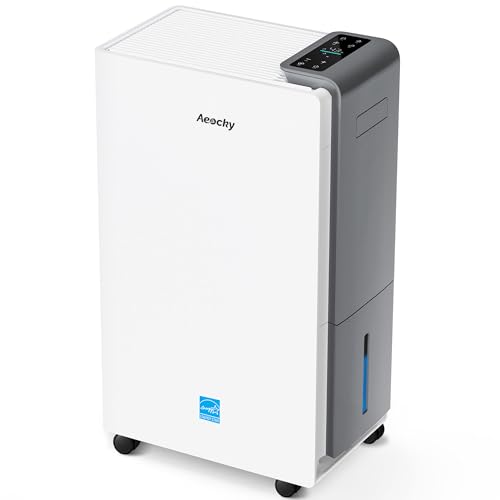
【ENERGY STAR 25 ≠ ENERGY STAR Most Efficient 2025】Don't fall for competitors' word games. With only 2.6% of ENERGY STAR models earning "Most Efficient 2025" title, these options are exceptionally rare on the market. RHEA-001 is one of the few to truly hold this top-tier certification. Many brands use misleading phrases like "Energy Star Efficient 25" or "Energy Star 25" to imply a standard they haven't met. Choosing them is a risk.With AEOCKY, you get verified performance and the peace of mind of authentic, top-tier efficiency.
Continuous Drainage Options
Recommended Products

Multi-Purpose Hose, 6ft Cut-to-Fit:This 6-foot hose is designed for various applications, including dehumidifier drainage and gardening tasks. It can be easily cut to the desired length for flexible use. Please confirm the required length before purchase.

[Convenient] This drain hose automatically drains water from the dehumidifier to the drain for uninterrupted use.

MULTIFUNCTIONAL UNIVERSAL DRAIN HOSE: This drain hose has multiple uses, in addition to being suitable for dehumidifier drainage, it is also suitable for air conditioner drainage as well as being suitable for a variety of gardening tasks. Additionally our dehumidifier drain hose can be cut to your desired length to customize it for different situations.
Gravity Drainage
Gravity drainage works only when the hose outlet is lower than the dehumidifier’s drain port. Keep the hose short, straight, and free of upward loops or kinks. The end should remain above any standing water in the receiving drain.
GE Appliances’ drainage guidance explains that a gravity hose should run downward toward a floor drain. The exact hose size, adapter, and installation steps depend on the model, so check the owner’s manual before connecting anything.
Pump Drainage
A built-in condensate pump is useful when water must travel upward to a sink, window, or elevated drain. Activate the pump according to the controls in the manual and stay within the specified vertical lift and hose-length limits.
Even with a pump, the bucket may need to remain installed because many systems collect water in the reservoir before pumping it out. Verify that the pump completes a drainage cycle before leaving the unit unattended.
Dehumidifier Emptying Troubleshooting
Recommended Products

Better Compatibility and Leak Free Design: this universal dehumidifier hose features an elastic rubber adapter with a secure connecting clamp, ensuring a tight seal with no leaks, compatible with most dehumidifiers brands (Note: please confirm your dehumidifier drain outlet size before purchasing)

Versatile Universal Hose: This 12-foot hose is designed for multiple applications, including dehumidifier drainage and a variety of gardening tasks. It can be easily cut to the desired length, offering customizable flexibility to fit your specific needs
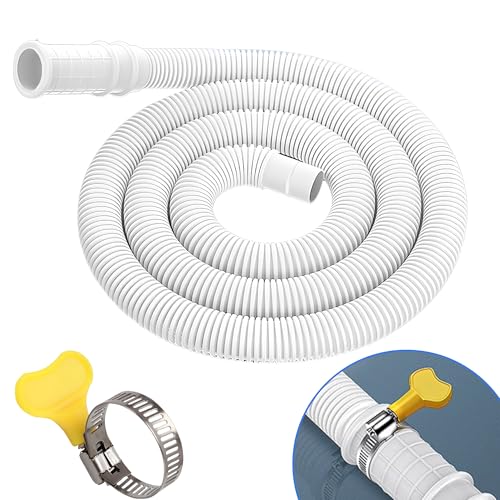
【𝐔𝐧𝐢𝐯𝐞𝐫𝐬𝐚𝐥 𝐂𝐨𝐦𝐩𝐚𝐭𝐢𝐛𝐢𝐥𝐢𝐭𝐲】This 5.25ft drain hose is compatible with most major dehumidifier and portable washing machine. The standard inner diameter fits tightly to the drain outlet, ensuring smooth and continuous drainage without leaks
The Bucket Fills Unusually Fast
- Check for a plumbing, roof, window, or foundation leak.
- Look for wet carpet, drywall, concrete, furniture, or stored materials.
- Close doors and windows if outdoor air is humid.
- Confirm that the unit is not set unnecessarily low or left in continuous mode.
- Compare the room size and dampness with the unit’s rated capacity.
Rapid collection can be normal during the first stage of drying. The rate should usually slow as the room and its contents lose moisture. If you need to evaluate the actual amount being collected, see How Much Water Should a Dehumidifier Collect Per Day?
The Dehumidifier Is Not Collecting Water
- The room may already be below the selected humidity setting.
- The bucket may be full, missing, tilted, or improperly seated.
- A connected drain hose may be carrying water directly to the drain.
- The air filter or grille may be blocked.
- The room may be too cold, causing frost or reduced extraction.
- The fan or compressor may not be operating correctly.
Reset the controls, inspect the bucket and filter, and compare the room temperature with the model’s approved operating range. Contact the manufacturer or a qualified service provider if the unit never collects water despite high humidity and correct installation.
The Full-Bucket Light Appears With a Drain Hose Connected
A full-bucket warning during gravity drainage often means water is backing up into the reservoir. Common causes include a kinked or blocked hose, an uphill section, a loose connection, a submerged outlet, or an incorrectly seated bucket.
Frigidaire notes that debris can block a drain hose and cause water to back up into the bucket. Turn off and unplug the unit before clearing the connection. For a complete diagnostic sequence, see Why Is My Dehumidifier Not Draining Through the Hose?
Frequently Asked Questions
Can you empty a dehumidifier three times a day?
Yes. Emptying it three times a day is reasonable when the bucket becomes full that often. Frequent filling may occur in a very damp room, during initial drying, or when a powerful unit has a relatively small bucket. Consider continuous drainage if the pattern continues.
Why does my dehumidifier fill up so fast?
A dehumidifier may fill quickly because the room has high humidity, wet building materials, an active leak, humid outdoor air entering the space, or a small bucket compared with the unit’s moisture-removal capacity. Fast filling is common during initial drying and should usually slow as the moisture load falls.
What happens when a dehumidifier bucket is full?
Most portable dehumidifiers stop dehumidifying when the bucket reaches its full limit. The unit normally remains stopped until the reservoir is emptied and seated correctly. Humidity can begin rising again while moisture removal is paused.
How often do dehumidifiers need emptying?
Empty the bucket whenever it is full. Check at least daily when you first start using the unit, then adjust based on its actual collection pattern. A very damp room may require several emptyings per day, while a stable room near its target humidity may take several days to fill the bucket.
Can I use a drain hose instead of emptying the bucket?
Yes, if your dehumidifier supports continuous drainage. A gravity-drain hose must follow the routing instructions in the owner’s manual and normally needs a continuous downward path to a lower drain. Pump-equipped models can move water upward within the manufacturer’s stated lift and hose-length limits.
Can you leave a dehumidifier running overnight?
Many modern units are designed to cycle automatically and shut off when the bucket is full. Follow the owner’s manual, place the unit on a level surface, keep the air intake clear, use a grounded outlet, and verify any drain hose or pump before unattended operation.
How often should you clean the dehumidifier bucket?
Inspect it whenever you empty it and wash it regularly, especially when you notice slime, residue, or odor. Use mild detergent and water unless the manufacturer specifies another method. Clean more often in warm, dusty, or continuously damp conditions.
Conclusion
Empty your dehumidifier when the bucket is full rather than relying on a universal number of hours or days. Check it at least daily during the first few uses, measure how quickly it collects water, and adjust your routine as humidity, weather, and room conditions change.
Most portable units stop automatically when the reservoir fills, but moisture removal also stops. Regular emptying, bucket cleaning, correct humidity settings, and a properly installed drain hose keep the unit operating with fewer interruptions. If the bucket repeatedly fills within a few hours, inspect the room for leaks or wet materials and consider continuous drainage.
Sources
- U.S. Environmental Protection Agency: Improving Your Indoor Environment – indoor relative-humidity guidance and moisture control
- ENERGY STAR: Dehumidifiers – bucket shutoff, drainage, humidity settings, capacity selection, and operating temperature
- ENERGY STAR: Dehumidifier Testing and Capacity – explanation of rated moisture-removal capacity
- GE Appliances: Dehumidifier Draining Options – manual emptying, gravity drainage, and pump drainage
- GE Appliances: Dehumidifier Cleaning – electrical precautions and bucket-cleaning guidance
- Frigidaire: Dehumidifier Not Draining – blocked drain hoses, water backup, and full-bucket warnings