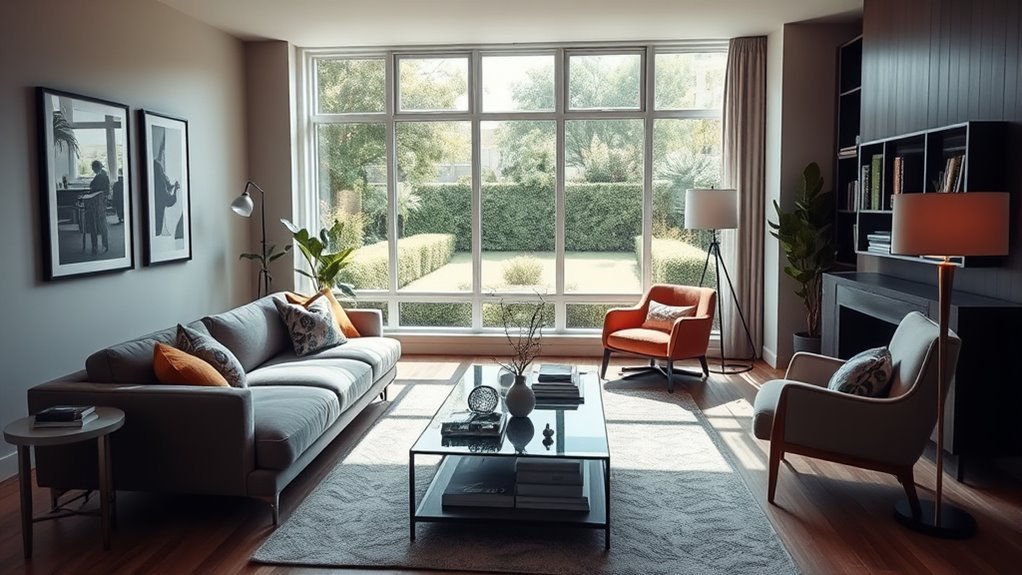
To set effective living room design goals, start with how the room needs to work before choosing colors, furniture, or decor. A strong plan should define the room’s main purpose, seating needs, traffic flow, storage, lighting, budget, style direction, and safety requirements. Once those goals are clear, every purchase and layout choice becomes easier.
Quick Answer
Set living room design goals by listing how you use the room, choosing your must-have functions, measuring the space, setting a realistic budget, planning seating and storage, and building a mood board. Prioritize comfort, clear walkways, layered lighting, and pieces that fit your lifestyle before buying decor.
Key Takeaways
- Start with function: decide whether the room is mainly for relaxing, entertaining, watching TV, reading, working, or family time.
- Measure before buying so sofas, rugs, tables, and media furniture fit without blocking doors, walkways, or windows.
- Use a budget plan that separates essentials from upgrades, then reserve money for delivery, lighting, hardware, and unexpected costs.
- Balance comfort and style with durable seating, practical storage, layered lighting, and personal details that make the room feel lived in.
At a Glance
| Time Required | 1–3 hours for planning, measuring, and mood boarding; longer if you are comparing furniture prices. |
| Difficulty | Beginner-friendly if you measure carefully and make decisions in order. |
| Tools Needed | Tape measure, notepad, phone camera, painter’s tape, budget worksheet, and a mood board tool such as Pinterest, Canva, or a simple folder of saved images. |
| Cost | Planning is free; final cost depends on whether you reuse furniture, buy secondhand, refresh decor, or replace major pieces. |
Why Setting Clear Living Room Design Goals Is Essential
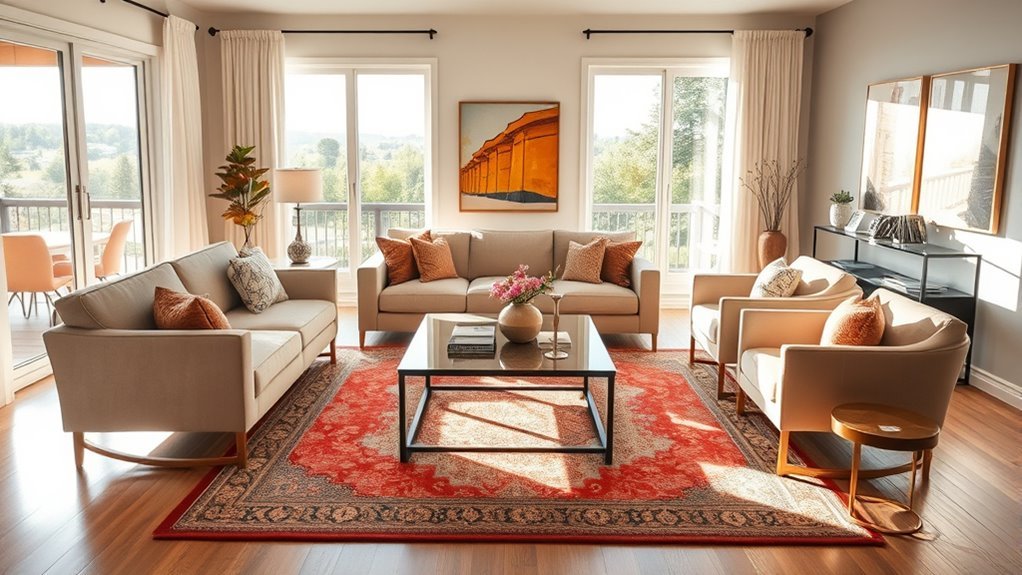
When you begin designing your living room, clear goals keep the project from becoming a random collection of attractive pieces. Instead of buying a sofa, rug, lamp, and artwork separately, you make each decision serve the same purpose: a room that fits your daily life.
Your goals should connect functionality and aesthetics. Think about how you want the room to feel, but also how it needs to perform. A beautiful living room that lacks enough seating, storage, lighting, or walking space will quickly become frustrating.
Clear goals also help with space planning. They guide traffic flow, furniture scale, seating placement, lighting layers, and the balance between open space and cozy zones. Whether your living room is formal, family-friendly, apartment-sized, or open-concept, a goal-first plan helps you create a space that looks intentional and feels easy to use.
How to Assess Your Daily Activities and Needs for the Space
Start by writing down what actually happens in your living room during a normal week. This prevents you from designing for an imaginary lifestyle instead of your real one.
Ask yourself:
- Who uses the room most? Adults, kids, guests, pets, roommates, or multiple generations?
- What are the main activities? Watching TV, reading, gaming, hosting, napping, working, playing, or quiet conversation?
- How many people need seats? Count everyday users first, then add flexible seating for guests.
- What creates clutter? Blankets, toys, remotes, books, mail, chargers, games, shoes, or pet items?
- What feels wrong right now? Too dark, too crowded, too formal, not enough storage, awkward TV angle, or no clear focal point?
Once you answer those questions, turn them into design goals. For example, “make the room cozy” becomes more useful when written as “create seating for four people, add warm lighting, include blanket storage, and keep the coffee table within easy reach.”
Note: Your living room can have more than one purpose, but it should still have a primary purpose. A room designed equally for everything often works poorly for everything.
Write Your Living Room Design Goals Before You Shop
Before you buy anything, divide your goals into three groups: must-have, should-have, and nice-to-have. This keeps the budget focused and helps you avoid impulse purchases.
| Priority | What It Means | Living Room Example |
|---|---|---|
| Must-have | The room will not function well without it. | A comfortable sofa, enough lighting, clear TV viewing, or hidden toy storage. |
| Should-have | It would improve comfort or style but can be phased in later. | A larger rug, accent chairs, dimmable lamps, or upgraded curtains. |
| Nice-to-have | It adds personality but is not essential. | Decorative trays, seasonal pillows, sculptural objects, or extra art. |
A simple goal list might look like this: “Seat five people comfortably, keep a 36-inch main walkway, reduce toy clutter, add warmer evening lighting, make the TV less dominant, and use calm neutral colors with green accents.” That is specific enough to guide real decisions.
Must-Have Features for Your Living Room
Creating a living room that feels both functional and inviting requires a thoughtful mix of comfort, storage, lighting, and personality. Start with ample seating options, such as a sofa, sectional, loveseat, accent chairs, or flexible stools, depending on the size of your room.
Pay close attention to furniture placement. Seats should encourage conversation, not force everyone to shout across the room. If the room is TV-focused, make sure the main seats face the screen comfortably without blocking walkways.
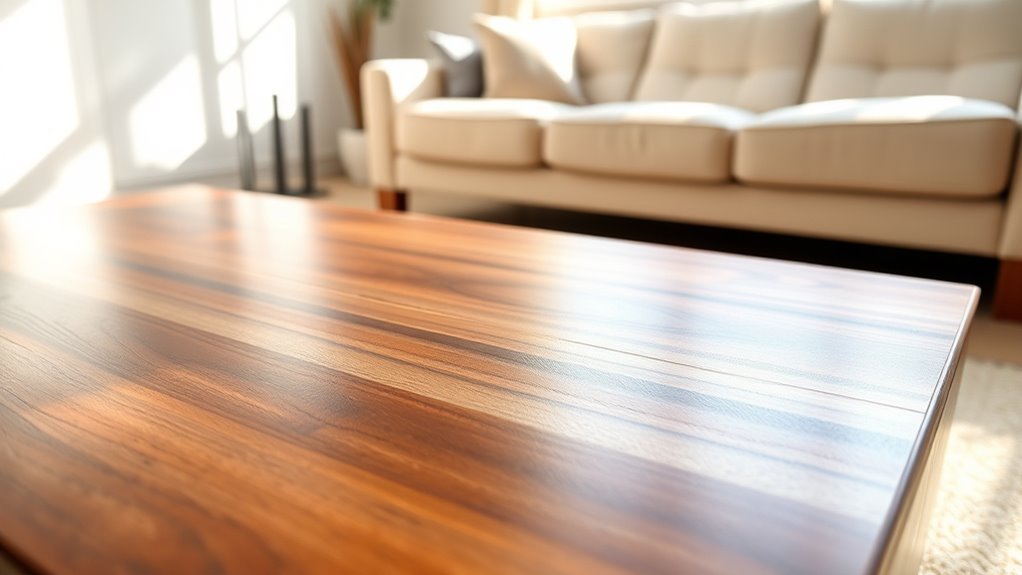
Choose versatile pieces when space is tight. Storage coffee tables, nesting tables, ottomans with lids, wall shelves, and slim console tables can add function without overcrowding the room.
Plan for adequate lighting options. The U.S. Department of Energy describes ambient lighting as general illumination, task lighting as lighting for specific activities, and accent lighting as lighting that highlights features or enhances the mood. A strong living room usually needs all three: overhead or general light, reading lamps, and accent light for artwork, shelves, or architectural details.
Finally, add personal touches such as artwork, family photos, ceramics, books, travel objects, plants, or handmade pieces. These details help the room feel like yours rather than a showroom.
Warning: If your living room includes tall bookcases, storage cabinets, dressers, or a TV on furniture, follow the U.S. Consumer Product Safety Commission’s Anchor It guidance and secure tip-prone furniture to the wall, especially in homes with children.
Recommended Products

Spacious Hidden Storage: This square coffee table comes from our LIRY Collection—cleverly conceals a 56-gallon storage compartment underneath to neatly stow away your blankets, pillows, and books, promoting your living room tidy and organized

FLUTED DESIGN: The fluted pattern on the surface of the coffee table is a perfect interpretation of modern craftsmanship, adding some three-dimensional and flowing feeling to our home space. Choosing our product can elevate your taste to a new level and make your friends amazed!

Lift Top Coffee Table: This farmhouse coffee table features a clever lift design that allows you to easily access items. You can also adjust the height of the coffee table lift top as needed (17.8"rises to 23.63"), coffee table with lifting top making it easy to work, dine, do crafts, or play games at home. You can lower the lift coffee table and use it as a coffee table or dining table to entertain guests.
Budgeting for Your Design
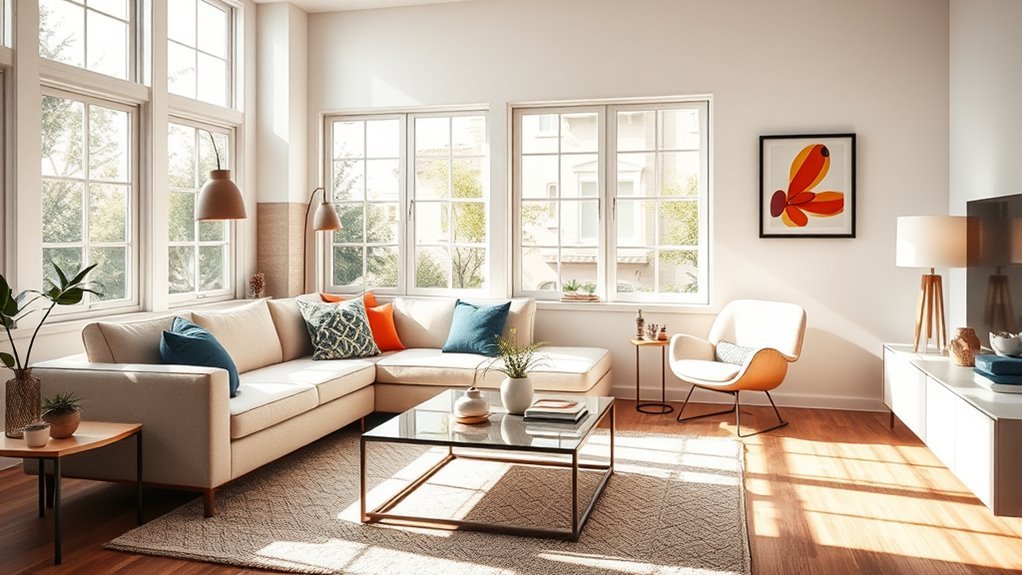
Budgeting for your living room design can feel overwhelming, but it becomes easier when you separate essential items from decorative upgrades. Start by pricing the largest functional pieces first: sofa, chairs, rug, lighting, storage, window treatments, and media furniture. Then decide what can be reused, refreshed, bought secondhand, or delayed.
The percentages below are not strict rules. They are a planning example you can adjust based on what your room needs most.
| Category | Example Share | What It Covers |
|---|---|---|
| Core Furniture | 40–60% | Sofa, chairs, coffee table, side tables, media furniture |
| Lighting & Rug | 15–25% | Floor lamps, table lamps, ceiling fixture, area rug |
| Storage & Window Treatments | 10–20% | Shelving, cabinets, baskets, curtains, shades |
| Decor & Personal Details | 10–15% | Pillows, art, throws, trays, plants, accessories |
| Contingency | 10% | Delivery, hardware, returns, repairs, extra supplies |
Remember to research discounts, compare delivery fees, and consider second-hand options for solid wood tables, vintage lamps, frames, and accent chairs. Budgeting does not limit creativity; it helps you spend where comfort and function matter most.
How to Measure Your Space for the Best Layout
Once you have a budget, measure your living room before choosing a layout. Start with the length and width of the room, then measure walls, windows, doors, outlets, vents, fireplace openings, built-ins, and any architectural features.
Next, mark the room’s movement paths. Main walkways usually feel best around 30 to 36 inches wide. If accessibility is a priority, use 36 inches as a stronger benchmark; the 2010 ADA Standards for Accessible Design use 36 inches as the general minimum clear width for accessible walking surfaces, with limited exceptions. Private homes are not automatically governed by ADA rules, but the measurement is a helpful reference for planning a more usable room.
Use these practical layout targets:
- Main walkways: aim for 30–36 inches, and choose 36 inches where mobility access matters.
- Coffee table distance: allow about 16–18 inches between the sofa and coffee table so people can reach drinks without squeezing through.
- Side tables: keep them close enough to reach from a seated position.
- Rug size: choose a rug large enough for at least the front legs of major seating pieces to sit on it.
- Door swings: keep furniture and baskets clear of door paths.
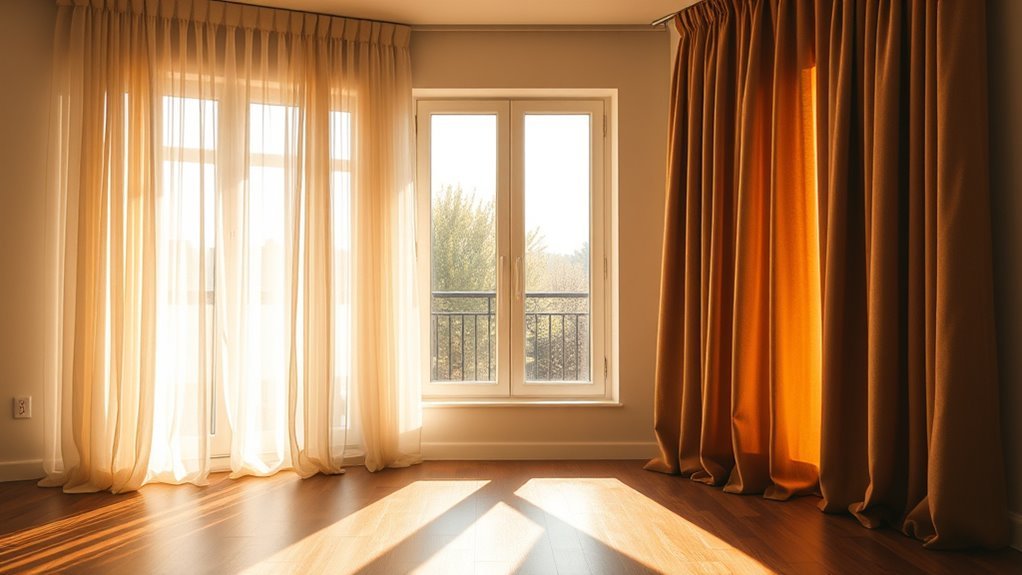
- TV and windows: check glare at the time of day you watch TV most often.
Create a scaled drawing or use painter’s tape on the floor to outline furniture sizes. This simple test can prevent expensive mistakes, especially with oversized sectionals, large coffee tables, and rugs that look big online but feel too small in the room.
Pro Tip: Before ordering a sofa or sectional, tape its full footprint on the floor and live with the outline for a day. Walk around it, open doors, sit near it, and check whether the room still feels comfortable.
Creating a Mood Board for Your Living Room Vision
As you begin designing your living room, a mood board turns scattered ideas into a clear visual direction. It helps you see whether your colors, materials, shapes, and furniture styles actually work together before you spend money.
A mood board is not just decoration inspiration. It is a decision filter that keeps your living room design goals consistent.
Build your mood board with these elements:
- Furniture style: save examples of sofas, chairs, tables, and storage pieces that match the function of your room.
- Color palette: choose a dominant color, a supporting color, and one or two accent colors. The 60-30-10 rule can help, but it is only a guideline.
- Textures and materials: include wood tones, metal finishes, upholstery, woven fibers, glass, stone, and soft textiles.
- Lighting mood: add examples of floor lamps, sconces, table lamps, or warm evening lighting.
- Personal details: include art, books, plants, family objects, or collections that make the room feel specific to you.
Use Pinterest, Canva, a saved photo album, or a simple document. Keep updating the mood board as you compare real products, paint samples, fabric swatches, and furniture dimensions.
Choosing Furniture That Balances Comfort and Style
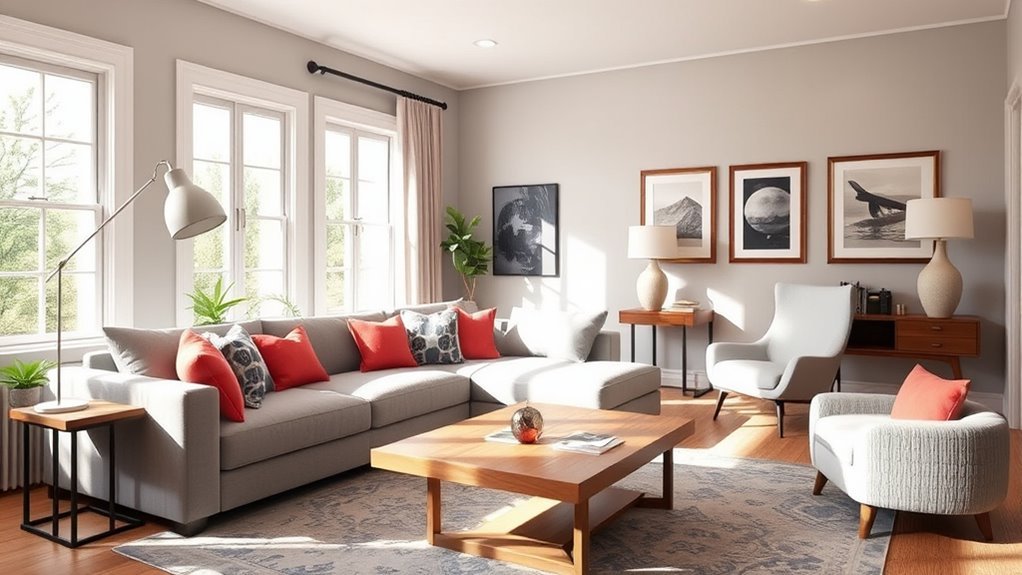
With your mood board in hand, choose furniture that supports both comfort and style. The best living room furniture looks good, fits the room, and works for the way you sit, gather, relax, and move.
Start with the anchor piece, usually the sofa or sectional. Look for a size that fits the wall or seating zone without blocking traffic. Deep, oversized seating can feel relaxed and inviting, but it may overwhelm a small room. Smaller-scale furniture with exposed legs can make an apartment or narrow room feel more open.
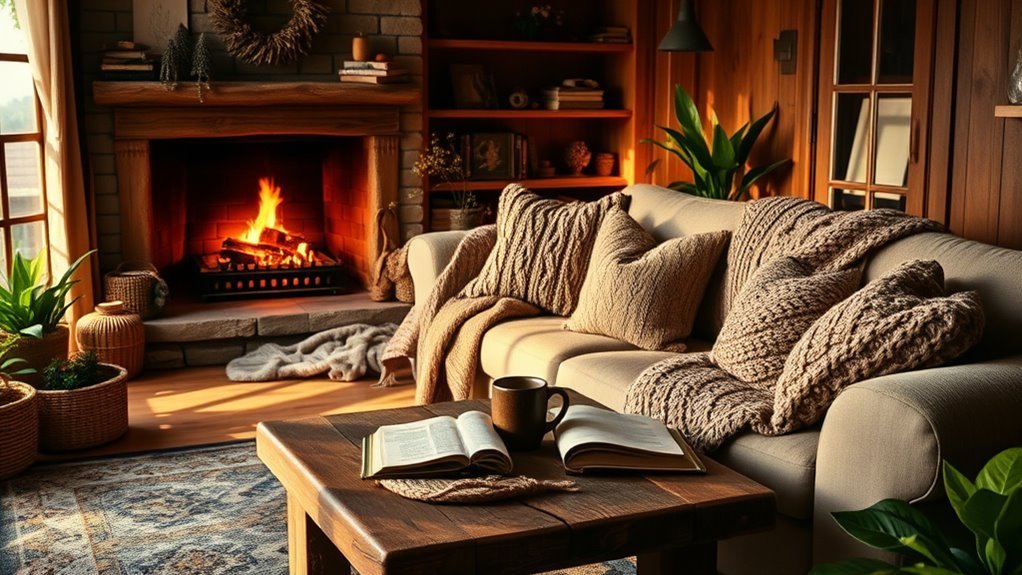
Consider multi-functional furniture if you need flexibility. A sleeper sofa can support guests, an ottoman can work as seating and storage, and nesting tables can expand when entertaining. Warm neutral colors and natural materials create a calm foundation, while pillows, throws, artwork, and smaller decor can bring in stronger personality.
Arrange seating within comfortable conversational distance whenever possible. A living room should invite people to talk, read, watch, rest, or gather without feeling stiff.
Recommended Products

Premium Corduroy Fabric & Cozy Texture Sofas & Couches :Wrapped in soft, breathable corduroy fabric, this modular sectional sofa features a delicate ribbed texture that adds warmth and modern style to any living space. The skin-friendly upholstery creates a cozy, inviting feel while offering durability for everyday use, making it the perfect corduroy couch for living rooms, apartments, bedrooms, and offices.

【Soft-Padded Wooden Armrests Combine Comfort and Durability】 The 22.80-inch high armrests offer exceptional support, perfectly cradling your arms whether you're sitting upright to read or reclining to unwind. Reinforced with a solid inner frame, they boast long-lasting durability, resisting daily wear and tear without sagging or loosening. Their smooth, rounded edges add to the ease of use, making them ideal for families of all ages while elevating the living room couch's modern, sophisticated aesthetic.

Multiple Package Issues: Multiple package may not arrive at the same time. If you have any questions about the tracking numbers or the tracking state of the sectional sleeper sofa we will help you
Lighting Goals for a Living Room That Works Day and Night
Lighting should be one of your living room design goals, not an afterthought. The room may need bright light for cleaning, focused light for reading, soft light for movies, and accent light for shelves or artwork.
The Department of Energy defines ambient lighting as general illumination, task lighting as light for specific activities, and accent lighting as light that highlights features or improves the mood. In a living room, that might look like:
- Ambient lighting: a ceiling fixture, recessed lights, or several lamps that light the room evenly.
- Task lighting: a floor lamp near a reading chair or a table lamp beside the sofa.
- Accent lighting: picture lights, shelf lights, sconces, or a small lamp that creates warmth in a dark corner.
For efficiency, the Department of Energy notes that LEDs use up to 90% less energy and last up to 25 times longer than traditional incandescent bulbs. Choose compatible dimmers when possible, and use warm light for cozy living spaces unless you need cooler light for detailed tasks.
Recommended Products

120 LED High Brightness: Equipped with 120 high-brightness LED beads, the PACOVY floor lamp delivers a powerful 18W / 1800-lumen output, providing brightness equivalent to a traditional 120W bulb while saving up to 85% energy. This led floor lamp effectively illuminates the entire workspace, making activities such as working, reading, crafting, sewing, beauty treatments, nail art, tattooing, and puzzles easier and more enjoyable

Modern Fully Dimmable(0-100%) Floor Lamp & Convenient Rotary Switch: Compared with traditional Non-dimmable floor lamps for living room, our floor lamp is fully Stepless Dimmable, which suitable for all the room style and using situation ,find the perfect light for your needs. This standing lamp is very easy to turn on and off. Just simply twist it and then you can adjust the arc floor lamps brightness what you want. 4.1FT rotary switch, which is very convenient for you to adjust it.

Super Brightness and Dimmable Floor Lamp : SUNMORY’s new LED floor lamp for living room supports stepless dimming brightness (5%-100%) and color temperature (3000K-6000K). And this is a super bright floor lamp with 32W/3000LM, providing sufficient lighting for your living room or bedroom. Whether you're reading, writing, standing lamp provide soft, bright light that's easier on the eyes. The 69" LED lights for bedroom has a slim profile that blends perfectly into any style of room decor.
Layering Your Living Room Design for Style
To create a living room that feels finished, start with the practical foundation, then layer in texture, color, lighting, and accessories. Layering keeps the room from feeling flat, but it should still support your design goals instead of adding clutter.
Choosing Key Furniture Pieces
When designing your living room, start with one standout piece or anchor decision. This might be a sofa, sectional, rug, fireplace, media wall, built-in shelving, or a dramatic coffee table. The focal point sets the tone for the room.
To create a harmonious and stylish environment:
- Choose comfortable furniture that fits your room’s scale and supports your main activity.
- Add accent chairs, side tables, or storage pieces only after the main seating layout works.
- Use multi-functional furniture when you need flexibility, especially in small living rooms.
Incorporating Textures and Colors
Selecting key furniture gives your living room structure, but texture and color create depth. A simple way to begin is with a dominant base color, a secondary color, and one or two accent colors. You can use the 60-30-10 rule if it helps, but do not force it if your room looks better with a softer tonal palette.
| Texture | Color Role | Best Use |
|---|---|---|
| Plush Velvet or Chenille | Soft neutrals or rich accents | Pillows, accent chairs, ottomans |
| Woven Fibers | Warm natural tones | Baskets, rugs, shades, trays |
| Chunky Knits | Cozy supporting colors | Throws, pillows, poufs |
| Wood, Metal, or Stone | Grounding contrast | Tables, shelves, lamps, frames |
Accessorizing for Visual Interest
Accessories should reinforce the room’s goals, not distract from them. Choose a cohesive palette, vary textures, and use different heights so shelves and tables feel balanced. Odd-number groupings can look natural, but they are only a guideline. A pair of lamps, two framed prints, or symmetrical shelves can work beautifully when the room calls for balance.
Good living room accessories include:
- throw pillows that connect your accent colors,
- a tray to organize remotes and candles,
- art that repeats colors from the rug or sofa,
- plants for softness and height,
- books or objects that reflect your interests.
Refresh small accessories seasonally if you enjoy change, but keep the larger pieces timeless enough to last.
When to Consult Design Experts for Your Living Room
Consult a design expert when your living room has expensive, confusing, or high-impact decisions that you do not feel confident making. This is especially helpful for awkward layouts, open-concept spaces, built-ins, lighting plans, custom window treatments, large furniture purchases, or rooms that need to support several activities at once.
A designer can help you clarify your personal style, choose the right scale of furniture, avoid costly mistakes, and create a cohesive plan for flooring, fabrics, lighting, color, and layout. You may not need a full-service design package. Many designers offer consultations, layout reviews, shopping lists, or single-room plans.
Consider expert help if:
- you have bought furniture before and it did not fit,
- the room has several doors, windows, or focal points,
- you need custom built-ins or electrical work,
- you cannot decide on a style direction,
- your budget is large enough that mistakes would be expensive.
Frequently Asked Questions
What is the 3-5-7 rule of decorating?
The 3-5-7 rule is an informal decorating guideline that suggests grouping accessories in odd numbers for a more natural, collected look. For example, you might use three objects on a coffee table, five items on a shelf, or seven pieces across a mantel. It is helpful, but it is not a strict design law.
What is the 2/3 rule for living rooms?
The 2/3 rule usually means a large piece should be about two-thirds the size of the item near it. For example, a coffee table may look balanced when it is about two-thirds the length of the sofa, and artwork may look better when it is about two-thirds the width of the furniture below it.
What is the 70-20-10 rule in decorating?
The 70-20-10 rule is a color-planning guideline. It usually means using about 70% of one dominant color, 20% of a secondary color, and 10% of an accent color. It can help beginners create balance, but it should be adjusted for your room’s light, furniture, architecture, and personal style.
What is the 3-4-5 rule for decorating a room?
The 3-4-5 rule is another informal decorating framework. Some people use it to plan three colors, four key furniture pieces, and five lighting or accessory layers. Use it as a brainstorming tool, not a requirement. Your living room design goals should come first.
What should I prioritize first in a living room design?
Prioritize function first: seating, traffic flow, lighting, storage, and the main focal point. Once those are working, choose colors, rugs, curtains, art, and accessories. A room that functions well is much easier to style beautifully.
How do I know if my living room furniture is too big?
Furniture is probably too big if it blocks doorways, leaves narrow walkways, prevents side tables or lamps from fitting, or makes the room feel difficult to move through. Tape the furniture footprint on the floor before buying to check scale and traffic flow.
Conclusion
In crafting your perfect living room, mindful planning makes a major difference. By setting clear living room design goals around function, comfort, layout, lighting, storage, safety, and style, you can create a space that supports real life instead of simply looking good in photos.
Start with how you use the room, measure carefully, build a realistic budget, and choose furniture that balances comfort with proportion. Then layer in color, texture, lighting, and personal details. With a clear plan, your living room can become a warm, practical, and beautiful destination for relaxing, gathering, and everyday living.
Sources
- ADA.gov — 2010 ADA Standards for Accessible Design — supports accessible-route clearance guidance used as a practical planning reference.
- AnchorIt.gov / U.S. Consumer Product Safety Commission — supports furniture and TV anchoring safety guidance.
- U.S. Department of Energy — Lighting Principles and Terms — supports ambient, task, accent, color temperature, CRI, and lighting quality guidance.
- U.S. Department of Energy — Lighting Choices to Save You Money — supports LED efficiency and longevity guidance.