Updated August 2026.
A 30 pint dehumidifier can help an allergy-prone home by controlling excess moisture that supports mold growth and dust mites. It does not replace an air purifier, remove existing mold, or treat allergies. For most homes, the practical goal is to keep relative humidity around 30% to 50%, using a separate hygrometer to confirm the room level.
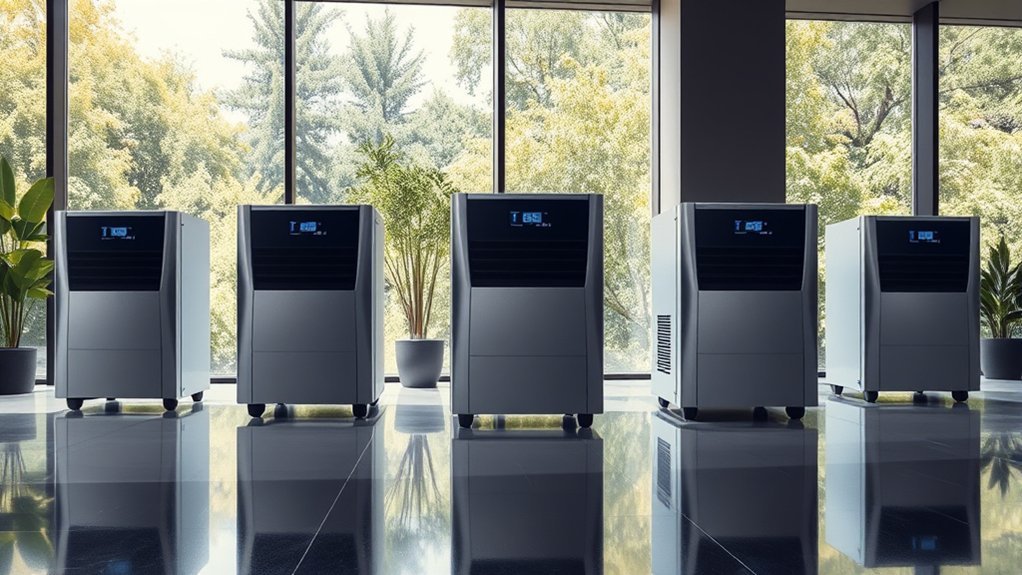
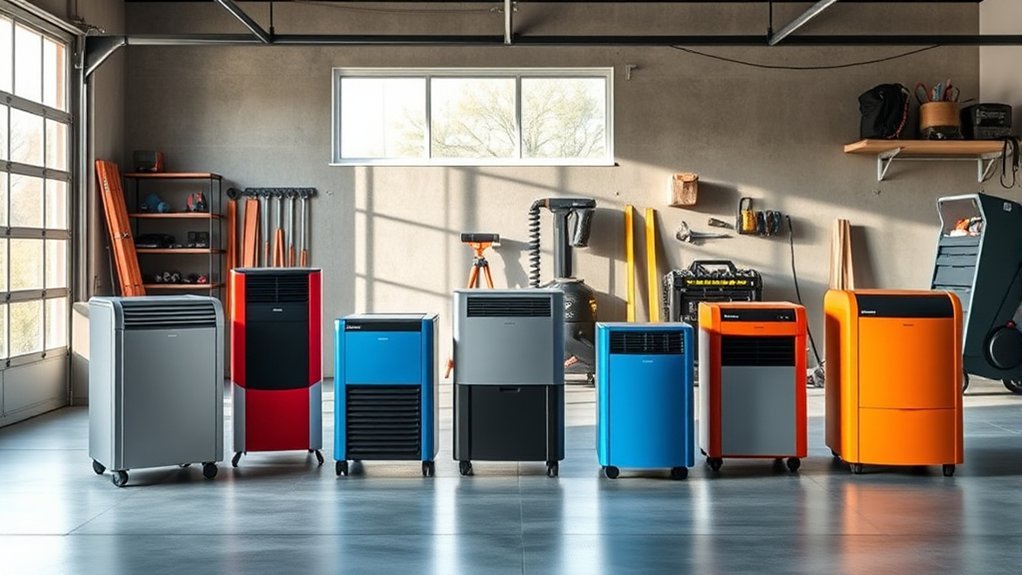
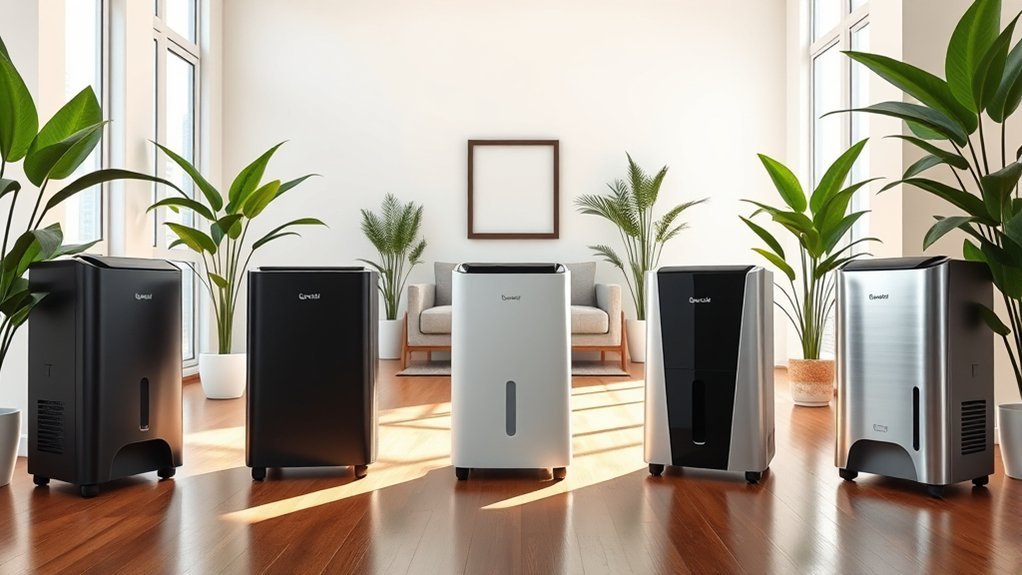
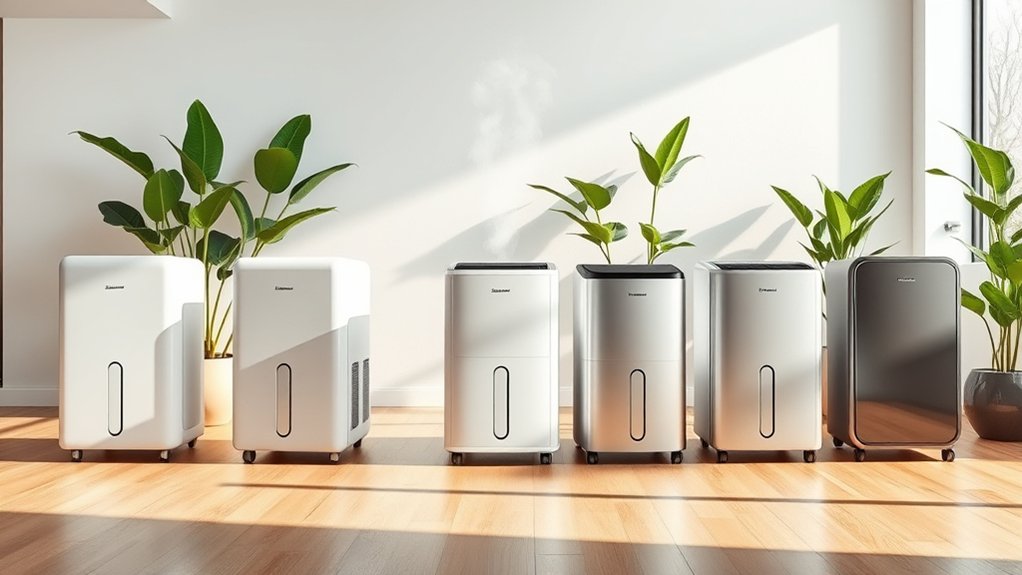
After checking product identity, capacity claims, drainage, noise-focused features, and buyer fit, this guide retains nine relevant models. The Kesnos is the strongest all-around choice for quiet, convenient humidity control, the Uhome stands out for its activated-carbon filter support, the inetra is the best app-controlled option, and the Aiusevo AS300 is a useful bedroom-focused pick.
Important capacity note
Many listings use a “30-pint” figure measured in hot, highly humid conditions. Actual daily water collection will usually be lower in cooler rooms or after the space approaches the target humidity. Compare room dampness, drainage access, and tested capacity rather than relying on square-foot claims alone.
Quick Verdict
- Best overall: Kesnos 30 Pint Dehumidifier – quiet-focused operation, four modes, a drain hose, and easy portability.
- Best filter support: Uhome UDL5-30P – includes a washable intake filter plus an activated-carbon filter.
- Best app control: inetra 30 Pint Smart Dehumidifier – remote humidity monitoring, scheduling, and continuous drainage.
- Best quiet bedroom pick: Aiusevo AS300 – compact design, sleep-friendly controls, and three operating modes.
- Best humidity display: NEWBULIG 30 Pint Dehumidifier – color-coded humidity ring and four practical modes.
Quick Comparison
| Product | Best for | Seller-listed coverage | Drainage | Standout feature | Link |
|---|---|---|---|---|---|
| Kesnos | Balanced everyday use | Up to 2,500 sq. ft. | Tank or hose | Four modes | Check Amazon |
| Uhome UDL5-30P | Filter support | Up to 1,500 sq. ft. | Tank or hose | Activated-carbon filter | Check Amazon |
| inetra Smart | Remote control | Up to 1,500 sq. ft. | Tank or hose | Wi-Fi app | Check Amazon |
| Aiusevo AS300 | Bedrooms and RVs | Up to 2,500 sq. ft. | Tank or hose | Compact body | Check Amazon |
| NEWBULIG | At-a-glance humidity | Up to 2,000 sq. ft. | 2 L tank or hose | Humidity color ring | Check Amazon |
| OLIXIS | Quiet routine use | Up to 2,000 sq. ft. | 2 L tank or hose | Four operating modes | Check Amazon |
| WHOY Smart | Smart-home convenience | Up to 2,000 sq. ft. | 1.6 L tank or hose | App and scheduling | Check Amazon |
| AIRPLUS AP1907 | Simple controls | Up to 1,500 sq. ft. | Tank or hose | Preset RH modes | Check Amazon |
| LUKO D010 | Flexible operation | Up to 2,000 sq. ft. | 68 oz tank or hose | Four modes and timer | Check Amazon |
Comparison note: Coverage figures are seller-listed maximums, not guarantees. A 30-pint unit is generally better suited to a small or medium room with moderate dampness than to a very wet, open 2,000- to 2,500-square-foot area.
Kesnos 30 Pint Dehumidifier for Home & Basement – Best Overall
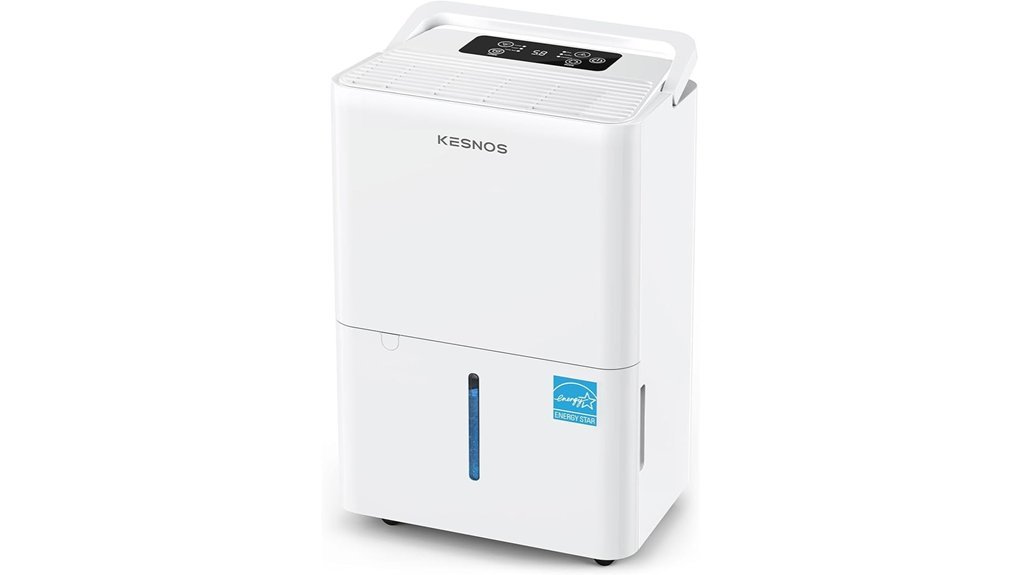
The Kesnos is the most balanced option here for buyers who want a quiet-focused compressor dehumidifier with simple controls. The listing describes a 30-pint maximum, coverage up to 2,500 square feet, four modes, automatic defrost, memory restart, caster wheels, and both tank and hose drainage. Its compact tank makes continuous drainage especially useful in a persistently damp room.
Why You’ll Like It: It combines adjustable humidity control with preset modes, a timer, portability, and low-maintenance drainage. That makes it easy to use in a bedroom, bathroom, laundry area, or moderately damp basement.
Who Should Buy This: Buyers who want a versatile everyday model and prefer convenience over a large bucket.
Who Should Avoid This: Anyone with active seepage, standing water, or a very wet large basement should consider a higher DOE-rated capacity.
Pros:
- Four operating modes for everyday humidity control, drying, and continuous use
- Drain hose, automatic defrost, memory restart, wheels, and hidden handle
- Quiet-focused design for living areas and bedrooms
Cons:
- The 0.39-gallon tank is small for heavy moisture loads
- The seller-listed 30-pint and coverage figures depend on test conditions
- Confirm the exact model number and current certification details before ordering
Uhome UDL5-30P Dehumidifier – Best Filter Support
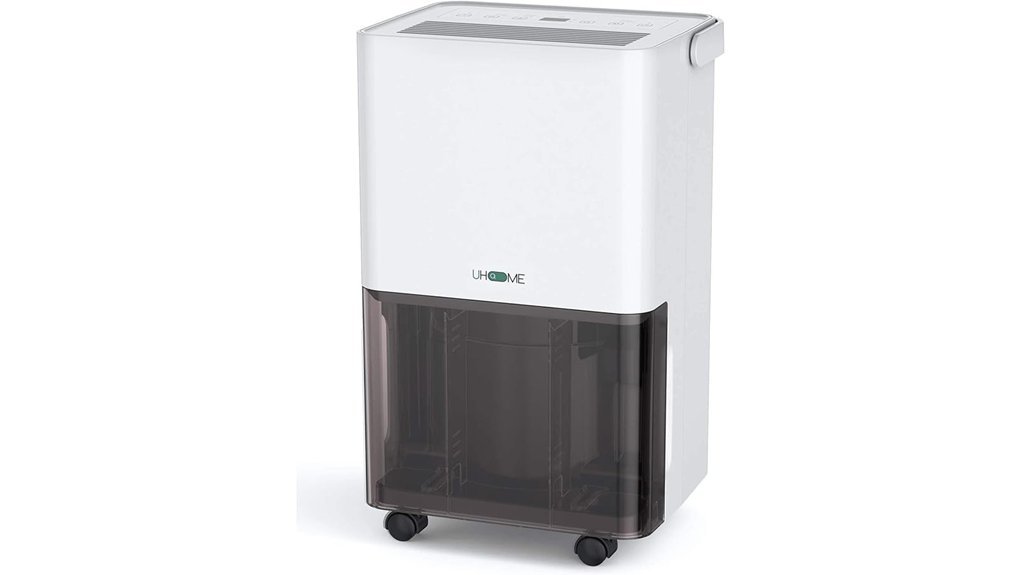
The Uhome UDL5-30P is the best fit in this group for buyers who want humidity control plus more filter support than a basic washable screen. Its listed features include a washable intake filter, an activated-carbon filter, a 1.7-liter tank, a drain hose, automatic shutoff, sleep mode, child lock, auto restart, and defrost. The filter can help catch larger debris and reduce some odors, but it is not a substitute for a HEPA air purifier.
Why You’ll Like It: The sensor-based operation can manage a target humidity automatically, while the carbon filter adds a useful maintenance feature for bedrooms and living spaces.
Who Should Buy This: Buyers who want a 30-pint dehumidifier for a medium room and value a replaceable carbon filter.
Who Should Avoid This: Buyers mainly concerned with airborne pollen, fine dust, or pet dander should pair humidity control with a true room air cleaner.
Pros:
- Washable intake filter plus activated-carbon filter
- Sensor control, sleep mode, child lock, auto restart, and defrost
- Manual tank collection or continuous hose drainage
Cons:
- The 1.7-liter tank can fill quickly in a damp room
- The carbon filter is not HEPA-grade filtration
- Seller-listed performance will vary with temperature and humidity
inetra 30 Pint Smart Dehumidifier – Best App Control
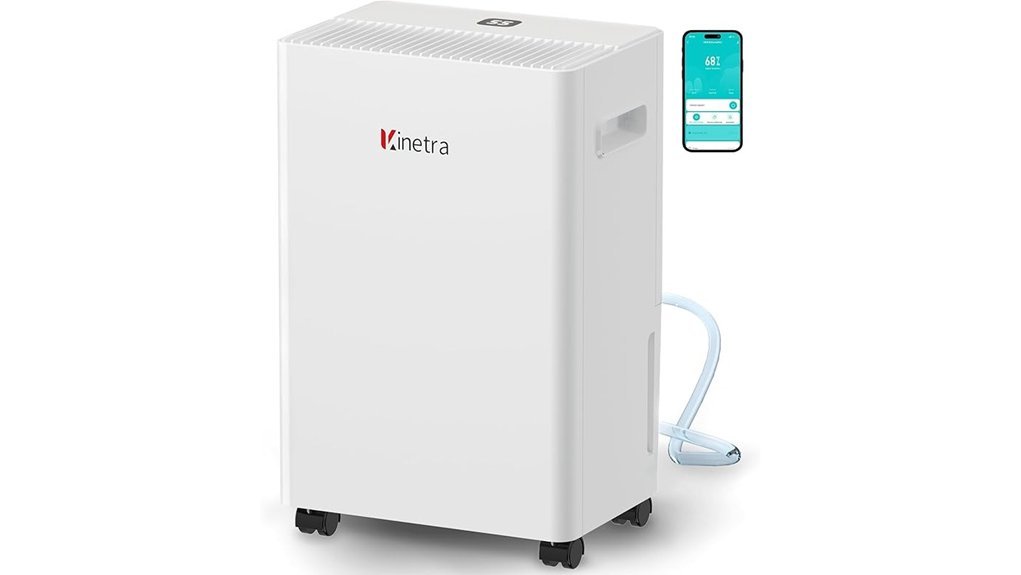
The inetra smart dehumidifier suits buyers who want to check room humidity and change settings from a phone. The listing identifies Wi-Fi app control, a 1.6-liter tank, a drain hose, a 24-hour timer, adjustable humidity, automatic shutoff, auto restart, child lock, and laundry-drying control. Its seller-listed 30-pint rating applies under hot, humid conditions, so normal room extraction will be lower.
Why You’ll Like It: Remote monitoring makes it easier to manage a basement, laundry room, or bedroom without repeatedly visiting the control panel.
Who Should Buy This: Smart-home users who want scheduling and remote humidity adjustments.
Who Should Avoid This: Buyers who prefer appliance controls that do not require an app or Wi-Fi setup.
Pros:
- App control for monitoring, target humidity, schedules, and power
- Tank or continuous gravity drainage
- Portable design with safety and restart features
Cons:
- Full convenience depends on app and network setup
- The 1.6-liter tank is better for occasional use than heavy daily collection
- Remote control does not improve moisture-removal capacity
Aiusevo AS300 30 Pint Dehumidifier – Best Quiet Bedroom Pick
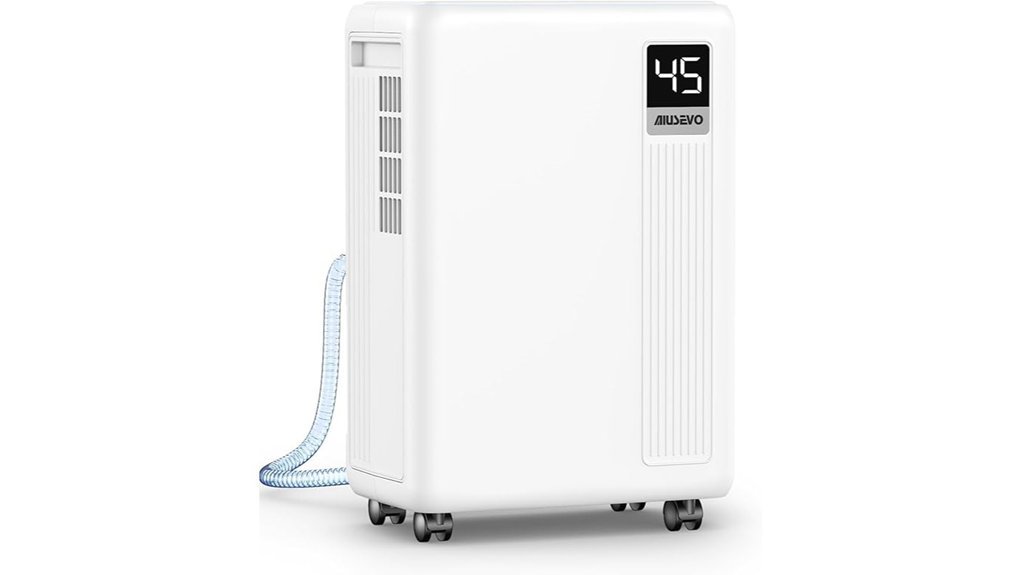
The Aiusevo AS300 is a compact option for bedrooms, apartments, RVs, bathrooms, and other spaces where easy placement matters. The listing specifies a 30-pint maximum under hot, humid conditions, a 0.52-gallon tank, an included drain hose, adjustable humidity from 30% to 80%, a timer, child lock, automatic shutoff, and DEHU, DRY, and CONT modes.
Why You’ll Like It: It offers the main controls most buyers need without a complicated app, and its compact body is easier to position than many larger compressor models.
Who Should Buy This: Buyers who want simple humidity control in a bedroom, RV, or medium room.
Who Should Avoid This: Buyers who need verified whole-basement performance in very wet conditions.
Pros:
- Compact design with three useful operating modes
- Adjustable humidistat, timer, child lock, and continuous drainage
- Washable filter and automatic defrost
Cons:
- The seller-listed 2,500-square-foot figure is optimistic for a heavily damp space
- The 0.52-gallon tank may need frequent emptying
- No app control
NEWBULIG 30 Pint Dehumidifier – Best Humidity Display
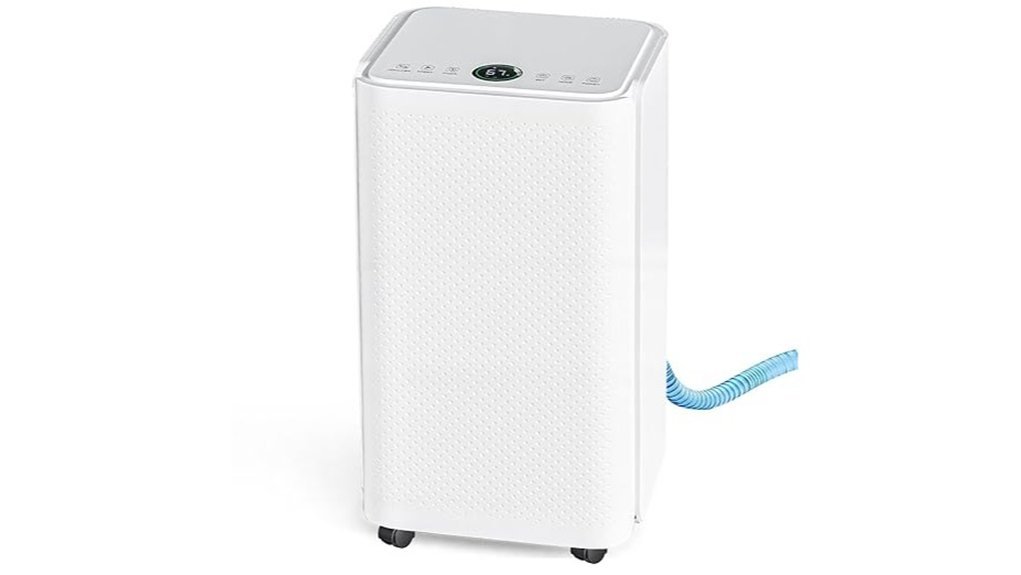
The NEWBULIG model makes room conditions easy to read through a color-coded humidity ring. Its listing describes a 30-pint maximum, coverage up to 2,000 square feet, operation below 38 dB, Auto, Drying, Sleep, and Fan-Only modes, a 2-liter tank, a 3.28-foot drain hose, automatic defrost, a timer, child lock, and caster wheels.
Why You’ll Like It: The visual humidity indicator lets you check whether the room is dry, comfortable, or humid without reading a small number from across the room.
Who Should Buy This: Buyers who value clear status feedback and a sleep mode for bedrooms or home offices.
Who Should Avoid This: Buyers who need verified app compatibility; the listing’s smart-home wording is not specific enough to rely on.
Pros:
- Color-coded humidity ring and four operating modes
- Low-noise claim, sleep mode, timer, and automatic defrost
- Continuous drainage hose included
Cons:
- The 2-liter tank is small for continuous heavy use
- Smart-home platform compatibility is unclear
- Coverage depends heavily on the room’s moisture load
OLIXIS 30 Pint Dehumidifier – Best for Quiet Routine Use
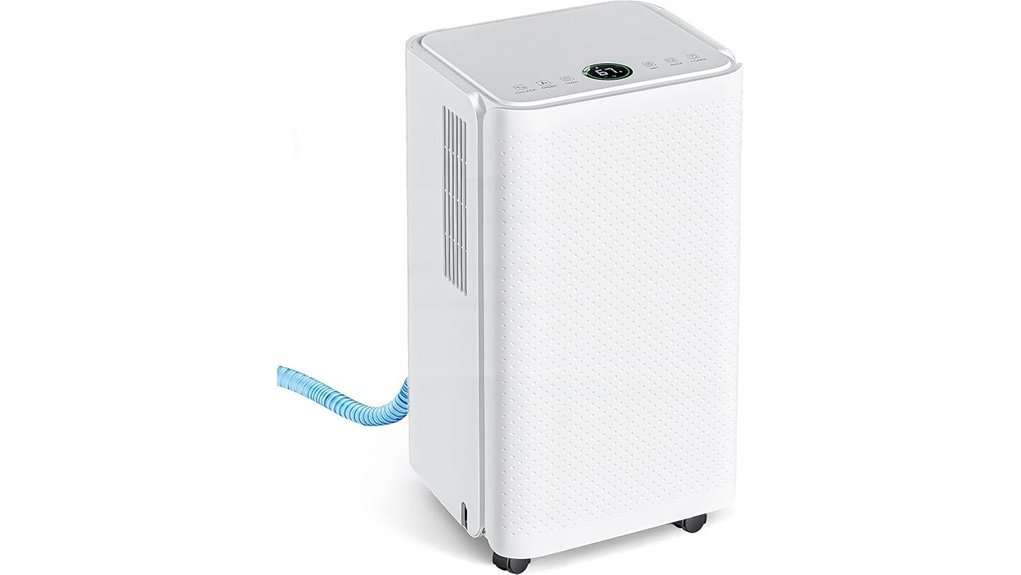
The OLIXIS 30-pint model is a straightforward choice for buyers who want a humidity ring, sleep-focused operation, multiple modes, and continuous drainage. The listing describes coverage up to 2,000 square feet, a 2-liter tank, 38 dB operation, automatic defrost, a timer, a removable washable filter, and Auto, Drying, Sleep, and air-circulation modes.
Why You’ll Like It: It offers a good mix of visual humidity feedback, quieter controls, and hose drainage for regular use in a bedroom or living area.
Who Should Buy This: Buyers who want a simple, low-maintenance dehumidifier with several modes.
Who Should Avoid This: Anyone buying mainly for air purification. The washable filter is intended to protect airflow, not provide HEPA-level allergen removal.
Pros:
- Humidity display, sleep mode, timer, and automatic defrost
- Washable filter and continuous drain hose
- Portable 2-liter design for common household rooms
Cons:
- The Energy Star marketing claim should be confirmed against the exact model number
- The small tank favors hose drainage in damp rooms
- “Air purification” mode should not be confused with a dedicated air purifier
WHOY 30 Pint Smart Dehumidifier – Best Smart Alternative
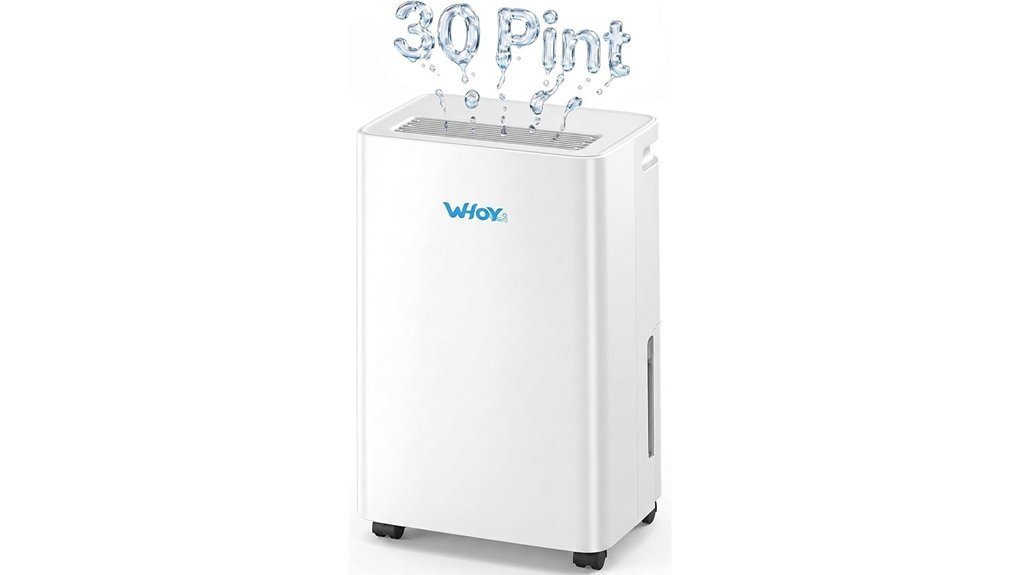
The WHOY smart model adds Wi-Fi control for users who want remote humidity monitoring, schedules, and mode changes. The listing describes a 30-pint maximum at 86°F and 80% RH, coverage up to 2,000 square feet, a 1.6-liter tank, a 4.9-foot drain hose, automatic defrost, child lock, and Auto, custom-humidity, and laundry-drying modes.
Why You’ll Like It: The longer included hose and app controls are useful when the unit sits in a basement, laundry area, or room you do not check often.
Who Should Buy This: Buyers who want a smart dehumidifier with both scheduling and continuous gravity drainage.
Who Should Avoid This: Buyers who do not want to depend on a phone app for advanced controls.
Pros:
- Wi-Fi monitoring, scheduling, and remote target adjustment
- Three operating modes and a longer drain hose
- Child lock, automatic defrost, and tank-full shutoff
Cons:
- The 1.6-liter tank is small for a consistently damp area
- Maximum extraction is measured under favorable test conditions
- Voice-platform compatibility should be confirmed on the current listing
AIRPLUS AP1907 30 Pint Dehumidifier – Best Simple Controls
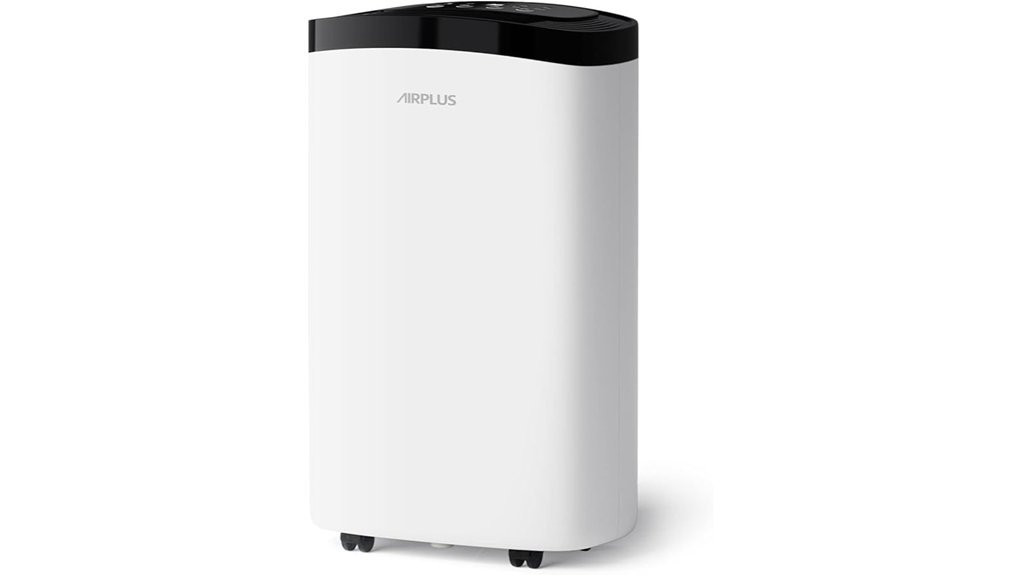
The AIRPLUS AP1907 is a practical option for buyers who prefer preset controls instead of app setup. Its listing describes a 30-pint maximum at 86°F and 80% RH, coverage up to 1,500 square feet, DRYING, RAINING, and SLEEP modes, preset RH45% and RH50% targets, a 1- to 24-hour timer, a 50-ounce tank, caster wheels, and continuous drainage.
Why You’ll Like It: The preset humidity modes reduce setup time, making this model easy to use in a bedroom, office, living room, or moderately damp basement.
Who Should Buy This: Buyers who want simple mode selection and do not need Wi-Fi.
Who Should Avoid This: Buyers who want fine humidity adjustment across a wide range.
Pros:
- Simple presets for routine, rainy-weather, and sleep use
- Timer, portable design, and continuous drainage
- Established AP1907 model identity
Cons:
- The 50-ounce tank is small
- Preset targets offer less control than a fully adjustable humidistat
- Seller-listed capacity depends on warm, humid test conditions
LUKO D010 30 Pint Dehumidifier – Best Flexible Operation
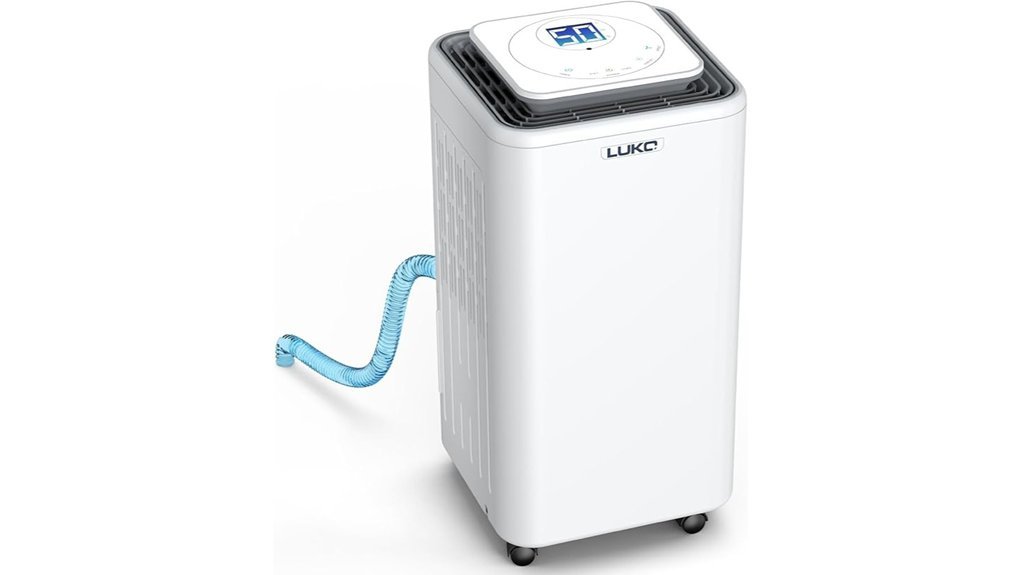
The LUKO D010 combines adjustable humidity, multiple modes, a 24-hour timer, automatic defrost, a washable filter, caster wheels, and both manual and continuous drainage. The listing states a 30-pint maximum at 95°F and 90% RH, coverage up to 2,000 square feet, a 68-ounce tank, and a 3.3-foot drain hose.
Why You’ll Like It: Auto, continuous, clothes-drying, and sleep modes make it adaptable for changing humidity problems throughout the year.
Who Should Buy This: Buyers who want flexible modes and plan to use a nearby floor drain.
Who Should Avoid This: Buyers looking for the most energy-efficient or app-connected option.
Pros:
- Four operating modes, timer, automatic defrost, and washable filter
- Adjustable humidity from 30% to 80%
- Tank collection or included hose drainage
Cons:
- The 30-pint figure uses very hot, humid test conditions
- The 68-ounce tank may fill quickly
- Listed power use is higher than some compact alternatives
Factors to Consider When Choosing a 30 Pint Dehumidifier for Allergies
The best dehumidifier for an allergy-prone home is the one that can hold a steady target humidity in the actual room. Focus on measured relative humidity, moisture load, drainage, noise, filter maintenance, and realistic capacity rather than the largest advertised coverage number.
Target Relative Humidity
Use a separate hygrometer and aim for roughly 30% to 50% RH. Many households find 40% to 50% comfortable. Avoid pushing humidity far below 30%, which can make the air feel overly dry. A dehumidifier can make conditions less favorable for mold and dust mites, but it does not remove every allergen from the room.
Capacity and Test Conditions
“30 pints per day” is a moisture-removal rating, not the water-tank size. Several retained listings state their maximum output at 86°F to 95°F and 80% to 90% RH. Cooler conditions contain less removable moisture, so actual collection can be much lower. For very wet basements, seepage, or large open spaces, choose by the current DOE-rated capacity and moisture condition.
Filter Expectations
Most dehumidifier filters are washable prefilters designed to protect the coils from lint, hair, and larger dust. They are not HEPA filters unless the manufacturer specifically identifies a tested HEPA system. For pollen, fine particles, smoke, or pet dander, use a properly sized air purifier in addition to humidity control.
Quiet Bedroom Operation
Look for a sleep mode, low fan setting, dimmable display, and a stable floor position. Published decibel figures are useful for comparison, but compressor cycling, vibration, and room acoustics affect what you hear. Leave enough clearance around the intake and outlet so restricted airflow does not increase noise.
Continuous Drainage
Continuous gravity drainage is the easiest option for a frequently damp room, but the hose must slope downward to a suitable drain. A basic drain hose cannot push water uphill. Check hose length, drain height, and connection size before purchase. Keep the tank installed correctly because many units will not run if the safety switch is not engaged.
Maintenance and Mold Control
Clean the filter on the manufacturer’s schedule, keep the bucket and drain path clean, and inspect for leaks or condensation. A dehumidifier helps control moisture, but existing mold still needs safe cleanup and the moisture source must be repaired. Persistent water intrusion may require a contractor rather than a larger portable unit.
Frequently Asked Questions
How Often Should I Clean the Filter?
Check it every two to four weeks and clean it according to the manual. Homes with pets, renovation dust, or heavy lint may need more frequent cleaning. Reduced airflow can lower moisture removal and increase noise.
Can a Dehumidifier Reduce Dust Mites in a Bedroom?
It can help make the room less favorable for dust mites by keeping humidity controlled. It will not remove mites already in bedding, so combine humidity control with regular hot-water washing, thorough drying, and allergen-resistant mattress and pillow covers where appropriate.
Does a Dehumidifier Remove Pollen, Pet Dander, or Fine Dust?
Not effectively. Its main job is moisture removal. A washable intake filter protects the appliance and may catch larger debris, but a dedicated HEPA air cleaner is the better tool for airborne particles.
What Humidity Level Is Best for Allergy Control?
A practical home target is 30% to 50% RH. Use a hygrometer because the dehumidifier’s built-in sensor may read differently from the humidity across the room.
Will a Dehumidifier Kill or Remove Existing Mold?
No. Lower humidity can help prevent continued growth, but visible mold and water damage must be cleaned or repaired. Fix leaks, dry wet materials promptly, and seek professional help for extensive contamination or recurring water intrusion.
What Does “30 Pint” Mean?
It refers to the maximum amount of water the unit is claimed to remove from the air in 24 hours under specified test conditions. It does not mean the bucket holds 30 pints, and it does not guarantee that amount in a normal bedroom or basement.
Final Recommendation
Choose the Kesnos for the most balanced mix of modes, portability, and drainage. Choose the Uhome when the activated-carbon filter is useful, the inetra or WHOY when app control matters, and the Aiusevo AS300 for a compact bedroom or RV setup.
Whichever model you choose, verify the current listing, place it in the room with the moisture problem, use a hygrometer, and address leaks or visible mold separately. Consistent humidity control is more important than an inflated square-foot number.