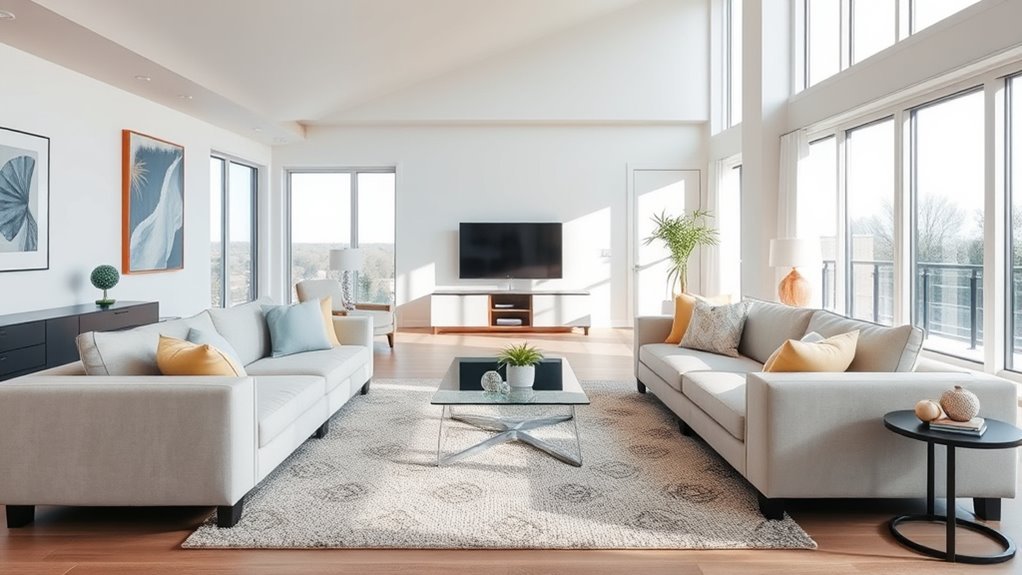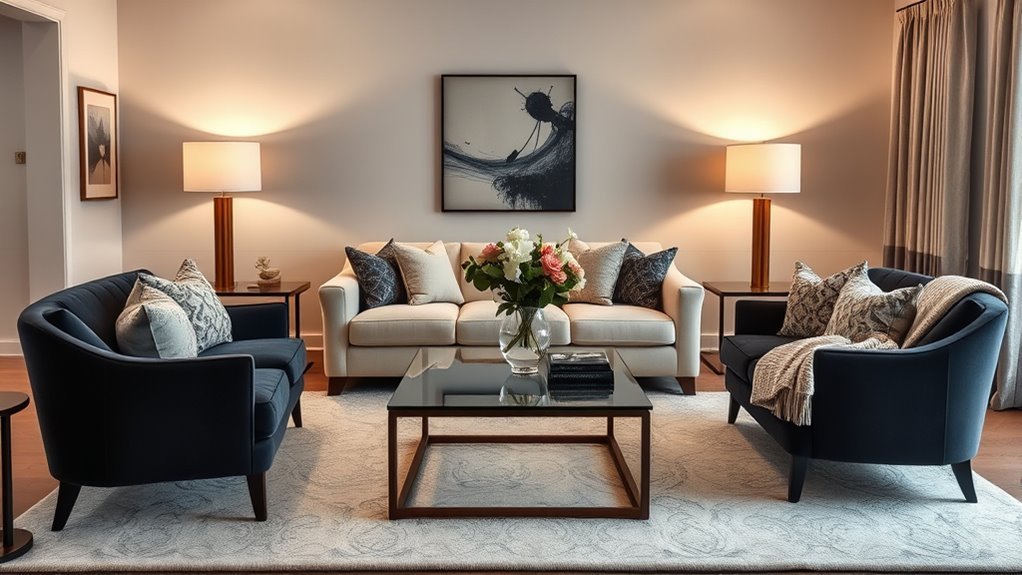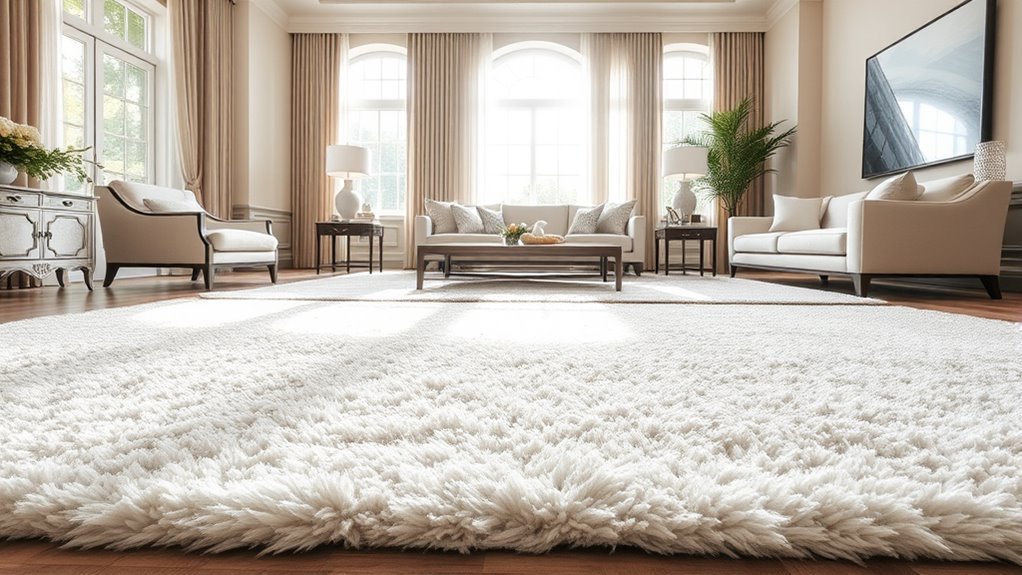
Choosing the right rug pile height determines how comfortable your living room feels underfoot, how easily doors swing open, and how much time you spend vacuuming. While a thick shag rug looks inviting online, factors like daily foot traffic, shedding pets, heavy sofa legs, and robot vacuums make fiber length one of the most important specs to check before you buy.
Quick Answer
For most living rooms, a low to medium pile rug (1/4 to 1/2 inch, or 6 to 13 mm) is the best choice. Choose low pile (under 1/4 inch) for heavy foot traffic, pets, swinging doors, and robot vacuums. Choose medium pile for balanced everyday cushion, and save high pile (over 1/2 inch) for low-traffic lounges.
At a Glance
| Time Required | 5–10 minutes to measure your current rug, check door clearance, and compare product specs |
| Difficulty | Easy |
| Tools Needed | Ruler or tape measure, rug product specifications, and a vacuum with adjustable height or suction-only mode |
| Cost | $0 to measure; optional rug pad cost varies by size, thickness (1/8 to 3/8 inch), and material |
Understanding Rug Pile Height and Why It Matters
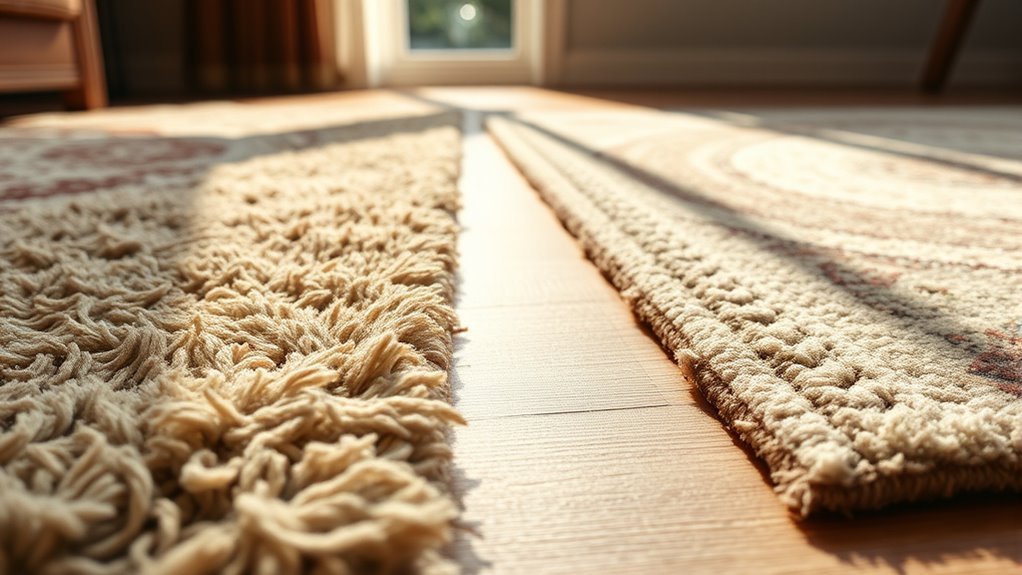
Rug pile height is the vertical thickness of the yarn fibers measured from the rug backing to the top surface, excluding the backing itself. It directly controls how flat, cushioned, or plush a rug feels and how easily dirt and pet hair release during vacuuming.
According to consumer testing guides such as Real Simple’s area rug buying guide, most retailers group rugs into three main ranges: low pile (under 1/4 inch or 6 mm), medium pile (1/4 to 1/2 inch or 6 to 13 mm), and high pile (over 1/2 inch or 13 mm, with shag exceeding 3/4 inch or 19 mm). Because international brands often list specs in millimeters, remember that 1 inch equals 25.4 mm—so a 10 mm rug sits around 3/8 inch in the middle of the medium-pile category.
However, height alone does not determine quality. A short, tightly knotted wool rug feels far more substantial than a thin, printed washable rug of the exact same height. You also need to check whether the yarn is cut pile (upright sheared ends that feel soft) or loop pile (uncut loops like Berber that resist crushing in walkways).
Note: Pile height and pile density are two different specs. Height measures fiber length, while density describes how tightly fibers are packed together. If you can easily feel the stiff backing when pressing your thumb into a high-pile rug, the low density will cause it to mat quickly in a living room.
The Three Main Rug Pile Types: Low, Medium, and High
Every area rug falls into a low, medium, or high pile category based on its fiber depth. Comparing the exact height in inches and millimeters alongside cleaning effort helps you avoid buying a rug that fights your daily routine.
| Pile Type | Typical Height (Inches / mm) | Best Living Room Fit | Main Trade-Off |
|---|---|---|---|
| Flatweave / No pile | Under 1/8 in. (0–3 mm) | Tight door clearances, layering, rolling chairs, humid climates | Minimal cushion without a felt rug pad |
| Low pile | Under 1/4 in. (under 6 mm) | Busy family rooms, pets, kids, robot vacuums, entryways | Firmer feel underfoot than medium or plush rugs |
| Medium pile | 1/4 to 1/2 in. (6–13 mm) | Most everyday living rooms, family seating zones, moderate traffic | Needs slower, overlapping vacuum passes than low pile |
| High / Plush pile | 1/2 to 3/4 in. (13–19 mm); shag is 3/4 in.+ (19 mm+) | Low-traffic lounges, reading corners, formal sitting rooms | Traps fine grit, shows furniture dents, and tangles beater bars |
Low Pile Rug Benefits
Low pile rugs (under 1/4 inch) are the most practical option for an active living room. Because the short fibers keep dirt, crumbs, and pet hair sitting on the surface rather than sinking to the backing, routine cleanup takes half the effort.
Short fibers also keep printed or woven geometric patterns looking crisp and allow doors and robot vacuums to cross the edge without catching. If you want extra underfoot cushion on hardwood or tile, pairing a low-pile rug with a dense 1/4-inch felt-and-rubber pad gives you softness without trapping debris.
| Benefit | Why It Matters | Ideal Living Room Setup |
|---|---|---|
| Crush Resistance | Short fibers resist visible matting along main walkways | Open-concept living rooms and main hallways |
| Fast Maintenance | Vacuums glide easily and spills stay visible on top for quick blotting | Homes with shedding pets, toddlers, or frequent snack nights |
| Furniture Stability | Coffee tables sit level and accent chairs slide without wobbling | Heavy sectionals, ottomans, and combo living-dining spaces |
| Accessibility | Low roll resistance and reduced tripping edge | Households with strollers, walkers, wheelchairs, or older adults |
| Pattern Clarity | Short yarn keeps intricate motifs sharp instead of blurred | Traditional Persian-style, vintage, modern geometric, and washable rugs |
High Pile Rug Drawbacks
High pile rugs (over 1/2 inch) feel warm and sink-in soft, but their long yarns create maintenance challenges in busy living rooms. Fine grit, pet hair, and food crumbs drop down to the backing where standard vacuum suction struggles to reach, and heavy sofa or coffee table legs leave deep indentations.
Long fibers also require special vacuum care. According to Shaw Floors’ carpet care guidelines, shag and long-yarn styles can wrap around spinning beater bars and tear or fuzz the yarn, so you must use a suction-only vacuum or raise the adjustable brush completely off the pile.
Warning: Never run an active motorized beater bar across shag, thick loop-pile wool, viscose, silk, or hand-knotted rugs, and never vacuum over end fringes. Spinning brushes can rip tufts out of the backing and shred fringe in seconds.
Why Low Pile Rugs Work Well in High-Traffic Living Rooms
In a main living room where people walk through daily, low pile rugs hold their appearance longer because shorter yarns have less leverage to bend, crush, and mat down. Liquid spills also stay visible on the surface so you can blot them immediately, whereas tall fibers can hide moisture deep near the backing until a stain sets.
Still, low pile is not your only durable choice. Medium pile rugs (1/4 to 1/2 inch) perform nearly as well in busy spaces when they are tightly constructed with high-twist yarns. Choose low pile if speed of cleaning, door clearance, and pet hair removal come first; step up to a dense medium pile if your family sits on the floor and wants noticeable cushioning.
Recommended Products

Beautiful Design Abstract Rug:The 5x7 rug design is unique and trendy, the colors blend with nature, the abstract design complements the modern tones, it blends perfectly with your home decor, adding more warmth and comfort to your home. Suitable for living room, bedroom, dining room, study, home office, etc
How to Find the Perfect Pile Height for Your Living Room
Match your rug pile height to the most demanding activity in your living room rather than its appearance on a quiet day. A household with shedding dogs, swinging patio doors, or a robot vacuum needs a different profile than a quiet conversation nook.
| Living Room Situation | Best Pile Height | Why It Works |
|---|---|---|
| Pets (shedding or claws) | Low cut pile or flatweave (under 1/4 in.) | Releases fur easily; cut pile avoids loop snags from cat or dog claws. |
| Young children & floor play | Low to medium pile (1/4 to 3/8 in.) | Cushions knees and elbows while keeping snack crumbs and spills reachable. |
| Door swings over the rug | Flatweave or low pile (under 1/4 in.) | Fits under standard 3/8- to 1/2-inch interior door gaps without scraping. |
| Robot vacuum cleaning | Low to medium pile (under 1/2 in.) | Stays below the 0.6- to 0.8-inch (15–20 mm) climb limit of most robot vacuums. |
| Wheelchair or walker access | Low pile (1/2 in. / 13 mm max) | Meets accessibility limits for low rolling resistance and safer edge transitions. |
| Movie lounge or formal room | Medium to high pile (3/8 to 3/4 in.) | Absorbs room echo and adds plush warmth where outdoor grit is minimal. |
| Allergy-sensitive household | Low pile or machine-washable flatweave | Allows thorough HEPA vacuuming and prevents deep dust-mite accumulation. |
Pro Tip: Measure the gap under any door that swings over your rug zone at its lowest point along the swing arc—not just when the door is closed. Uneven hardwood floors often reduce clearance halfway through the swing.
Recommended Products

Machine Washable & Easy to Clean: The surface features water-repellent performance for simple cleanup when drinks spill accidentally, reducing the chance of liquid soaking deep into fibers. You can wipe spills quickly with a towel, remove local stains via spot cleaning with a damp cloth, or regularly vacuum for daily upkeep. The whole rug supports machine washing for deeper cleaning

[KEY ATTRIBUTES]: Size: 5' x 6'6" (5' x 7') | Thickness: 0.2 in. | Color: Seafoam Green

CLASSIC VINTAGE AESTHETIC BEIGE RUG: The area rug 8x10 features a harmonious blend of beige tones that evoke a timeless vintage charm, making it an ideal addition for any room in your home—from retro bohemian and rustic farmhouse to modern minimalism. Perfect rugs for living room, bedrooms, dining room rugs for under table, entryways, playrooms, or home offices, this 8x10 rug serves as the finishing touch to your interior flooring decor
Understanding the Comfort and Versatility of Medium Pile Rugs
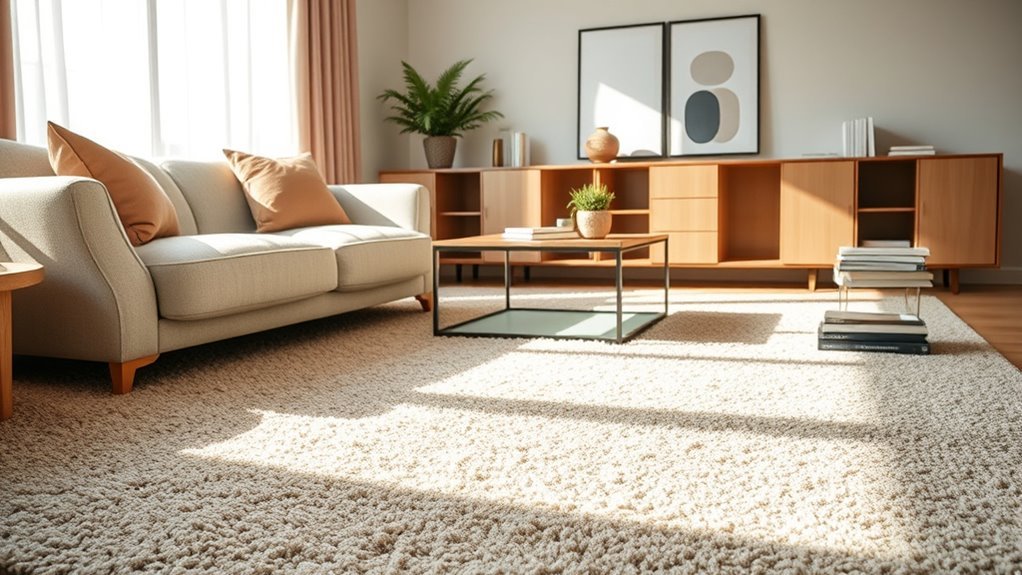
Medium pile rugs (1/4 to 1/2 inch, or 6 to 13 mm) hit the sweet spot for most living rooms. They offer enough yarn depth to cushion bare feet, dampen television echo, and insulate cold hardwood or tile floors without turning weekly vacuuming into a chore.
This range also aligns with federal accessibility guidelines: the U.S. Access Board ADA Standards (Section 302.2) specify a maximum carpet pile height of 1/2 inch (13 mm) with a firm backing so wheels and feet do not bog down. Keeping your living room rug at or below 1/2 inch preserves both comfort and easy movement across the room.
Ideal for Various Rooms
Because a 1/4- to 1/2-inch profile balances softness with surface stability, a medium pile rug adapts easily if you rearrange your home or move it between rooms later.
| Room Type | How Medium Pile Performs |
|---|---|
| Living Room | Softens seating zones, supports coffee tables evenly, and handles regular vacuuming |
| Dining Area | Works well at the lower end (around 1/4 inch) with dense construction so dining chairs slide smoothly |
| Bedroom | Provides warm, quiet footing around the bed without trapping as much dust as shag |
Balance of Comfort and Durability
To get years of wear from a medium pile rug, prioritize pile density and yarn twist. As noted in the Carpet and Rug Institute’s guide to selecting carpet, tightly twisted yarns and dense constructions hold their shape longer in high-traffic rooms and hide footprints better than loose, untwisted plush fibers.
When shopping in person, bend a corner of the rug backward. If you see wide strips of exposed backing between the rows of tufts, the rug has low density and will flatten quickly under foot traffic, even if the pile feels thick at first touch.
The Luxurious Feel of High Pile Rugs
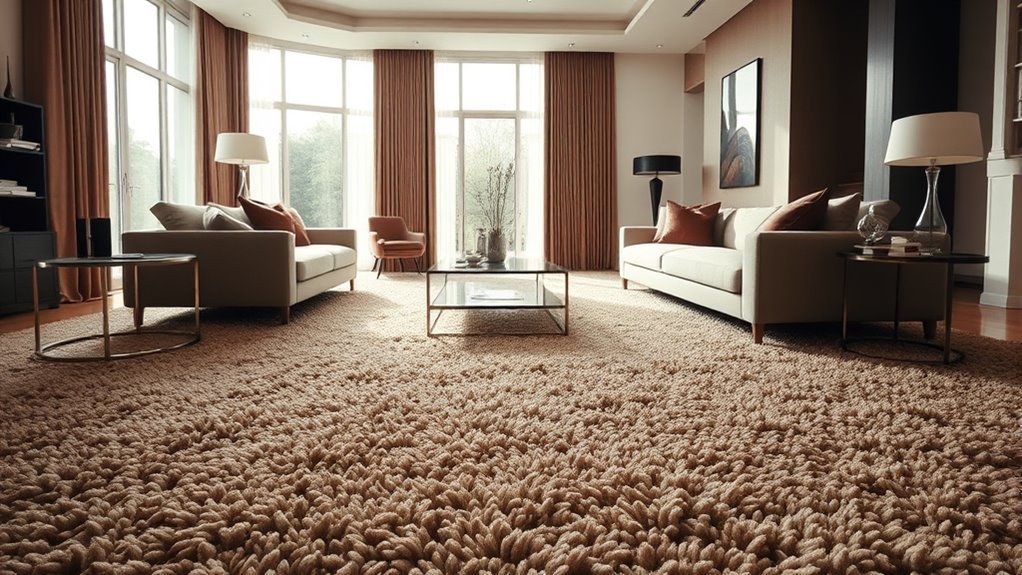
High pile rugs (1/2 to 3/4 inch) and shag rugs (over 3/4 inch, often 1 to 2 inches) deliver maximum visual texture, sound absorption, and warmth. They transform hard surfaces into a relaxed, lounge-friendly retreat where people can sit comfortably on the floor.
Reserve high pile for low-traffic spaces—such as a formal sitting room, an upstairs media den, or a shoe-free reading corner—where outdoor grit and food spills are rare. Avoid placing high pile near exterior doors, under rolling desk chairs, or under heavy sectionals that you rarely move.
If you choose a high pile rug, rotate it 180 degrees every six months to even out wear, place furniture coasters under heavy sofa legs, and use a carpet rake or suction-only vacuum to keep long fibers from matting.
The coziest rug on the showroom floor is not always the best living room rug. The right pile height is the one that matches how your room is used every day.
Key Factors for Choosing Rug Pile: Lifestyle, Climate, and Preferences
Beyond basic height measurements, five household factors determine how well a rug performs in your living room over time: daily traffic, pets and kids, furniture weight, local climate, and fiber material.
Lifestyle and Foot Traffic
Main thoroughfares between the entryway, kitchen, and sofa subject rug fibers to constant friction and tracked-in grit. Stick to low pile or a dense, twisted medium pile in primary living rooms, and save loose high-pile weaves for secondary rooms where shoes come off at the door.
Pets and Children
For homes with cats or dogs, choose a low cut-pile rug or flatweave rather than a looped Berber weave. Pet claws easily snag uncut loops, pulling long runs out of the rug, while short cut fibers release fur quickly and let you blot muddy paw prints or juice spills before they reach the backing.
Furniture and Room Layout
Heavy sofas, sectionals, and solid-wood coffee tables crush tall yarns into deep craters. Low and dense medium pile rugs distribute furniture weight evenly so tables don’t wobble. If a dining table or home-office desk shares your living room, keep the pile under 1/4 inch so chairs slide without catching.
Climate and Comfort
In cold climates or over uninsulated basement slabs, a 3/8- to 1/2-inch medium or high pile wool rug traps warm air and insulates floors. In hot, humid, or coastal regions, low-pile cotton, synthetic, or natural flatweave rugs feel cooler underfoot, release moisture faster, and resist musty odors.
Rug Material
Fiber choice directly affects how well a given pile height bounces back after compression:
- Wool: Naturally elastic, flame-resistant, and soil-repellent; holds its loft better than almost any other fiber in medium-pile constructions, though new hand-tufted wool sheds initially.
- Polypropylene and Nylon: Stain-resistant, budget-friendly synthetics ideal for low- and medium-pile family rugs; nylon recovers from furniture weight better than olefin (polypropylene).
- Polyester and Triexta: Very soft underfoot and solution-dyed for fade resistance, best bought in dense low-to-medium cuts so yarns do not mat in walkways.
- Jute and Sisal: Plant fibers usually woven into 1/4- to 1/2-inch flat or nubby textures; durable and earthy, but coarse underfoot and prone to water marks if saturated.
- Viscose, Bamboo Silk, and Silk: High-sheen luxury fibers that mat, water-spot, and shed easily when wet—avoid in busy living rooms regardless of pile height.
How to Measure Rug Pile Height Accurately
You can measure the true pile height of any rug at home in less than five minutes using a standard metal ruler or tape measure with 1/16-inch and millimeter markings.
- Lay the rug flat on a hard, level floor and choose an uncrushed spot away from furniture legs and bound edges.
- Part the fibers slightly with your fingers so you can see the woven or tufted foundation at the base of the yarn.
- Place the zero end of the ruler straight down onto the top of the backing—do not measure from the floor, which wrongly includes the backing and rug pad thickness.
- Brush the surrounding fibers upright to their natural standing height and read the measurement at the tips of the yarn.
- Repeat in three spots across the rug, especially on high-low carved patterns where raised motifs are taller than the base weave.
| Pile Height Category | Measurement Range | Best Living Room Use |
|---|---|---|
| Low | Under 1/4 inch (under 6 mm) | High traffic, pets, kids, doorways, robot vacuums |
| Medium | 1/4 to 1/2 inch (6–13 mm) | Everyday living rooms and family seating areas |
| High / Shag | Over 1/2 inch (13 mm+; shag is 19 mm+) | Cozy, low-traffic lounges and reading corners |
How to Maintain Your Rug Based on Pile Type
Grit trapped at the base of the yarn grinds against fibers with every footstep, wearing out a rug far faster than walking alone. As detailed in Better Homes & Gardens’ area rug cleaning guide, always check the manufacturer’s care tag first, vacuum both the front and back of the rug periodically, and adjust your cleaning technique to the pile height.
Low Pile Rug Care
Vacuum low-pile rugs twice a week in medium-traffic living rooms and daily in heavy-traffic entry zones. Use a low beater-bar setting on sturdy synthetics, but switch to suction-only for loop-pile wool, braided, or hand-knotted rugs. When spills happen, scoop up solids with a spoon and blot liquids immediately from the outer edge inward using a plain white cloth—never scrub with a stiff brush, which frays yarn tips.
Medium Pile Rug Care
Vacuum medium-pile rugs at least once or twice a week using slow, overlapping passes so airflow can pull sand and dander out from between the 1/4- to 1/2-inch tufts. Adjust your vacuum head height so the brush barely touches the top of the pile without bogging down the motor. Once or twice a year, flip the rug to vacuum settled grit off the backing and rotate the rug 180 degrees to balance sun fading and foot traffic.
High Pile Rug Care
Disengage the rotating beater bar completely or use a canister vacuum with a suction-only floor tool on high-pile and shag rugs. Take smaller rugs outdoors to shake out trapped crumbs, and use a handheld upholstery nozzle around furniture legs. For pet urine accidents, extract moisture with cool water and a wet vacuum rather than a heated steam cleaner, because high heat permanently sets urine stains and odors.
Deep Cleaning and Professional Care
The Carpet and Rug Institute’s cleaning and maintenance standards recommend professional deep cleaning every 12 to 18 months to remove embedded soil before it dulls the fibers. When treating stains at home or hiring a cleaner, look for solutions, vacuums, and extractors certified through the CRI Seal of Approval Program, which laboratory-tests equipment for soil removal without fiber damage or rapid resoiling.
Do Not Forget Rug Pads and Door Clearance
A quality rug pad prevents slipping, absorbs footstep impact so fibers bounce back, protects hardwood finishes, and adds air circulation. However, pad thickness adds directly to your total floor height and must be matched to your rug pile and doorways.
- Under low-pile rugs and near doors: Use a 1/8-inch low-profile felt-and-rubber grip pad so the combined height clears swinging interior doors and stays flat at the edges.
- Under medium-pile living room rugs: Pair a 1/4-inch dense felt-and-rubber pad to add underfoot plushness without causing furniture to rock.
- Maximum pad thickness: Keep rug cushions at or below 3/8 inch. Oversized, spongy pads allow the rug backing to flex too deeply underfoot, which stretches seams and causes wrinkling.
Pro Tip: Order your rug pad 2 inches shorter and narrower than your actual rug measurements (1 inch smaller on all four sides). This lets the rug’s bound edges taper smoothly down to the floor instead of creating a raised tripping ledge.
Key Takeaways
- Low pile rugs (under 1/4 in. / 6 mm) resist crushing, clear low interior doors, and work best with pets, kids, and robot vacuums.
- Medium pile rugs (1/4 to 1/2 in. / 6–13 mm) balance barefoot comfort with easy weekly vacuuming and meet the 1/2-inch maximum height for smooth accessibility.
- High pile and shag rugs (over 1/2 in. / 13 mm+) offer maximum warmth for low-traffic lounges but require suction-only vacuuming and furniture coasters.
- Pile density and construction matter as much as height: choose tightly packed cut pile over looped weaves if you have clawed pets, and pair with a 1/8- to 1/4-inch felt-and-rubber pad.
Frequently Asked Questions
What is a good pile height for a living room rug?
A pile height between 1/4 inch and 1/2 inch (6 to 13 mm) is ideal for most living rooms. Choose a low pile under 1/4 inch if your room has heavy foot traffic, shedding pets, or low door clearance, or pick a dense 3/8- to 1/2-inch medium pile for extra underfoot softness.
Is low pile or high pile better for a living room?
Low pile is better for busy everyday living rooms because it resists matting, releases crumbs and pet hair easily, and keeps coffee tables stable. High pile is better only in low-traffic sitting rooms or media lounges where plush comfort matters more than quick vacuuming.
What is the rule on rugs in a living room?
Size your living room rug so at least the front legs of the sofa and accent chairs sit on the rug, leaving 12 to 18 inches of bare floor around the room perimeter. Match the pile height to traffic: low or medium pile for active spaces and high pile for quiet zones.
Is a high pile rug good for a living room?
A high pile rug works well in a living room only when foot traffic is light and shoes are removed at the door. While fibers over 1/2 inch feel warm and luxurious, they flatten under heavy furniture legs and require suction-only vacuuming so the brush roll does not tangle.
What pile height is best for pets?
A low cut-pile rug or flatweave under 1/4 inch (6 mm) is best for pets. Short cut fibers keep fur, dander, and muddy paw prints near the surface for fast cleanup, while avoiding uncut loops that cat and dog claws can snag and unravel.
Can I use a robot vacuum on a high pile rug?
Most standard robot vacuums struggle on high pile and shag rugs over 1/2 to 3/4 inch (13 to 19 mm). Standard wheels climb thresholds up to about 0.6 to 0.8 inches (15 to 20 mm), and long fibers can jam side brushes or block suction ports unless the robot has an elevating chassis.
Conclusion
Matching your rug pile height to your living room’s daily traffic saves hours of cleaning and keeps your floor looking fresh for years. Pick a low pile rug (under 1/4 inch) for busy family rooms with pets and swinging doors, a dense medium pile (1/4 to 1/2 inch) for everyday softness and versatility, or a high pile (over 1/2 inch) for quiet relaxation zones.
Before ordering, grab a tape measure to check your interior door clearance along the full swing path, verify the exact pile thickness in inches or millimeters on the product spec sheet, and pair your rug with a 1/8- to 1/4-inch felt-and-rubber pad trimmed 1 inch inside the border.
Sources
- Real Simple: The Best Area Rugs: standard low, medium, and high pile-height ranges and practical living room trade-offs.
- Shaw Floors: Carpet Care & Maintenance: vacuum height adjustment and suction-only care for shag and long-yarn styles.
- U.S. Access Board: ADA Standards Chapter 3 (Section 302.2 Carpet): maximum 1/2-inch (13 mm) pile height and firm cushion standards for floor accessibility.
- The Carpet and Rug Institute: Selecting the Right Carpet: choosing floor coverings by foot traffic, yarn twist, construction density, and max 3/8-inch cushion thickness.
- Better Homes & Gardens: How to Clean an Area Rug: care-label checks, backing vacuuming, and material-specific maintenance.
- The Carpet and Rug Institute: Cleaning and Maintenance: weekly to daily vacuuming schedules, blot-only spill care, cool-water pet stain extraction, and 12–18 month professional deep cleaning.
- The Carpet and Rug Institute: Seal of Approval Program: laboratory testing standards for carpet cleaning solutions, vacuums, and extractors.