
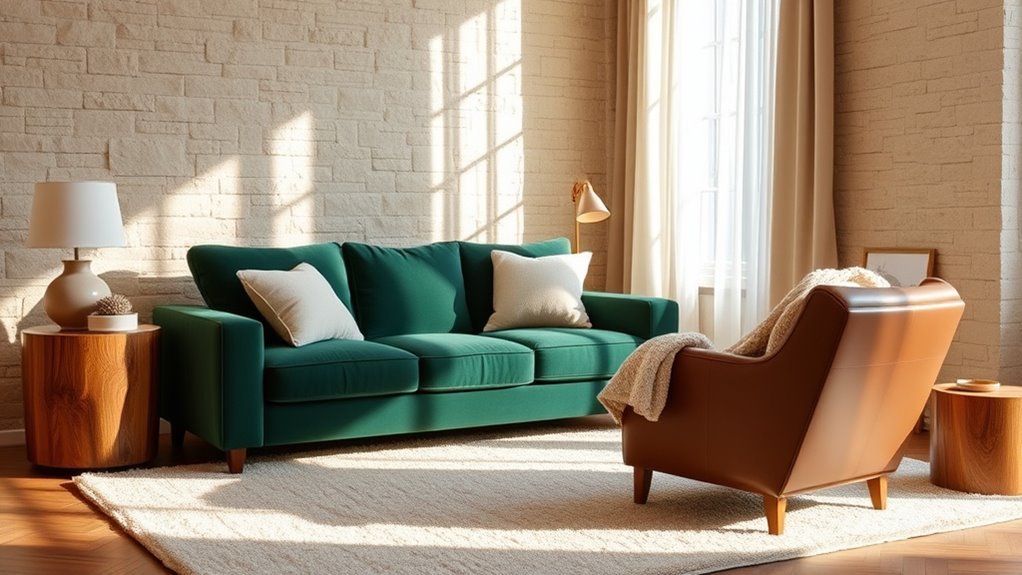
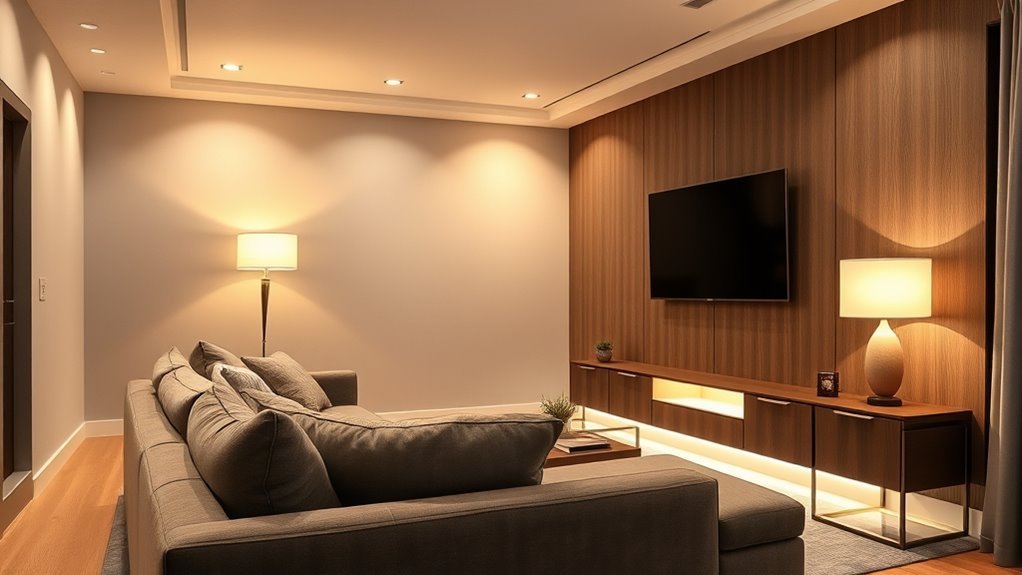
To mix textures in a living room for warmth, build the space in deliberate layers rather than filling corners with random decor. Start with a calm neutral foundation, combine contrasting fabrics like nubby wool and smooth leather, bring in organic wood and woven fibers, and finish with warm side lighting. When every surface offers a distinct tactile or visual finish within one cohesive color palette, your room feels inviting, balanced, and deeply comfortable.
Quick Answer
To mix textures in a living room for warmth, combine five to seven distinct finishes—such as linen, boucle, warm wood, leather, woven jute, matte ceramic, and brushed brass—within a tight neutral and earth-tone palette. Anchor seating with a plush or layered rug, repeat each material at least twice across the room, and use 2700K–3000K lamps to cast soft shadows.
At a Glance
| Time Required | 1–3 hours for styling swaps; 1–2 days if measuring and installing a new rug, drapery, or layered lighting |
| Difficulty | Easy to moderate |
| Tools Needed | Tape measure, fabric and paint swatches, smartphone camera, 2700K–3000K LED bulb checklist, optional hygrometer (humidity gauge) |
| Cost | $0 when restyling existing pieces; $50–$300+ for new pillow covers, throws, woven baskets, lamps, curtains, or an area rug |
Start With a Neutral Base for Warmth
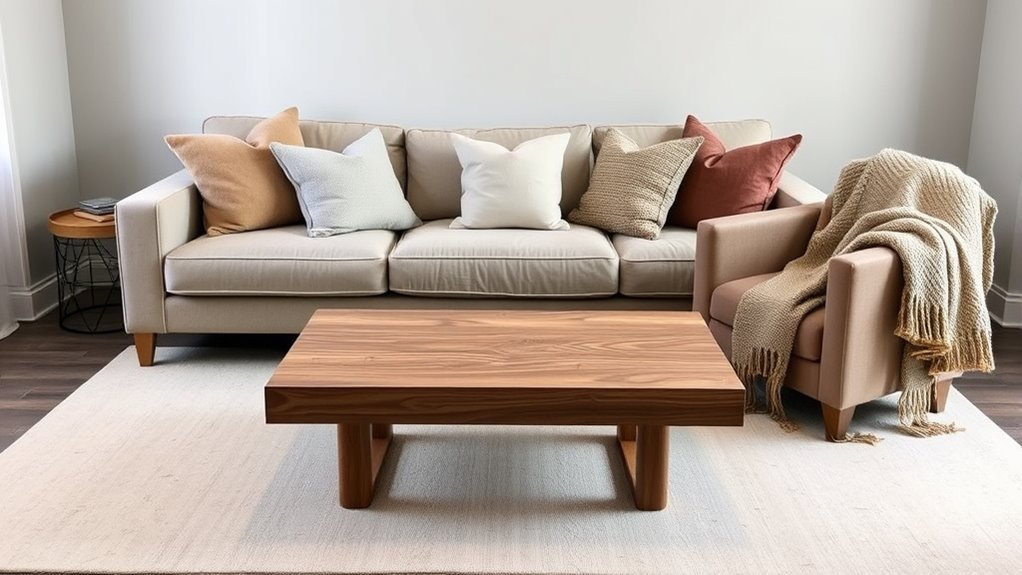
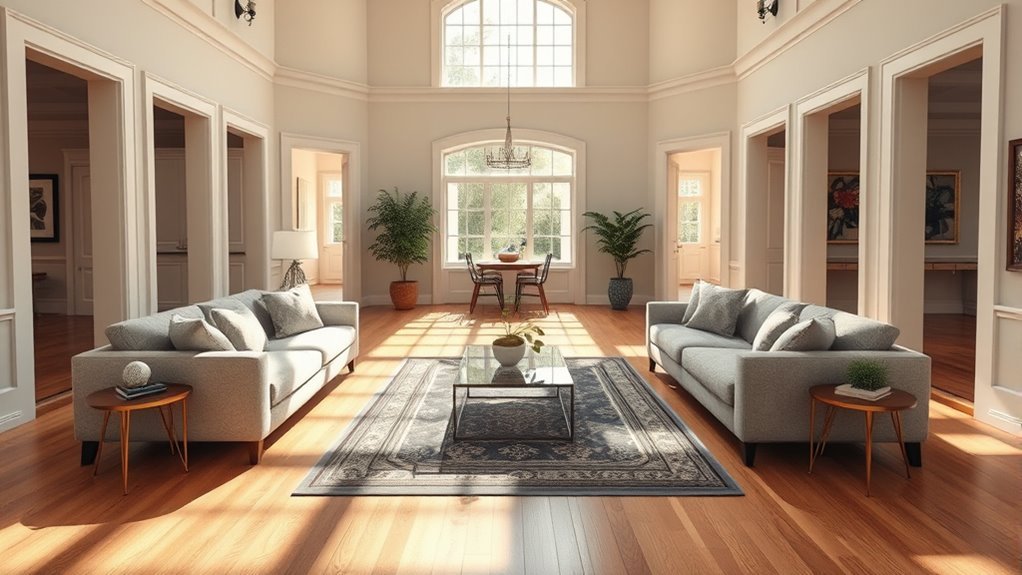
To create a warm and inviting living room, begin with a calm neutral base that lets surface texture do the visual heavy lifting. Shades with yellow, red, or brown undertones—such as warm white, cream, beige, taupe, greige, mushroom, oatmeal, camel, and warm gray—create a unified backdrop that supports several materials at once without clashing.
Treat your largest surfaces as the 70% foundation of the room: walls, sofa, area rug, window treatments, and primary armchairs. If these anchor pieces already feature bold colors or busy prints, surround them with quieter, solid textures. If your main furniture is plain and flat-woven, introduce deeper ridges, slubs, and grains so the space does not feel sterile.
Note: Texture works in two ways: tactile texture you can physically feel (like a looped boucle chair or ribbed ceramic vase) and visual texture perceived by the eye (like wood grain, grasscloth wallpaper, or a tone-on-tone striped rug). A well-balanced living room combines both.
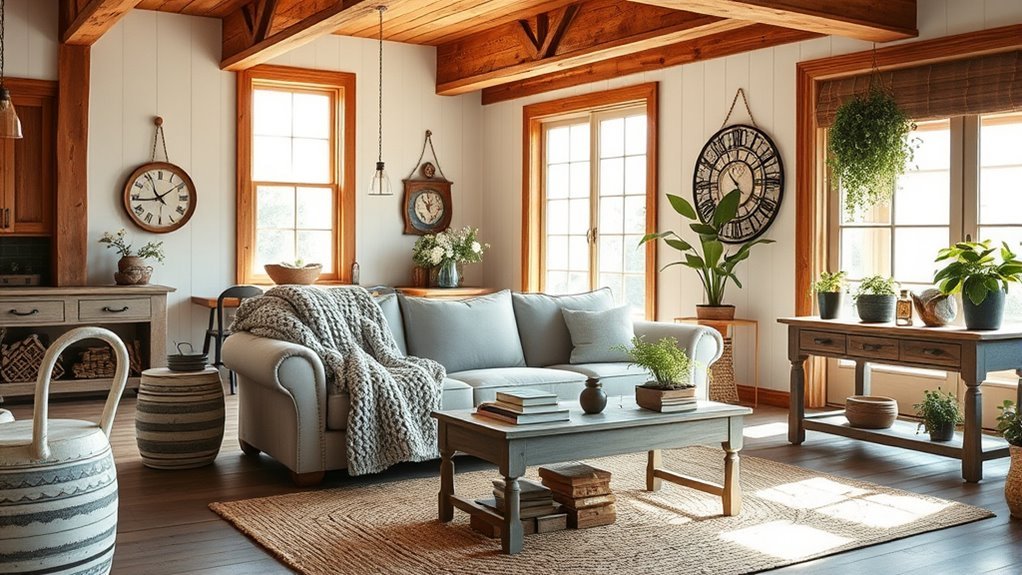
A reliable starting formula uses one smooth anchor, one soft textile, one woven element, one raw natural material, and one subtle reflective finish. For example, pair a slubby linen sofa with a knotted wool rug, a white oak coffee table, a seagrass storage basket, and a brushed brass floor lamp. Every surface interacts differently with light, yet the restrained color palette keeps the room serene.
Layering Textures for Comfort
Layering textures for comfort means pairing materials with opposite physical qualities—soft against firm, rough against smooth, and matte against glossy—while keeping their undertones connected. A living room furnished only with flat cotton, drywall, and painted MDF looks two-dimensional, whereas combining velvet, jute, timber, leather, stoneware, and metal creates immediate depth.
Choose Complementary Fabrics
Start with upholstery and soft furnishings because textiles are the fastest, most affordable layers to swap seasonally. Use throw pillows, blankets, drapery panels, slipcovers, and upholstered ottomans to build softness without replacing your sofa. Aim to combine at least three distinct fabric weaves:
- Linen or slubbed cotton: Adds breathable, relaxed matte texture for sofas, slipcovers, and curtains.
- Cotton or silk velvet: Catches the light with a plush pile and subtle sheen that elevates flat seating.
- Wool, tweed, or boucle: Provides looped, nubby dimension that visually warms up structured furniture.
- Chunky cable knit or chenille: Brings loose, touchable movement to sofa arms and lounge chairs.
- Full-grain or faux leather: Delivers a sleek, supple surface that prevents plush fabrics from feeling overly heavy.
Keep your color story tight when mixing four or five textiles in one seating zone. Pairing ivory linen curtains, oatmeal boucle pillows, a cognac leather accent chair, and a heather-gray merino wool throw creates high tactile contrast while looking effortlessly coordinated.
Pro Tip: Snap two smartphone photos of your seating area—one in midday natural light and one at night with lamps turned on—then convert both photos to black and white. Without color as a distraction, flat zones with identical surface textures immediately stand out.
Incorporate Diverse Materials
True warmth requires hard structural materials to ground all the softness. A room filled entirely with plush upholstery, shaggy rugs, and fluffy pillows quickly feels shapeless. Balance every soft textile with a firm architectural surface such as open-grain wood, honed travertine, matte terracotta, hammered metal, or clear glass.
| Texture Category | Examples | Visual Effect | Best Living Room Placement |
|---|---|---|---|
| Soft & Plush | Velvet, chenille, high-pile wool, faux fur | Absorbs sound and adds physical comfort | Throw pillows, area rugs, upholstered armchairs |
| Nubby & Looped | Boucle, chunky knit, slub linen, tweed | Creates micro-shadows and casual depth | Ottomans, accent chairs, sofa throws, lumbar pillows |
| Organic & Woven | Jute, sisal, rattan, cane, seagrass, raw timber | Adds earthy warmth and irregular grain | Coffee tables, base rugs, storage baskets, cabinet doors |
| Smooth & Grounding | Saddle leather, honed stone, matte clay, plaster | Gives visual rest next to busy weaves | Lounge chairs, side tables, fireplace surrounds, trays |
| Reflective & Sleek | Aged brass, blackened steel, glazed ceramic, glass | Bounces warm light across matte fabrics | Table lamps, curtain rods, picture frames, mirrors |
Warmth comes from contrast: a room feels cozier when soft textiles are balanced by grounding materials like wood, stone, leather, ceramic, and woven fibers.
Integrating Natural Textures for Warmth
Natural materials instantly soften modern architecture because their organic grain, knots, and irregular weaves break up flat drywall and straight furniture lines. Incorporating unfinished or lightly sealed wood, rattan, jute, sisal, cane, seagrass, unglazed clay, stone, linen, and wool adds visual richness without relying on loud paint colors.
Recommended Products

🛋️ Fits all Interiors : This Versatile Neutral Boho Rug 8' x 10' area rug blends natural jute and wool to create a stylish boho rug that fits beautifully in living...
Incorporate Natural Materials
Select one primary wood tone and one woven fiber, then echo both across the room. A walnut or reclaimed oak coffee table looks far more intentional when paired with matching wooden picture frames or a cane-front media console. Similarly, a chunky jute area rug connects naturally with woven seagrass baskets or linen Roman shades.
Leafy houseplants like rubber trees, olive trees, or cascading pothos also introduce organic curves and glossy foliage to stiff corners. Treat indoor plants purely as visual and sculptural texture rather than air purifiers: a peer-reviewed analysis in the Journal of Exposure Science & Environmental Epidemiology confirmed that normal numbers of potted houseplants do not meaningfully remove volatile organic compounds (VOCs) or improve indoor air quality compared with standard building ventilation.
Warning: Never cluster damp plant soil, wet wool rugs, or heavy drapery against cold exterior walls with poor airflow. The EPA recommends maintaining indoor relative humidity between 30% and 50%—and strictly below 60%—to prevent condensation and mold growth on wood, paper, and natural fibers. You can monitor room moisture with a digital hygrometer for under $50.
Layer Textured Fabrics
Once your wood and woven pieces are in place, build tactile softness around your seating and windows. Combining different fabric weights and pile heights invites people to sit down and stay comfortable.
- Style the sofa in contrasting weaves: Pair two 20-by-20-inch linen or cotton pillows with two 18-by-18-inch velvet or boucle pillows and one 14-by-20-inch patterned lumbar cushion.
- Drape a textured throw: Loosely fold or cascade a chunky knit, waffle-weave, or fringed wool blanket over one sofa arm or corner to break up boxy upholstery lines.
- Hang full-length curtains high and wide: Mount curtain rods 4 to 6 inches above the window casing and extend them 6 to 10 inches beyond each side so heavy linen or cotton-velvet panels frame the window without blocking daylight.
- Echo fabrics across the seating layout: If you place a boucle pillow on the sofa, repeat that nubby texture on a small footstool or accent chair across the coffee table.
Use an Earthy Color Palette
An earthy color palette amplifies physical texture because warm pigments naturally mimic soil, stone, bark, and foliage. Saddle brown, terracotta, olive green, moss, rust, ochre, sand, ivory, and charcoal gray prevent diverse materials from looking fragmented.
| Color Family | Ideal Textures | Best Living Room Uses |
|---|---|---|
| Warm brown, cognac, or camel | Full-grain leather, walnut, oak, merino wool | Accent chairs, coffee tables, picture frames, throws |
| Olive, sage, or moss green | Matte velvet, washed linen, natural foliage | Throw pillows, drapery panels, upholstered armchairs |
| Terracotta, clay, or rust | Unglazed ceramic, stoneware, slubbed cotton | Table lamps, sculptural vases, lumbar cushions, wall art |
| Cream, oatmeal, or warm taupe | Boucle, heavy linen, tufted wool, travertine | Primary sofa, area rug, curtains, fireplace surround |
| Charcoal, bronze, or muted gold | Brushed brass, blackened iron, hammered metal | Floor lamps, curtain hardware, side table bases, trays |
Follow the 70-20-10 proportion to keep earthy tones balanced: dedicate 70% of the room to warm neutrals (walls, sofa, main rug), 20% to grounding wood and leather tones, and 10% to rich accents like olive velvet or terracotta clay.
Grouping Textures for Visual Balance
Grouping textures in odd numbers—especially sets of three or five—helps vignettes look relaxed rather than staged. Combining three distinct finishes on a sofa corner, bookshelf, or coffee table creates instant visual interest without cluttering the surface.
For a balanced sofa arrangement, layer this three-texture combination:
- Washed linen pillow (20×20 inches) as a breathable, matte foundation.
- Velvet or looped boucle pillow (18×18 inches) for plush contrast and shadow.
- Chunky wool or cable-knit throw draped nearby for soft movement.
For a coffee table vignette, contrast three hard and organic surfaces:
- Woven rattan or burled wood tray to corral smaller items and add grain.
- Ribbed or matte ceramic vase to introduce a curved, handcrafted silhouette.
- Linen-bound hardcover books or stone coasters for crisp, horizontal structure.
Check the visual weight across the entire floor plan. If a heavy leather sectional and solid oak coffee table sit on one side of the room, balance the opposite side with a woven wood accent chair, tall drapery, or a sculptural floor lamp so the layout never feels lopsided.
Why Rugs Are Essential for Cozy Spaces
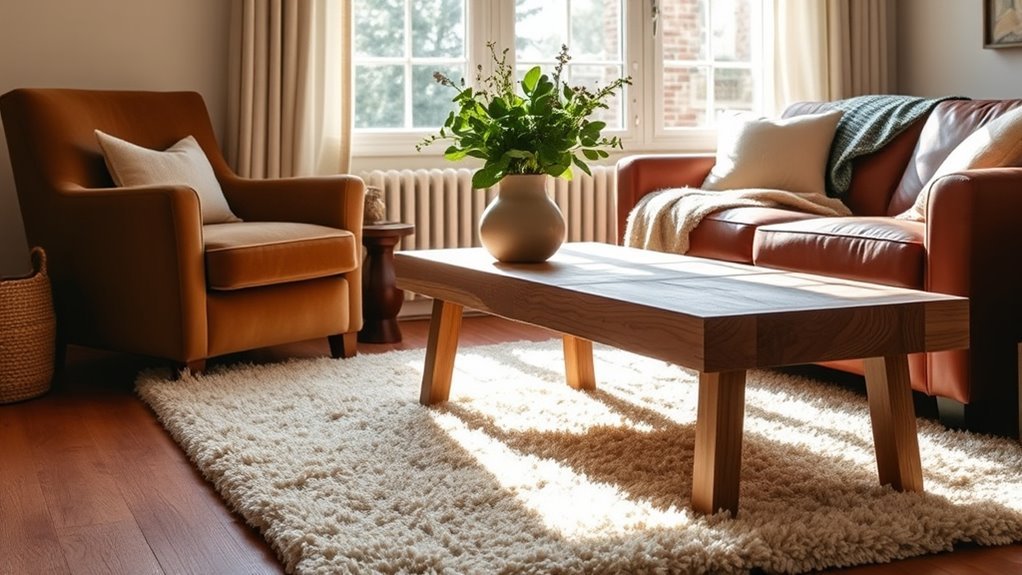
Area rugs are the single fastest way to warm up hard wood, tile, or laminate floors because they absorb echo, insulate bare feet, and visually unify floating furniture. In an open-concept layout, a properly sized rug carves out an intimate seating zone without adding physical walls.
Match your rug construction to your household’s daily traffic:
- Hand-knotted or tufted wool rugs: Naturally resilient, warm underfoot, and soil-resistant for main family rooms.
- Jute, sisal, or seagrass rugs: Deliver rich basketweave texture and earthy color, though sisal feels coarse on bare knees.
- Flatweave kilim or dhurrie rugs: Low-profile, reversible, and easy to vacuum in high-traffic walkways.
- High-pile shag or Moroccan berber rugs: Offer maximum plushness for low-traffic lounging zones but require regular deep vacuuming.
- Distressed vintage-style rugs: Provide complex visual texture even in a practical 0.25-inch low pile.
Size your rug generously: most standard living rooms require an 8×10-foot or 9×12-foot rug so at least the front 6 to 8 inches of the sofa and armchairs rest on the pile, leaving 12 to 18 inches of bare floor around the room edges. If you already own a smaller 5×8-foot patterned or sheepskin rug, layer it diagonally or centered on top of an 8×10-foot flat jute rug so 12 to 18 inches of the woven border frames the softer top layer.
Pro Tip: Always place a 0.25-inch felt-and-natural-rubber rug pad beneath your area rug. It prevents slipping, adds cushioned loft to thin flatweaves, reduces floor noise, and stops coarse jute backings from scratching hardwood finishes.
Recommended Products

【Easy-Care Machine Washable Rug】 Designed for active households, this low-maintenance boho rug combines style with practicality. Conveniently machine washable (cold gentle cycle recommended), and do not add bleach. Maintain its vibrant print between washes with routine vacuuming or spot cleaning. Minor shipping creases naturally relax within days when laid flat – no extra effort needed.

Soft & Durable: This 8x10 area rug low-pile combines soft faux wool fibers with a 0.25-inch height for comfort. Tight weaving reduces shedding and edge fraying, making it perfect for high-traffic areas like living rooms, bedrooms, and entryways

PET FRIENDLY & NON-SLIP BACKING-9x12 area rugs featuring simple of colors while promising a luxurious feel underfoot. The blend of a hexagon pattern and a stylish design. Non-slip TPR backing makes the covering for bringing your space together. Make the most of your time at home with our pet-friendly and easy-to-clean area rugs. Elevate the floors of your home with this show-stopping and detailed rug
Using Lighting to Highlight Textures
Even the richest fabrics and stonework look flat under a single harsh ceiling fixture. Layered, directional lighting casts micro-shadows across ridges, weaves, and wood grain so you can actually see the textures you brought into the room.
- Ambient lighting: Use dimmable ceiling fixtures, fabric-shaded floor lamps, or indirect cove lighting to establish a gentle overall glow.
- Task lighting: Position articulated floor lamps or ceramic table lamps beside reading chairs and sofa ends so the bottom of the shade sits near eye level when seated (about 40 to 42 inches from the floor).
- Accent lighting: Aim wall sconces, picture lights, or uplights 12 to 24 inches from textured plaster, brick, stone fireplaces, or linen drapery to graze the surface and deepen shadows.
Choose LED bulbs labeled 2700K to 3000K (warm white) with a Color Rendering Index (CRI) of 90 or higher. Bulbs above 4000K emit a bluish-white cast that turns cream, beige, and wood tones cold and muddy. According to the U.S. Department of Energy, qualified LED bulbs use up to 90% less energy and last up to 25 times longer than traditional incandescent bulbs while pairing smoothly with modern dimmer switches.
Choose Low-VOC and Easy-Care Pieces
Adding cozy textiles and new furniture should never compromise your home’s indoor air quality or daily practicality. The EPA explains that indoor volatile organic compound (VOC) concentrations average 2 to 5 times higher than outdoor air, off-gassing from synthetic upholstery foams, stain treatments, rug backings, adhesives, and solvent-based wood finishes.
When shopping for new textured pieces, look for independent third-party safety labels and air out new furnishings in a ventilated space for 48 to 72 hours:
- Curtains, pillows, and throws: Look for OEKO-TEX Standard 100 certified fabrics, which are lab-tested from yarn to zipper against more than 1,000 harmful substances including PFAS and formaldehyde.
- Sofas, wood tables, and finishes: Choose pieces carrying UL GREENGUARD Certification (or GREENGUARD Gold, which screens products against over 10,000 chemical emissions).
- Area rugs and rug pads: Check for Green Label Plus certification from The Carpet and Rug Institute, which verifies very low VOC emissions through 14-day chamber testing.
- Homes with kids or pets: Swap delicate silk velvet or loose-looped boucle (which claws can snag) for tightly woven performance chenille, distressed leather, washable cotton slipcovers, and low-pile patterned wool rugs.
- Allergy-sensitive or rental spaces: Choose flatweave washable rugs and machine-washable linen curtains over dust-trapping shag carpets, and add texture with peel-and-stick grasscloth wallpaper or plug-in wall sconces.
Recommended Products

New & Improved Area Rug With More Cushioning – Our new inner layer is 25% thicker than the previous material, giving this 5x7 area rugs a softer, more cushioned feel underfoot. Made for families who spend time on the floor, it adds extra comfort for playing with the kids, reading, relaxing, or simply walking barefoot at home

Non-Slip & Safe:Our area rugs feature an advanced non-slip backing that keeps it securely in place, even in high-traffic areas. The anti-slip design ensures safety for both kids and pets, preventing accidental slips and falls. Whether placed in the entryway, laundry room, or bathroom, this rug stays firmly put, offering you peace of mind and a secure footing for your family.

VINTAGE FLORAL MEDALLION: The distressed center motif, ornamental border and layered earth tones create an antique-inspired, collected look for boho, farmhouse and traditional interiors. The printed pattern keeps fine visual detail consistent across the rug.
Common Texture-Mixing Mistakes to Avoid
If your living room still feels cold, cluttered, or unfinished after adding textured decor, check for these seven common layout and styling errors:
- Every surface is soft: A plush sectional, shag rug, velvet pillows, and fuzzy throws without hard contrast looks shapeless. Add a solid wood coffee table, leather tray, or metal lamp base.
- Every surface is hard and slick: Leather seating, glass tables, bare floors, and blinds create echo and visual chill. Add floor-to-ceiling curtains, a wool rug, and woven baskets.
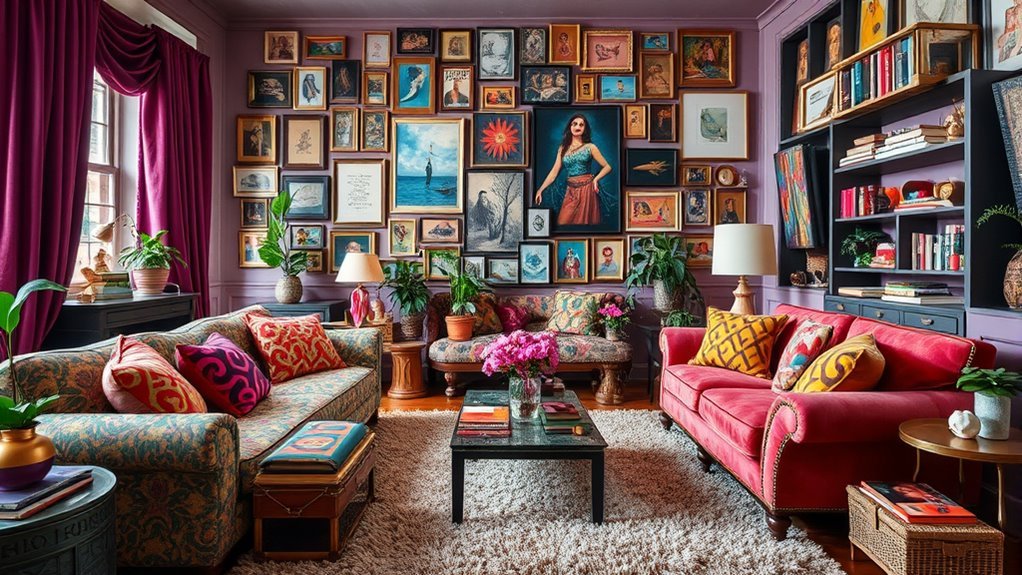
- Too many colors compete with the textures: When every texture introduces a new bright color, the room looks chaotic. Restrict your palette to three or four related neutral and earthy tones.
- The area rug is “postage-stamp” sized: A small rug floating under only the coffee table shrinks the room. Upgrade to an 8×10 or 9×12 rug, or layer your small rug atop a larger jute base.
- Materials appear only once: A single rattan chair or brass frame looks like an afterthought. Repeat key finishes at least twice across opposite sides of the room.
- Relying solely on overhead 4000K+ lighting: Cool ceiling downlights flatten fabric weaves and wash out warm neutrals. Switch to 2700K–3000K lamps at eye level.
- Patterns share the exact same scale: Combining three small geometric prints creates visual static. Pair one large organic pattern, one small stripe or check, and solid textured weaves.
A Simple 7-Step Texture Formula for Any Living Room
Follow this step-by-step sequence to layer warmth into an existing or empty living room without second-guessing your choices:
- Set a warm neutral foundation (70%): Paint walls and choose primary upholstery in cream, oatmeal, warm beige, taupe, or greige.
- Anchor the floor with a tactile rug: Lay down an 8×10 or 9×12 wool, flatweave, or layered jute-and-pile rug that catches the front legs of all main seating.
- Bring in two organic materials (20%): Add a solid wood coffee table or side table alongside woven rattan, cane, or seagrass baskets.
- Add one smooth grounding contrast: Introduce a cognac leather armchair, honed stone tray, or matte ceramic lamp base to break up fabric weaves.
- Layer three sofa textile textures: Combine washed linen, plush velvet or nubby boucle pillows, and a chunky knit or wool throw blanket.
- Add 10% metallic or reflective warmth: Repeat aged brass, bronze, blackened iron, or glazed ceramic in at least two spots (such as a floor lamp and curtain rod).
- Finish with three-point 2700K lighting: Place at least two table or floor lamps and one accent light around the room perimeter to cast soft evening shadows across your fabrics.
Key Takeaways
- Follow the 70-20-10 rule: 70% warm neutral foundation, 20% natural wood and woven materials, and 10% earthy or metallic accents.
- Combine five to seven distinct surface finishes—soft, nubby, woven, smooth, and slightly reflective—so no single material overwhelms the room.
- Size living room rugs to at least 8×10 or 9×12 feet so front furniture legs sit on the pile, or layer a 5×8 rug over a larger jute base.
- Use 2700K–3000K warm-white LED bulbs (90+ CRI) in side lamps to create gentle shadows that highlight fabric weaves and wood grain.
- Protect indoor air quality by choosing OEKO-TEX, UL GREENGUARD, or CRI Green Label Plus certified furnishings and keeping indoor humidity between 30% and 50%.
Frequently Asked Questions
What is the 3-5-7 rule in decorating?
The 3-5-7 rule is an interior styling guideline stating that objects and textures arranged in odd numbers look more natural and dynamic than even-numbered pairs. In a living room, aim for three contrasting textures on a coffee table tray, five pillows across a sectional, or five to seven total room textures.
How do you mix textures in a living room?
Mix textures in a living room by pairing contrasting materials—such as a slubbed linen sofa, knotted wool rug, walnut coffee table, velvet pillows, and brass lamps—within a cohesive 3- to 4-color palette. Repeat each material at least twice across the space so the room looks intentional rather than cluttered.
What is the 70-20-10 rule in decorating?
The 70-20-10 rule is a proportion formula that divides a room into 70% dominant base colors and matte fabrics, 20% secondary grounding materials like warm wood or leather, and 10% bold accents such as terracotta ceramic, olive velvet, or brushed brass hardware.
What is the 2/3 rule for living rooms?
The 2/3 rule is a furniture scale guideline where your coffee table should measure roughly two-thirds the length of your sofa, and your main seating group should occupy about two-thirds of the room’s footprint. Following this ratio keeps textured furniture from feeling cramped or floating.
How many textures should a living room have?
Most well-balanced living rooms feature five to seven distinct texture types. Combine one foundational upholstery fabric, one plush or nubby textile, one woven fiber (like jute or rattan), one warm wood tone, one smooth material (like leather or stone), and one metallic or ceramic finish.
What textures make a living room feel warm?
The warmest living room textures are tactile textiles like wool, boucle, velvet, chenille, chunky knit, and heavy linen paired with organic materials like white oak, walnut, saddle leather, jute, rattan, and unglazed clay. Highlighting these surfaces with 2700K warm-white lamps maximizes their cozy feel.
Can you mix leather and fabric furniture in the same living room?
Yes, mixing leather and fabric seating is one of the most effective ways to create contrast in a living room. Pair a soft linen or chenille sofa with one or two cognac leather armchairs, then bridge the two materials by placing a wool or velvet pillow on the leather chair.
How do you add warmth to a living room with gray walls or floors?
Warm up cool gray walls or floors by introducing camel leather, medium-toned walnut or white oak wood, cream boucle, and woven jute rugs that bridge cool and warm undertones. Replace 4000K cool bulbs with 2700K warm-white LEDs so the gray reads soft rather than icy.
Conclusion
Thoughtfully mixing textures in a living room turns a flat layout into a layered, welcoming space without adding visual clutter. Start by auditing your room in a quick black-and-white smartphone photo today: pick one missing material category—whether a woven jute rug, a smooth leather accent, or two 2700K table lamps—and repeat it twice across the seating area to feel the immediate difference in warmth.
Sources
- U.S. Environmental Protection Agency: Volatile Organic Compounds’ Impact on Indoor Air Quality: Supports indoor vs. outdoor VOC concentration ratios and guidance on emissions from furnishings, paints, and finishes.
- U.S. Environmental Protection Agency: Mold Course Chapter 2: Supports keeping indoor relative humidity between 30% and 50% (and below 60%) and using an under-$50 humidity gauge to prevent mold growth on wood and textiles.
- U.S. Department of Energy: Lighting Choices to Save You Money: Supports LED energy savings (up to 90% less energy and 25 times longer lifespan than incandescent bulbs) and dimmer control recommendations.
- Journal of Exposure Science & Environmental Epidemiology (Cummings & Waring): Supports the finding that potted houseplants do not meaningfully improve indoor air quality or remove VOCs in typical buildings.
- OEKO-TEX: STANDARD 100: Supports testing standards for home textiles against more than 1,000 harmful chemical substances.
- UL Solutions: UL GREENGUARD Certification: Supports low-chemical and low-VOC emission certification criteria for indoor furniture and building finishes.
- The Carpet and Rug Institute: Green Label Plus: Supports 14-day chamber VOC emissions testing standards for low-emitting area rugs, carpets, and rug cushions.


[…] How to Mix Textures in a Living Room for Visual Warmth: Step-by-Step Guide […]