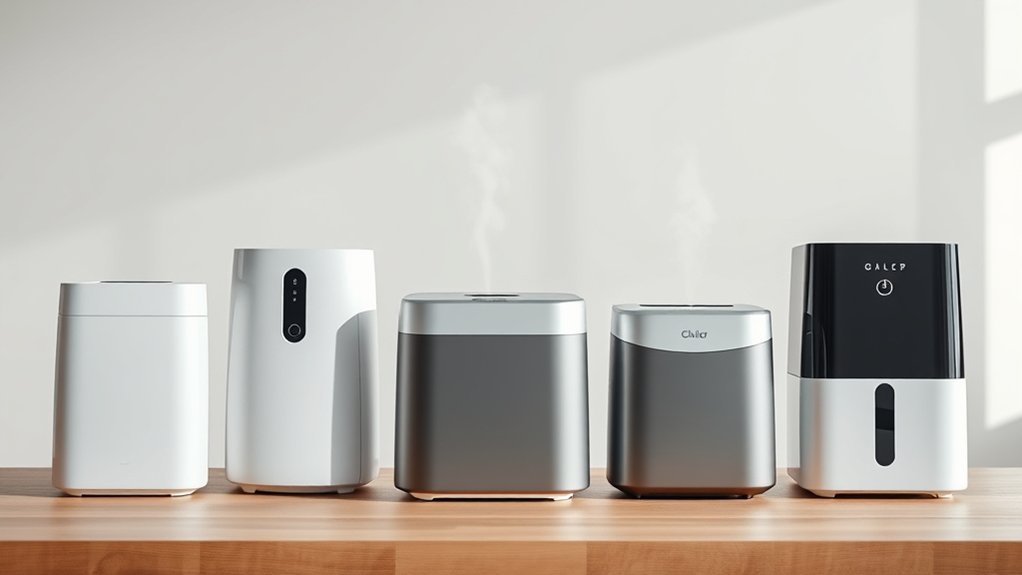
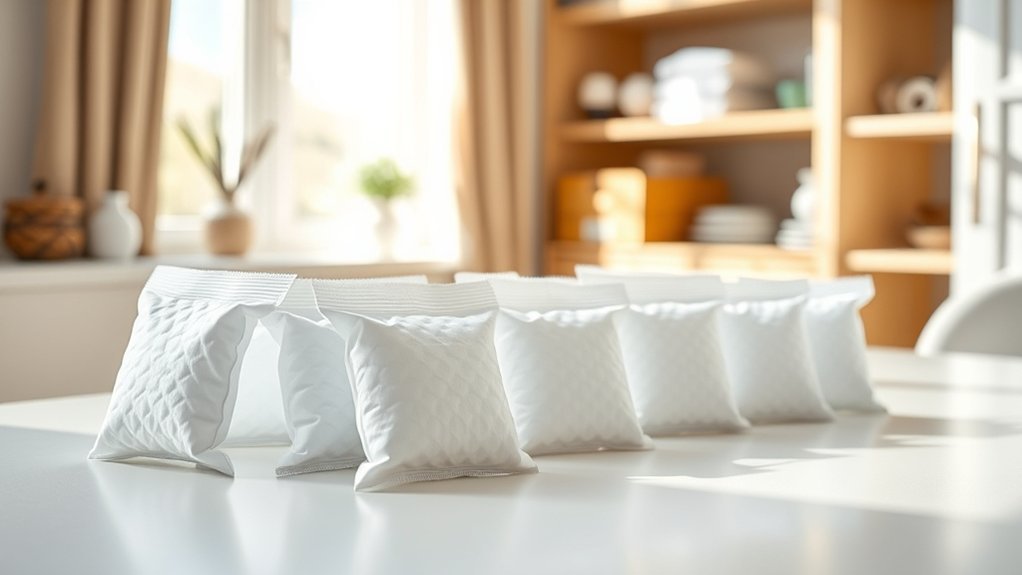
Looking for the best dehumidifiers that don’t add extra plug-in heat or blow warm exhaust into your space in 2026? Focus on non-electric moisture absorbers and rechargeable silica-gel dehumidifiers. These options are best for closets, bathrooms, cabinets, RVs, cars, bedrooms, and other small damp spots where you want quiet moisture control without a compressor, fan, or warm air outlet during normal use.
They will not replace a full-size powered dehumidifier for a wet basement, major leak, water damage, or whole-home humidity problem. But if your goal is simple, silent, no-plug moisture control for a small area, the picks below are the better fit.
Affiliate disclosure: As an Amazon Associate, this site may earn from qualifying purchases. Product details, package contents, coverage claims, and refill guidance can change, so check the Amazon listing before buying.
Quick verdict: Choose HUMYDRY if you want the strongest passive option for medium enclosed areas. Pick the Eva-Dry E-333 for closets, cars, gym bags, safes, and small spaces where portability matters. Choose Absodry if you want a refillable moisture absorber with a clean, minimalist look.
Important note: Rechargeable silica-gel units may use electricity and heat while recharging, but they do not run a fan, compressor, or warm exhaust cycle while sitting in your space absorbing moisture.
Quick Comparison
|
Best For |
Product |
Power Type |
Main Advantage |
Check Price |
|---|---|---|---|---|
|
Best overall passive pick |
HUMYDRY Moisture Absorber |
Non-electric moisture absorber |
Long-lasting passive humidity control with refillable use |
|
|
Best portable rechargeable pick |
Eva-Dry Wireless Mini Dehumidifier E-333 |
Rechargeable silica gel |
Cordless, spill-free, and portable |
|
|
Best home-friendly design |
Absodry Moisture Absorber |
Refillable calcium chloride absorber |
Clean design with simple maintenance |
How we chose these picks: We prioritized moisture-control products that work without a fan or compressor during normal use, fit small or enclosed spaces, offer simple recharge or refill maintenance, and make sense for readers who want quiet moisture control without warm air exhaust.
Best use case: These products work best for mild dampness, musty storage areas, closets, RV cabinets, small bathrooms, and moisture prevention around stored items. They are not emergency drying tools.
HUMYDRY Moisture Absorber Dehumidifier Device (Pack of 2)
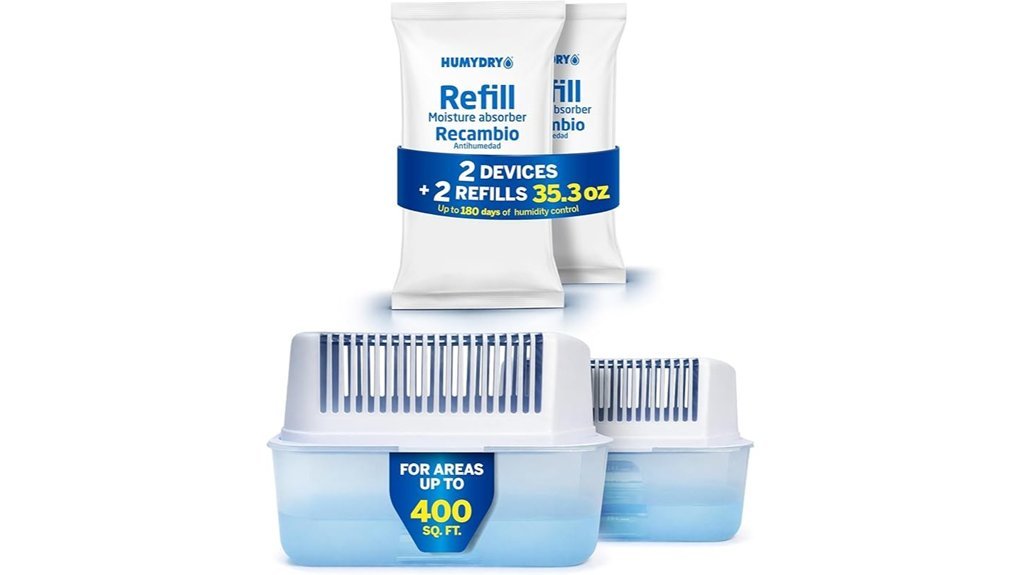
The HUMYDRY Moisture Absorber Dehumidifier Device is a strong fit if you want passive humidity control without electricity. It does not need a plug, battery, fan, or compressor during use, making it a better match for shoppers who want moisture absorption without warm air exhaust.
The pack is designed for larger enclosed rooms and storage areas, with product listings commonly describing reusable devices and pre-measured refills. Refill life depends on humidity, airflow, and room conditions, so check the current Amazon listing for the exact package contents and replacement guidance before buying.
Why You’ll Like It: It gives you a set-and-check option for spaces where you want passive moisture control without noise, cords, or daily emptying.
Best For: Buyers who want a non-electric moisture absorber for medium enclosed areas such as closets, laundry areas, bedrooms, RVs, garages, and basement corners.
Who Should Buy This: Choose it if you want a low-maintenance option that can sit quietly in a damp-prone space.
Who Should Avoid This: Skip it if you need fast, powered moisture removal after flooding, leaks, or very high humidity.
Pros:
- Non-Electric Operation: Absorbs moisture without a plug, battery, fan, or compressor.
- Good for Enclosed Areas: A practical choice for closets, laundry rooms, RVs, garages, and storage spaces.
- Reusable System: Refillable design can reduce waste compared with disposable tubs.
Cons:
- Slower Than Powered Units: Passive absorbers work gradually rather than quickly drying a room.
- Refills Required: Ongoing refill costs should be considered.
- Not for Serious Damp Problems: It is not a fix for leaks, flooding, mold growth, or poor ventilation.
Eva-Dry Wireless Mini Dehumidifier, White (E-333)
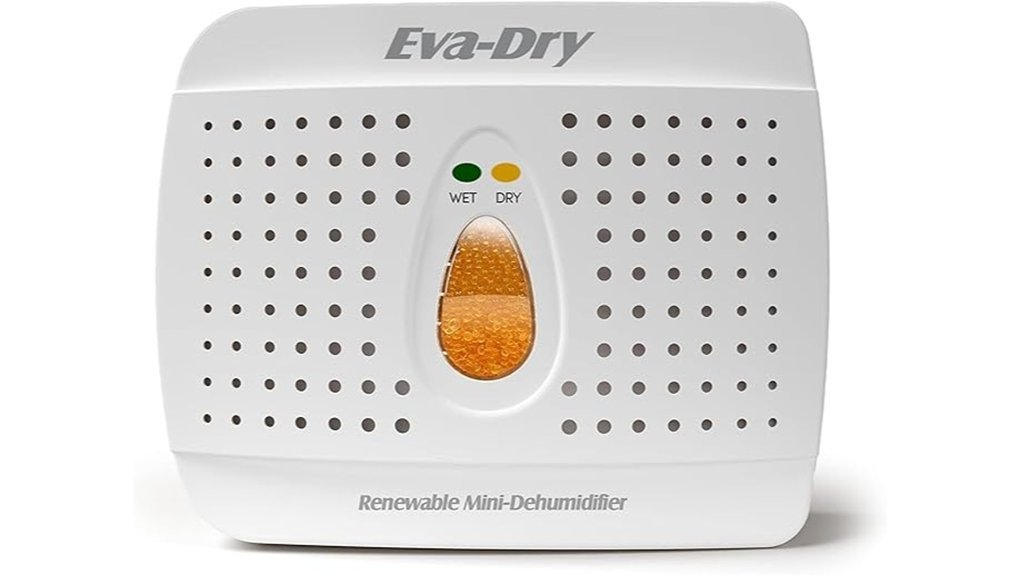
The Eva-Dry Wireless Mini Dehumidifier E-333 is one of the most convenient picks for closets, cars, gym bags, cabinets, safes, and other small enclosed spaces. It is cordless and battery-free during use, so there is no fan noise, no compressor, and no warm air blowing into your space.
It is commonly listed for up to 333 cubic feet and uses color-changing moisture beads to show when it needs to be renewed. Capacity details can vary by listing, so confirm the current Amazon product page if exact moisture capacity matters to you. It is a smart pick when you want a portable dehumidifier that can move from one small area to another without cords or water spills.
Why You’ll Like It: It is easy to hang, move, and reuse, which makes it more convenient than a refill tub for cars, closets, safes, and travel storage.
Best For: Closets, cars, safes, gym bags, RV cabinets, boats, and other compact spaces.
Who Should Buy This: Choose it if portability and simple maintenance matter more than fast moisture removal.
Who Should Avoid This: Skip it if you need a dehumidifier for a full bedroom, basement, or large bathroom.
Pros:
- Cordless and Battery-Free: Easy to place almost anywhere during normal use.
- Mess-Free Design: No liquid tank to empty during daily use.
- Clear Moisture Indicator: Shows when it is time to recharge.
Cons:
- Small-Space Only: Not designed for large rooms or heavy dampness.
- Regular Recharging Needed: Requires recharging after the beads reach capacity.
- Limited Moisture Capacity: Best for prevention and light moisture control, not major drying jobs.
Absodry Moisture Absorber Dehumidifier for Home
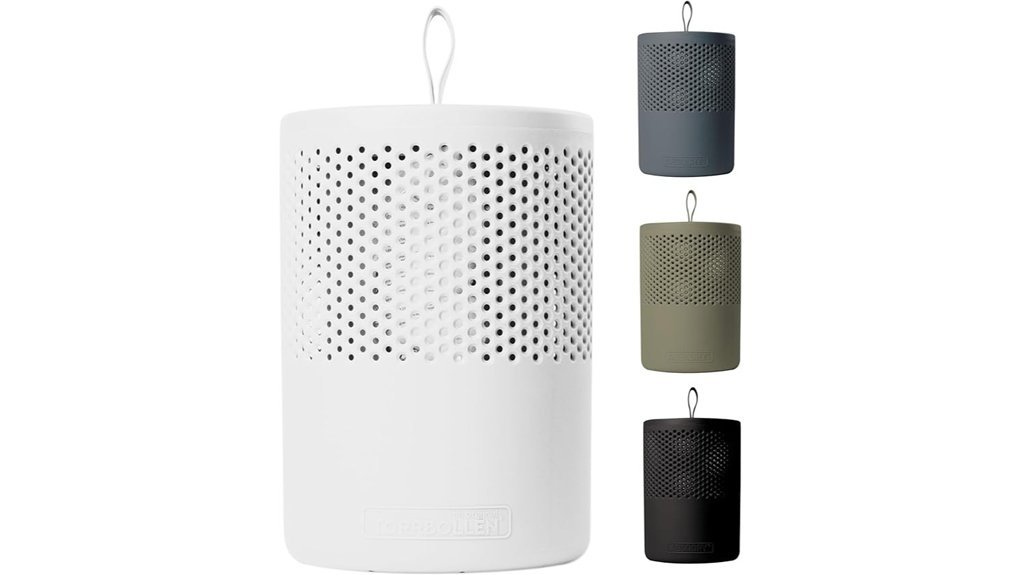
For a clean-looking, passive humidity control option, the Absodry Moisture Absorber is a strong choice. It uses moisture-absorbing crystals to collect moisture without electricity, so it does not run a fan, compressor, or powered heating element during use.
It is useful for bedrooms, bathrooms, closets, laundry spaces, storage areas, and other places where you want a more home-friendly design than a basic moisture tub. Refill life depends on humidity level and room conditions, so check the current listing for the exact model, refill size, and recommended replacement timing.
Why You’ll Like It: It looks cleaner than many disposable moisture tubs, so it is easier to use in visible home spaces.
Best For: Buyers who want a refillable, non-electric moisture absorber with a cleaner home-friendly design.
Who Should Buy This: Choose it if you want passive moisture control for bedrooms, bathrooms, closets, or storage spaces.
Who Should Avoid This: Skip it if you need digital controls, fast drying, or whole-room humidity management.
Pros:
- No Electricity Needed: Works passively without adding plug-in heat or warm exhaust.
- Quiet Operation: No motor, fan, or compressor noise.
- Refillable Design: Simple to empty and refill when needed.
Cons:
- Passive Performance: Works gradually and depends on humidity levels.
- Refills Needed: Requires replacement granules over time.
- Not a Leak Solution: It will not solve structural dampness, plumbing leaks, mold, or poor ventilation by itself.
Factors to Consider When Choosing Dehumidifiers That Don’t Produce Heat
When choosing a dehumidifier that does not add plug-in heat during normal use, focus on passive or rechargeable desiccant-style products. These are best for light moisture control in small, enclosed, or moderately damp areas. If you need fast drying, digital humidity control, or large-room coverage, a powered dehumidifier may work better, but it may also add heat to the room while it runs.
Safety note: Passive moisture absorbers are helpful for mild dampness, but they do not fix the source of water. Repair leaks, improve ventilation, and dry wet materials quickly. Keep silica gel beads, calcium chloride refills, and collected liquid away from children and pets.
For general indoor comfort and mold prevention, many home guidance sources recommend monitoring humidity with a hygrometer and keeping indoor humidity in a moderate range when possible.
Key Features to Look For
Look for non-electric operation, rechargeable silica gel, calcium chloride moisture absorption, stable containers, clear indicators, and a size that matches your space. A good passive dehumidifier should be easy to place, easy to monitor, and simple to recharge or refill. Color-changing indicators are helpful because they show when a rechargeable unit has reached capacity.
No Plug-In Heat vs. Zero Heat
Most shoppers looking for a no-heat dehumidifier really want a product that does not blow warm air into the room. Passive moisture absorbers and silica-gel units meet that need during normal use. Rechargeable units may become warm during the renewal cycle, so recharge them in a safe, ventilated area and follow the product instructions.
Silica Gel vs. Calcium Chloride
Silica-gel units are usually best when you want reusable, spill-free moisture control for small enclosed spaces. Calcium chloride absorbers usually hold more moisture but collect liquid in a reservoir, so you must empty them carefully and avoid spills on wood, fabric, metal, or finished surfaces.
Energy Efficiency Ratings
Passive moisture absorbers do not use electricity during normal operation, which makes them appealing for small spaces where you do not want more heat or power use. Rechargeable silica-gel units may need electricity only during the recharge cycle. Refillable absorbers do not need charging, but you should factor in the cost of replacement refills.
Noise Level Considerations
If quiet operation is your priority, passive and rechargeable moisture absorbers are ideal. They do not use fans or compressors during normal use, so they are silent in bedrooms, closets, cabinets, safes, and RV storage areas. This makes them better for noise-sensitive spaces than powered mini dehumidifiers.
Size and Portability
Choose the size based on where you plan to use it. A tiny rechargeable unit works well in a cabinet, safe, bathroom corner, or storage bin. A larger refillable absorber is better for closets, laundry areas, RVs, bedrooms, or basement corners. For best results, place the absorber where air can reach it and avoid hiding it behind clutter.
Maintenance and Cleaning Ease
Maintenance depends on the type you choose. Rechargeable silica-gel units need to be recharged when the indicator changes color. Refillable moisture absorbers need the collected liquid emptied and the refill replaced when used up. Always follow the product label, wash hands after handling refills, and avoid spilling collected liquid on wood, fabric, metal, or finished surfaces.
Safety Features Importance
Because many moisture absorbers use silica gel or calcium chloride, place them where children and pets cannot open, chew, or spill them. Choose stable containers, secure lids, and designs that reduce accidental tipping. These products are useful for moisture control, but they should not be used as a substitute for fixing leaks, water intrusion, or mold problems.
Moisture Absorption Capacity
Passive dehumidifiers usually remove moisture more slowly than powered dehumidifiers. Match the product to the space size and humidity level. A small rechargeable unit may be enough for a cabinet or closet, while a larger refillable absorber is better for a bathroom, bedroom, RV, or storage area. In very humid spaces, you may need multiple units or a powered dehumidifier.
Before You Buy
- Check your real problem: Passive absorbers help with mild dampness, but leaks, water intrusion, and water damage need repair.
- Measure the space: Match the product’s listed coverage to your closet, room, cabinet, safe, RV, or storage area.
- Decide between recharge and refill: Rechargeable units are reusable and spill-free, while refillable absorbers may handle more moisture between maintenance cycles.
- Think about placement: Put the unit where air can circulate around it, not behind piles of clothes or storage boxes.
- Use a hygrometer: A small humidity gauge helps you see whether the product is actually improving the space.
- Check Amazon details: Product size, coverage, refill type, recharge method, and package contents can change.
Frequently Asked Questions
How Do Dehumidifiers Without Heat Work?
Most no-warm-exhaust options use moisture-absorbing materials such as silica gel or calcium chloride. They pull moisture from the air passively instead of using a compressor, fan, or refrigeration cycle. Rechargeable models may use heat only during the recharge process, not while sitting in your space absorbing moisture.
Do Passive Dehumidifiers Produce Any Heat at All?
They do not produce plug-in heat or blow warm air like compressor dehumidifiers. Some moisture-absorbing materials can release tiny amounts of heat as they absorb moisture, and rechargeable units use heat during renewal, but that is different from a powered dehumidifier warming the room while it runs.
Are There Energy-Efficient Options Available?
Yes. Non-electric moisture absorbers use no electricity during normal operation. Rechargeable silica-gel units use power only when they need to be renewed, while refillable absorbers require replacement refills instead of electricity.
Can I Use a Dehumidifier in a Cold Climate?
Passive moisture absorbers can be useful in cool closets, cabinets, RVs, and storage spaces because they do not rely on compressor coils. Performance still depends on humidity, airflow, and the product’s listed operating guidance. For large cold basements or heavy dampness, check whether you need a larger powered unit designed for low-temperature use.
What Maintenance Do These Dehumidifiers Require?
You will need to recharge silica-gel units when the indicator changes color or replace/refill moisture absorber cartridges when they are used up. For refillable units, empty collected liquid carefully and keep refills away from children and pets.
How Do I Know the Right Size for My Space?
Start with the product’s listed coverage area, then consider how damp the space feels. A small cabinet or closet may need only one compact unit. A bathroom, bedroom, RV, or basement corner may need a larger absorber or multiple units. If humidity remains high, improve ventilation, fix the moisture source, or consider a powered dehumidifier.
Will a No-Heat Dehumidifier Cool My Room?
No. A passive moisture absorber does not work like an air conditioner. It can make a small space feel less damp or musty, but it will not lower the room temperature. If cooling is your main goal, use an air conditioner or fan along with proper ventilation.
Can a Passive Moisture Absorber Prevent Mold?
It can help reduce mild dampness in a small enclosed space, but it should not be your only mold-prevention step. Fix leaks, improve airflow, clean existing mold safely, and monitor indoor humidity. If you see repeated condensation, staining, or musty odors, the moisture source needs attention.
Conclusion
The best dehumidifiers that don’t produce extra plug-in heat are usually passive moisture absorbers or rechargeable silica-gel units. For closets, RVs, and medium enclosed areas, HUMYDRY offers stronger passive control. For portable use, the Eva-Dry E-333 is a smart pick. For a cleaner home-friendly design, Absodry is a strong refillable option.
Choose based on your space size, refill preference, and moisture level. If you are dealing with heavy dampness, leaks, water damage, or mold, fix the source of moisture first and use a larger humidity-control solution if needed.