Affiliate disclosure: This article contains Amazon affiliate links. We may earn a commission from qualifying purchases at no extra cost to you. Product availability, shipping eligibility, import fees, warranty coverage, and seller details can change, so Canadian shoppers should confirm the current listing before ordering.
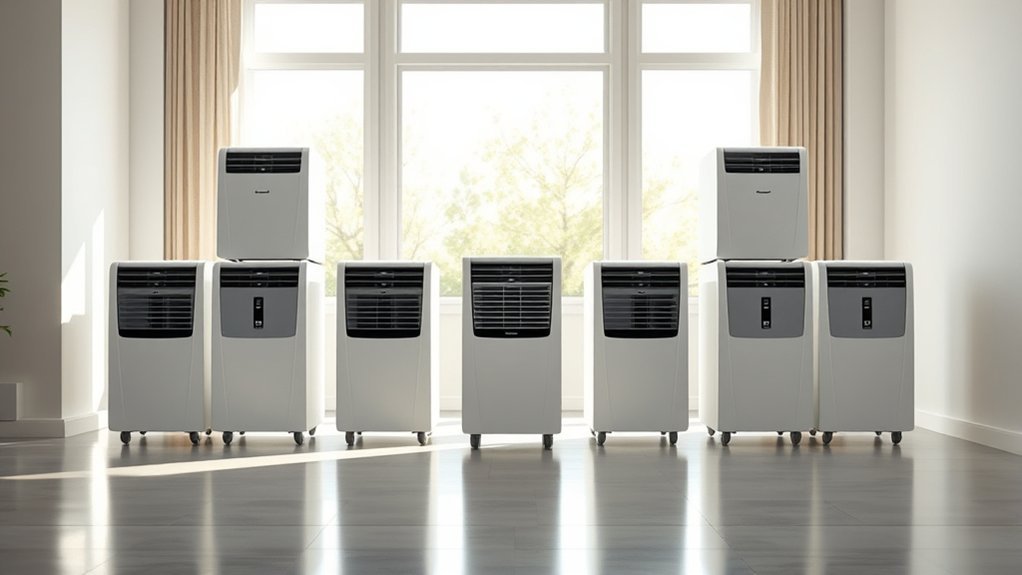
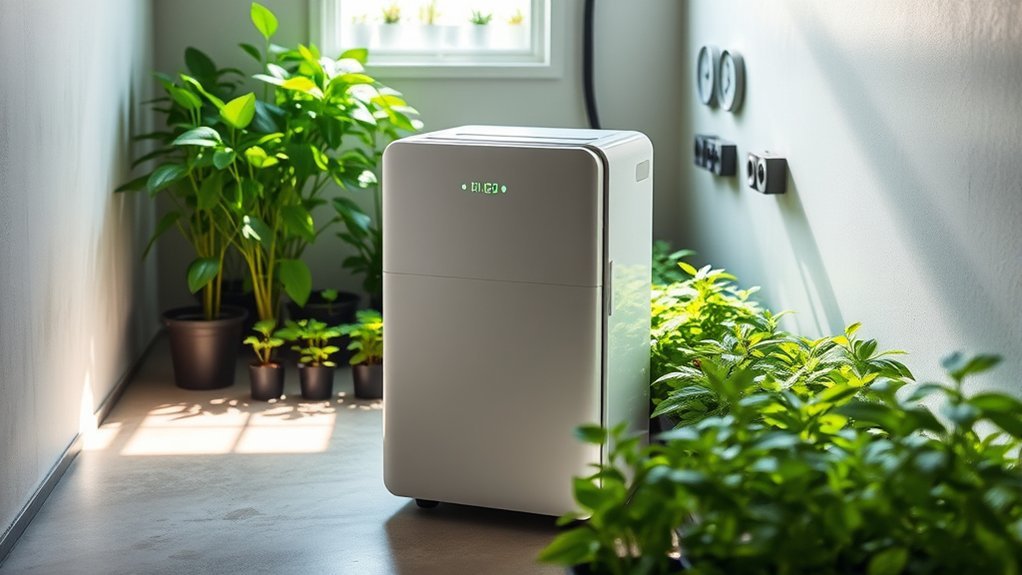
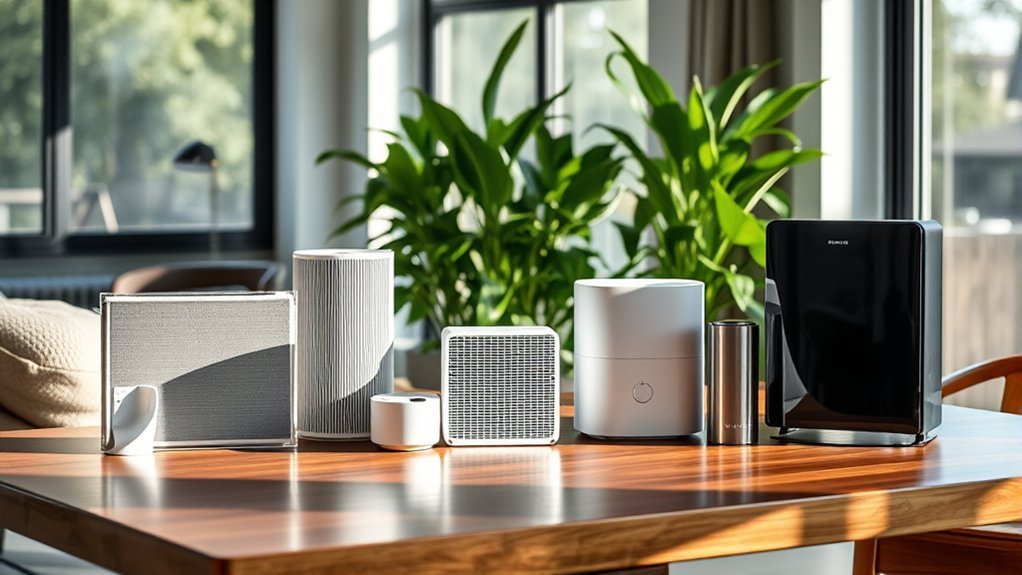
Small dehumidifiers can help with light, localized moisture in bedrooms, bathrooms, closets, and RVs, but they are not all built for the same job. For 2026, the strongest options in this list include the KeepGlad 98OZ Dehumidifier for a larger tank and drain-hose convenience, the Lonxfy H2105 for quiet bedroom use, and the NeedDuck 44OZ model for timer and mode controls.
Most powered models below use thermoelectric or semiconductor technology. That keeps them compact and relatively quiet, but their real moisture-removal ability is much lower than a compressor dehumidifier. For a wet basement, repeated window condensation, visible mould, or humidity that remains above 50% despite ventilation and moisture-source control, address the underlying cause and choose a properly sized compressor model instead of relying on a mini unit.
Quick Verdict
- Best Overall: KeepGlad 98OZ Dehumidifier for its larger tank, multiple settings, humidity display, and drain-hose option.
- Best for Bedrooms: Lonxfy H2105 for sleep mode, compact size, and low-noise operation.
- Best Feature Set: NeedDuck 44OZ Dehumidifier for its timer choices, three operating modes, and auto-defrost feature.
How to Read This List
All six picks are powered mini dehumidifiers intended for light moisture control in compact, enclosed spaces. Seller-stated square-foot coverage is not the same as standardized daily moisture-removal capacity, so compare tank size, stated output, room temperature, and drainage needs before buying.
Quick Comparison of 6 Small Dehumidifiers
| Product | Best For | Tank or Capacity | Important Limitation | Amazon |
|---|---|---|---|---|
| KeepGlad 98OZ | Compact rooms where a larger tank and gravity drainage help | 98 oz tank; seller-listed output up to 40 oz per day under favourable conditions | Still not a substitute for a high-capacity compressor unit in a wet basement | Check Details |
| Lonxfy H2105 | Bedrooms, offices, closets, and RVs | 35 oz tank; listing states up to 10 oz per day under warm, humid test conditions | Performance drops in cool rooms and severe humidity | Check Details |
| NeedDuck 44OZ | Users who want timers and several operating modes | 44 oz tank | Best suited to small enclosed spaces, not open-plan rooms | Check Details |
| TABYIK 38OZ | Bathrooms, closets, bedrooms, and RVs | 38 oz tank; listing states up to 11 oz per day under warm, humid test conditions | No continuous drain and limited cold-room performance | Check Details |
| OWAAE 95OZ | People who want a larger tank and quiet sleep mode | 95 oz tank | Large coverage claims should not be treated as compressor-level performance | Check Details |
| AlohaAir 34OZ | Compact bedrooms, bathrooms, closets, and RVs | 34 oz tank; listing states up to 280 ml per day | Not designed for large or persistently wet spaces | Check Details |
Lonxfy H2105 Dehumidifier with Sleep Mode and 7-Color Lights
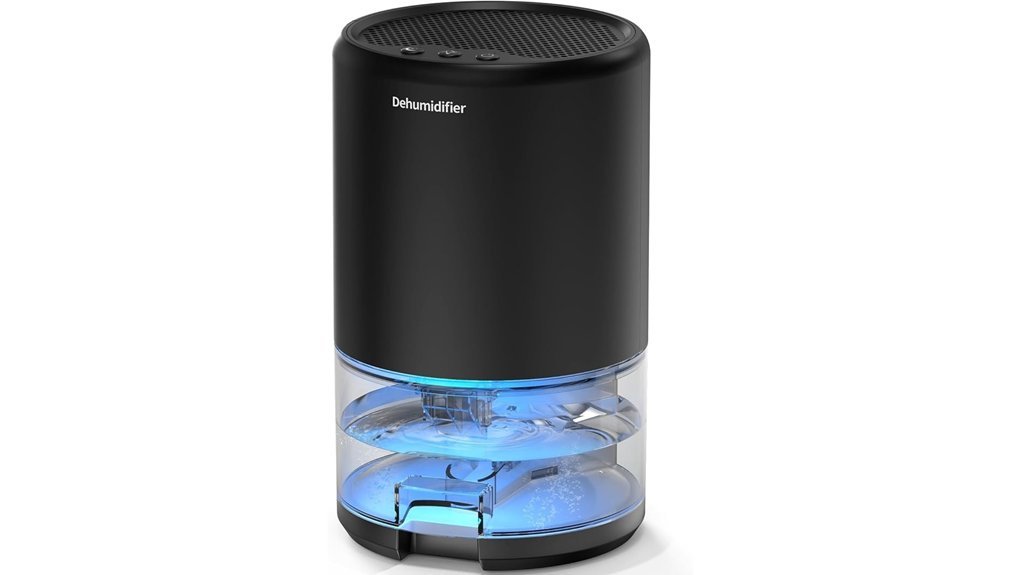
Best for quiet bedrooms. The Lonxfy H2105 combines a 35 oz tank, sleep mode, automatic shut-off, a removable filter, and seven ambient-light colours in a compact body. Its listing states that it can collect up to 10 oz of water per day under warm, high-humidity test conditions and is intended for enclosed spaces up to 350 sq. ft.
Why You’ll Like It: The simple controls, built-in handle, and low-noise design make it easy to move between a bedroom, office, bathroom, or RV. The night light can also be turned into a practical bedside feature rather than a required part of operation.
Who Should Buy This: People who want gradual moisture control in a small, warm room and value quiet operation.
Who Should Avoid This: Anyone trying to dry a wet basement, manage flood-related moisture, or control humidity in a large open area.
Pros:
- Compact 35 oz tank with automatic shut-off.
- Sleep mode and low-noise operation suit bedrooms and offices.
- Portable design with a washable or removable intake filter.
Cons:
- Moisture-removal figures are based on warm, humid test conditions.
- Not powerful enough for severe dampness or large rooms.
- No continuous-drain option.
TABYIK 38OZ Small Quiet Dehumidifier
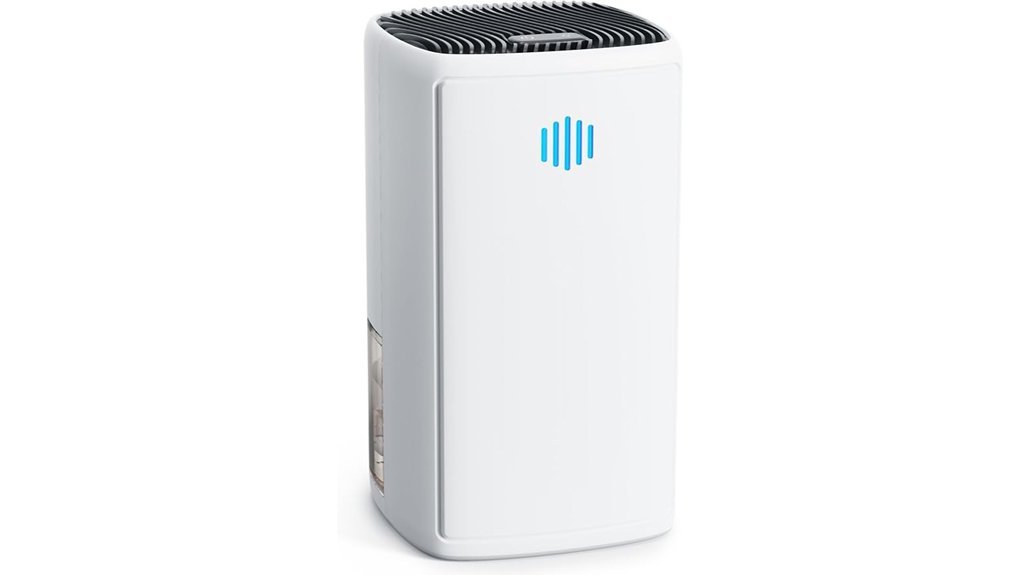
Best for bathrooms and RVs. The TABYIK model uses semiconductor technology and has a 38 oz tank, automatic shut-off, and a full-tank indicator. The product listing states moisture collection of up to 11 oz per day at 86°F and 80% relative humidity, so its performance will be lower in cooler or less humid rooms.
Why You’ll Like It: It is compact enough for tight spaces and designed to run quietly in bedrooms, offices, closets, and RVs. The tank size is practical for light daily moisture without making the unit bulky.
Who Should Buy This: Shoppers who need a straightforward mini dehumidifier for an enclosed room with mild dampness.
Who Should Avoid This: Buyers who need a built-in humidistat, continuous drainage, or high-volume basement drying.
Pros:
- 38 oz tank with automatic shut-off and a full-tank warning.
- Compact shape is easy to place in bathrooms, closets, and RVs.
- Quiet operation is suitable for sleep or focused work.
Cons:
- No continuous drain.
- Extraction slows noticeably in cool conditions.
- Coverage claims should be treated as a maximum for light moisture, not heavy dampness.
OWAAE Dehumidifier with 95OZ Tank
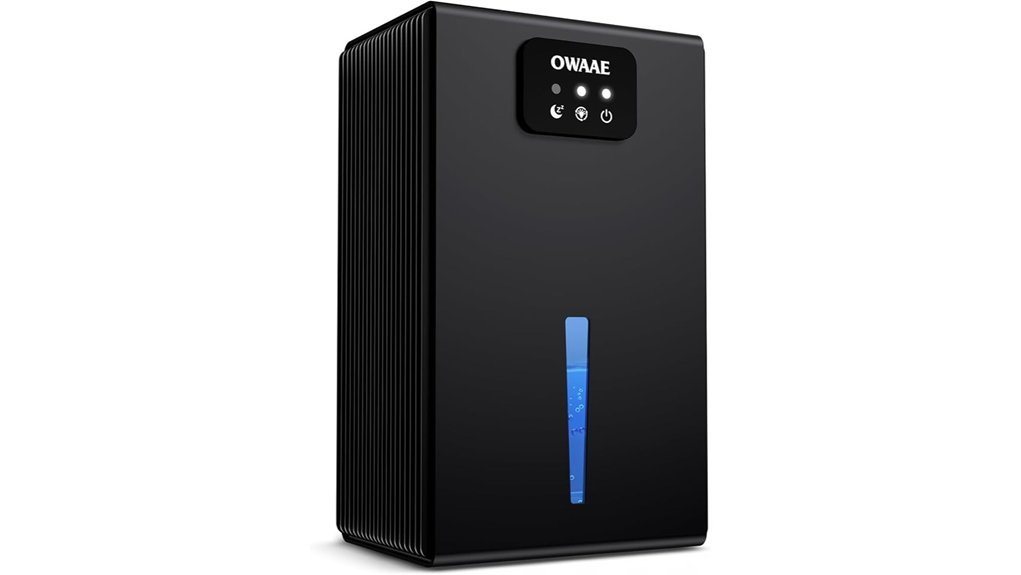
Best large-tank mini option. The OWAAE model has a 95 oz tank, sleep mode, automatic shut-off, a built-in handle, and seven-colour LED lighting. The seller markets it for broad coverage, but its compact design is better viewed as a maintenance unit for enclosed rooms than as a replacement for a high-capacity compressor dehumidifier.
Why You’ll Like It: The larger tank can reduce how often you need to empty the unit, while the sleep mode and portable handle make it easier to use in bedrooms, bathrooms, laundry areas, or other enclosed spaces with light moisture.
Who Should Buy This: People who prioritize tank size, simple operation, and quieter overnight use.
Who Should Avoid This: Anyone with standing water, persistent mould, or a basement that requires several litres of moisture removal per day.
Pros:
- Large 95 oz tank for a mini dehumidifier.
- Sleep mode, automatic shut-off, and portable handle.
- LED lighting can be useful as a soft night light.
Cons:
- No confirmed continuous-drain feature in the current product information reviewed.
- Coverage wording may overstate practical performance in open or very damp rooms.
- Exact daily extraction can vary greatly with temperature and relative humidity.
NeedDuck Portable Quiet Dehumidifier with 44OZ Tank
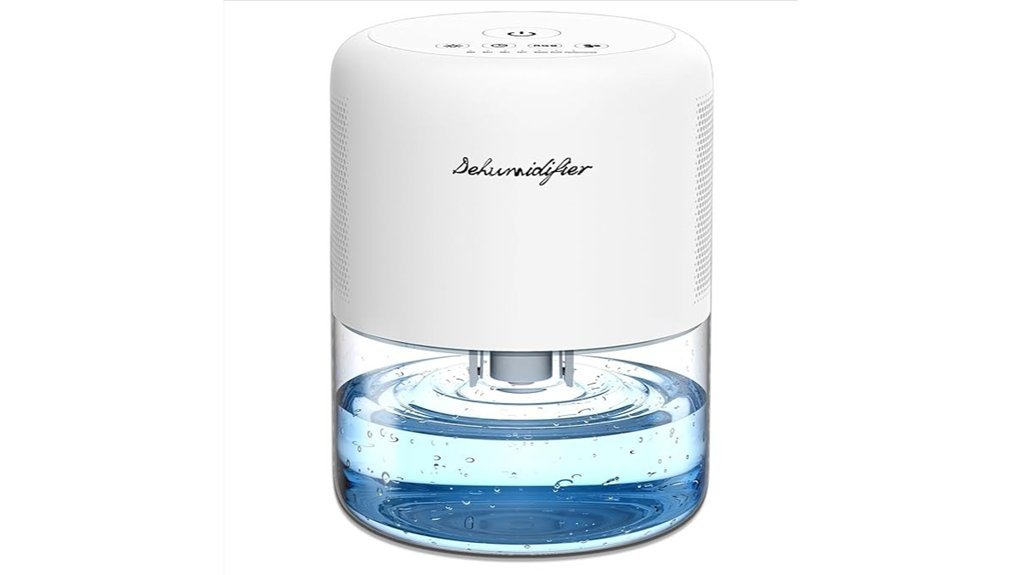
Best feature set. This NeedDuck model pairs a 44 oz tank with three operating modes, four timer choices, automatic shut-off, and automatic defrost. It is compact, weighs about 2.6 lb, and is intended for small enclosed areas rather than large rooms.
Why You’ll Like It: The Sleep, Auto, and Performance modes make it easier to balance noise and moisture removal. Timer settings also let you limit runtime without manually switching the unit off.
Who Should Buy This: Buyers who want more control than a basic one-button mini dehumidifier provides.
Who Should Avoid This: People who need a humidistat-controlled compressor model or continuous drainage.
Pros:
- Three operating modes and four timer settings.
- 44 oz tank with automatic shut-off and auto-defrost.
- Compact 28-watt design is easy to move.
Cons:
- Practical coverage is limited to small enclosed spaces.
- The tank still requires manual emptying.
- Ambient lighting may be unnecessary for some buyers.
AlohaAir Small Dehumidifier with Night Light
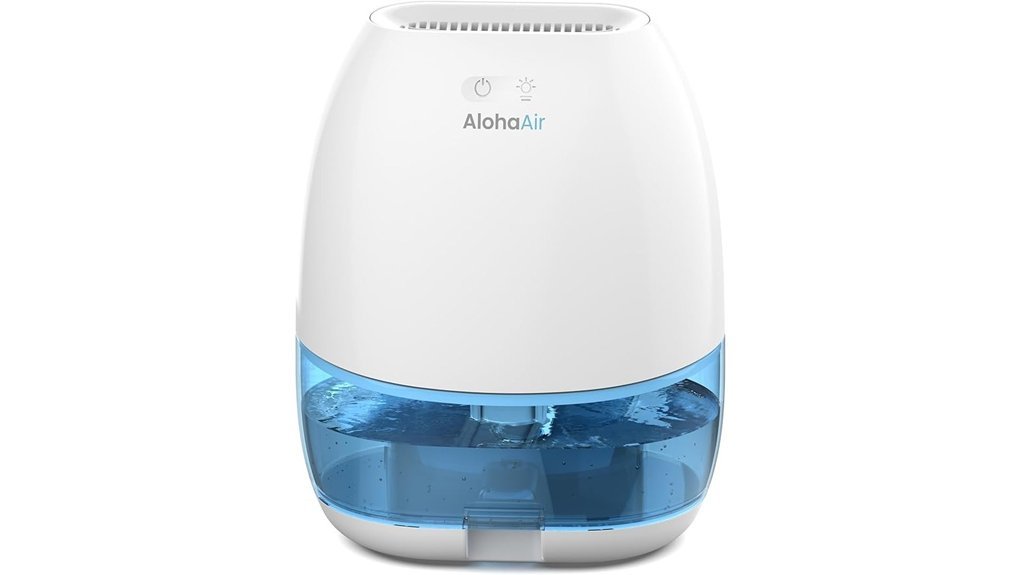
Best for easy water-level checks. The AlohaAir dehumidifier has a 34 oz transparent tank, automatic shut-off, a carrying handle, seven-colour ambient lighting, and a listed daily extraction rate of up to 280 ml under favourable conditions. The product information positions it for areas up to about 200 sq. ft.
Why You’ll Like It: The transparent tank makes it easy to see when water is collecting, and its compact size is convenient for bedrooms, bathrooms, closets, or RVs.
Who Should Buy This: People who need a small, portable unit for mild humidity and want easy water-level monitoring.
Who Should Avoid This: Buyers who need high-volume extraction or reliable performance in a cold basement.
Pros:
- Transparent 34 oz tank is easy to monitor and remove.
- Automatic shut-off helps prevent overflow.
- Compact design and handle improve portability.
Cons:
- Limited to small spaces and light moisture loads.
- Daily output depends heavily on temperature and humidity.
- Warranty wording varies by seller, so verify current terms before ordering.
KeepGlad 98OZ Dehumidifier for Home
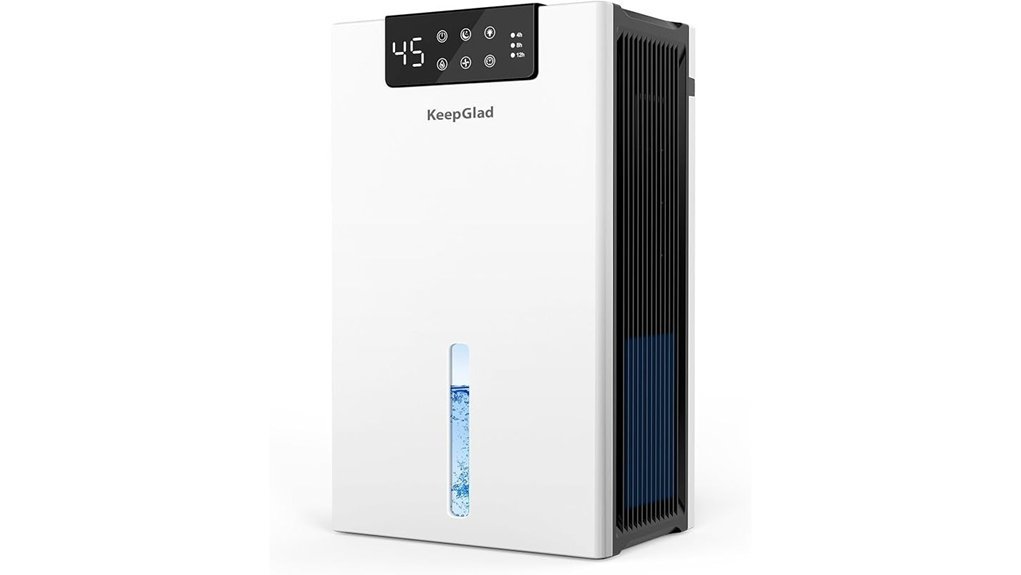
Best overall. The KeepGlad 98OZ model offers a larger tank, a real-time humidity display, multiple operating settings, automatic shut-off, a washable filter, timer controls, and a drain-hose option. The seller lists moisture collection of up to 40 oz per day under favourable conditions and markets the unit for spaces up to 1,000 sq. ft.; however, practical results depend heavily on room layout, temperature, and humidity load.
Why You’ll Like It: It offers more control and less frequent tank emptying than the smallest models. The included drain-hose feature is especially useful when the unit can be placed above a suitable drain for gravity flow.
Who Should Buy This: Shoppers who want the most capable mini-style option in this roundup for bedrooms, bathrooms, laundry areas, or moderately damp enclosed rooms.
Who Should Avoid This: Homeowners with a wet basement or whole-floor moisture problem that calls for a compressor model rated in litres or pints per day under standardized testing.
Pros:
- 98 oz tank, humidity display, timer, and multiple operating settings.
- Drain-hose option can reduce manual emptying.
- Washable filter supports easier maintenance.
Cons:
- Higher power use than very small thermoelectric models.
- Large coverage claims may not reflect performance in open or severely damp spaces.
- The filter and drainage path require regular checking.
Factors to Consider When Choosing a Small Dehumidifier in Canada
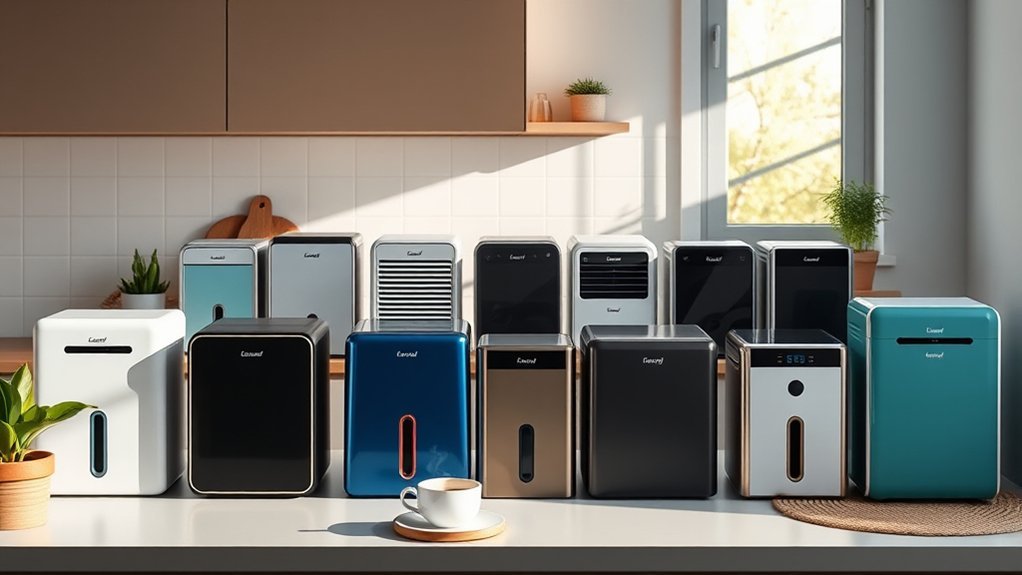
The best small dehumidifier depends on the size of the space, how damp it is, the room temperature, and whether you need light maintenance or serious moisture removal. Canadian buyers also need to consider electrical certification, winter condensation, seller warranty coverage, and whether a U.S. listing ships to their address.
Mini Thermoelectric vs. Compressor Dehumidifier
Most models in this roundup are mini thermoelectric units. They are compact and quiet, but they usually collect only a few hundred millilitres of water per day under favourable conditions. A compressor dehumidifier is the better choice for a damp basement, laundry room, large living area, or recurring mould problem because it removes much more moisture and usually includes a humidistat and continuous drainage.
Capacity and Coverage Area
Do not rely on square-foot coverage alone. Compare the stated daily extraction rate, tank size, test temperature, and test humidity. A compact unit advertised for a large room may still remove less than one or two litres per day. For severe dampness, prioritize standardized litres-per-day or pints-per-day capacity rather than a large marketing coverage number.
Canadian Electrical Certification
For a plug-in electrical product, check the product itself for a recognized Canadian certification mark such as CSA, cUL, or cETL. A U.S.-style plug or 110–120V specification alone does not confirm Canadian certification. When ordering through an international marketplace, also verify the seller, return policy, warranty coverage, and any import fees.
Humidity Targets and Winter Condensation
A hygrometer is the easiest way to track indoor relative humidity. A practical target is generally between 30% and 50%, but Canadian homes may need a lower winter setting to reduce condensation on cold windows. If condensation persists, also address ventilation, leaks, wet laundry, bathroom exhaust, and other moisture sources.
Noise Level Considerations
For a bedroom or office, compare the listed decibel level and look for a sleep mode. Remember that manufacturer noise figures may be measured under ideal conditions. A larger fan speed can collect moisture faster but may be more noticeable at night.
Cold-Temperature Performance
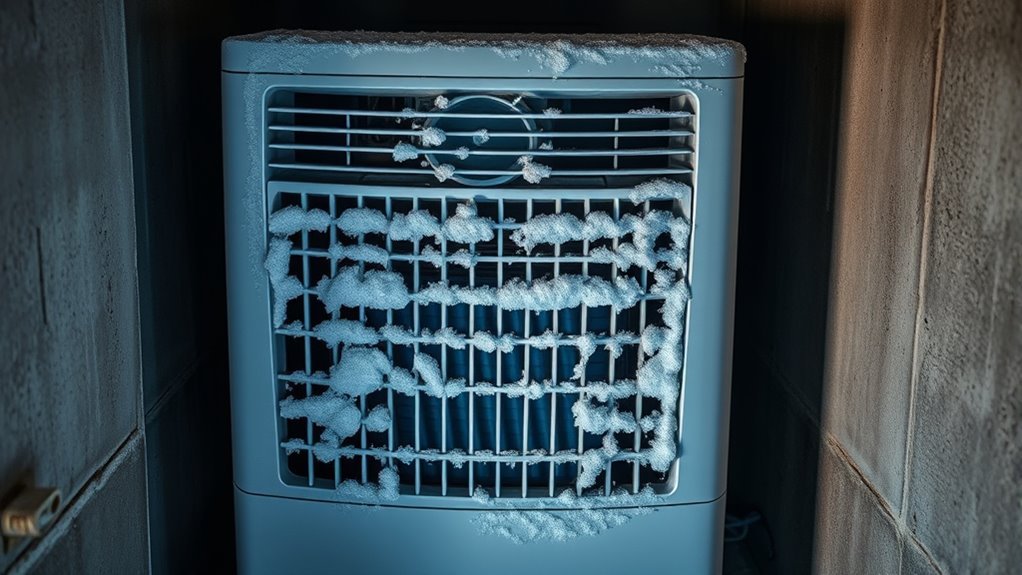
Thermoelectric mini dehumidifiers work best in warm rooms and become less effective as temperatures fall. Compressor models can also frost in cool conditions unless they have effective auto-defrost. Check the stated operating-temperature range before using any model in an unheated basement, garage, cabin, or RV.
Drainage and Tank Maintenance
A larger tank reduces emptying frequency, but it does not increase the unit’s extraction power. Automatic shut-off is important for preventing overflow. If you choose a drain-hose model, route the hose continuously downhill, avoid kinks, and make sure the outlet is secure.
Energy Efficiency
Low wattage does not automatically mean better efficiency. True efficiency compares the amount of water removed with the electricity used. For higher-capacity models, look for ENERGY STAR or EnerGuide information and compare the integrated energy factor when available. Do not assume a small unit is ENERGY STAR certified unless the exact model is listed.
Before You Buy
- Measure the room and check the current humidity with a hygrometer.
- Decide whether you need light maintenance or high-capacity drying.
- Verify daily extraction under stated test conditions, not only square-foot coverage.
- Check for Canadian electrical certification on the product.
- Confirm shipping, returns, warranty, and import costs for your Canadian address.
- Choose continuous drainage when frequent tank emptying would be inconvenient.
Frequently Asked Questions
What Humidity Level Should I Keep in a Canadian Home?
A common target is 30% to 50% relative humidity. During cold Canadian winters, you may need to stay closer to the lower end of that range to reduce condensation on windows and exterior walls. Use a hygrometer and adjust based on your home, climate, and visible condensation.
Can a Mini Dehumidifier Handle a Basement?
Only if the basement is small, warm, enclosed, and mildly damp. A basement with persistent musty odours, visible mould, wet walls, or high humidity usually needs a compressor dehumidifier with a much higher litres-per-day or pints-per-day rating.
How Do I Clean and Maintain a Small Dehumidifier?
Unplug the unit, empty and rinse the tank, wipe the housing, and clean the intake filter according to the manual. Keep the air inlet and outlet unobstructed. If the model uses a drain hose, inspect it for kinks, leaks, and buildup.
Can Small Dehumidifiers Operate in Extremely Low Temperatures?
Most thermoelectric mini units lose effectiveness in cool rooms. Check the manufacturer’s operating-temperature range and do not assume that an auto-defrost label makes a model suitable for an unheated Canadian garage or basement.
Do I Need to Empty the Water Tank Manually?
Yes, unless the model includes a properly installed continuous-drain hose. Automatic shut-off stops the unit when the tank is full, but it does not empty the tank.
Are Small Dehumidifiers Energy-Efficient for Continuous Use?
They often use less power than compressor units, but they also remove much less water. Compare moisture removal with energy use rather than looking at wattage alone. For high-capacity dehumidifiers, ENERGY STAR and EnerGuide information provide a more useful efficiency comparison.
Can I Use an Amazon.com Dehumidifier in Canada?
Only after confirming that the exact product carries a recognized Canadian electrical approval mark and that the seller supports shipping, returns, and warranty service for your address. A 110–120V specification or North American plug does not by itself prove Canadian certification.
Final Recommendation
For the most complete feature set in this roundup, the KeepGlad 98OZ Dehumidifier is the strongest overall choice because it combines a larger tank, humidity display, adjustable operation, and a drain-hose option. The Lonxfy H2105 is a better fit for a quiet bedroom, while the NeedDuck 44OZ model stands out for its timers and operating modes. The TABYIK 38OZ and AlohaAir 34OZ are simpler choices for light moisture in compact rooms, bathrooms, closets, or RVs.
Before ordering in Canada, confirm that the exact model is suitable for the size and severity of your moisture problem, carries a recognized Canadian electrical certification mark when required, and is covered by acceptable shipping, returns, and warranty terms.