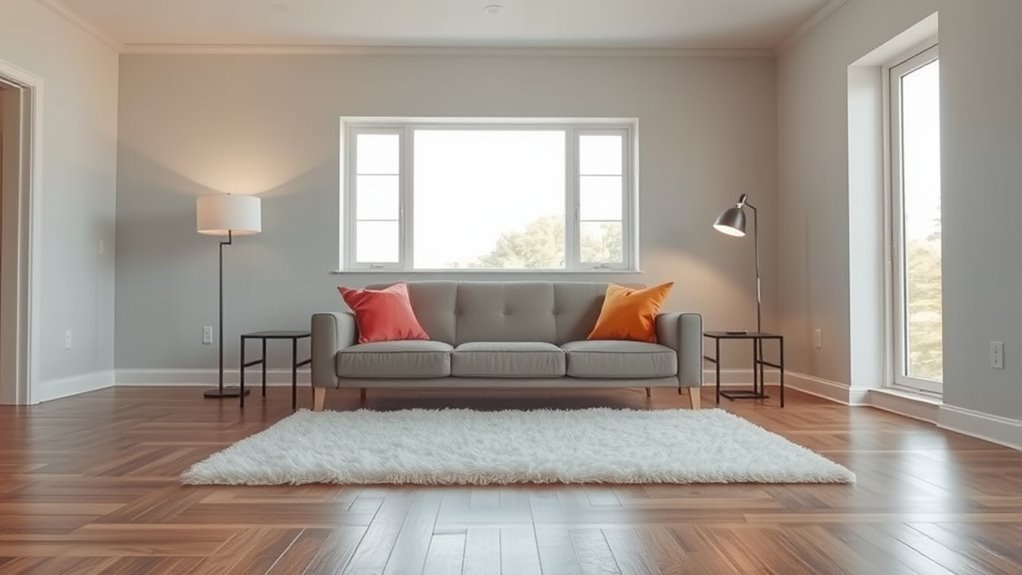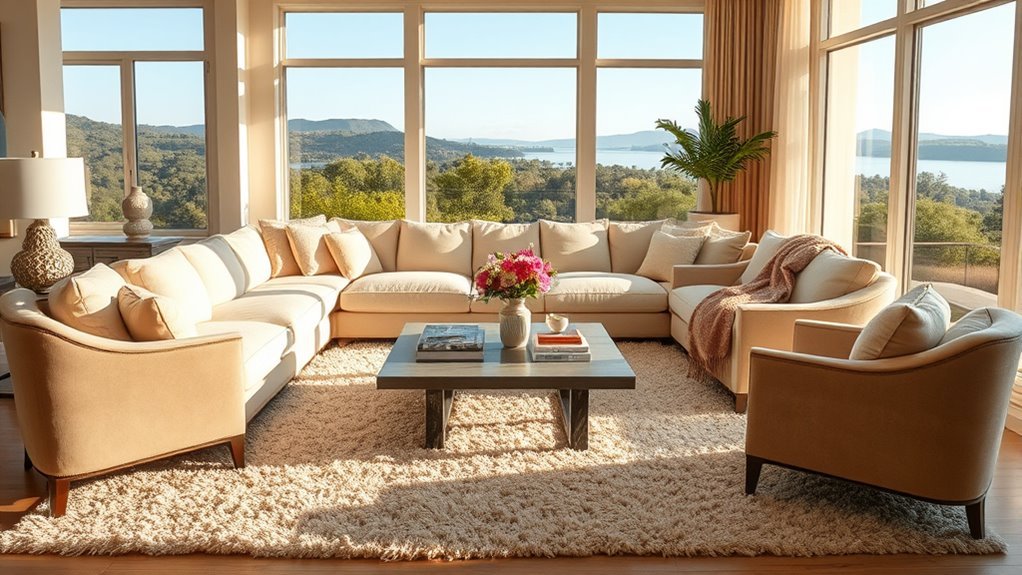
A conversation area in a living room is a seating zone arranged for easy eye contact, comfortable distance, and relaxed back-and-forth conversation. Instead of lining every seat toward the television or pushing all furniture against the walls, group sofas and chairs so people can face or angle toward one another, reach a table, and move through the room easily. For facing seating, about 6 to 8 feet is a useful starting point, while a coffee table is usually most practical about 14 to 18 inches from the sofa.
Last updated: August 19, 2026
Quick Answer
A conversation area is a living room layout where sofas, chairs, and tables are grouped so people face one another comfortably. Start with facing seats roughly 6 to 8 feet apart, keep a coffee table about 14 to 18 inches from the seating, add a reachable surface for each seat, anchor the group with a rug, and use warm layered lighting.
Key Takeaways
- Place sofas and chairs so people can see one another, not just the TV.
- For facing sofas and chairs, about 6 to 8 feet is a useful starting point for natural conversation.
- Keep a coffee table about 14 to 18 inches from seating so it stays reachable without crowding knees.
- Use a rug, layered lighting, and small tables to make the zone feel intentional and comfortable.
- Keep main walking routes clear; about 30 inches is a useful baseline when the room allows.
At a Glance
| Time Required | A basic layout test can be done in one session; allow longer if you need to move heavy furniture, rugs, lamps, or decor. |
| Difficulty | Easy to moderate, depending on room size and furniture weight. |
| Tools Needed | Tape measure, painter’s tape, notepad, furniture sliders, floor lamp or table lamps, rug pad if using an area rug. |
| Cost | No added cost if rearranging what you already own; optional accessories such as a rug pad, lamp, side table, tray, or pillows add cost. |
What Is a Conversation Area and Why Is It Important?
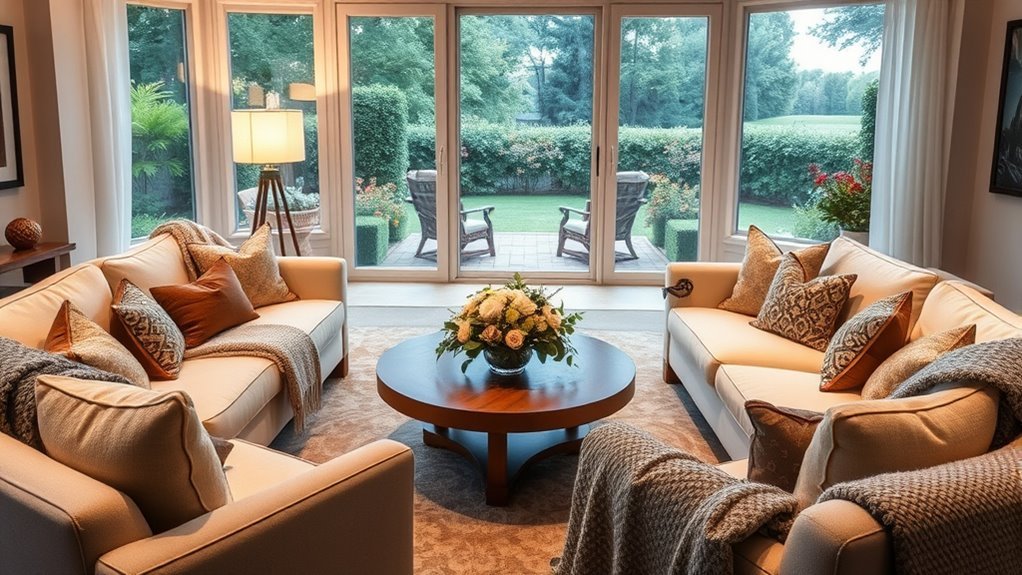
A conversation area is a grouped seating arrangement that makes it easy for two or more people to talk. The classic version uses a sofa and two chairs, two sofas facing each other, or a sectional paired with accent chairs. The important part is not the exact furniture; it is the relationship between the seats.
In a strong conversation area, people can sit naturally, make eye contact, reach a table, and move through the room without squeezing around furniture. The layout feels open, but not so spread out that guests need to lean forward or raise their voices.
This matters because a living room is often more than a TV room. It is where friends settle in before dinner, family members catch up, guests drink coffee, and quiet evenings turn into long stories. A thoughtful living room seating arrangement turns that everyday space into a welcoming place to connect.
Note: A conversation area does not have to be formal. Even a small apartment can have one if the main sofa, one chair, and a small table are arranged with conversation in mind.
Essential Features for a Cozy Conversation Area
Creating a cozy conversation area starts with comfort, scale, and clear purpose. The room should invite people to sit down without wondering where to face, where to place a drink, or how to walk through the space.
Recommended Products
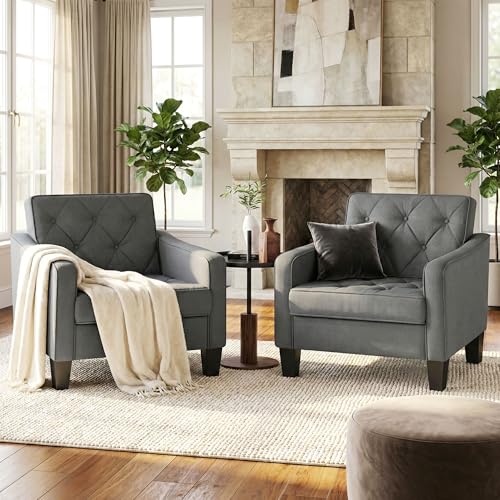
【Mid-Century Modern Design 】The accent chair has a tufted backrest and seat cushion. Handcrafted with buttons and upholstery, every detail shows superb quality. Matches all home styles.
Comfortable Facing Seating
Arrange sofas, loveseats, accent chairs, or poufs so at least some seats face each other. A U-shape, L-shape, circle, or two-facing-sofas layout usually works better than one long row of furniture. If the TV is in the room, let it be part of the layout without making every seat point only toward the screen.
Practical Spacing
Use measurements as starting points rather than rigid rules. For chairs placed opposite a sofa, about 6 to 8 feet is a practical conversation range. Better Homes & Gardens also recommends keeping face-to-face seating within about 8 feet. Smaller rooms may need a closer arrangement, but stretching the main conversation group much farther apart can make the seating feel disconnected. Homes & Gardens · Better Homes & Gardens
For a coffee table, keep about 14 to 18 inches between the table and the sofa or chairs. That range leaves knee room while keeping drinks and other items within reach. Furniture with unusual seat depth, recliners, or mobility needs may require adjustment.
Traffic flow matters just as much as conversation distance. Where the room allows, aim for roughly 30 inches of clear space along a frequently used route. Recent designer guidance also commonly frames comfortable circulation as about 2 to 3 feet. Avoid forcing the main path directly through the center of the seating group when another route is possible. Better Homes & Gardens
Conversation Area Spacing Cheat Sheet
| Layout Check | Useful Starting Point | Why It Helps |
|---|---|---|
| Facing sofa and chairs | About 6 to 8 feet | Keeps the main conversation span visually and socially connected. |
| Sofa to coffee table | About 14 to 18 inches | Leaves knee room while keeping the table easy to reach. |
| Main walking route | Around 30 inches when space allows | Reduces squeezing around chair backs and table corners. |
| Area rug | Front legs of the main seats on the rug | Visually connects separate furniture pieces into one zone. |
A Reachable Surface for Every Seat
A coffee table, ottoman tray, nesting table, or side table gives guests somewhere to place drinks, books, phones, or snacks. If someone has to stand up to set down a cup, the layout is not working as well as it could.
An Area Rug That Anchors the Zone
An area rug helps define the conversation zone, especially in open-plan living rooms. Ideally, the front legs of the main seating pieces should sit on the rug, or the entire seating group should fit on it. A rug that floats alone in the center can make the room feel disconnected.
Layered Lighting
Good lighting makes conversation easier. Use a mix of natural light, overhead lighting, table lamps, floor lamps, and wall sconces. Warm bulbs, dimmers, and lamps placed near seating create a softer glow than one harsh ceiling light.
A Focal Point
A fireplace, large artwork, window view, bookshelf, sculptural coffee table, or even a beautiful lamp can give the area a natural center. A focal point helps the seating feel intentional instead of randomly placed.
How to Arrange Seating for Better Conversations
When you arrange seating for better conversations, start with the room’s shape and traffic flow before you move heavy furniture. The best layout should feel good from the doorway, from each seat, and from the walking paths around the room.
Recommended Products

Note: Total Length: 78.8 inches — Made by combining two 39.4-inch sofa tables.

Multi-Functional Coffee Table: This coffee table features an oval-shaped design suitable for both balcony parties and daily living room use, enhancing your space with its natural, rustic charm while allowing you to enjoy serene moments anytime, anywhere

【Farmhouse Feel】Featuring a two-tone mix of soft brown and crisp white, the ChooChoo coffee table takes a cue from farmhouse style to create a cozy, swoon-worthy feel in your living space
Step 1: Measure the Room
Measure the walls, windows, fireplace, TV wall, door swings, and main walkways. Then use painter’s tape on the floor to mark where large pieces could go. Marking the footprint before moving furniture helps you spot oversized pieces and blocked paths early.
Step 2: Choose the Main Purpose
Decide whether the room is mainly for conversation, TV watching, reading, entertaining, or a mix. If conversation is the priority, seats should subtly face one another. If TV viewing matters too, angle some chairs so they can turn toward both the people and the screen.
Step 3: Place the Largest Piece First
Start with the sofa or sectional. In a small room, the sofa may need to sit near a wall. In a larger room, try floating it a few inches or several feet away from the wall to create a more intimate grouping.
Step 4: Add Chairs Across or Beside the Sofa
Place two chairs across from the sofa for a classic setup, or place one chair at an angle to create an L-shape. Accent chairs should feel close enough to join the conversation, not stranded across the room.
Step 5: Add a Coffee Table or Ottoman
Place the coffee table or ottoman in the center of the seating group. Start with about 14 to 18 inches between the table and seating so it is easy to reach without crowding knees. If you use an upholstered ottoman, add a tray so drinks and snacks have a stable surface.
Step 6: Anchor With a Rug
Choose a rug large enough to connect the seating pieces visually. A too-small rug can make the area feel like separate furniture pieces instead of one cozy zone.
Step 7: Test the Flow
Walk through the room as if you are entering with guests, carrying drinks, or moving from the sofa to another room. If you bump into corners, step over cords, or squeeze between a chair and table, adjust the layout before styling. Where possible, keep the busiest route around the conversation zone instead of cutting straight through it.
Pro Tip: Run a four-point seat test before you finalize the room. Sit in every seat and ask: Can I see the other people without twisting my body? Can I reach a table without standing? Is there a clear way in and out? Is there comfortable light without glare? If any answer is no, adjust the layout before adding more decor.
Best Conversation Area Layouts by Room Type
The right furniture layout depends on the shape of your living room. Use these examples as starting points, then adjust for your doors, windows, and daily routine.
Recommended Products

Adjustable Backrest: The accent chair is equipped with an adjustable backrest that adapts to your different seating positions, allowing you to find the perfect angle for reading, reclining, or napping

【MODERN ACCENT CHAIR WITH PILLOW】Sink into comfort with this accent chair featuring a generously padded seat, supportive backrest, and matching lumbar pillow. Wrapped in soft-touch fabric, this living room chair delivers the perfect balance of style and relaxation for reading, lounging, or everyday use.

Style for Small Spaces: Add a soft, pulled-together look to your living room, bedroom, or apartment with matching ivory sherpa chairs that make an empty corner feel thoughtfully decorated
Small Living Room
Use a sofa or loveseat against the longest wall, then add one or two lightweight chairs across from it. Choose open-leg furniture, nesting tables, and a smaller round coffee table to keep the space easy to move through.
Long Narrow Living Room
Break the room into zones. Place the conversation area at one end with a sofa facing two chairs or a pair of chairs angled toward the sofa. Use a rug to define the seating zone so the room does not feel like a hallway.
Open-Plan Living Room
Float the sofa to create a boundary between the living area and dining or kitchen area. A console table behind the sofa can make the back feel finished while adding space for lamps, books, or decor.
Fireplace Living Room
Let the fireplace become the focal point. Place the sofa facing or perpendicular to it, then add chairs that complete a U-shape. Keep enough clearance so people can move safely around the hearth.
Living Room With a TV
You do not have to remove the TV. Instead, balance it. Put the TV on one side of the focal wall or above a low console, then angle at least one or two chairs toward the seating group. A swivel chair can be especially useful in a multipurpose room because it can turn toward the screen for viewing and back toward the group for conversation. This keeps the room useful for movie night without making conversation feel secondary.
Large Living Room
Create more than one seating zone. A main conversation area can sit near the fireplace or central rug, while a smaller reading chair, game table, or window bench fills another corner. In large spaces, rugs and lamps are especially important because they make each zone feel grounded.
Creating a Welcoming Atmosphere in Your Conversation Area
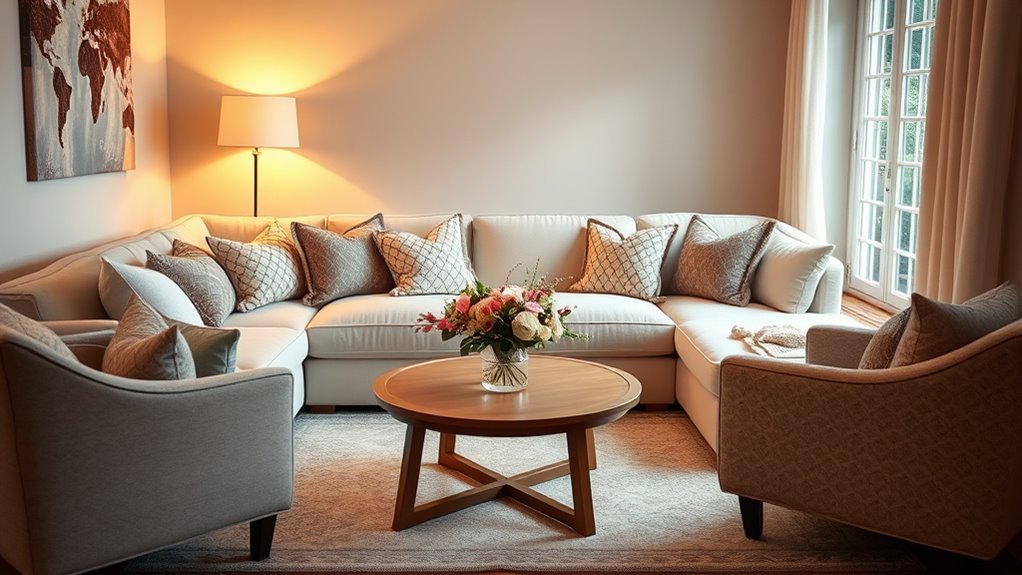
A warm and inviting atmosphere comes from more than furniture placement. Texture, lighting, color, scent, sound, and personal details all shape how comfortable guests feel once they sit down.
Use Soft Textures
Layer cushions, throws, upholstered chairs, curtains, and a soft rug. These pieces absorb sound and make the seating area feel more relaxed. Avoid overloading the sofa with so many pillows that guests have nowhere to sit.
Choose Warm, Balanced Colors
Warm neutrals, earthy tones, soft greens, muted blues, and gentle terracotta shades can all work well. You do not need a dark room to make it cozy; even a bright living room can feel intimate with warm wood, textured fabric, and layered lighting.
Make Lighting Adjustable
Use lamps at different heights. A table lamp beside a chair, a floor lamp near the sofa, and a dimmable overhead fixture give you options for afternoon reading, evening drinks, or a lively gathering.
Control Noise and Echo
If the room echoes, add fabric. Rugs, curtains, upholstered furniture, bookshelves, and wall art can soften sound. This matters because a room that sounds harsh can make conversations feel tiring.
Warning: Keep walkways clear, keep cords out of walking routes, and make sure area rugs do not slide or curl into a path. The CDC identifies throw rugs, clutter, and broken or uneven steps as home hazards that can contribute to falls, especially for older adults. CDC
Personalizing Your Conversation Area for Maximum Comfort
To make your conversation area feel like your home, add details that reveal personality without crowding the seating. Personal touches work best when they invite curiosity, comfort, or memory.
Try a framed family photo, a travel object, a handmade bowl, a favorite art print, a stack of books, or a vase with seasonal branches. These pieces give guests something natural to comment on and make the room feel lived in.
Keep comfort practical, too. Choose seat depths that suit how you sit, use side tables at a reachable height, and place lamps where people actually need light. A beautiful room that is awkward to use will not encourage long conversations.
| Element | Best Choice | Why It Helps |
|---|---|---|
| Seating Options | Sofa, armchairs, ottomans, benches, poufs | Supports different guests, body types, and group sizes. |
| Textures | Cushions, throws, curtains, soft rug | Adds comfort and softens sound. |
| Color Palette | Warm neutrals, muted colors, natural wood | Creates a calm, relaxed mood without feeling flat. |
| Personal Touches | Art, books, heirlooms, handmade decor | Gives guests natural conversation starters. |
| Arrangement | Seats facing or angled toward one another | Encourages eye contact and easy social flow. |
Common Conversation Area Mistakes to Avoid
Even beautiful furniture can feel wrong if the layout works against conversation. Watch for these common mistakes before buying anything new.
- Pushing every piece against the wall: This can leave an empty middle and make people feel far apart. Float furniture when space allows.
- Making the TV the only focal point: Angle some seating toward people, not just the screen.
- Using a rug that is too small: A tiny rug can make the seating group feel disconnected.
- Forgetting tables: Every seat should have a reachable surface nearby.
- Blocking walkways: Leave comfortable paths through and around the seating area.
- Choosing style over comfort: If a chair looks good but no one wants to sit in it, it does not belong in the main conversation zone.
- Using only overhead light: Add lamps so faces are softly lit and the room feels relaxed at night.
Quick Layout Formulas That Work
If you are not sure where to start, use one of these proven formulas and adjust it to your room.
Sofa + Two Chairs
Place the sofa on the longest wall or float it in the room, then place two chairs across from it or angled inward. Add a coffee table in the middle and a side table between the chairs.
Two Sofas Facing Each Other
This is ideal for larger rooms or formal living rooms. Place a coffee table between the sofas and add lamps at both ends so the room feels balanced.
Sectional + Accent Chair
A sectional can create an instant conversation corner. Add an accent chair across from the open side so the layout does not feel like one giant piece facing away from the room.
Four Chairs Around a Table
This works well in a library, sitting room, bay window, or secondary living area. Use a round table or ottoman in the center to keep the arrangement relaxed.
Frequently Asked Questions
How do you create a conversation area in a living room?
Start by choosing the room’s focal point, then arrange the sofa and chairs so people face or angle toward one another. Add a coffee table or ottoman within reach, anchor the group with a rug, layer in lamps, and leave clear walkways around the seating.
What is a conversation zone?
A conversation zone is a defined seating area where chairs, sofas, tables, rugs, and lighting work together to support social interaction. It can be the main living room layout or a smaller corner inside a larger open-plan room.
How much walkway space should a conversation area have?
Where the room allows, aim for roughly 30 inches along a frequently used walking route, with 2 to 3 feet providing comfortable circulation in many layouts. Keep the busiest path around the seating group rather than forcing people between chairs and the coffee table.
What is the point of a conversation pit?
A conversation pit is a sunken seating area designed to bring people closer together and create an intimate gathering zone without full walls. Because it introduces a change in floor level, circulation, lighting, accessibility, and trip risk need careful planning.
How far apart should chairs be in a conversation area?
For chairs facing a sofa, about 6 to 8 feet is a useful starting range. Smaller rooms can use closer spacing, while the main conversation span should generally stay within about 8 feet when practical so the group still feels connected.
Can a small living room have a conversation area?
Yes. Use a loveseat or compact sofa, one or two lighter chairs, a small round table, and a rug that connects the pieces. Choose furniture with slim arms or open legs so the room still feels airy.
Should a conversation area face the TV?
It can, but it does not have to. If the room is used for both TV and conversation, angle some seating toward the screen and some toward the group. A swivel chair can also make the room more flexible because it can turn between the two focal points.
Sources
- Better Homes & Gardens: How to Arrange Furniture — supports conversation distance, coffee-table spacing, walkway clearance, floating furniture, and room-layout guidance.
- Better Homes & Gardens: Arrange Furniture for Better Conversation — supports conversation-friendly furniture groupings, rugs, floating layouts, and clear circulation paths.
- Homes & Gardens: How to Plan the Perfect Living Room Layout — supports the 6-to-8-foot starting range for chairs placed opposite a sofa and broader conversation-zone planning.
- CDC: Facts About Falls — supports the safety warning about throw rugs, clutter, broken or uneven steps, and other home fall hazards.
- Architectural Digest: Conversation Pits — supports the definition, purpose, and practical considerations of sunken conversation areas.
Conclusion
A strong conversation area makes your living room feel more human. By facing seats toward one another, keeping tables within reach, using a rug to anchor the layout, and layering in warm lighting, you create a space where guests naturally settle in and stay awhile. Keep the measurements flexible, protect clear walkways, and add personal details that tell your story. Start by measuring the main seating span and coffee-table gap, then run the four-point seat test before buying anything new.